The actor director relationship is a symbiotic partnership that serves as the emotional and creative backbone of any film or theatrical production. It is built on a foundation of mutual trust, shared vision, and effective communication, where the director provides the framework and the actor provides the human vulnerability required to bring a script to life.
The Psychological Foundation of Trust and Vulnerability
At its core, the actor director relationship is psychological. An actor’s primary tool is their own psyche, which requires them to remain open, vulnerable, and emotionally available. For this to occur, the director must create a "safe space" on set—an environment where the actor feels protected enough to take risks and even fail. Without this safety, performances often become guarded, technical, and ultimately hollow.
Trust is not established overnight; it is cultivated through consistent behavior during the pre-production and rehearsal phases. A director builds trust by demonstrating a deep understanding of the material and by showing respect for the actor's process. Conversely, an actor builds trust by arriving prepared and remaining receptive to guidance. In 2026, the industry has placed an even greater emphasis on mental health and psychological safety, recognizing that the most profound performances emerge when the artist feels supported rather than coerced.
The director’s role is often compared to that of a parental figure or a therapist, but it is more accurately described as a "curator of performance." They must recognize the specific needs of each actor. Some performers require constant validation and precise instructions, while others need minimal interference to maintain their internal momentum. Understanding these individual temperaments is the first step toward a successful collaboration.
Communication and the Language of Direction
Communication is the most common point of failure in the actor director relationship. Many directors fall into the trap of "result-oriented" directing—telling an actor what to feel or how to look (e.g., "be sadder" or "give me more energy"). This approach is generally ineffective because it focuses on the outcome rather than the process, often leading to self-conscious or "indicated" acting.
Effective directors use "active verbs" and "physical adjustments." Instead of asking an actor to be "angry," a director might suggest they "intimidate" or "shame" the other character. This gives the actor a specific objective to play, which naturally produces the desired emotional result. This methodology, championed by educators like Judith Weston, remains the gold standard for professional sets in 2026.
Avoiding Common Communication Pitfalls
- The Results Trap: Avoid adjectives. Adjectives describe the result; verbs drive the action.
- The Over-Explainer: Directors who talk too much can "intellectualize" the emotion out of a scene. Sometimes, the most effective note is the shortest one.
- The "Line Reading": Telling an actor exactly how to say a line is often seen as a sign of distrust in the actor's craft and can stifle their creativity.
Navigating the Three Phases of Collaboration
The dynamic between an actor and a director shifts as the project moves through different stages of production. Each phase requires a different level of intimacy and technical focus.
1. Pre-Production and Rehearsal
This is the "discovery" phase. Here, the actor director relationship is focused on alignment. They discuss character backstories, motivations, and the "super-objective"—what the character wants more than anything else in the story. Rehearsals in 2026 often utilize a mix of traditional table reads and immersive environments, allowing actors to explore the physical space of their characters before the high-pressure environment of the set begins.
2. The Production Phase
On set, time is the greatest enemy. The director must balance the technical requirements of the camera and lighting with the emotional needs of the actor. The relationship here becomes one of shorthand. A director might only have thirty seconds between takes to offer a "whispered note." This private communication is vital; giving notes in front of the entire crew can make an actor feel exposed and defensive.
3. The Post-Production Reflection
While actors are rarely involved in the editing room, the director’s relationship with the performance continues. The director must "protect" the actor in the edit, choosing the takes that best serve the character’s arc, even if those weren't the actor's personal favorites during filming.
Comparative Styles of Direction
Different directors utilize different methodologies to elicit performances. Understanding these styles helps actors adapt their own process to match the production's needs.
| Directing Style | Primary Characteristic | Pros | Cons |
|---|---|---|---|
| Collaborative | Seeks input from the actor on character choices. | High actor satisfaction; organic performances. | Can lead to "analysis paralysis" or slow pacing. |
| Dictatorial | Has a rigid vision and expects exact execution. | Highly efficient; visually precise. | Can stifle spontaneity; potential for actor burnout. |
| Improvisational | Provides a framework but allows dialogue to shift. | High realism; unexpected moments of genius. | Difficult to edit; can stray from the script's intent. |
| Observational | Gives minimal notes; lets the actor find the way. | Empowers experienced actors. | Can leave less experienced actors feeling lost. |
Conflict Resolution and Creative Differences
Conflict is an inherent part of the creative process. When an actor and director disagree on a character's choice, it is rarely about "right or wrong" and usually about "vision alignment." In 2026, professional protocols emphasize the "Three-Take Rule" for resolving disputes: one take for the director’s vision, one for the actor’s instinct, and a third for a compromise or "wild card" approach.
To resolve conflicts effectively, both parties must return to the script. The script is the "constitution" of the project. If an actor’s choice contradicts the established facts of the story, the director must gently point this out. If a director’s note feels physically or emotionally impossible for the actor, they must communicate this without being combative. Organizations like the Directors Guild of America (DGA) and SAG-AFTRA provide guidelines on professional conduct to ensure these disagreements remain constructive.
The Impact of Modern Technology on the Relationship
As we progress through 2026, technology like Virtual Production (LED Volumes) and AI-assisted pre-visualization has changed the physical landscape of the set. However, these tools have made the actor director relationship more critical than ever. In a world of digital backgrounds and performance capture, the director serves as the actor's only tether to the "reality" of the scene.
The director must now act as a translator, helping the actor visualize elements that aren't physically present. This requires a higher degree of descriptive language and a deeper level of trust, as the actor is often performing in a vacuum, relying entirely on the director's assurance that the final composition will work.
The Role of the Intimacy Coordinator
A significant development in the modern actor director relationship is the integration of Intimacy Coordinators. These professionals act as a bridge between the director’s vision and the actor’s physical boundaries during sensitive scenes. By delegating the technicalities of physical safety and consent to a coordinator, the director and actor are free to focus on the emotional truth of the scene without the awkwardness or risk of boundary-crossing.
Strategies for a Successful Partnership
For a director, the key to a successful relationship is active listening. Directors who listen more than they speak often find that their actors offer insights that improve the film beyond the original script. For an actor, the key is flexibility. An actor who is overly wedded to a single way of playing a scene becomes a bottleneck in the creative process.
- Be Vulnerable First: Directors who share their own uncertainties or "why" behind a scene can lower an actor's defenses.
- Keep Notes Private: Always deliver critique one-on-one to maintain the actor’s dignity on set.
- Focus on the "Why": Instead of telling an actor "how" to do something, explain "why" the character is making that choice.
- Acknowledge Success: A simple "we got it" or "that was beautiful" goes a long way in sustaining an actor's energy through a long shooting day.
Frequently Asked Questions
How much rehearsal time is standard for a professional film?
In 2026, rehearsal time varies wildly by budget and director style. Major feature films may allot 2-4 weeks of rehearsal, while television productions often have no formal rehearsal time at all, requiring the actor and director to find the character's voice during the first few days of shooting.
What should an actor do if they feel a director's note is harmful?
If a note feels emotionally or physically unsafe, the actor should immediately request a private word with the director. If the issue remains unresolved, the actor can consult the on-set Intimacy Coordinator or their union representative. Professionalism in 2026 dictates that no artist should be forced to compromise their personal safety for a "performance."
Can a director also be a friend to the actor?
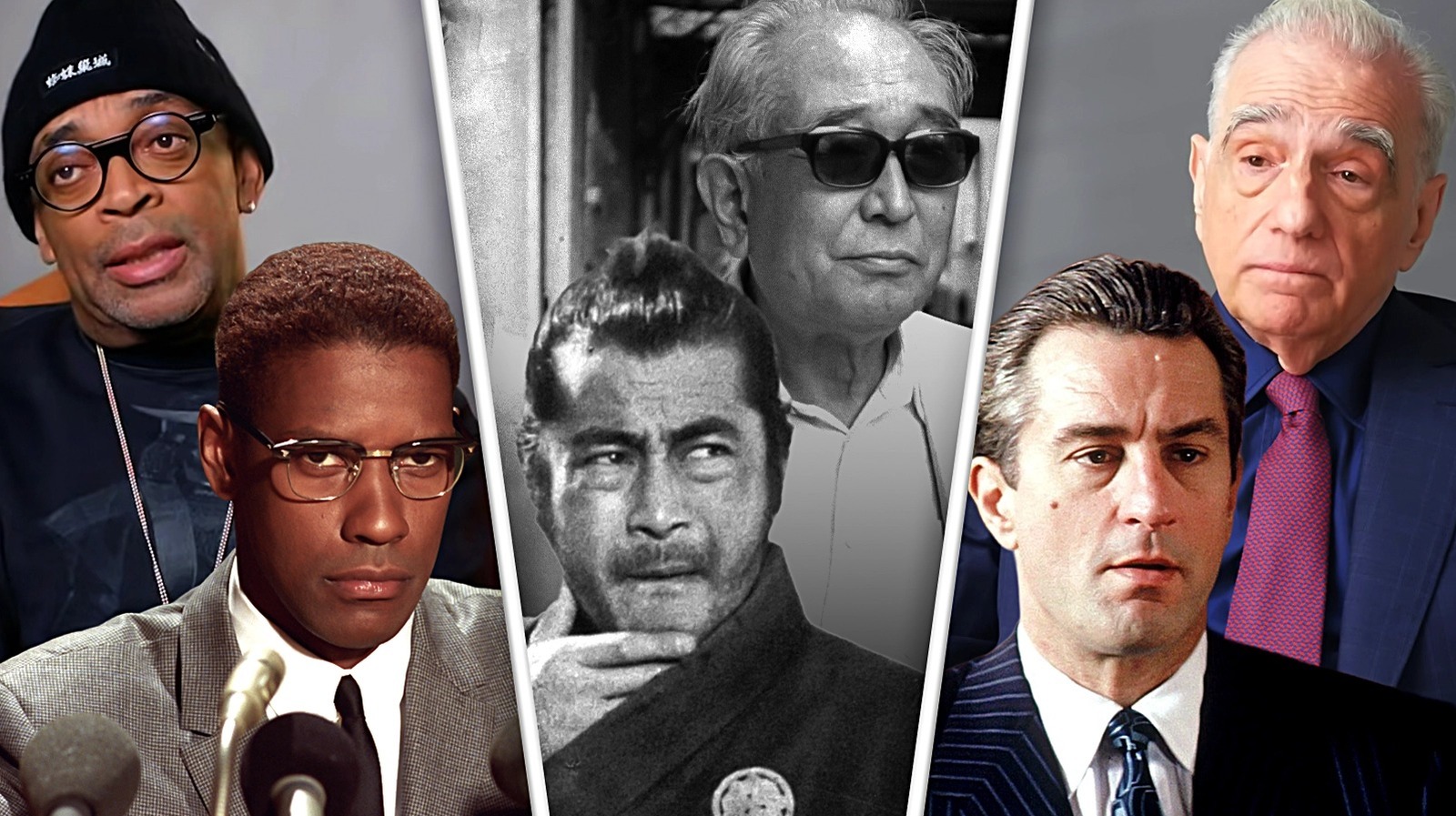
While many long-term collaborations (like Scorsese and De Niro) develop into deep friendships, a professional boundary is usually maintained on set. The director must be able to give difficult critiques, and the actor must be able to receive them without personal feelings getting in the way.
How do directors handle actors who use different methods?
A skilled director adapts their language to the actor's "Method." If an actor is a classical technician, the director uses technical terms. If the actor is a "Method" actor who stays in character, the director addresses them as the character and respects their process of emotional immersion.
What is "Directing through the lens"?
This refers to a director who prioritizes the visual composition over the actor's emotional process. While this can result in beautiful cinematography, it often requires the actor to adjust their movements in ways that feel unnatural, requiring a high level of patience and technical skill from the performer.
Moving Forward: Building Your Creative Network
The most successful actor director relationships are those that span multiple projects over many years. To build these types of partnerships, focus on consistency and reputation. In the small world of filmmaking, a director who is known for "finding the heart" of a performance will always attract top-tier talent, and an actor known for being "directable" will never lack for work.
To improve your own collaborative skills, consider attending workshops that force you to swap roles. Directors who take acting classes and actors who try their hand at directing gain an invaluable perspective on the challenges faced by their counterparts. This cross-training is the most effective way to foster the empathy required for a truly legendary creative partnership.