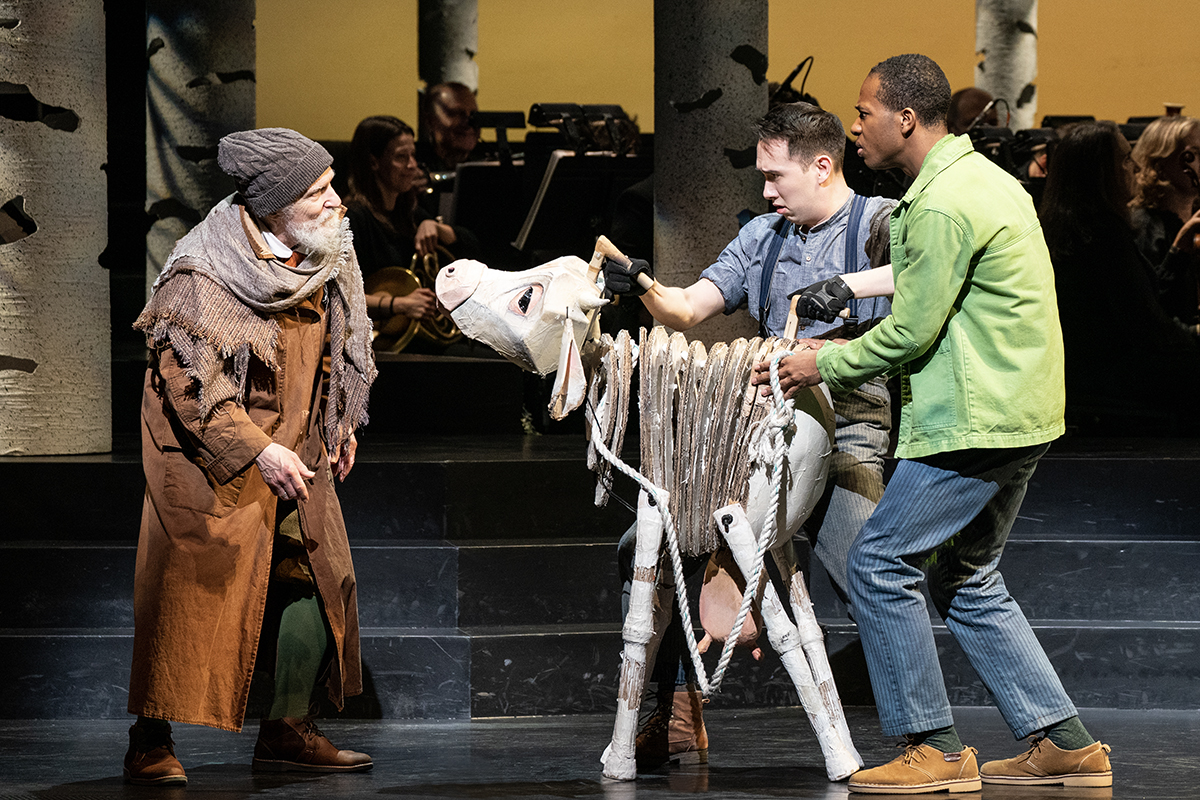
David Patrick Kelly is a quintessential American character actor whose career spans over five decades, defined by a singular ability to blend high-intensity menace with eccentric charm. Best known for his breakout role as Luther in The Warriors and his long-standing collaboration with directors like David Lynch and Spike Lee, Kelly’s impact lies in his "less is more" approach to performance and his mastery of both the screen and the Broadway stage.
Throughout his career, Kelly has occupied a unique niche in Hollywood. He is rarely the leading man, yet he is often the most memorable presence in any given scene. His slender frame and sharp features, combined with a voice that can pivot from a soothing whisper to a manic screech, made him the go-to antagonist for the gritty urban cinema of the late 1970s and 1980s. As of 2026, his body of work is studied by acting students for its precision, demonstrating how a character actor can shape the atmosphere of a film through minimal but highly intentional choices.
The Inciting Incident of a Career: Luther and The Warriors (1979)
Every discussion of David Patrick Kelly begins with Walter Hill’s 1979 stylized gang odyssey, The Warriors. As Luther, the leader of the Rogues, Kelly created one of the most enduring villains in cinematic history. The role was not just a performance; it was a cultural phenomenon that birthed one of the most quoted lines in film: "Warriors, come out to play-ay!"
The brilliance of Kelly’s work in The Warriors lies in his improvisation. The famous bottle-clinking taunt was not in the original script. Kelly reportedly drew inspiration from a frightening individual he had encountered under a boardwalk in Coney Island who used bottles to create a rhythmic, intimidating sound. By bringing this real-world observation to the set, Kelly transformed a standard antagonist into a symbol of unpredictable chaos.
Luther represented a new kind of villain for the era. He wasn't a physically imposing brute; he was a spindly, nervous instigator who thrived on discord. This performance set the template for the "weaselly antagonist" that Kelly would refine over the next decade. The impact of this role was so profound that it initially overshadowed his other talents, cementing his status as a "cult" actor almost immediately upon his debut.
Defining the 1980s Antagonist: 48 Hrs. and Commando
Following the success of The Warriors, Kelly became a staple of the high-octane action genre. His collaboration with Walter Hill continued in the 1982 hit 48 Hrs., where he played another character named Luther. While distinct from his Warriors persona, this role leaned into the same nervous, dangerous energy that complimented the "buddy cop" dynamic between Nick Nolte and Eddie Murphy.
However, it was his role as Sulley in the 1985 Arnold Schwarzenegger vehicle Commando that further solidified his place in the action movie pantheon. In Commando, Kelly played a slick, yellow-Porsche-driving mercenary. The role is famous for the "I lied" scene, where Schwarzenegger’s character drops Sulley off a cliff after promising to kill him last.
Kelly’s performance as Sulley demonstrated his range within the villain archetype. Unlike the manic Luther, Sulley was smug and overconfident. This transition showed that Kelly could handle different shades of antagonism, moving from the street-level grit of the 70s to the polished, consumerist villainy of the 80s. These roles were instrumental in defining the stakes of 80s action cinema, providing a grounded, human contrast to the Herculean physical presence of stars like Schwarzenegger.
The Lynchian Influence: Jerry Horne and Twin Peaks
The most significant shift in David Patrick Kelly’s career occurred when he began his association with visionary director David Lynch. In the cult television phenomenon Twin Peaks (1990–1991), Kelly was cast as Jerry Horne, the eccentric brother of hotel mogul Ben Horne.
Jerry Horne was a departure from Kelly’s previous roles. While still possessing an edge, Jerry was more of an absurdist figure—a world-traveling hedonist obsessed with smoked meats and baguettes. Kelly’s chemistry with Richard Beymer (who played Ben Horne) created a surreal comedic pocket within the dark, mysterious world of the show.
Kelly’s ability to inhabit Lynch’s "dream logic" proved that his talents were not limited to urban grit or action tropes. He returned to the role in the 2017 revival, Twin Peaks: The Return, portraying an older, more disoriented Jerry Horne lost in the woods. This performance was a masterclass in physical acting and vocal delivery, capturing a character whose mind had been frayed by the supernatural forces of the town. His work with Lynch, including a role in Wild at Heart (1990), established Kelly as an actor capable of navigating the most avant-garde corners of the industry.
Beyond the Screen: A Mastery of the Stage and Music
While film audiences know him as a villain or a surrealist traveler, David Patrick Kelly’s contributions to the American theater are equally substantial. A classically trained actor with a deep love for music, Kelly has maintained a robust presence on and off Broadway for decades.
In 2006, Kelly appeared in the original Broadway production of Once, playing the role of "Da." This role allowed him to showcase a much softer, more paternal side than his film roles usually permitted. His performance was lauded for its quiet dignity and emotional resonance, highlighting his versatility. He has also appeared in major productions of Working, The Threepenny Opera, and Into the Woods.
Kelly is also an accomplished musician and composer. He frequently incorporates his musicality into his theatrical roles, and his background as a guitarist has informed the rhythmic nature of his speech in his film performances. This dual mastery of sound and movement is what makes his character work feel so precise; he approaches a script with the ear of a musician, ensuring that every pause and inflection serves a specific narrative purpose.
Modern Resilience: From John Wick to the Neo-Western
As the film industry transitioned into the 21st century, David Patrick Kelly transitioned with it, moving from "the young punk" to "the seasoned veteran." His involvement in the John Wick franchise (2014) as Charlie, the "cleaner" who disposes of bodies, introduced him to a new generation of cinema-goers.
In John Wick, Kelly exudes a quiet, professional menace. He is a man who has seen it all and remains unfazed by the violence surrounding him. This role was a nod to his history in the action genre while allowing him to portray a character defined by competence and discretion rather than manic energy.
His later work also includes notable appearances in:
- The Blacklist: Playing Robert Vesco, a role that utilized his penchant for charming roguery.
- Succession: Appearing in a guest capacity that highlighted his ability to fit into modern, high-stakes prestige drama.
- The Walking Dead: Dead City: Bringing his career full circle by returning to a gritty, post-apocalyptic New York setting reminiscent of The Warriors.
Key Filmography and Role Impact
The following table highlights the diversity of Kelly's career and the specific impact of his most notable roles.
| Year | Title | Role | Cultural/Artistic Impact |
|---|---|---|---|
| 1979 | The Warriors | Luther | Created the iconic "bottles" improvisation; defined the 70s urban villain. |
| 1982 | 48 Hrs. | Luther | Reinforced his partnership with Walter Hill and his "slick antagonist" persona. |
| 1985 | Commando | Sulley | Provided the foil for one of Arnold Schwarzenegger’s most famous one-liners. |
| 1990 | Twin Peaks | Jerry Horne | Demonstrated his range in surrealist/absurdist media. |
| 1992 | Malcolm X | Mr. Ostrowski | Showed his ability to play historically grounded, dramatic roles for Spike Lee. |
| 1996 | Last Man Standing | McCool | A return to the hard-boiled noir aesthetic. |
| 2012 | Once (Stage) | Da | Showcased emotional depth and musicality in a Tony-winning production. |
| 2014 | John Wick | Charlie | Re-established his presence in modern blockbuster action franchises. |
The Mechanics of Character Acting: Kelly’s Artistic Methodology
The lasting impact of David Patrick Kelly is perhaps best understood through his philosophy on character acting. Unlike stars who often play versions of themselves, Kelly views himself as a tool for the director’s vision. He is known for extensive research and for finding "the physical core" of a character.
In interviews, Kelly has often discussed the importance of the "silent moments" in a script. He believes that what a character does when they are not speaking is just as important as their dialogue. This is evident in his role as Dropshadow in Spike Lee’s Chi-Raq (2015) or his various roles in The Blacklist. By focusing on posture, gaze, and small gestures, he creates characters that feel lived-in and historically grounded.
Furthermore, Kelly’s impact is felt in his advocacy for the "working actor." He has consistently balanced high-paying commercial projects with small-scale independent theater and experimental films. This balance has allowed him to maintain a career for over 45 years without ever becoming pigeonholed or irrelevant. He remains a "director's actor," someone who can be trusted to deliver a performance that is both surprising and perfectly aligned with the project's tone.
Why Does He Remain a Cult Favorite?
David Patrick Kelly’s enduring popularity stems from a sense of authenticity. In an era where many performances are polished by digital editing or market-tested tropes, Kelly feels dangerous and spontaneous. Whether he is clinking bottles in a 1970s gang movie or eating a 27-inch baguette in a David Lynch dreamscape, there is a commitment to the "bit" that commands attention. He represents a bridge between the gritty, method-inspired acting of the 1970s and the highly stylized, genre-conscious cinema of the 2020s.
FAQ
What is David Patrick Kelly's most famous line?
His most famous line is "Warriors, come out to play-ay!" from the 1979 film The Warriors. The line was improvised by Kelly during the filming of the scene where his character, Luther, taunts the rival gang from inside a car while clinking three glass bottles together.
Is David Patrick Kelly a musician?
Yes, David Patrick Kelly is a skilled musician and singer. He has played guitar in several of his theatrical roles and has performed in Broadway musicals such as Working and Once. His musical background often informs the rhythmic delivery of his dialogue in films.
Which directors has David Patrick Kelly worked with most?
Kelly is known for his recurring collaborations with several legendary directors. He has worked with Walter Hill (The Warriors, 48 Hrs., Last Man Standing), David Lynch (Twin Peaks, Wild at Heart), and Spike Lee (Malcolm X, Crooklyn, Chi-Raq).
Has David Patrick Kelly won any awards for his acting?
While he has not won an Oscar, David Patrick Kelly has received significant recognition in the theater world. He was a recipient of the Obie Award for Sustained Excellence in Performance and has been part of several Tony Award-winning ensembles, most notably for the musical Once.
What role did David Patrick Kelly play in the John Wick series?
Kelly played Charlie, the "cleaner" or disposal specialist, in the first John Wick film (2014) and John Wick: Chapter 2 (2017). His character is responsible for removing bodies and cleaning crime scenes for the underworld of assassins.
Recommendations for Exploring David Patrick Kelly’s Work
To truly appreciate the breadth of David Patrick Kelly's impact, a curated viewing path is recommended. Start with The Warriors (1979) to understand the origin of his "cult" status and the raw intensity he brought to the screen early in his career. Follow this with the original Twin Peaks series to see his transition into surreal comedy and absurdist drama.
For those interested in his dramatic range, Spike Lee’s Malcolm X provides a look at Kelly in a more grounded, historical context. Finally, his appearances in John Wick and The Walking Dead: Dead City offer a modern perspective on how he has aged into a "prestige" character actor who can command a scene with nothing more than a look and a quiet word. Whether you are a fan of 80s action or high-brow theater, David Patrick Kelly’s filmography offers a masterclass in the art of the character actor.