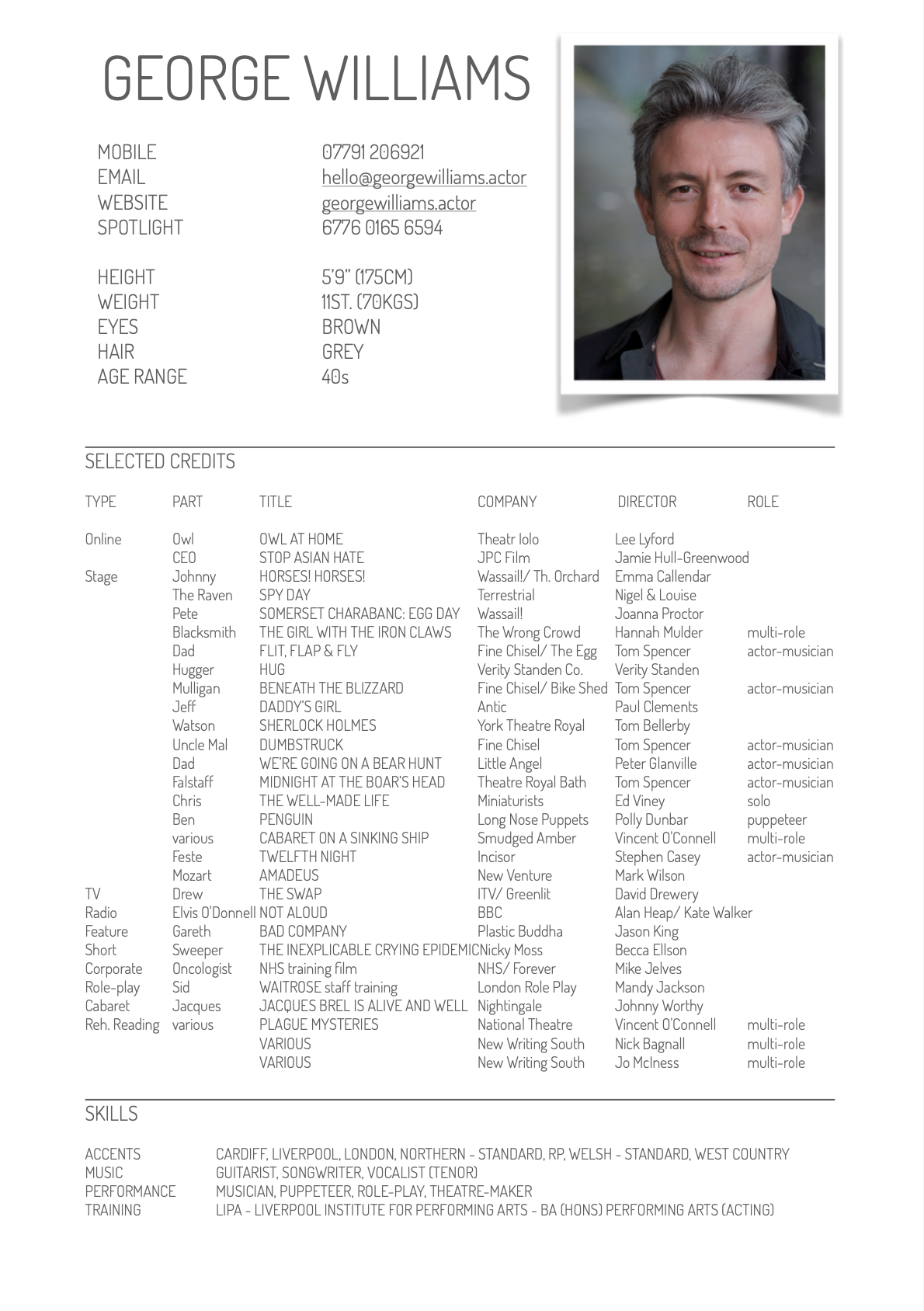
Actor credits verification is the systematic process used by casting directors, talent agencies, and production legal departments to validate a performer's professional history. This procedure ensures that roles listed on resumes or databases like IMDbPro are accurate, helping to prevent resume inflation, ensure union compliance, and maintain the integrity of the casting process across global entertainment markets.
Why Actor Credits Verification is Critical in Modern Casting
In the competitive landscape of 2026, the entertainment industry relies more heavily than ever on the accuracy of professional data. Actor credits verification serves as the bedrock of trust between talent and production. When a casting director (CD) views a profile, they are not just looking for talent; they are looking for a track record of reliability and experience that justifies a specific production's insurance and budget requirements.
The stakes for verification have risen due to the proliferation of "resume inflation." In previous decades, a minor exaggeration might go unnoticed, but in the current high-stakes environment, a misrepresented credit can lead to legal complications or the termination of a contract. For instance, if an actor claims a "Guest Star" credit on a major network series when they were actually a "Co-Star," it affects their quote (their standard pay rate) and their standing with unions like SAG-AFTRA.
Furthermore, verification is a requirement for production insurance. Many "key man" insurance policies or completion bonds require that the lead and supporting cast have the experience they claim. If a production is delayed because a performer lacks the technical expertise they claimed to possess in a verified credit—such as specialized stunt work or a specific technical skill—the financial repercussions for the studio can be immense.
The Primary Databases for Professional Verification
While several platforms exist for talent discovery, only a few are considered "industry standard" for credit verification. These platforms have different levels of vetting and are used at various stages of the casting and hiring cycle.
IMDbPro and the Verification Badge
As of 2026, IMDbPro remains the most recognized global database for screen credits. However, the distinction between a standard IMDb page and a "Verified" IMDbPro profile is significant. IMDb's verification system relies on a mix of automated metadata from production companies and manual submissions. To verify a credit on IMDbPro, performers or their representatives often must provide proof of work, such as a redacted contract or a screenshot of the end-roll credits.
Spotlight (UK and Europe)
In the United Kingdom and much of Europe, Spotlight is the definitive source for credit verification. Unlike more open platforms, Spotlight requires actors to have professional training or a specific number of professional credits before they can even create a profile. This "gatekeeping" mechanism makes Spotlight one of the most trusted verification sources for international casting directors.
Casting Networks and Actors Access
In the United States, platforms like Casting Networks and Actors Access serve as the primary conduits for daily casting. While these sites allow for user-generated content, they often sync with agency records. When a top-tier agency like CAA or WME manages a profile, the credits listed gain a secondary layer of verification because they are backed by the agency’s legal and accounting departments.
The Role of SAG-AFTRA and Equity in Credit Validation
Unions play a pivotal role in the technical side of actor credits verification, particularly regarding "Station 12" clearances. In the U.S., before an actor can start work on a union production, the production office must clear them through SAG-AFTRA.
The Station 12 Process
Station 12 is the union's internal verification system. It checks the actor's current membership status and their history of union-covered work. While it is primarily used to ensure the actor is in "good standing" (dues paid), it effectively verifies their professional history within the union's jurisdiction. If an actor claims to be a "must-join" based on previous credits, the union's database serves as the ultimate source of truth.
Residuals and Earnings Verification
For actors and their managers, verification is also a matter of financial accuracy. Residuals are paid based on the specific type of credit received (e.g., Guest Star vs. Series Regular). The SAG-AFTRA Residuals Department tracks these credits across various media platforms. If a discrepancy exists between the on-screen credit and the payment schedule, a formal verification process is triggered to resolve the issue, often involving a review of the original performer contract.
| Platform/Entity | Primary Verification Method | Authority Level | Best Used For |
|---|---|---|---|
| IMDbPro | Metadata & User Submission | High (Global) | General filmography and rankings |
| Spotlight | Entry Prerequisites & Vetting | Very High (UK/EU) | Professional status and training |
| SAG-AFTRA | Employment Records/Contracts | Absolute (Legal) | Union eligibility and residuals |
| Casting Networks | Agency Management | Moderate | Current availability and recent work |
| Production Legal | Call Sheets & Contracts | Absolute (Internal) | Hiring, insurance, and billing |
Step-by-Step Guide to Verifying Actor Credits for Producers
Producers and casting offices follow a standardized workflow to ensure that the talent they are hiring is legitimately credited for their past work. This process is particularly rigorous for high-budget films and television series.
- Initial Database Cross-Referencing: The process begins by comparing the actor’s submitted resume against their IMDbPro and Actors Access profiles. Any inconsistencies in role titles (e.g., "Lead" on a resume vs. "Supporting" on IMDb) are flagged for clarification.
- Agency Confirmation: The casting office contacts the actor’s talent agent. The agent is legally obligated to provide accurate information regarding their client’s credits. For major roles, the production may request a "Deal Memo" or a redacted contract from a previous project to verify the billing rank.
- On-Screen Credit Check: If a credit is listed as "uncredited" or "pending," the verification team may look for the actor’s name in the actual digital end-roll of the project in question. In 2026, this is often done via digital archives of streaming platforms.
- Reference Checks: For key roles, producers often call previous directors or producers listed on the actor's credits. This verifies not only the credit itself but also the actor’s professional conduct on set.
- Union Clearance (Station 12): Once a performer is selected, the production submits their name to the union for a final check. This ensures that the performer’s professional history matches the requirements for the current production’s tier (e.g., Ultra Low Budget vs. Basic Agreement).
Handling Discrepancies and Unverified Credits
It is not uncommon for an actor's profile to contain errors or unverified information. These issues usually fall into three categories: clerical errors, "uncredited" roles, and resume inflation.
Resolving "Uncredited" Status
An "uncredited" role occurs when an actor performs in a production but their name does not appear in the credits. This is common for background actors who are upgraded to "silent bits" or for established actors making cameo appearances. To verify an uncredited role, the actor must typically provide a call sheet, a pay stub from the production company, or a letter from the director. Without this documentation, industry professionals generally do not recognize the credit as valid for professional ranking.
Managing Deleted Scenes
If an actor’s performance was entirely cut from the final version of a film, they are technically no longer "credited" on screen. However, they may still list the credit as "Scenes Deleted." Verification of these roles requires proof of employment, as the visual evidence no longer exists in the public release. Professionals verify this by checking the production's "Daily Production Reports" (DPRs).
Correcting Database Errors
IMDb and other databases are prone to errors where two actors with the same name have their credits merged. In 2026, the process of "splitting" these credits requires a formal submission to the platform’s data editors, often accompanied by a government-issued ID or a link to a verified social media profile to prove identity.
Future Trends: Digital Identity and AI in Verification
By 2026, the process of actor credits verification has begun to integrate more advanced technology to combat the rise of "deepfake" credits and AI-generated resumes.
Digital IDs for Performers: There is an increasing push for a centralized digital ID for actors, potentially backed by blockchain technology. This would allow a performer to "carry" their verified credits in a digital wallet. When they are cast in a new project, the credit is automatically added to their chain once the production wraps, eliminating the need for manual submission and third-party vetting.
AI-Assisted Vetting: Casting platforms are now using AI to scan video content and match it against actor databases. This technology can automatically verify a credit by identifying the actor’s face and voice in a specific episode or film, cross-referencing it with the production’s official cast list. This reduces the manual workload for casting assistants and ensures a higher level of data accuracy.
Frequently Asked Questions
How long does the actor credits verification process take?
For standard casting, initial database verification takes only a few minutes. However, formal union clearance via Station 12 typically takes between 24 to 48 hours. If a credit is disputed or requires manual proof (like a contract review), the process can extend to a week.
Can a "Background" or "Extra" credit be verified?
Yes, but background credits are verified differently. They are rarely listed on IMDb or official cast lists. Verification for background work usually relies on pay stubs from casting agencies like Central Casting. In most professional settings, background work is not included on a principal actor's resume once they have moved into "speaking role" territory.
What is the "Taft-Hartley" credit verification?
A Taft-Hartley credit refers to the first time a non-union actor is hired for a union role. This credit is verified by the production filing a "Taft-Hartley Report" with SAG-AFTRA. This document serves as the official proof of the actor’s eligibility to join the union and is a critical piece of their professional verification history.
Is a call sheet enough to verify a credit?
A call sheet is considered "strong secondary evidence" but is not definitive proof of a final on-screen credit. Because call sheets are issued before filming, they do not guarantee that the actor actually performed or that their performance wasn't cut. For absolute verification, a contract or a screen capture of the finished credits is preferred.
How do I fix a credit that is attributed to the wrong person on IMDb?
To fix a misattributed credit, you must use the "Edit Page" function on IMDb. You will need to provide a "Contribution Narrative" explaining the error and, if possible, provide a link to a professional website or news article that confirms the correct actor for that role. Pro accounts have a faster turnaround time for these corrections.
Implementing a Verification Strategy for Your Career
For actors, the best strategy is to be proactive about their data. Maintaining an organized digital folder containing all contracts, deal memos, and call sheets is essential. Do not wait for a casting director to ask for proof; ensure that your IMDbPro and Spotlight profiles are updated as soon as a project is publicly announced or released.
For producers and casting professionals, the recommended path is to never rely on a single source. Always cross-reference IMDbPro with union status and, when in doubt, request a direct reference from a previous production. In an era where digital presence defines professional viability, rigorous actor credits verification is the only way to ensure the "show goes on" with the right talent in the right roles.