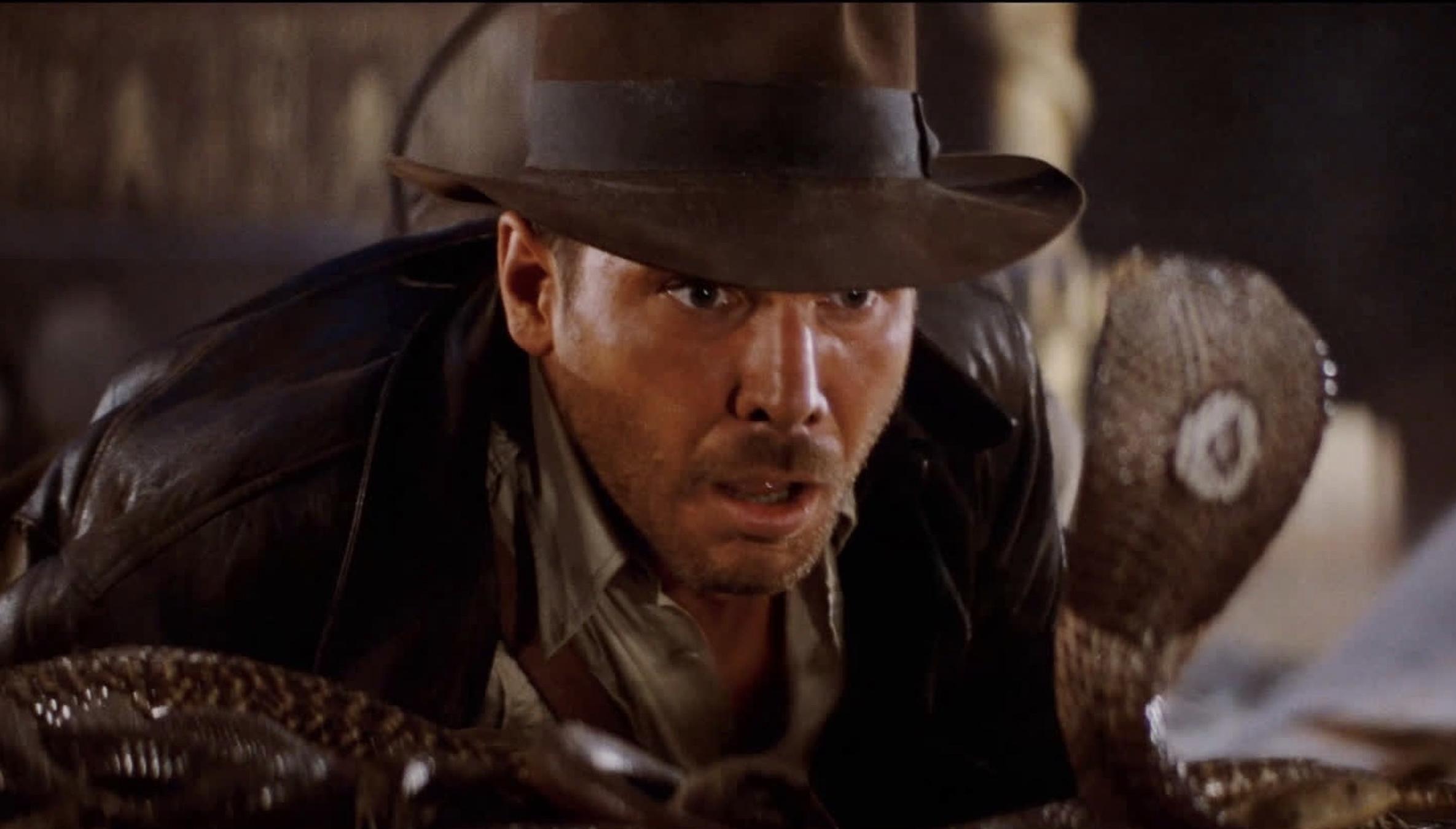
Actor continuity is the practice of ensuring that a performer’s appearance, physical actions, and emotional state remain consistent across different takes and camera angles within a single scene. This meticulous process prevents visual jarring or logical errors when various shots are edited together to form a seamless narrative sequence.
In the fast-paced world of 2026 film production, where high-definition 8K captures and immersive formats leave no room for error, actor continuity remains a cornerstone of the "suspension of disbelief." When an audience watches a scene, they expect the world to behave logically. If a character’s hair is tucked behind their ear in a wide shot but hanging loose in a close-up—or if a drink magically refills itself between cuts—the immersion is broken. Maintaining this consistency is a collaborative effort involving the actor, the script supervisor, and various department heads.
The Role of the Script Supervisor: The Guardian of Consistency
While every department has a hand in continuity, the primary responsibility lies with the script supervisor, often referred to on set as the "Scripty." This individual acts as the editor’s eyes and ears on the filming floor. They maintain a detailed continuity log that tracks every take, noting lens sizes, camera height, and, most importantly, the specific movements and appearances of the actors.
In modern 2026 workflows, script supervisors utilize advanced digital logging software integrated with the camera’s metadata. This allows for instant side-by-side comparisons between the current take and previous "master" shots. The script supervisor monitors "matching" issues, such as which hand an actor used to open a door or exactly which word in a sentence triggered a specific gesture. Without this rigorous oversight, the post-production team would find it nearly impossible to cut between different angles without creating "jump cuts" or continuity errors.
Categorizing the Dimensions of Actor Continuity
Actor continuity is not a singular concept but a multi-layered discipline. To manage it effectively, production teams divide it into several distinct categories. Each requires a different set of eyes and a unique strategy for tracking.
Physical Appearance and Wardrobe
This is the most visible form of continuity. It involves the "look" of the actor, including hair, makeup, and costume. If a character is involved in a fight scene, their sweat patterns, blood splatters, and the degree of dishevelment must match perfectly from the beginning of the scene to the end, even if those shots are filmed days apart. Costume designers and makeup artists take "continuity photos" (often with digital tablets in 2026) to ensure that every button, smudge, and hair strand is positioned exactly as it was in the preceding shot.
Physical Action and Prop Handling
This category focuses on what the actor does with their body and the objects around them. If an actor picks up a glass of water on a specific line of dialogue in the wide shot, they must pick up that same glass on the exact same syllable in the close-up. This includes:
- Handedness: Ensuring the actor uses the same hand for gestures or tool use.
- Posturing: Keeping the same lean, slouch, or head tilt across takes.
- Prop State: Tracking the level of liquid in a glass, the length of a burning cigarette, or the amount of food on a plate.
Emotional and Performance Continuity
Perhaps the most difficult to master, emotional continuity ensures that the actor’s energy and psychological state match across coverage. If an actor provides a high-intensity, tearful performance in their close-up but appears stoic or mildly annoyed in the medium shot, the editor cannot cut them together. The actor must "match" their own internal temperature to provide the editor with usable, cohesive material.
The Technical Framework of Continuity Management
To understand how continuity is maintained, one must look at the technical protocols used on a professional set. Below is a comparison of how different continuity elements are tracked and verified.
| Continuity Type | Primary Responsibility | Tracking Method | Key Concern |
|---|---|---|---|
| Visual/Wardrobe | Costume/Wardrobe Dept. | Continuity Photos & Digital Stills | Matching stains, rips, and fabric folds. |
| Grooming | Hair & Makeup Dept. | Face Charts & High-Res Reference | Consistent hair placement and makeup wear. |
| Movement | Script Supervisor | Time-stamped Notes & Video Assist | Coordinating gestures with specific dialogue. |
| Prop State | Property Master | Measurement & Incremental Resetting | Liquid levels, food consumption, and "burn" rates. |
| Spatial | Cinematographer/Director | 180-Degree Rule & Eyelines | Maintaining left-to-right screen direction. |
The Actor’s Responsibility in the Continuity Chain
While the crew provides the safety net, the actor is the one who must execute the performance. Highly skilled "technical actors" are prized in the industry for their ability to repeat complex physical movements identically take after take. This skill allows the director more freedom in the edit and saves thousands of dollars in potential reshoots.
To master continuity, actors often employ specific techniques:
- Anchoring Actions to Dialogue: By tying a physical movement (like sitting down) to a specific word or phrase, the actor creates a mental "trigger" that ensures the timing remains consistent.
- Awareness of "Marks": Actors must hit specific physical spots on the floor (marks) without looking down. If an actor is six inches off their mark, they may be out of focus or blocking another actor’s light, creating a spatial continuity error.
- The "Prop Reset": Actors must learn to reset their props between takes. If a scene involves eating, the actor should try to take small, manageable bites so that the Prop Master can easily replace the food to its original state for the next take.
Common Challenges and "The Consumable Problem"
The most frequent continuity errors occur with "consumables"—items that change state as the scene progresses. Food, beverages, and candles are notorious for causing headaches. If an actor eats a large bite of a sandwich in the "Master Shot," the sandwich must be replaced or reconstructed for the "Coverage" (close-ups) to show the sandwich in its original, whole state at the start of the scene.
Another major challenge is "temporal continuity" in outdoor shoots. As the sun moves across the sky, shadows change length and direction. While this is technically a lighting continuity issue, it affects the actor's performance because they may need to adjust their eyelines to avoid squinting or to stay within the shifting "sweet spot" of the light. In 2026, many productions use LED volumes (Virtual Production) to mitigate this, as the digital sun can be "frozen" in place, allowing the actor and crew to maintain perfect lighting continuity for hours.
Why Continuity Matters: The Psychology of Editing
The ultimate goal of actor continuity is to facilitate the "invisible cut." Film editing relies on the brain's ability to bridge the gap between two different images. If the continuity is perfect, the brain perceives the two shots as a single, continuous flow of time and space.
If there is a continuity error, the brain experiences a "cognitive sneeze." For a fraction of a second, the viewer stops following the story and starts wondering why the character's scarf changed color or why their hand moved from their lap to their chin instantly. This breaks the emotional connection to the character. In the competitive landscape of 2026 media, where audience retention is measured in seconds, maintaining this immersion is vital for a project's success.
Practical Steps for Maintaining High Continuity Standards
For those entering the industry or looking to sharpen their on-set discipline, following a standardized protocol is essential.
- Implement a "Picture Is Up" Check: Before every take, the script supervisor or a dedicated continuity assistant should do a 10-second sweep of the actor’s appearance. Check for stray hairs, crooked collars, or jewelry that has shifted.
- Utilize Video Assist Playback: If there is a dispute about which hand an actor used, don't guess. Review the "Video Assist" (the recorded playback of the previous take).
- Annotate the Script Digitally: Modern script supervisors use tablets to overlay notes directly onto the script, marking exactly where "the glass was raised" or "the door clicked shut."
- Communicate with the Editor: Often, a minor continuity error is acceptable if the performance is superior. The script supervisor must note these "best takes" so the editor knows which errors they might need to hide with clever cutting.
FAQ: Understanding Actor Continuity
Does continuity matter if the performance is incredible?
Yes and no. While a breathtaking performance can sometimes make an audience overlook a minor continuity error, major glitches remain distracting. Editors will always prioritize performance, but they may be forced to use an inferior take if the continuity in the "best" take is so broken that the scene becomes nonsensical.
How do actors handle continuity in improvised scenes?
Improvisation is a nightmare for continuity. In these cases, the script supervisor usually records the first "good" improvised take and asks the actors to replicate those specific new movements and lines for all subsequent angles. This provides a consistent "new" baseline for the scene.
What is a "jump cut" in relation to continuity?
A jump cut occurs when two shots of the same subject are edited together with a slight mismatch in continuity or camera position. It makes the subject appear to "jump" instantly from one position to another, which is usually avoided unless used as a deliberate stylistic choice.
Can AI fix continuity errors in 2026?
By 2026, AI tools have become sophisticated enough to handle minor "fix-it-in-post" tasks, such as smoothing out hair or slightly adjusting the level of liquid in a glass. However, these fixes are expensive and time-consuming. It remains much more cost-effective to get the continuity right on set during the initial filming.
Next Actions for Filmmakers and Performers
To improve actor continuity on your next production, establish a clear "Reference Protocol." Ensure the script supervisor has high-speed access to playback and that the hair/makeup/wardrobe teams are empowered to step in and make adjustments between takes. For actors, practice "blocking awareness"—the ability to perform your emotional beats while remaining consciously aware of your physical interaction with the environment. Continuity is a technical discipline that, when mastered, allows the artistry of the performance to shine without distraction.