Building a career as an actor requires a strategic blend of artistic training, business acumen, and professional networking. To succeed in 2026, actors must navigate a landscape defined by digital self-taping, evolving union protections regarding artificial intelligence, and a highly competitive global market for streaming and theatrical content.
The pursuit of an acting career is rarely a linear path. Unlike many professions with standardized certification processes, the entertainment industry operates on a meritocracy influenced by specialized skills, physical "type," and professional reputation. Whether your goal is the Broadway stage, Hollywood film sets, or voiceover booths for high-end gaming, understanding the structural foundations of the industry is essential for long-term viability.
The Foundational Pathways into Acting
There is no single "correct" way to enter the acting profession, but most successful careers are built on one of two primary foundations: formal academic training or intensive conservatory/studio experience. In 2026, the industry places a high value on "ready-to-work" talent who can handle the technical demands of modern sets.
Formal Education: BFA and MFA Programs
Many actors begin with a Bachelor of Fine Arts (BFA) or a Master of Fine Arts (MFA) in Acting. These programs offer a deep dive into classical and contemporary techniques, movement, and voice. The primary advantage of a university degree is the "showcase"—an event where graduating students perform for agents and casting directors. While a degree is not a prerequisite for work, the rigorous training and the network of alumni often provide a significant head start.
The Studio and Conservatory Route
For those who prefer a more direct, craft-focused approach, private acting studios (such as those teaching the Meisner, Stanislavski, or Strasberg techniques) offer flexible, intensive training. These environments allow actors to focus solely on performance without the general education requirements of a university. In the current market, "On-Camera" specific training has become non-negotiable, as the technical requirements for film and television differ vastly from the stage.
Essential Materials: The Actor’s Professional Toolkit
Before an actor can secure professional representation or land significant auditions, they must possess a suite of marketing materials that meet industry standards. These are your "business cards" in a digital-first environment.
- Professional Headshots: In 2026, the standard remains a high-resolution, color photograph that captures the actor's "type" or "brand." These are not glamour shots; they must look exactly like the actor on a typical day. Casting directors rely on these to fill specific archetypes, so having a "theatrical" (serious/dramatic) and a "commercial" (approachable/smiling) look is the bare minimum.
- The Acting Resume: This document lists credits by category (Film, Television, Theater, etc.), training, and special skills. Special skills—such as fluency in multiple languages, stage combat, or professional-grade singing—often serve as the "tie-breaker" during casting.
- The Demo Reel: A demo reel is a 1-2 minute video compilation of an actor's best on-camera work. For those just starting without professional footage, "speed reels" or high-quality self-taped scenes have become acceptable substitutes to demonstrate ability and screen presence.
Navigating the Audition Ecosystem in 2026
The audition process has undergone a permanent shift. The traditional "open call" where hundreds of actors line up at a theater has largely been replaced by digital submissions and self-tapes.
The Rise of the Self-Tape
Most first-round auditions are now conducted via "self-tape," where the actor records their performance at home and submits it via a casting portal. This requires actors to own—and know how to use—basic production equipment: a neutral backdrop, a high-quality microphone, a ring light or softbox kit, and a 4K-capable camera (often a high-end smartphone). Mastery of the self-tape is a technical requirement for the modern actor; poor lighting or sound can disqualify a great performance before it is even viewed.
Major Casting Platforms
Actors must maintain active, paid profiles on several key platforms to remain visible to casting directors. In the United States, Actors Access and Casting Networks are the industry standards. In the United Kingdom, Spotlight remains the primary gateway for professional work. These sites allow actors to submit themselves for "Breakdowns" (job listings) and host the digital versions of their resumes and reels.
Unions, Agents, and Managers: The Business Side of Acting
As an actor's career progresses, the focus shifts from finding work to managing a brand and protecting labor rights. This involves joining professional guilds and securing representation.
Professional Unions (SAG-AFTRA and Equity)
In the U.S., SAG-AFTRA (Screen Actors Guild - American Federation of Television and Radio Artists) is the labor union representing film and television performers. Membership is a major career milestone, providing access to regulated minimum pay (scale), health insurance, pension plans, and protections against the unauthorized use of an actor's digital likeness by AI. In the UK, the equivalent is Equity. While non-union work exists, union membership is generally required for high-budget studio and network productions.
Agents vs. Managers
While both roles involve career advancement, they serve different functions. An agent is licensed by the state and primarily focused on finding work, negotiating contracts, and collecting a 10% commission. A manager takes a broader view of the actor's career, focusing on branding, long-term strategy, and coordination between different departments (publicity, legal, etc.), typically for a 15% commission.
| Feature | Talent Agent | Talent Manager |
|---|---|---|
| Primary Goal | Securing auditions and negotiating contracts. | Career guidance and overall brand strategy. |
| Regulation | Regulated/licensed by the state and unions. | Unregulated; may work for a management firm. |
| Commission | Capped at 10% (standard union rule). | Usually 15% (no legal cap). |
| Legal Power | Can legally "procure" employment. | Focuses on advice; procurement is legally gray. |
| Client Volume | Typically handles a large roster of talent. | Handles a small, select group of talent. |
Understanding Career Specializations
The acting world is fragmented into several distinct niches, each requiring a different skill set and approach to career development.
- Film and Television: This is often the most lucrative path. It requires "small" acting—meaning the camera catches every micro-expression. Actors in this field must understand technical aspects like "hitting marks" and "eye lines."
- Theater: From Broadway to regional houses, theater requires vocal projection and the ability to sustain a performance for two hours in front of a live audience. Physical stamina is paramount, as performers often work eight shows a week.
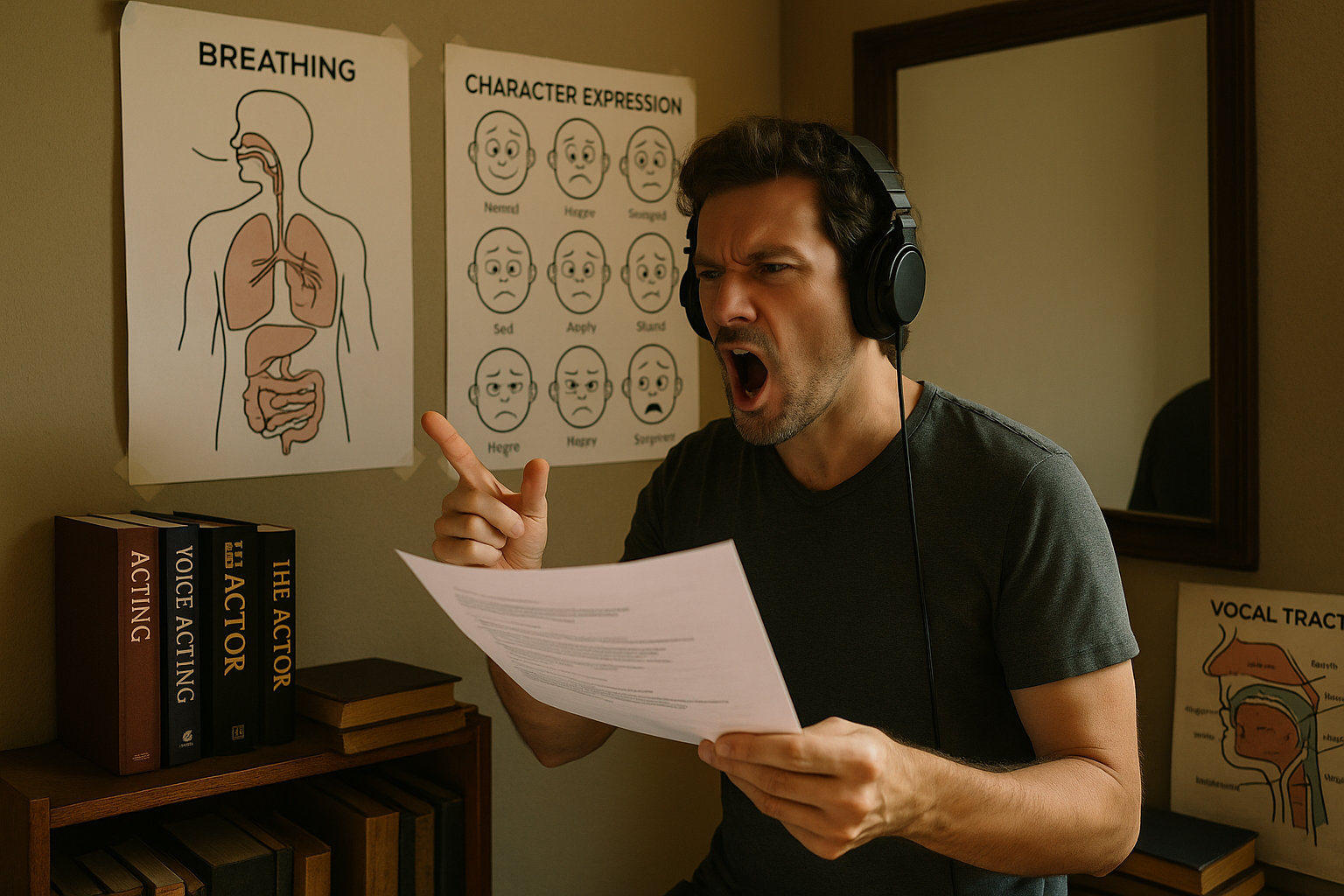
- Voiceover (VO): In 2026, the VO market is booming due to the growth of animation, audiobooks, and AAA video games. Successful VO actors often have home studios and specialized training in "mic technique."
- Commercials: Commercial acting is often a "bread and butter" income source for many professionals. It relies heavily on "type" and the ability to convey a specific emotion or brand message in 15 to 30 seconds.
- Motion Capture (MoCap): With the integration of acting and game design, MoCap has become a specialized career path. It requires a background in movement, dance, or athletics to bring digital characters to life.
Financial Realities and Career Longevity
One of the most challenging aspects of an acting career is its financial unpredictability. Income is often sporadic, consisting of "day player" rates, residuals (payments for rebroadcasts), and the occasional large contract.
The "Survival Job" and Side Hustles
In 2026, the concept of the "starving artist" is being replaced by the "entrepreneurial actor." Most actors maintain secondary income streams that offer flexibility. Common choices include remote digital work, teaching, or fitness coaching. The goal is to find a "survival job" that allows for sudden absences to attend last-minute auditions or film shoots.
Taxes and Expenses
Actors are essentially small businesses. Expenses such as headshots, classes, union dues, and travel to sets are often tax-deductible (depending on local jurisdiction laws). Maintaining meticulous records is essential for financial survival, especially since actors often receive dozens of different W-2 or 1099 forms (in the U.S.) in a single tax year.
The Role of Resilience
Longevity in acting is as much about mental health as it is about talent. The industry is characterized by frequent rejection. Successful actors build support systems and continue to train even when they are not working, ensuring they are prepared for the moment opportunity meets preparation.
Frequently Asked Questions
Do I need to move to Los Angeles or New York to start an acting career?
While LA and New York remain the primary hubs for film and theater respectively, they are no longer the only options. Significant "production hubs" have emerged in cities like Atlanta, Vancouver, London, and Albuquerque. In 2026, many actors begin their careers in these regional markets to build their resumes before moving to the major hubs.
Is it too late to start an acting career if I am over 30 or 40?
No. Casting directors always need actors of all ages to play realistic characters. Many successful actors, such as Kathryn Hahn or Samuel L. Jackson, achieved their greatest success later in life. The industry requires "types" for every age bracket, from children to seniors.
How do I know if an acting class or agent is a scam?
In the professional industry, legitimate agents and managers do not charge "upfront fees" to represent you. They earn money only when you earn money, via commission. If a company asks for "registration fees," "website fees," or requires you to use their specific photographer, it is likely a scam.
Does social media following matter for acting careers in 2026?
While "influencer" status can help in specific commercial or reality TV niches, most casting directors for serious film and television still prioritize talent and training. However, having a professional online presence where you share your work can act as a secondary portfolio and help you network with filmmakers.
What is a "Day Player" role?
A day player is an actor hired on a daily basis for a small role in a production. These roles usually involve a few lines and are often the first step for actors to earn their union eligibility and build professional set experience.
Strategic Next Actions for Aspiring Actors
To move from an enthusiast to a professional, you should focus on a phased approach. First, enroll in a reputable on-camera acting class to ensure your skills are sharp and to network with peers. Second, invest in professional headshots that accurately reflect your current look. Third, create profiles on major casting platforms and begin submitting yourself for student films or low-budget independent projects to build a demo reel. Once you have a solid reel and resume, you can begin the process of "shopping" for a talent agent by submitting your materials to boutique agencies that represent developmental talent.