A professional actor career profile involves a strategic combination of formal training, marketing materials, and industry networking. In 2026, success requires mastery of traditional performance techniques alongside technical proficiency in self-taping and digital presence. Actors must navigate various tiers of production, from independent streaming projects to major studio motion-capture environments, while managing the business aspects of their personal brand.
The Evolution of the Actor Career Profile in 2026
The landscape of the acting profession has undergone significant shifts by 2026, driven largely by the integration of advanced technologies and the globalization of streaming content. An actor’s profile is no longer defined solely by stage or screen presence; it encompasses a multifaceted digital identity. Virtual production, often utilizing LED "Volume" stages, has become a standard in both television and film. This requires actors to possess a high degree of spatial awareness and the ability to interact with environments that are partially or entirely digital.
Furthermore, the "hybrid" career model is now the norm. Actors frequently pivot between live theater, voice-over for interactive media, and on-camera roles. The career profile of a modern performer emphasizes adaptability. With the rise of AI-assisted casting tools, maintaining an accurate and data-rich professional profile on industry-standard platforms is mandatory. These platforms now use metadata from an actor’s past performances and training to match them with specific character breakdowns, making the precision of one's resume more critical than ever.
Core Educational Foundations and Training Pathways
While natural talent is a prerequisite, the professional actor career profile is almost always backed by rigorous training. In 2026, the educational path is less about a single degree and more about continuous, specialized skill acquisition.
Academic and Conservatory Programs
Many actors begin with a Bachelor of Fine Arts (BFA) or Master of Fine Arts (MFA) in Acting. These programs provide a deep dive into classical techniques, such as Stanislavski, Meisner, and Chekhov. However, modern conservatories have updated their curricula to include "Acting for the Camera" and "Business of Acting" modules. These additions ensure that graduates understand how to frame a performance for a close-up and how to manage their taxes as independent contractors.
Specialized Technical Training
Beyond traditional scene study, specialized skills often differentiate a candidate in a crowded casting field.
- Motion Capture (Mo-Cap) and Performance Capture: As gaming and VFX-heavy films dominate the market, actors trained in the physical nuances of Mo-Cap are in high demand. This requires an understanding of how physical movements translate to digital skeletons.
- Voice and Dialect Coaching: The ability to perform in multiple accents or provide high-quality voice-over work for animation and AI-voice synthesis is a lucrative secondary stream for many actors.
- Stage Combat and Stunt Coordination: Certified training in unarmed combat or basic weaponry (rapier, dagger, firearm safety) is essential for action-heavy roles and ensures safety on set.
Essential Tools for the Professional Actor
To be viewed as a professional by casting directors and agents, an actor must maintain a specific set of marketing "collateral." These tools serve as the first point of contact between the talent and the industry.
The Modern Headshot
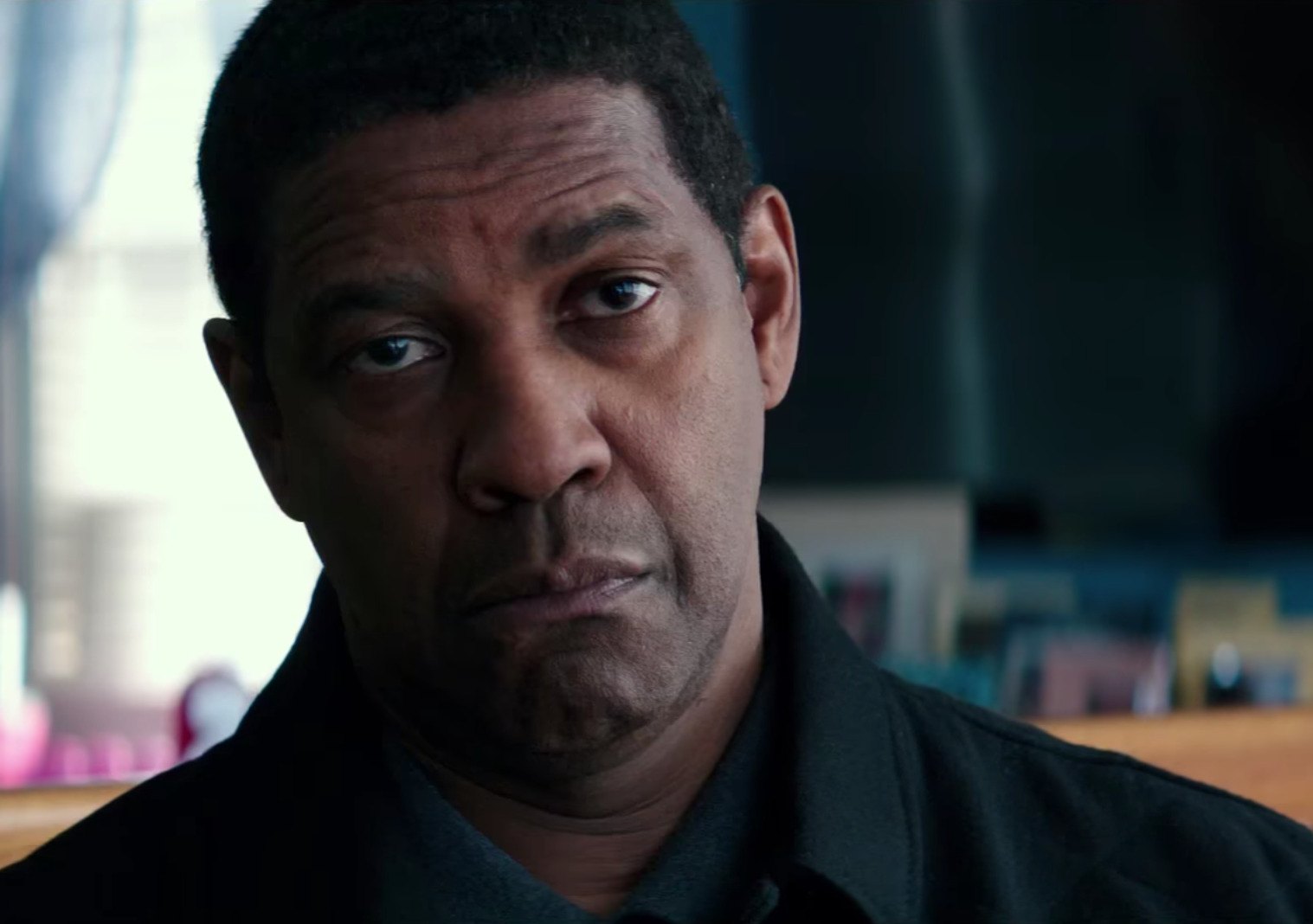
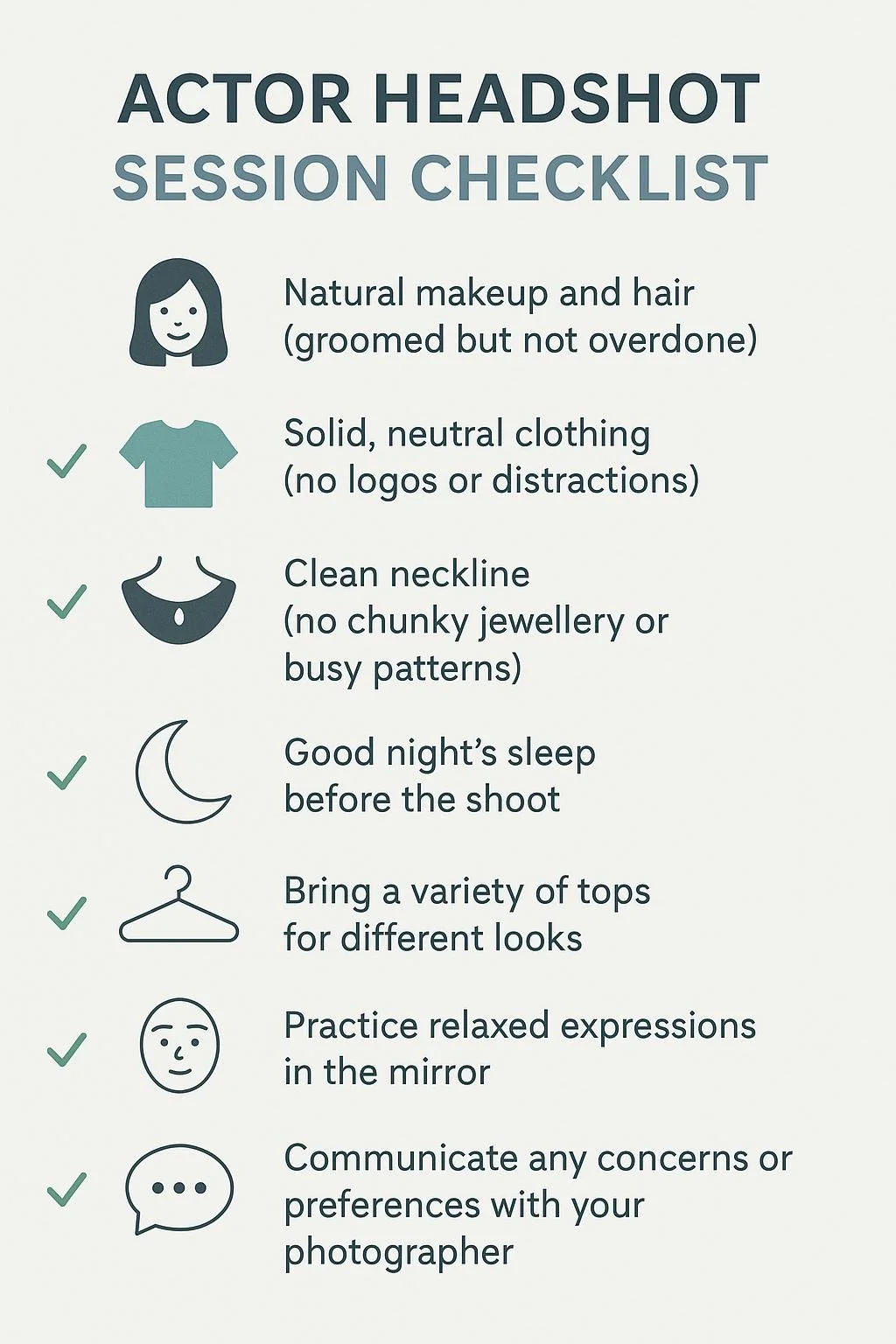
In 2026, the headshot remains the most vital piece of the profile, but the standards have evolved. Actors are expected to have a "lookbook" of 3-5 distinct shots that represent different "types" (e.g., the corporate executive, the gritty antagonist, the approachable neighbor). These photos must be high-resolution, color-corrected, and reflect the actor's current physical appearance exactly.
The Digital Demo Reel
A demo reel is a 60-to-90-second compilation of an actor's best filmed work. By 2026, the "micro-reel" has become popular—short, 15-second clips categorized by genre (Comedy, Drama, Action) that casting directors can quickly scroll through. If an actor does not yet have professional footage, high-quality "self-tape" scenes produced with professional lighting and sound are acceptable substitutes.
Casting Platform Profiles
Active profiles on platforms like Actors Access, Casting Networks, and Spotlight (for UK-based actors) are non-negotiable. These profiles must be kept current with recent credits, physical measurements, and "special skills" like horseback riding, fluency in other languages, or musical instrument proficiency.
Navigating the Casting Process and Industry Unions
The process of securing work is a structured cycle of submissions, auditions, and negotiations. In 2026, the vast majority of first-round auditions are conducted via "self-tapes," where actors film themselves at home and submit the files digitally.
The Role of Unions (SAG-AFTRA and Equity)
Labor unions play a critical role in the actor career profile by setting minimum wage scales, ensuring safe working conditions, and managing health and pension benefits. In the United States, SAG-AFTRA (Screen Actors Guild - American Federation of Television and Radio Artists) is the primary union for screen and radio performers. Membership is often seen as a milestone in an actor’s career, signifying that they have reached a professional level of employment. Union contracts in 2026 include specific protections regarding the use of an actor's digital likeness and AI-generated performances.
Understanding the Casting Hierarchy
Actors rarely move straight to lead roles in major features. The career typically progresses through several tiers of roles, each building the actor's "quote" (their standard pay rate) and reputation.
| Role Type | Description | Union Minimums (Approx. 2026) |
|---|---|---|
| Background (Extra) | Non-speaking roles that flesh out a scene. | $200 - $250 per day |
| Co-Star | Small speaking roles, often one or two scenes in a TV episode. | $1,200 - $1,500 per day |
| Guest Star | Significant roles in a single episode, often driving a subplot. | $6,000 - $10,000 per episode |
| Recurring | Characters who appear in multiple episodes across a season. | Negotiable (Per episode basis) |
| Series Regular | Main cast members appearing in most or all episodes. | $35,000+ per episode (Entry level) |
| Lead (Feature) | The primary character in a film. | Varies by budget (Scale to Millions) |
The Business of Acting: Representation and Brand Management
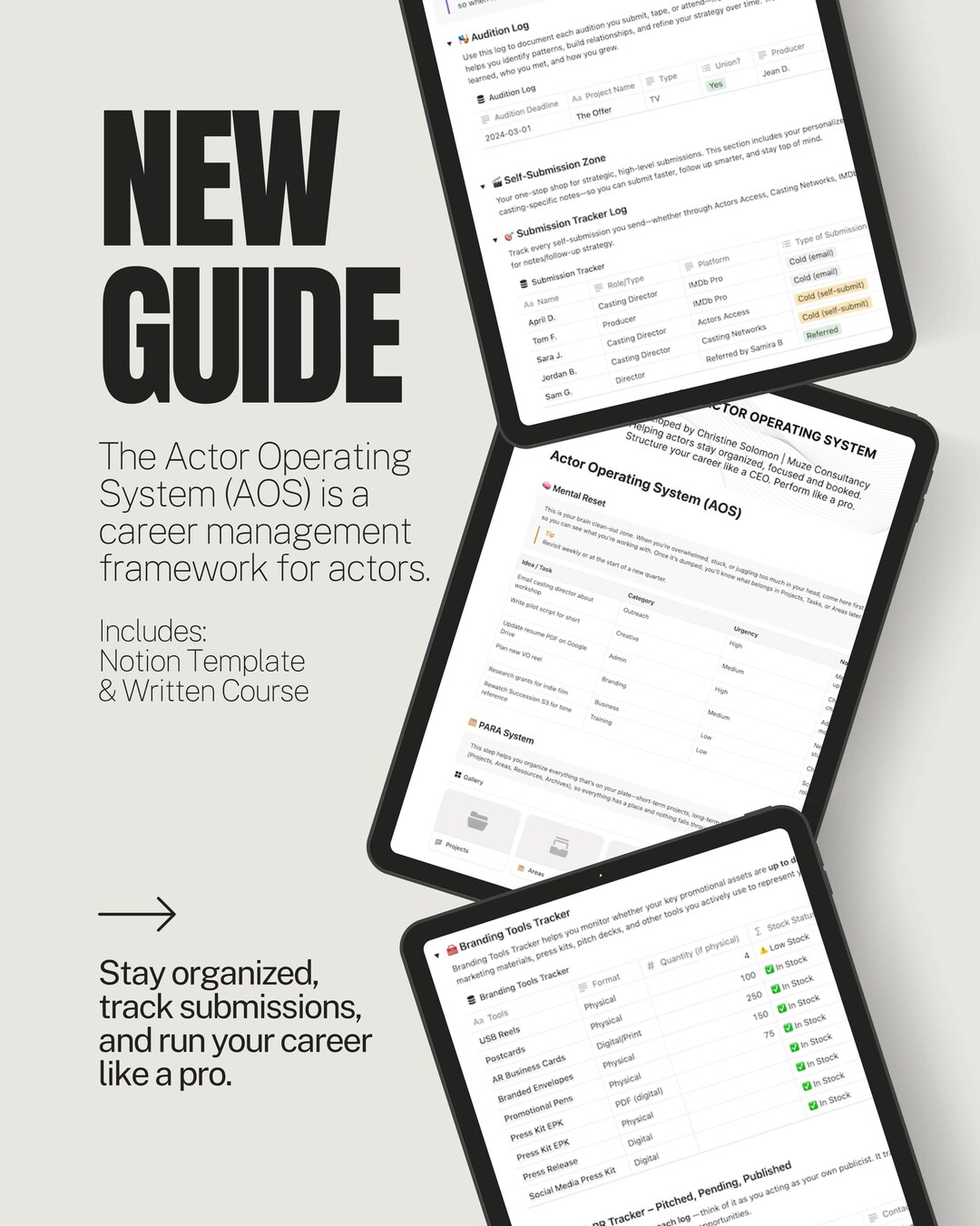
An actor is essentially a small business. While the performance is the product, the management of that product determines long-term viability.
Agents vs. Managers
Most successful actors have a team behind them. Talent Agents are primarily focused on finding auditions and negotiating contracts. They take a standard 10% commission on the actor’s earnings. Managers take a broader view of the actor’s career, providing guidance on branding, image, and long-term goals, usually for a 10-15% commission. By 2026, many actors also employ specialized "Digital Managers" to handle their social media presence and brand partnerships.
Financial Management and Taxes
Because actors are typically "1099" independent contractors or "Loan-Out" corporations, financial literacy is paramount. Professional actors must track all business expenses, including classes, headshots, union dues, and even gym memberships, as these are often tax-deductible. Many actors in 2026 utilize specialized accounting software designed for the entertainment industry to manage the feast-or-famine nature of residual checks and project-based pay.
Managing Long-Term Career Sustainability
The actor career profile is not a sprint; it is a marathon of endurance and mental fortitude. The industry is characterized by frequent rejection, making psychological resilience as important as acting technique.
Diversifying Income Streams
Total reliance on acting work can be financially risky. Many professional actors in 2026 diversify by teaching acting, producing their own independent content, or working in related fields like corporate communications training. The rise of "user-generated content" (UGC) has also allowed actors to use their performance skills to create advertisements for brands on social platforms, providing a steady income between acting gigs.
Networking and Community
The "hidden job market" in acting is vast. Many roles are cast through personal recommendations before they ever reach a casting site. Attending industry mixers, film festivals, and play readings is essential for building the relationships that lead to these opportunities. A professional actor’s reputation—being punctual, prepared, and easy to work with—is their most valuable asset.
Professional Development FAQ
How do I join SAG-AFTRA in 2026?
Joining the union typically requires proof of employment. You can become "SAG-eligible" by being hired for a principal role in a union production or by working as a background actor for a specific number of days (usually three) under a union contract. Once eligible, you must pay an initiation fee and annual dues.
Is a college degree necessary for an acting career?
A degree is not legally required, but the training and networking opportunities provided by a reputable BFA or MFA program are invaluable. However, many successful actors substitute a degree with years of study at private studios and conservatories focused specifically on performance technique.
What equipment do I need for a home self-tape studio?
A basic professional setup in 2026 includes a 4K-capable camera (modern smartphones are often sufficient), a neutral backdrop (grey or blue is standard), a ring light or three-point LED lighting kit, and a shotgun or lavalier microphone to ensure clear audio.
How do I find a talent agent?
Actors typically find agents by submitting their headshot, resume, and reel through the agent's official website or via a referral from a teacher or fellow actor. Showcasing your work in "agent showcases" or at reputable theater performances is also a common way to get noticed.
Developing Your Strategic Career Roadmap
To build a sustainable actor career profile, you must treat your craft with the same discipline as any other high-level profession. Start by securing high-quality, specialized training that aligns with current industry demands, such as performance capture or on-camera technique. Simultaneously, assemble a professional marketing kit—headshots, reels, and digital profiles—that accurately reflects your "brand" and casting type.
As you progress, focus on building a network of collaborators rather than just looking for the next job; directors and writers who know your work are your best path to consistent employment. Finally, maintain your union status and stay informed about the evolving legal protections regarding digital rights and AI. By balancing artistic excellence with proactive business management, you can navigate the complexities of the entertainment industry in 2026 and beyond.