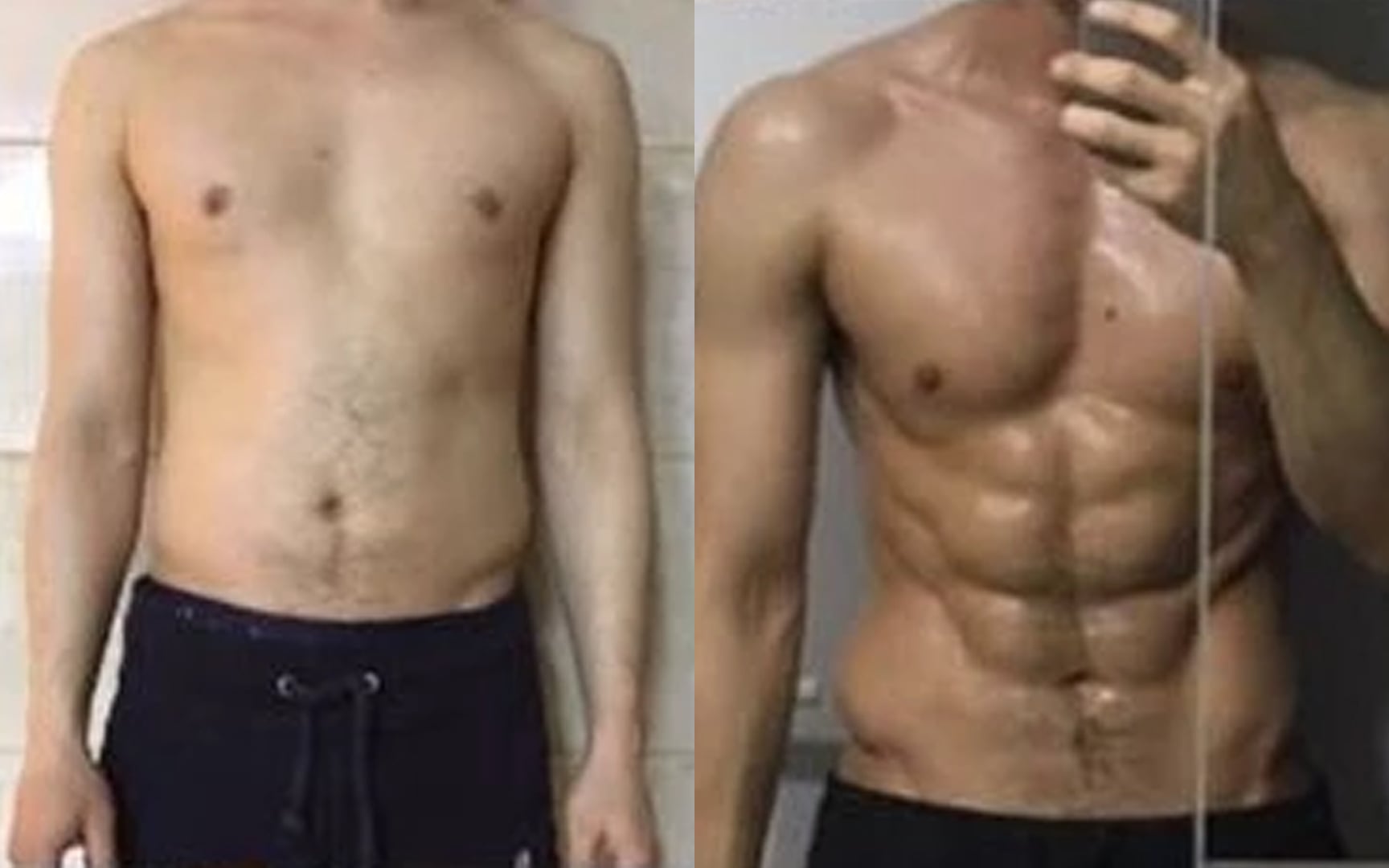
Actor body image involves the complex relationship between a performer’s self-perception and the rigid physical requirements of the entertainment industry. It is shaped by casting standards, extreme role-based transformations, and constant public scrutiny. Navigating these pressures requires balancing professional marketability with sustainable health practices, psychological support, and a clear understanding of industry safeguards.
The Historical Evolution of the "Ideal" Body in Performance
The expectations placed on an actor’s physique have undergone significant shifts since the dawn of cinema. In the Golden Age of Hollywood, the "ideal" was often centered on a specific type of polished elegance. For men, this meant a lean, athletic build reminiscent of a collegiate swimmer; for women, it focused on the "hourglass" silhouette. These standards, while demanding, were largely achievable through traditional diet and exercise. However, as cinematography moved into the high-definition and superhero-dominated eras of the 21st century, the "ideal" shifted toward extremes that often defy natural biology.
By 2026, the industry has reached a crossroads. We see a tension between the "Marvel-ization" of the male physique—characterized by hyper-muscularity and extremely low body fat—and a growing movement toward body neutrality and diversity. Despite the rise of inclusive casting, the professional pressure to maintain a specific aesthetic remains a primary concern for actors at all levels of the industry. The "camera weight" phenomenon, where lenses and lighting can alter the perception of size, continues to drive performers toward weights that may be medically underweight or unsustainable.
The Physical Toll of Role-Based Transformations
One of the most celebrated aspects of "method" acting is the physical transformation. Actors who lose or gain significant weight for a role often receive critical acclaim and awards, but these shifts come at a high physiological cost. Rapid weight fluctuations can lead to long-term metabolic damage, cardiovascular strain, and hormonal imbalances.
The industry’s fascination with "extreme" transformations often overlooks the dangerous methods used to achieve them. For instance, the practice of "dehydrating" to achieve muscle definition for shirtless scenes—a common technique in action cinema—can lead to kidney stress and fainting on set. In 2026, medical consultants and union representatives are increasingly vocal about the need for "Wellness Riders" in contracts to ensure that such transformations are supervised by licensed nutritionists and physicians rather than unqualified "transformation coaches."
Common Transformation Risks and Physiological Impacts
| Transformation Type | Common Methods Used | Potential Short-Term Risks | Long-Term Health Concerns |
|---|---|---|---|
| Rapid Weight Loss | Extreme caloric deficit, excessive cardio | Fatigue, fainting, loss of muscle mass | Metabolic adaptation, bone density loss |
| Rapid Muscle Gain | Bulking cycles, high protein, "supplements" | Digestive issues, joint strain | Liver/kidney stress, hormonal disruption |
| Peak Definition | Water fasting, sodium manipulation | Dehydration, electrolyte imbalance | Cardiovascular strain, renal impairment |
| Yo-Yo Dieting | Repeated gain/loss for sequels | Irritability, sleep disturbances | Permanent metabolic slowing, gallstones |
Gender-Specific Pressures and the Casting Room
While body image issues affect all performers, the specific pressures often diverge along gender lines. For female actors, the "thin ideal" remains pervasive, particularly for leading roles. This is often compounded by the pressure to maintain a youthful appearance, leading to a reliance on cosmetic procedures and restrictive eating patterns. The "post-baby body" narrative also places immense pressure on female performers to return to their pre-pregnancy weight in unrealistic timeframes to remain "marketable."
For male actors, the pressure has shifted from being "fit" to being "shredded." The rise of the hyper-masculine hero has made it nearly impossible for many actors to secure action roles without achieving a level of muscularity that historically was reserved for professional bodybuilders. This has led to an increase in the use of performance-enhancing drugs (PEDs) within the industry, often off the record, to meet studio deadlines for physique readiness.
In 2026, casting directors are under more scrutiny regarding their feedback. Terms like "needs to be more toned" or "not quite the right look" are being recognized as coded language that can trigger disordered eating. Organizations like SAG-AFTRA have begun implementing guidelines to ensure that physical requirements for roles are essential to the character and that actors are not penalized for their natural body types.
The Psychological Impact: Dysmorphia and the Digital Lens
The acting profession is inherently tied to being observed. This constant self-observation, exacerbated by high-definition monitors and social media, frequently leads to Body Dysmorphic Disorder (BDD). BDD is characterized by an obsessive focus on perceived flaws in appearance that are not visible to others. For an actor, whose "flaws" are literally discussed in production meetings or critiqued by audiences online, this condition can become debilitating.
The digital landscape of 2026 adds another layer of complexity. Actors are no longer just performers; they are brands. Their social media presence often requires a curated, "perfect" image that must be maintained 24/7. This "always-on" aesthetic pressure means there is no "off-season" for the body. The psychological toll of this constant surveillance can lead to chronic anxiety, depression, and a loss of identity outside of one’s physical appearance.
Recognizing the Warning Signs of Disordered Eating
Actors must be vigilant about the signs of disordered behavior, which often disguise themselves as "professional discipline." These signs include:
- Preoccupation with "clean" eating to the point of social isolation (Orthorexia).
- Compulsive exercise, even when injured or exhausted.
- Checking one's reflection or "body checking" multiple times an hour.
- The use of diuretics, laxatives, or unverified supplements to "drop water weight."
- Extreme anxiety when unable to follow a strict meal plan while on location.
The Role of Modern Safeguards and Wellness Riders
As awareness of these issues grows, the industry is beginning to adopt safeguards. One of the most significant developments is the inclusion of "Wellness Riders" in talent contracts. Similar to intimacy coordinators, wellness coordinators are professionals who advocate for the physical and mental health of the actor during production. They ensure that the actor has access to healthy meals, adequate rest, and mental health support, especially when a role requires a physical change.
Furthermore, the conversation around "Actor Body Image" has moved from the shadows into the public eye. More high-profile actors are speaking openly about the unrealistic nature of their movie physiques, admitting to the specialized chefs, trainers, and lighting tricks used to create the final product. This transparency is crucial for breaking the cycle of shame for younger performers who may feel they are "failing" because they cannot achieve those results on their own.
Strategies for Maintaining Body Neutrality in the Industry
Navigating a career in acting without sacrificing mental health requires a proactive approach. Actors who successfully manage their body image often employ several key strategies:
- Establishing a "Home Base" Weight: Instead of constantly chasing a "casting weight," actors should identify a weight where their body functions optimally, they have high energy, and their mental health is stable.
- Diverse Professional Identity: Investing in craft—such as voice work, writing, or directing—can help detach an actor's self-worth from their physical appearance.
- Critical Media Literacy: Understanding the technical side of the industry (lenses, lighting, CGI) helps demystify the "perfect" bodies seen on screen.
- Clinical Support: Working with therapists who specialize in eating disorders or the unique pressures of the entertainment industry is becoming a standard part of professional development.
Frequently Asked Questions
Do actors have to use steroids to get the "superhero look"?
While many actors achieve impressive results through dedicated training and nutrition, the tight timelines of film production lead some to use performance-enhancing drugs (PEDs). There is a growing movement in 2026 for more transparency regarding the use of such substances, as they set unrealistic standards for the public and other performers.
How can a young actor handle a casting director asking them to lose weight?
It is important to consult with your agent and review your union's current guidelines. In many jurisdictions, specific weight loss requests must be handled with extreme care. You have the right to ask for a professional nutritionist to be provided by the production if a physical change is a requirement for the job.
Is "body neutrality" different from "body positivity" for actors?
Yes. While body positivity focuses on loving your body regardless of size, body neutrality focuses on what the body does rather than what it looks like. For an actor, this means viewing the body as a "tool for the craft" or an "instrument" rather than an object to be judged.
Can social media filters contribute to body dysmorphia in actors?
Absolutely. Constant use of "beauty filters" can create a distorted "ideal self" that is impossible to replicate in real life or under the harsh lights of a film set. Many actors in 2026 are opting for "filter-free" social media presence to protect their own mental health and set a realistic example for their followers.
Are there specific unions for actor mental health?
While there isn't a separate union, NEDA (National Eating Disorders Association) and the Entertainment Community Fund provide specific resources and support groups for performers dealing with body image and eating disorders.
Protecting Your Instrument: A Practical Path Forward
To protect your well-being in an industry that often prioritizes aesthetics over health, your next action should be the establishment of a "Personal Wellness Protocol." This is a document or a set of boundaries you share with your representation (agents and managers) before pilot season or major casting cycles.
Clearly define what physical transformations you are willing to undergo and which you are not. For example, you might agree to hair changes or muscle toning but draw a hard line at weight fluctuations exceeding 10% of your body mass. By setting these boundaries early, you communicate that while you are a dedicated professional, your "instrument"—your body—requires long-term maintenance and respect. Seek out a community of peers who value talent over "the look," and remember that the most enduring careers are built on versatility and craft, not a fleeting physical trend.