To verify if an actor is currently alive, consult primary entertainment databases like IMDb, major news wire services such as the Associated Press or Reuters, and the actor’s verified social media profiles. Avoid relying on trending hashtags or unverified "breaking news" posts on social media, which are frequently the source of viral death hoaxes.
The fascination with the longevity of Hollywood legends and the status of beloved performers has only intensified in 2026. As digital media cycles move faster than ever, the spread of misinformation regarding the health and status of public figures has become a significant challenge for fans and researchers alike. Distinguishing between a legitimate report and a coordinated hoax requires a systematic approach to digital literacy and source verification.
Reliable Sources for Verifying an Actor's Current Status
In an era of instant information, the first place most people turn to is a search engine. However, the top results can sometimes be manipulated by "death hoax" websites designed to capture search traffic. To ensure you are receiving accurate information regarding whether an actor is alive, you must prioritize high-authority sources that have strict editorial standards.
Entertainment Databases and Industry Registries
The most reliable digital record for any performer is IMDb (Internet Movie Database). When an actor passes away, their profile is updated with a date of death and often a "died at" age within hours of an official announcement. Similarly, the TCM (Turner Classic Movies) database and Playbill (for theater actors) maintain rigorous biographical records. Because these sites are used by industry professionals for casting and credits, their incentive to maintain accuracy is high.
News Wire Services and Legacy Media
Before a death is officially "confirmed," major news outlets wait for a statement from a publicist, a family member, or a coroner’s office. News wires like the Associated Press (AP) and Reuters are the "gold standard." If a major actor has passed away, these services will issue a "Flash" or "Urgent" bulletin. If you see a rumor on social media but cannot find a corresponding article on The Hollywood Reporter, Variety, or The New York Times, the rumor is likely false.
Verified Social Media and Official Representatives
Many veteran actors now maintain a presence on platforms like Instagram or X (formerly Twitter), or have official websites managed by their estates or agencies. A "verified" badge is a strong indicator of authenticity, though not infallible. In 2026, checking the date of an actor's most recent post or a statement from their official representative is often the quickest way to debunk a trending rumor.
Understanding the Rise of Celebrity Death Hoaxes
The "death hoax" is not a new phenomenon, but in 2026, the mechanisms behind these hoaxes have become more sophisticated. Understanding why these rumors start can help you identify them before they cause unnecessary distress.
Algorithmic Exploitation
Social media algorithms prioritize high engagement. A post claiming a beloved actor has died generates massive amounts of shares, comments, and reactions in a very short window. This engagement signals the algorithm to show the post to even more people, creating a feedback loop. Bad actors often use these hoaxes to drive traffic to websites filled with malware or aggressive advertising.
Clickbait and "RIP" Pages
Some Facebook pages and YouTube channels specialize in "tribute" videos for actors who are still very much alive. They use ambiguous titles like "Goodbye, [Actor Name]" or "The Sad End of [Actor Name]," accompanied by black-and-white photos. These are designed to make the viewer believe the person has died, when the content is actually just a retrospective of their career.
The Role of Artificial Intelligence
By 2026, generative AI has made it easier to create fake news clippings or even deepfake videos of news anchors "reporting" a death. This has made verification even more critical. Always look for the original source video on a news organization's official YouTube channel or website rather than a shared clip on social media.
Notable Living Legends of Cinema in 2026
As of 2026, several icons from the Golden Age of Hollywood and the "New Hollywood" era of the 1970s continue to inspire audiences. Monitoring the status of these individuals often requires checking film festival appearances or honorary award announcements.
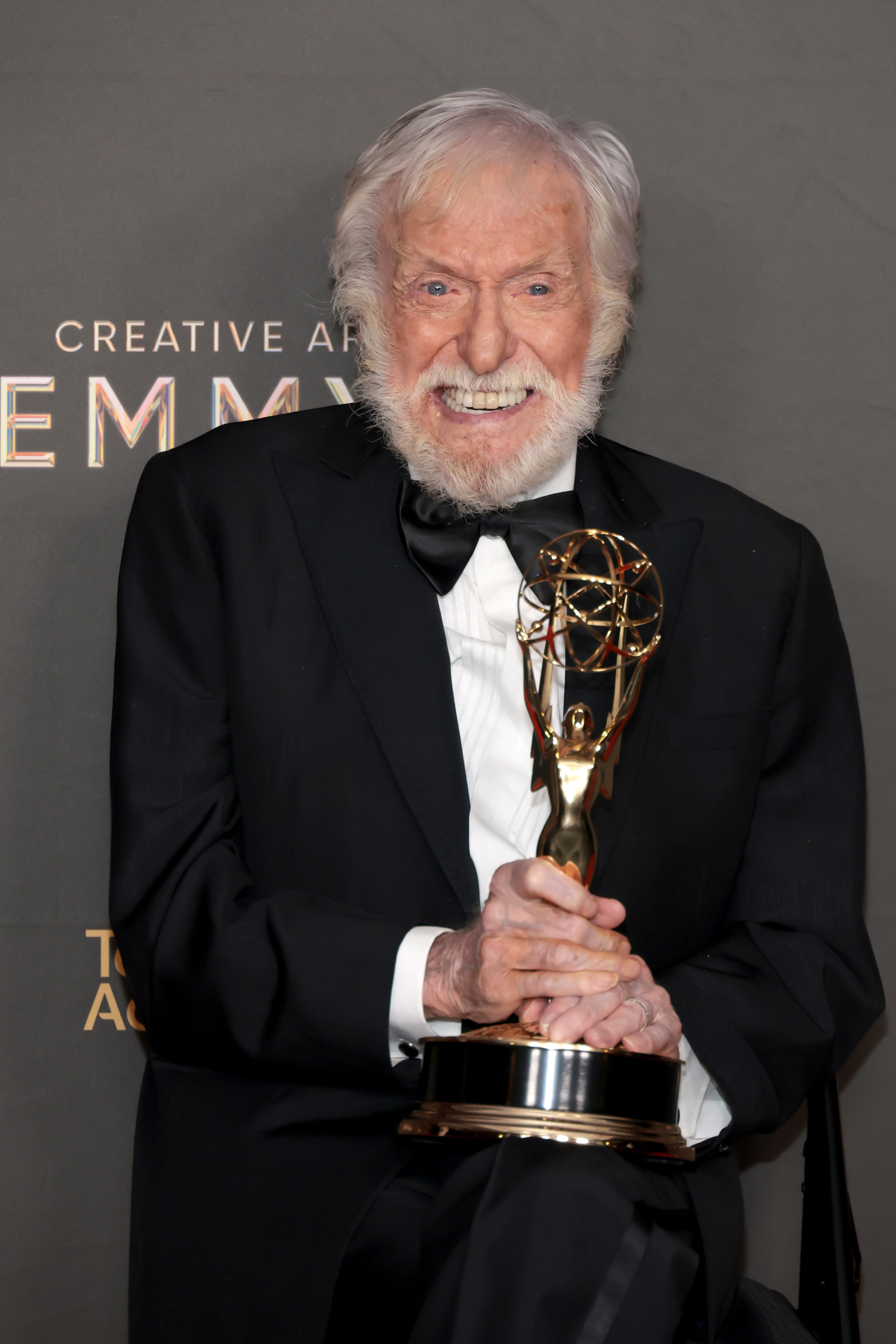
- Dick Van Dyke: Now a centenarian, Van Dyke remains one of the most cherished figures in entertainment. His continued public appearances and occasional performances serve as a testament to his enduring vitality.
- Mel Brooks: Entering his late 90s, the comedy legend continues to be active in production and voice work, often appearing in interviews to discuss the legacy of his classic satires.
- Gene Hackman: Although largely retired from acting, the two-time Oscar winner remains a subject of high interest. Verification of his status usually comes through updates on his second career as a novelist.
- Clint Eastwood: Even in 2026, Eastwood remains a figure of immense productivity, with fans frequently checking for news on his latest directorial projects, which often serve as a confirmation of his active status.
Comparison of Verification Sources for Celebrity Status
When a rumor breaks, not all sources provide information at the same speed or with the same level of detail. The following table compares the typical response times and reliability of various verification methods.
| Source Type | Speed of Update | Reliability Level | Best For |
|---|---|---|---|
| Social Media Trends | Instant | Low | Identifying that a rumor exists. |
| IMDb / Industry Databases | Fast (1-4 hours) | High | Verifying birth/death dates and credits. |
| News Wires (AP/Reuters) | Moderate (Verification first) | Very High | Confirming official news of a passing. |
| Wikipedia | Near-Instant | Moderate (Varies) | Quick overviews, but prone to "edit wars." |
| Official Publicist Statement | Varies | Absolute | The final word on any health or status news. |
The Role of Digital Estates and AI Likeness
A complicating factor in 2026 is the rise of "digital twins" and AI-recreated performances. In some cases, an actor may appear in a new film or commercial despite having passed away years prior. This can lead to confusion among younger audiences about whether an actor is still alive.
Post-Mortem Acting Contracts
Many actors now sign "digital estate" agreements that dictate how their likeness can be used after their death. When you see a "new" performance from a legend like James Dean or Carrie Fisher, it is essential to check the production notes. Most reputable studios will include a disclaimer or a "making of" featurette explaining the use of AI or CGI.
The "Alive" Status in the Metadata
Search engines are increasingly using structured data (Schema markup) to display an actor's status directly in the search results. In 2026, this "Knowledge Graph" is usually accurate, but it can be cached or delayed. If the search snippet says an actor is alive but a social media post says otherwise, trust the structured data from a verified source over the social media post.
How to Handle Celebrity Health Rumors Responsibly
When you encounter news that an actor has passed away or is in ill health, taking a few responsible steps can prevent the spread of misinformation.
- Don't Share Immediately: Wait at least 15 to 30 minutes. If it is a major actor, the "Big Three" (AP, BBC, Reuters) will have the story quickly if it is true.
- Check the Link: Many hoaxes use URLs that look like "cnn-news-report.com" instead of the actual "cnn.com." Always inspect the domain name.
- Look for "Death Denials": Often, when a hoax goes viral, the actor or their representative will issue a "death denial." Searching for "[Actor Name] death denial 2026" can often bring up the truth immediately.
- Analyze the Tone: Legitimate news reports are neutral and factual. Hoaxes often use emotionally charged language, excessive exclamation points, and pleas for "likes" or "prayers."
Frequently Asked Questions
Why do some websites say an actor is dead when they aren't?
Most of these sites are "content farms" that use automated scripts to generate articles based on trending keywords. If people are searching "Is [Actor] still alive?", these sites create a page with a title that suggests they might be dead just to get the click. They prioritize ad revenue over factual accuracy.
Is Wikipedia a reliable source for checking if an actor is alive?
Wikipedia is generally reliable because it requires citations for major life events. However, during the first few minutes of a viral hoax, Wikipedia pages are often "vandalized" by users adding a death date. Always check the "References" section at the bottom of the Wikipedia page to see if a credible news organization is cited.
How can I find out the cause of death if an actor has passed?
If an actor has died, the official cause is usually withheld until a coroner's report is finalized, which can take weeks. Initial reports will usually state "natural causes," "after a long illness," or "suddenly." Be wary of any site claiming to have "secret" or "conspiracy" details about a death immediately after it happens.
Can I trust a "verified" account on social media for this news?
Not implicitly. In 2026, verification badges can sometimes be purchased or accounts can be hacked. Always look for a secondary confirmation from a legacy news outlet before accepting a social media post as fact.
What should I do if I accidentally shared a death hoax?
The best course of action is to delete the post and, if possible, post a correction with a link to a reliable source proving the actor is alive. This helps "clean up" the information ecosystem for your followers.
Recommendations for Staying Informed
To stay accurately informed about the status of your favorite actors, subscribe to newsletters from reputable industry sources like The Hollywood Reporter or Variety. These publications have direct lines to talent agencies and publicists, ensuring that their reports are vetted before publication. Additionally, using a "Fact Check" browser extension in 2026 can help flag known hoax websites in your search results. By maintaining a skeptical eye and relying on established journalistic institutions, you can navigate the complex landscape of celebrity news with confidence.