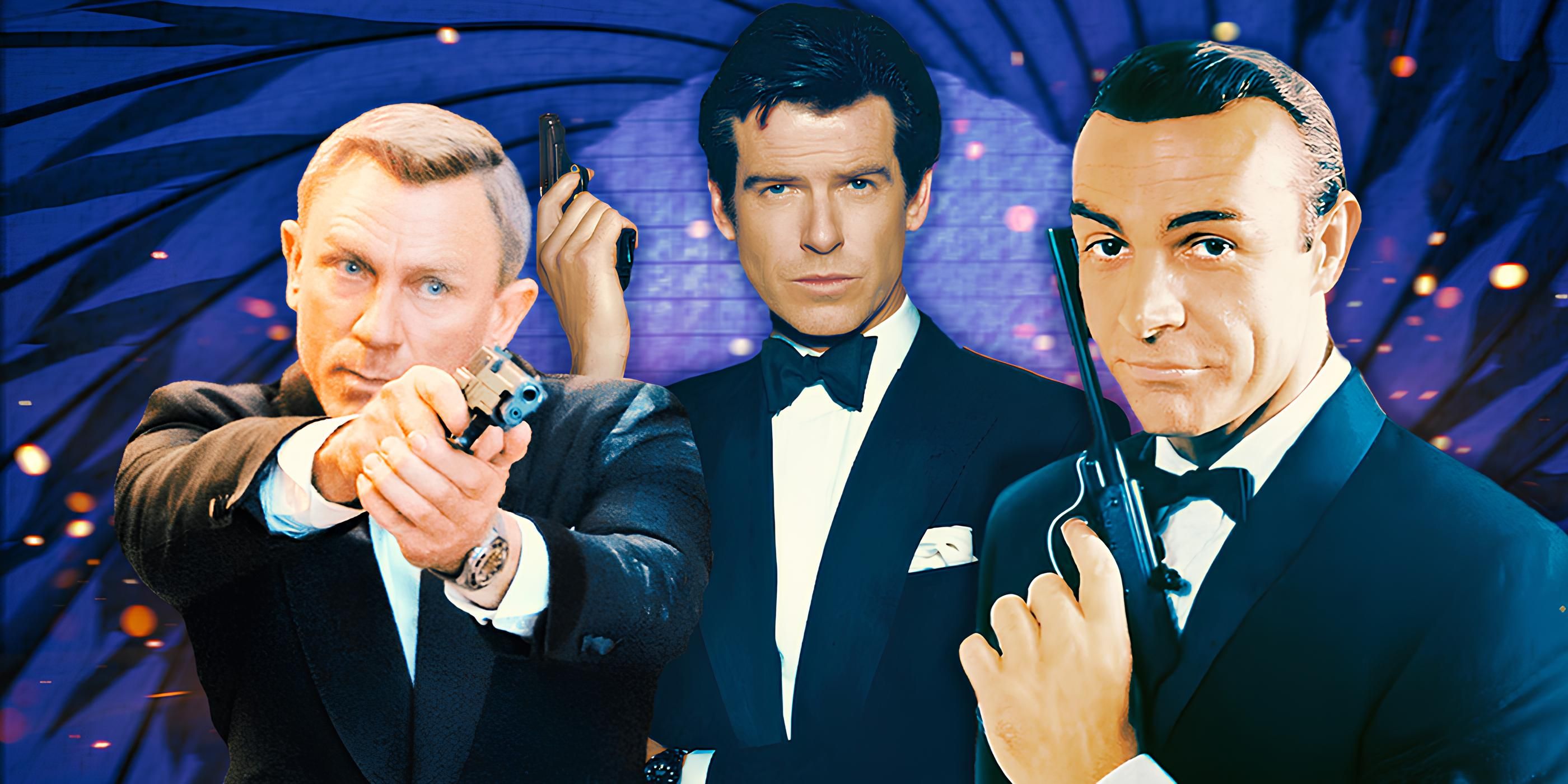
Since the franchise's inception in 1962, six actors have officially portrayed James Bond in the Eon Productions series: Sean Connery, George Lazenby, Roger Moore, Timothy Dalton, Pierce Brosnan, and Daniel Craig. As of 2026, the franchise remains in a high-profile transitional phase as producers seek the seventh actor to redefine the iconic spy.
For over six decades, the role of "Actor 007" has been the most coveted and scrutinized position in global cinema. Playing James Bond is not merely a job; it is a cultural stewardship that requires a unique blend of physicality, sophistication, and the ability to carry a multi-billion-dollar franchise on one's shoulders. Each actor who has stepped into the tuxedo has brought a distinct flavor to Ian Fleming’s creation, reflecting the societal values and cinematic trends of their respective eras.
The Evolution of the 007 Persona
The character of James Bond was born in the pages of Ian Fleming’s novels as a "blunt instrument" of the British government. However, the cinematic interpretation has often diverged from the literary source to meet the demands of the silver screen. The transition between actors is rarely just a change of face; it is a fundamental recalibration of the character’s DNA.
When the search for the first actor 007 began in the early 1960s, the producers were looking for someone who could embody the "gentleman spy" while maintaining a credible threat of violence. This balance has been the North Star for casting directors ever since. Whether it was the playful escapism of the 1970s or the gritty realism of the 2000s, the actor playing 007 must adapt to the zeitgeist while remaining anchored to the core traits of the character: resourcefulness, elegance, and a solitary nature.
Chronological History of Official 007 Actors
The history of James Bond is divided into distinct eras, each defined by the leading man’s interpretation of the role.
Sean Connery (1962–1967, 1971, 1983)
Sean Connery set the gold standard. A former bodybuilder from Scotland, Connery was not the refined aristocrat Ian Fleming initially envisioned, but he brought a "panther-like" grace and a dangerous edge to the role. Beginning with Dr. No (1962), Connery established the essential Bond tropes: the dry wit, the cold-blooded efficiency, and the magnetic charisma. His tenure defined the 1960s spy craze, spanning five consecutive films before his first departure. He returned for Diamonds Are Forever (1971) and later the non-Eon film Never Say Never Again (1983).
George Lazenby (1969)
The casting of George Lazenby remains one of the most daring moves in film history. A male model with no prior acting experience, Lazenby took over for On Her Majesty's Secret Service. While his tenure was short, his sole film is now regarded by critics as one of the best in the series. Lazenby’s Bond was more vulnerable and human, culminating in the character’s only marriage and subsequent tragic loss. Despite being offered a seven-film contract, Lazenby famously walked away from the role on the advice of his agent, believing Bond would be an anachronism in the 1970s.
Roger Moore (1973–1985)
Roger Moore remains the longest-serving Bond by film count, starring in seven official entries. Moore’s portrayal leaned heavily into the "playboy" aspect of the character. He traded Connery’s brutality for raised eyebrows and impeccable tailoring. During the Moore era, the films became larger-than-life spectacles with an emphasis on gadgets and humor. His tenure, beginning with Live and Let Die and ending with A View to a Kill, kept the franchise afloat during a period when the traditional spy thriller was under threat from the rise of sci-fi blockbusters.
Timothy Dalton (1987–1989)
Timothy Dalton brought the franchise back to its literary roots. A classically trained Shakespearean actor, Dalton portrayed Bond as a "reluctant assassin" who was weary of his profession. His films, The Living Daylights and Licence to Kill, were significantly darker and more violent than Moore's. While audiences at the time were somewhat divided by the lack of humor, Dalton’s "gritty" Bond is now seen as the direct precursor to the Daniel Craig era, proving that the character could sustain serious dramatic weight.
Pierce Brosnan (1995–2002)
After a six-year legal hiatus, Pierce Brosnan revitalized the franchise with GoldenEye. Brosnan was often seen as the "perfect" Bond, blending the physicality of Connery, the charm of Moore, and the intensity of Dalton. He successfully navigated the post-Cold War landscape, questioning Bond’s relevance in a world of modern geopolitics. His era was marked by high-octane action and a return to the "Bond formula" that had made the series a global phenomenon.
Daniel Craig (2006–2021)
Daniel Craig’s casting was initially met with skepticism (the "Blonde Bond" controversy), but he ultimately oversaw the most successful commercial period in the franchise’s history. Starting with Casino Royale, Craig provided a hard-reboot of the character, showing Bond’s origins and his evolution into a "00" agent. His five-film arc was the first to feature a continuous narrative thread, ending with the definitive conclusion of his character’s journey in No Time to Die.
Comparative Analysis of Bond Portrayals
To understand the diversity of the role, it is helpful to compare the technical and stylistic elements each actor brought to the screen.
| Actor | Tenure | Films | Key Style | Impact on the Franchise |
|---|---|---|---|---|
| Sean Connery | 1962–1971 | 6 | Rugged & Magnetic | Established the cinematic blueprint for the action hero. |
| George Lazenby | 1969 | 1 | Vulnerable & Athletic | Introduced emotional depth and the concept of a "human" Bond. |
| Roger Moore | 1973–1985 | 7 | Suave & Comedic | Maintained global popularity through humor and escapism. |
| Timothy Dalton | 1987–1989 | 2 | Dark & Literary | Returned the character to the serious tone of the novels. |
| Pierce Brosnan | 1995–2002 | 4 | Sophisticated & Modern | Proved Bond could thrive in a post-Cold War cinema. |
| Daniel Craig | 2006–2021 | 5 | Gritty & Emotional | Modernized the character with high-stakes, serial storytelling. |
The Selection Criteria: What Producers Look For
The process of selecting a new actor 007 is one of the most secretive and rigorous in the film industry. Eon Productions, led by Barbara Broccoli and Michael G. Wilson, follows a specific set of criteria when evaluating candidates.
- The "Ten-Year" Commitment: Being Bond is not a one-off project. Producers typically look for an actor in their late 20s or 30s who is willing to commit to the role for at least a decade. This ensures continuity and allows the actor to grow with the character.
- Physicality and Stunt Capability: While stunt doubles are used, the actor must possess an athletic build and the coordination to perform complex action sequences. The "Bond screen test" famously involves the actor performing a scene from From Russia with Love while shirtless to ensure they possess the necessary physical presence.
- The Commonwealth Requirement: Historically, the actor has always been from the UK or a Commonwealth nation (Ireland and Australia included). While there is no legal rule, it is a tradition that maintains the character’s British identity.
- The "Unknown" Factor: Producers often prefer actors who are not yet "A-list" superstars. This allows the character of James Bond to overshadow the actor's previous roles, ensuring the audience sees the spy rather than the celebrity.
The Search for the Seventh Actor (Status in 2026)
As of 2026, the film industry is in a state of intense anticipation regarding "Bond 26." Since the conclusion of Daniel Craig’s tenure, the producers have been vocal about the fact that they are not just looking for a new actor, but a new "direction" for the franchise.
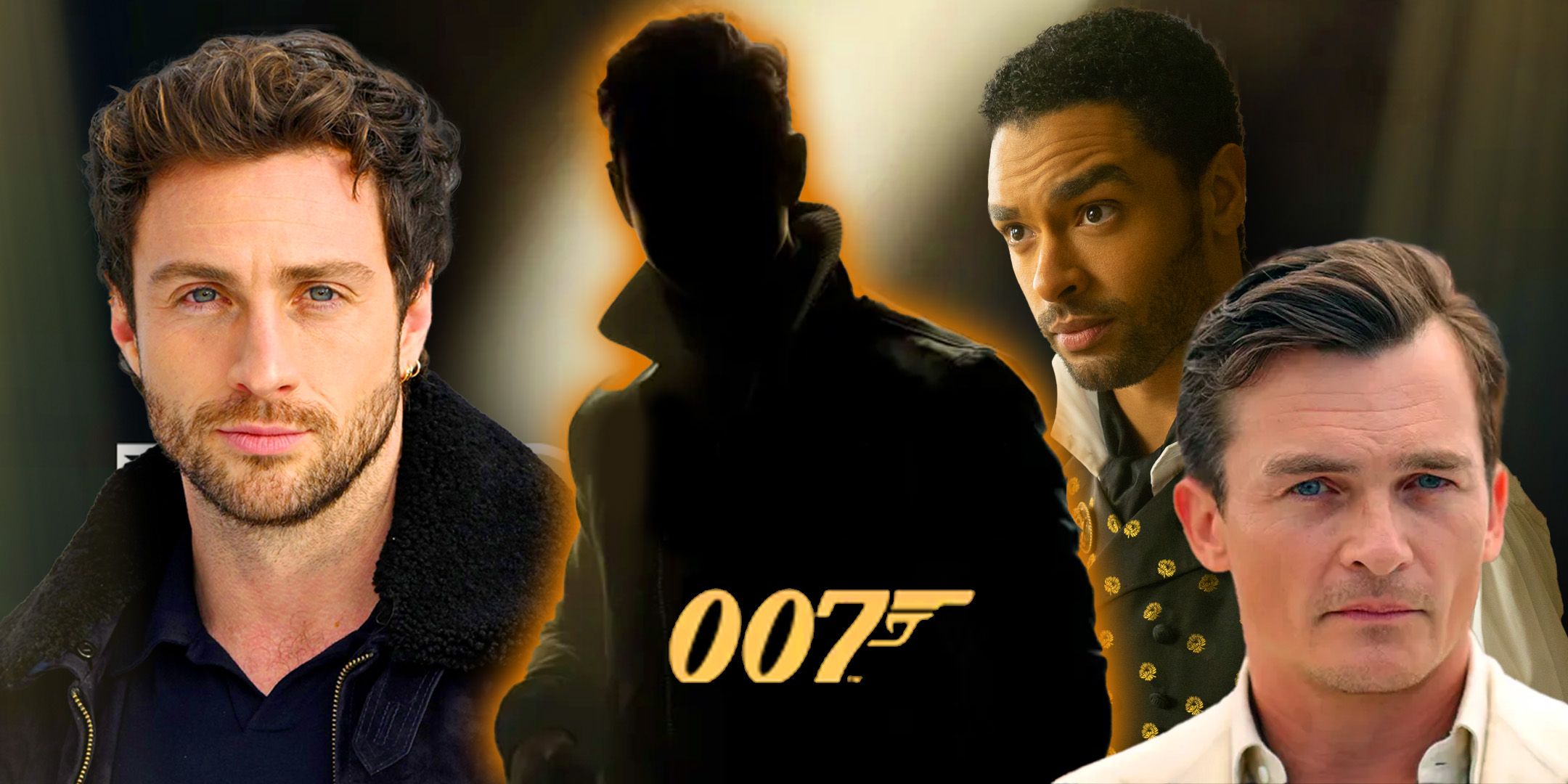
The current landscape involves a significant reinvention. Producers have indicated that the next 007 will likely reflect the modern era's complexities, much like Craig did following the 9/11 attacks. While names such as Aaron Taylor-Johnson, Henry Cavill, and Damson Idris have been frequently cited in media speculation over the past few years, Eon Productions has maintained a strict "no comment" policy. The casting of the seventh actor 007 is expected to be a milestone event, signaling the beginning of a new multi-film cycle that will likely carry the franchise into the 2030s.
Non-Eon Portrayals of James Bond
While the Eon Productions series is considered the official canon, other actors have played James Bond in different contexts.
- Barry Nelson (1954): The very first actor to play James Bond was actually an American. Nelson appeared in a television adaptation of Casino Royale for the anthology series Climax!. He played "Jimmy Bond," an American agent.
- David Niven (1967): In the satirical, non-Eon version of Casino Royale, David Niven played an elder, retired James Bond. Interestingly, Niven was Ian Fleming’s original choice for the role before Connery was cast.
- Christopher Cazenove and Others: Bond has been portrayed in numerous radio plays and stage productions, but these remain outside the mainstream cinematic lineage.
Frequently Asked Questions
Who is the current James Bond actor in 2026?
As of mid-2026, an official successor to Daniel Craig has not yet released a film. The role is currently in the casting and pre-production phase for the 26th James Bond movie. Announcements regarding the new lead are typically made alongside the reveal of the film's director and primary creative team.
Who played James Bond the longest?
Roger Moore holds the record for the most films in the official Eon series, with seven appearances. However, Daniel Craig held the role for the longest chronological period, spanning 15 years between his debut in Casino Royale (2006) and his final film No Time to Die (2021).
Have any Americans played James Bond?
In the official Eon Productions series, no American has ever played 007. Every actor has been British, Irish, or Australian. Barry Nelson, an American, played the character in a 1954 television episode, but this is considered outside the official movie canon.
Why do the actors keep changing?
The change in actors is a necessity of the franchise's longevity. As actors age or move on to other projects, new leads are brought in to keep the character physically capable and relevant to the current generation. This "regeneration" is what has allowed James Bond to survive for over 60 years.
How are the 007 actors chosen?
The selection is made by the heads of Eon Productions. The process involves a series of interviews, screen tests (often involving the famous "towel scene" from From Russia with Love), and a deep assessment of the actor's ability to handle the global press and the physical demands of the role.
Preparing for the Next Era of 007
For fans and scholars of the franchise, the transition to a new actor 007 is an opportunity to revisit the existing library of films. Whether you prefer the classic charm of the 1960s or the serialized drama of the 21st century, the six actors have provided a diverse range of interpretations that ensure James Bond remains cinema's most enduring icon. As we move further into 2026, the focus shifts toward the official announcement of the seventh actor, a moment that will define the cultural landscape of action cinema for the next decade. To stay updated, fans should follow official announcements from Eon Productions and major film trade publications, as the "Bond 26" production cycle begins to take shape.