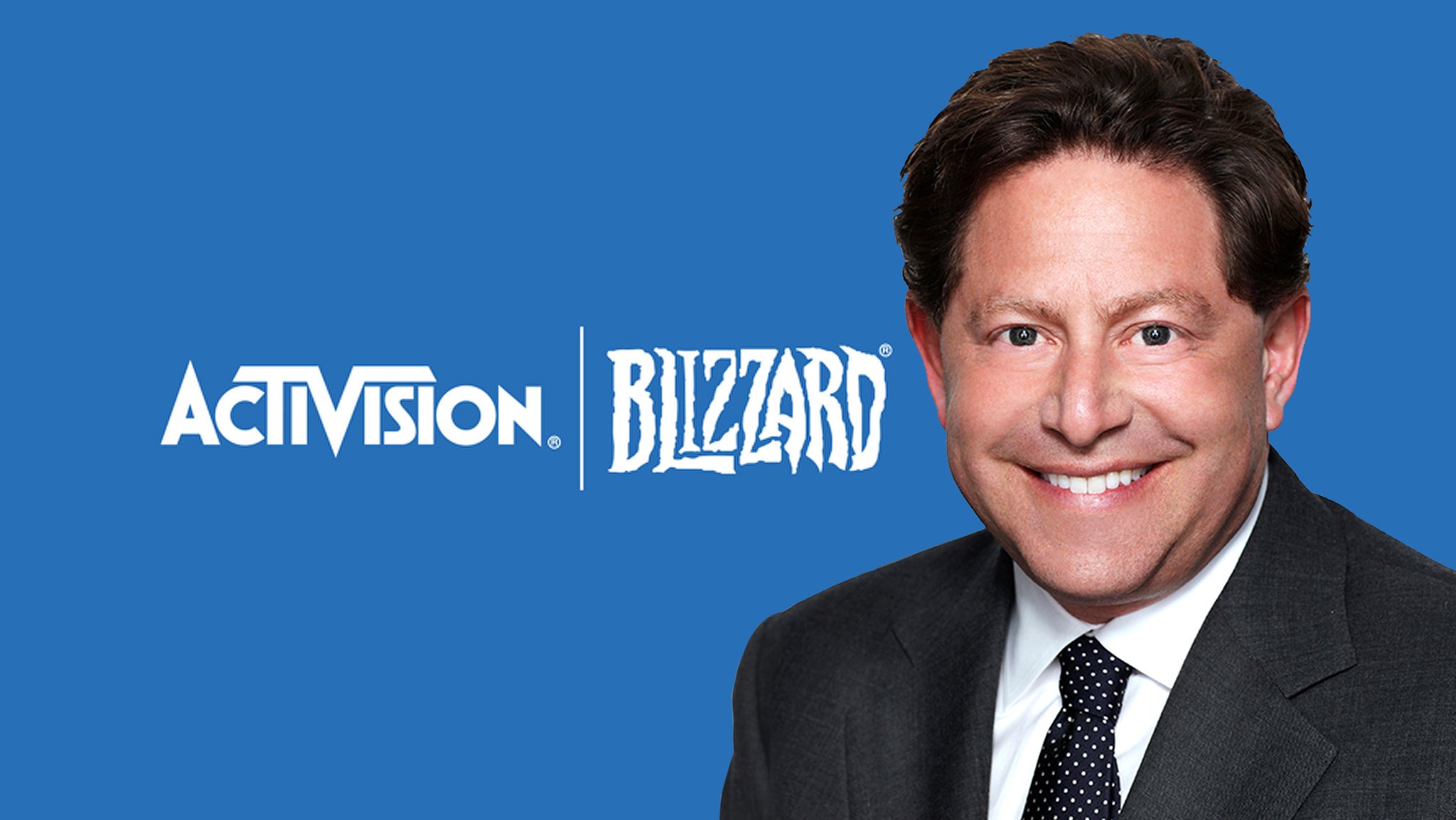
Since the completion of the Microsoft acquisition, the standalone role of Activision Blizzard CEO has been retired. Leadership now falls under Microsoft Gaming, overseen by Phil Spencer as CEO of Microsoft Gaming. Former CEO Bobby Kotick departed on December 29, 2023, following a multi-billion dollar transition that integrated the company into the Xbox ecosystem.
The Evolution of Activision Blizzard Leadership Post-Merger
The leadership landscape of Activision Blizzard underwent a tectonic shift following the $68.7 billion acquisition by Microsoft, which finalized in late 2023. As of 2026, the company no longer operates as an independent public entity with its own autonomous CEO. Instead, it functions as a critical pillar within the Microsoft Gaming division. This structural change was designed to align the massive intellectual property (IP) portfolio of Activision, Blizzard Entertainment, and King with Microsoft’s broader "Gaming for Everyone" and Game Pass strategies.
The transition from the Bobby Kotick era to the current Microsoft-led era was not merely a change in personnel but a complete overhaul of corporate governance. Under Microsoft, the leadership is decentralized across several key executives. Sarah Bond, President of Xbox, and Matt Booty, President of Game Content and Studios, now hold significant influence over the creative and operational directions of Activision Blizzard’s franchises. This shift has replaced the high-profile, often controversial, centralized power of a single CEO with a collaborative executive suite focused on cross-platform availability and subscription-based growth.
Historical Context: Bobby Kotick’s Tenure and Departure
To understand the current leadership insights of Activision Blizzard, one must examine the legacy of Bobby Kotick, who served as CEO for over three decades. Kotick is credited with transforming a nearly bankrupt company into a global entertainment powerhouse through aggressive acquisitions and a focus on "annualized" blockbuster franchises like Call of Duty. However, his final years were marked by intense scrutiny following allegations of a toxic workplace culture and sexual harassment within the company, leading to lawsuits and employee walkouts in 2021 and 2022.
Kotick’s departure on December 29, 2023, was a pre-negotiated condition of the Microsoft merger. While he was criticized by many in the gaming community, his ability to negotiate a premium sale price for shareholders remains a significant point of financial discussion. His exit marked the end of an era of "imperial" CEOs in the gaming industry, where a single individual held absolute sway over the culture and output of thousands of developers. The transition period in 2024 and 2025 focused on dismantling this centralized structure in favor of Microsoft’s more integrated corporate model.
Current Leadership Structure within Microsoft Gaming
In 2026, the management of Activision Blizzard is integrated into the "Microsoft Gaming" hierarchy. This structure is intended to foster synergy between the developers and Microsoft’s hardware and cloud infrastructure.
- Phil Spencer (CEO of Microsoft Gaming): The ultimate decision-maker for all gaming operations. Spencer’s leadership style is characterized by a "player-first" approach and an emphasis on expanding the Game Pass ecosystem.
- Sarah Bond (President of Xbox): Oversees the platform and hardware, ensuring that Activision Blizzard titles leverage the latest technological advancements in the Xbox ecosystem.
- Matt Booty (President of Game Content and Studios): Responsible for the creative output. He manages the relationship between the various studios (like Treyarch, Infinity Ward, and Blizzard South) and the broader Microsoft organization.
- Studio-Specific Leads: Individual heads of Blizzard Entertainment and King still maintain creative autonomy but report directly to Microsoft’s executive leadership.
This hierarchy ensures that while the "Activision Blizzard" brand remains for marketing and consumer recognition, the internal operations are fully subsumed under Microsoft’s corporate umbrella. This has led to a more streamlined communication process between developers and the platform holders.
Executive Salary and Compensation Analysis
The compensation packages for leadership at Activision Blizzard have historically been among the highest in the tech industry. Bobby Kotick’s salary and bonuses were frequent subjects of debate among shareholders and labor advocates. In 2021, for example, his total compensation was valued at roughly $154 million, though he later requested a reduction in salary to the California minimum until workplace culture goals were met.
Upon his departure in late 2023, Kotick was entitled to a significant payout. Reports indicated that through his equity holdings in Activision Blizzard, he would receive approximately $375 million as a result of the acquisition. In the current 2026 landscape, the compensation models for the executives overseeing Activision Blizzard are tied to Microsoft’s corporate pay scales. These typically include:
- Base Salary: Competitive with other Big Tech firms (S&P 500 averages).
- Stock Awards: A significant portion of executive pay is delivered in Microsoft (MSFT) restricted stock units (RSUs), aligning their interests with the parent company's overall performance.
- Performance Bonuses: Tied to metrics such as Game Pass subscriber growth, diversity and inclusion (D&I) targets, and the successful launch of major titles like Call of Duty and World of Warcraft expansions.
Unlike the independent days of Activision Blizzard, where CEO pay was often seen as disconnected from broader industry norms, current leadership compensation is more transparent and integrated into Microsoft’s annual proxy statements.
Leadership Insights: Shifting Corporate Culture
One of the most significant leadership insights from the 2024–2026 period is the deliberate shift in corporate culture. Microsoft’s leadership, particularly Phil Spencer, emphasized "cultural humility" as a core tenet of the integration process. This was a direct response to the 2021 California Department of Fair Employment and Housing (DFEH) lawsuit that alleged widespread harassment and discrimination at Activision Blizzard.
Leadership now focuses on three main pillars:
- Accountability: Establishing clear reporting lines and third-party oversight for workplace grievances.
- Inclusion: Actively increasing the representation of underrepresented groups in both development and leadership roles.
- Stability: Moving away from the "crunch" culture that defined many Blizzard launches in the past.
The transition has not been without challenges. The integration involved significant layoffs in early 2024 as redundant corporate roles were eliminated. However, by 2026, the sentiment among the development staff has generally stabilized, with many citing the benefits of being part of a larger, more resource-rich parent company that prioritizes long-term brand health over short-term quarterly earnings.
Financial and Strategic Impact of Leadership Changes
The financial health of the Activision Blizzard segment remains a cornerstone of Microsoft’s revenue. By 2026, the strategic impact of the leadership change is visible in the distribution model of its most profitable games.
| Feature | Bobby Kotick Era (Pre-2024) | Microsoft Era (Current 2026) |
|---|---|---|
| Primary Goal | Maximize annual profit and share price | Expand Game Pass ecosystem & Cloud Gaming |
| Platform Strategy | Platform-agnostic, premium sales | Day-one Game Pass, cross-platform focus |
| Leadership Style | Centralized, high-profile CEO | Decentralized, collaborative Xbox suite |
| Compensation Focus | Massive cash/equity bonuses | Microsoft RSUs and growth-tied incentives |
| Workplace Culture | High-pressure, hierarchical | Inclusive, "The Microsoft Way" |
The most notable strategic shift has been the inclusion of the Call of Duty franchise in the Game Pass library. Under previous leadership, the focus was on $70 retail sales. Current leadership has pivoted to a "Live Service" model that prioritizes recurring revenue through microtransactions and subscriptions, leveraging the massive player base to drive Microsoft’s cloud gaming ambitions.
Common Leadership Challenges in 2026
Despite the successful merger, the current leadership faces ongoing challenges. Managing the creative friction between Blizzard’s traditionally autonomous culture and Microsoft’s corporate standards is a delicate balancing act. Furthermore, the global regulatory landscape continues to evolve, requiring leadership to navigate complex antitrust and labor laws across different jurisdictions, particularly in the UK and EU.
Another challenge is maintaining the "prestige" of the Blizzard brand. Leadership must ensure that the pressure to deliver content for Game Pass does not dilute the quality that fans expect from titles like Diablo or Overwatch. The focus in 2026 has shifted toward longer development cycles and "quality over quantity," a significant departure from the annualized release pressure of the previous decade.
Frequently Asked Questions
Who is the current CEO of Activision Blizzard?
As of 2026, the title of "Activision Blizzard CEO" no longer exists as a standalone role. The company is part of Microsoft Gaming, which is led by CEO Phil Spencer. Daily operations are overseen by various presidents within the Microsoft Gaming executive team, including Sarah Bond and Matt Booty.
How much did Bobby Kotick make when he left?
Bobby Kotick was estimated to receive roughly $375 million following the Microsoft acquisition, primarily through the sale of his shares at the $95 per share acquisition price. His final years as CEO saw him taking a significantly reduced salary while the company dealt with internal culture investigations.
Has the workplace culture improved since the Microsoft merger?
Under the leadership of Microsoft, significant changes have been implemented, including the appointment of new HR leadership and the integration of Microsoft’s global diversity and inclusion policies. While the company has faced restructuring and layoffs, reports from 2025 and 2026 suggest a more stable and accountable environment compared to the pre-2021 period.
Is Call of Duty still available on PlayStation under new leadership?
Yes. As part of the agreements made during the acquisition process, Microsoft committed to keeping Call of Duty on PlayStation consoles for at least 10 years. Leadership has reiterated that they intend to keep the franchise multi-platform to maintain its massive global player base.
What is the current salary for top Activision Blizzard executives?
Current executives are compensated through Microsoft’s executive pay structure. This includes a base salary typically ranging from $800,000 to $1.5 million, supplemented by millions in Microsoft stock awards (RSUs) and performance-based cash bonuses.
Navigating the New Executive Landscape
For investors, job seekers, and industry analysts, understanding the leadership of Activision Blizzard in 2026 requires looking at the broader Microsoft Gaming strategy. The days of tracking a single CEO's moves are over. Instead, success is now measured by how well the various studios—Activision, Blizzard, and King—collaborate within the Xbox ecosystem.
To stay informed, one should monitor Microsoft’s quarterly earnings reports and Xbox Wire updates, as these are now the primary sources for official leadership directives and financial performance. The focus has moved from individual executive personality to collective corporate performance, marking a more mature, if less colorful, era for one of the world's largest gaming entities.