Activision Blizzard is a premier global developer and publisher of interactive entertainment, now operating as a key pillar within the Microsoft Gaming ecosystem. To access its library, users primarily utilize the Battle.net launcher or the Xbox Game Pass service, which provides a unified platform for iconic franchises like Call of Duty, World of Warcraft, and Diablo.
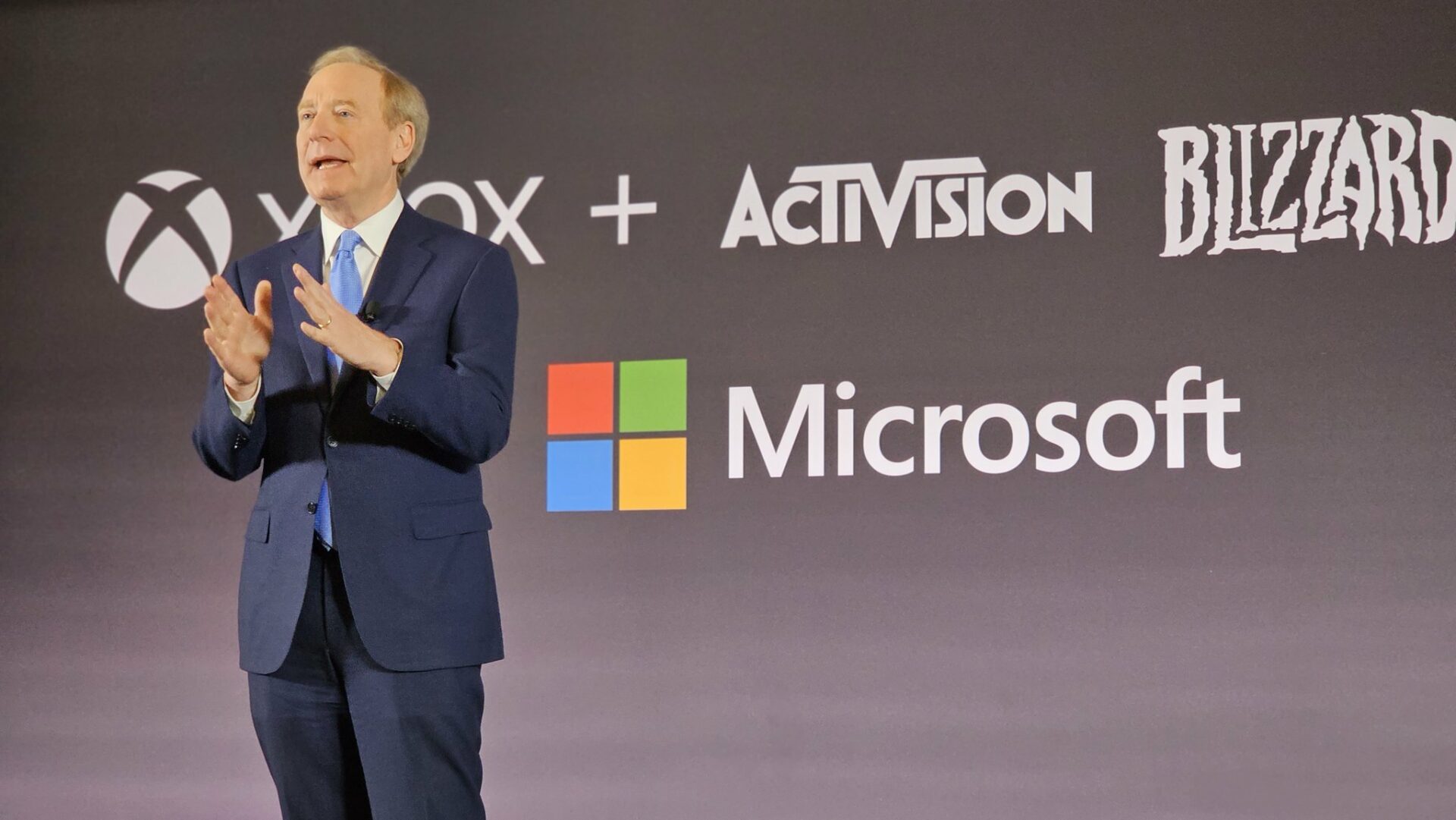
The landscape of Activision Blizzard has undergone a seismic shift following its landmark acquisition by Microsoft, finalized in late 2023. As we move through 2026, the company functions not as a standalone entity, but as a core division of Microsoft Gaming, alongside Xbox Game Studios and Bethesda Softworks. For players, this means deeper integration with the Xbox ecosystem, expanded availability on subscription services, and a continued commitment to multi-platform accessibility for its largest "tentpole" franchises. This guide provides the technical and operational roadmap for engaging with Activision Blizzard’s portfolio in the current year.
The Organizational Structure of Activision Blizzard Under Microsoft
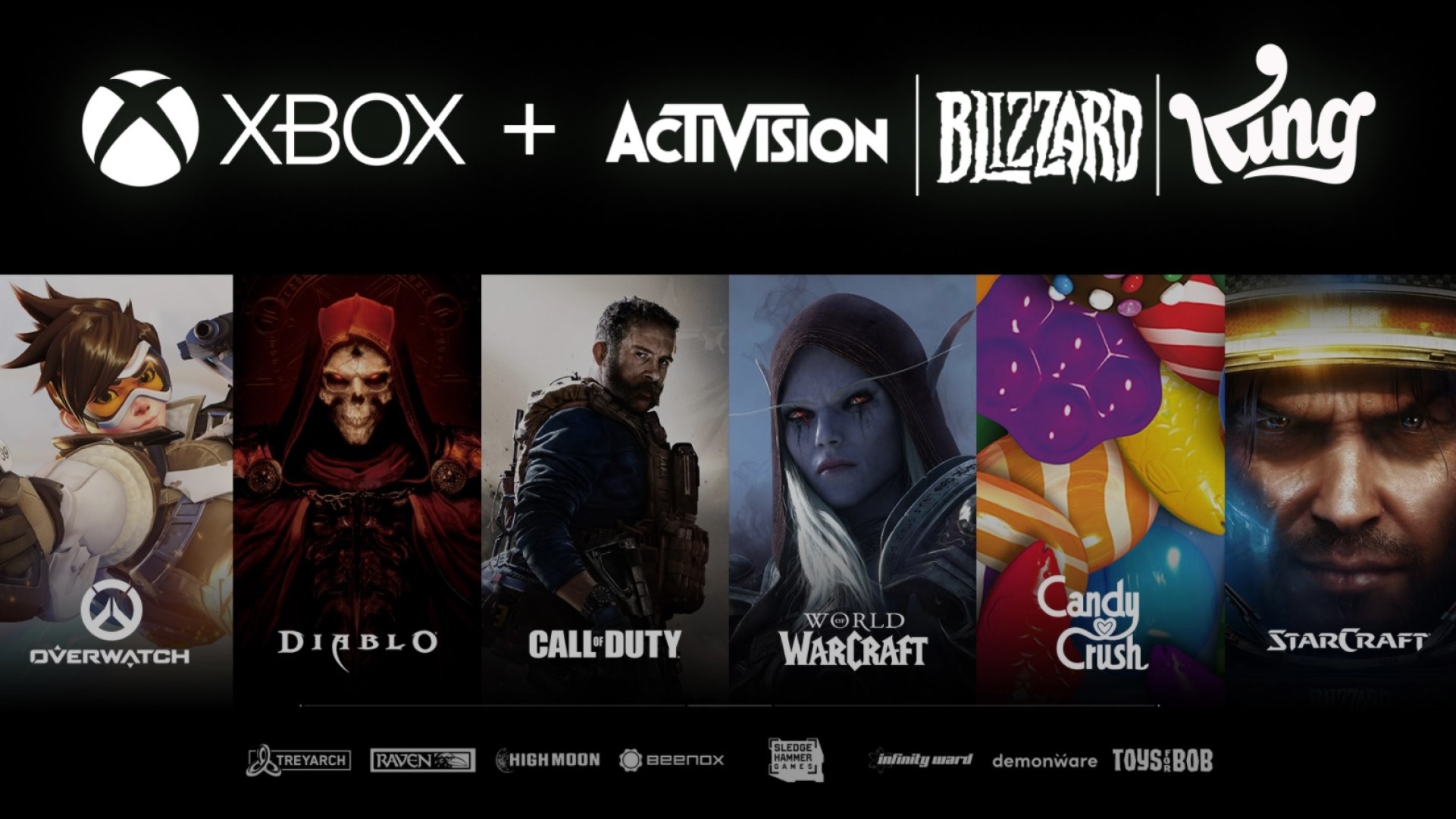
Understanding Activision Blizzard in 2026 requires recognizing its internal tri-structure. While the parent company is Microsoft, the entity still operates through three distinct primary units, each specializing in different market segments and development philosophies.
Activision Publishing
Activision remains the powerhouse behind the Call of Duty franchise. Its operational model focuses on high-octane, annual or semi-annual "premium" releases supported by a robust live-service component in Warzone. Activision manages a network of secondary studios, including Sledgehammer Games, Infinity Ward, and Treyarch, ensuring a rotating development cycle that maintains technical consistency across the shooter genre.
Blizzard Entertainment
Blizzard focuses on "lifestyle" games—titles designed to be played for decades rather than years. Based in Irvine, California, Blizzard manages the World of Warcraft (WoW) ecosystem, the Diablo series, and Overwatch. In 2026, Blizzard’s focus has shifted toward the "Worldsoul Saga" in WoW and the expansion of the Diablo IV seasonal model. Blizzard maintains its own proprietary launcher, Battle.net, which remains the primary portal for PC players despite integration with the Xbox App.
King Digital Entertainment
Often overlooked by core console gamers but financially the most significant arm, King dominates the mobile sector. Candy Crush Saga continues to be a top-grossing mobile title globally. Under Microsoft, King’s expertise is being leveraged to bring Activision and Blizzard IPs to mobile platforms more effectively, bridging the gap between hardcore PC/console experiences and casual mobile play.
Accessing the Library: Subscription Models and Platform Availability
In 2026, the primary way many consumers interact with Activision Blizzard content is through Xbox Game Pass. The integration that began years ago is now fully realized, placing a massive back catalog and several new releases at the fingertips of subscribers.
Xbox Game Pass Integration
Most legacy Activision Blizzard titles, including older Call of Duty entries, the Crash Bandicoot series, and Spyro the Dragon, are available on Game Pass Ultimate and Game Pass for PC. For the flagship title, Call of Duty, Microsoft has maintained its commitment to day-one releases on the service, though specific tiers may be required to access the latest annual installment.
The Battle.net Ecosystem
Despite being owned by Microsoft, Battle.net remains the essential client for Blizzard titles. PC players must link their Xbox/Microsoft accounts to their Battle.net accounts to synchronize licenses and progress. This "linked" architecture allows for cross-progression, meaning a player can advance their Diablo IV character on an Xbox Series X and continue exactly where they left off on a PC through Battle.net.
Multi-Platform Commitments
A critical point of the 2023 acquisition was the legal commitment to keep Call of Duty on Sony’s PlayStation platforms for a period of ten years. In 2026, this agreement remains in full force. PlayStation users continue to receive the same content, maps, and seasonal updates as Xbox users, ensuring the community remains unified regardless of hardware choice. Similarly, agreements with Nintendo have brought high-fidelity versions of these titles to the latest Nintendo hardware.
Core Franchises and Their 2026 Status
To effectively navigate the Activision Blizzard catalog, one must understand the current state of its "Big Three" pillars. Each utilizes different monetization and update structures.
Call of Duty: The Unified Engine Era
Following the transition to a unified engine architecture, Call of Duty releases now share a common technical foundation. This allows for seamless integration with Warzone. In 2026, the franchise continues its seasonal model, with updates every two months that introduce new weapons, maps, and narrative "Intel." For users, the "Call of Duty HQ" app acts as a single point of entry for all modern installments.
World of Warcraft: The Soulsaga Progression
Blizzard is currently deep into the Worldsoul Saga, a multi-expansion narrative arc. In 2026, the community is likely engaged with the second chapter of this trilogy, World of Warcraft: Midnight. The game remains subscription-based ($14.99/month), though it is important to note that the subscription is separate from Xbox Game Pass, although bundled "perks" for Game Pass Ultimate subscribers frequently include game time or cosmetic items.
Diablo: The Seasonal ARPG
Diablo IV has matured into a stable live-service Action RPG. The game relies on a quarterly seasonal model where players create new characters to tackle specific themes and mechanics. With several expansions now released, the game represents the "gold standard" for ARPG depth on both console and PC.
Comparative Overview of Flagship Services
The following table summarizes the primary ways to engage with the most popular Activision Blizzard properties as of 2026.
| Franchise | Primary Platform | Access Model | Cross-Progression |
|---|---|---|---|
| Call of Duty | PC, Xbox, PlayStation | Buy-to-Play / Game Pass | Yes (via Activision Account) |
| World of Warcraft | PC (Windows/Mac) | Subscription (Monthly) | N/A (PC Only) |
| Diablo IV | PC, Xbox, PlayStation | Buy-to-Play / Game Pass | Yes (via Battle.net) |
| Overwatch 2 | Multi-platform | Free-to-Play | Yes (via Battle.net) |
| Hearthstone | PC, Mobile | Free-to-Play | Yes (via Battle.net) |
| Candy Crush | Mobile (iOS/Android) | Free-to-Play | Yes (via King/Facebook) |
Technical Requirements and Setup Procedures
To ensure a smooth experience with Activision Blizzard titles in 2026, players must navigate a specific set of technical prerequisites.
Account Linking and Security
The most common friction point for users is the "Triple-Link" requirement. To ensure all entitlements (purchased games and DLC) are recognized, follow these steps:
- Create/Login to Battle.net: This remains the master identity for Blizzard games.
- Create/Login to an Activision Account: This is required specifically for Call of Duty cross-play features.
- Link to Microsoft Account: Visit the Battle.net Connections page and the Activision Profile page to link your Xbox/Microsoft credentials.
- Enable MFA: Multi-Factor Authentication (MFA) is mandatory for ranked play in titles like Overwatch 2 and highly recommended for World of Warcraft to prevent account hijacking.
Hardware Specifications
By 2026, the "baseline" for PC gaming has shifted. Titles like Diablo IV and Call of Duty benefit significantly from DirectStorage technology, which is native to Windows 11 and Xbox Series consoles.
- Storage: Solid State Drives (SSD) are now a hard requirement. The "Call of Duty" ecosystem alone can exceed 200GB depending on the modules installed (Campaign, Multiplayer, Warzone).
- Connectivity: A persistent internet connection is required for almost the entire Activision Blizzard catalog, including single-player campaigns in Diablo and Call of Duty.
Troubleshooting Common Issues
Despite the resources of Microsoft, the scale of Activision Blizzard’s player base (hundreds of millions) leads to recurring technical challenges.
Download and Update Bottlenecks
During major patch launches (e.g., a new WoW expansion or a Call of Duty season), Battle.net and the Xbox App may experience throttling. Users should check their "Download Limit" settings in the Battle.net client, as these are often capped at 100 KB/s by default for background updates. Setting this to "0" (unlimited) usually resolves slow download issues.
License Mismatches
If you are playing via Game Pass but the game asks you to "Purchase to Play," it is usually a synchronization error between the Xbox App and Battle.net.
- Solution: Sign out of both the Xbox App and Battle.net. Restart your PC. Sign in to the Xbox App first, then launch Battle.net from the Xbox App's internal link.
Regional Restrictions and Global Play
While Blizzard supports "Global Play," which allows you to play on different regional servers, your store currency and regional pricing are locked to your residency. Changing your account region requires official government-issued ID submitted via a support ticket to Blizzard Support.
The Strategic Shift: Microsoft’s Long-term Vision
As we look at Activision Blizzard in 2026, it is clear that Microsoft's strategy is focused on ubiquity. The company has moved away from the "Console War" mentality of the early 2000s, instead focusing on making Activision Blizzard content available on as many screens as possible.
This includes a massive push into Xbox Cloud Gaming. Many Activision titles are now playable on smart TVs, tablets, and low-powered laptops via streaming. This technology has lowered the barrier to entry, allowing players who cannot afford high-end GPUs to participate in the Diablo or Call of Duty ecosystems. Furthermore, the integration of King’s mobile expertise is beginning to manifest in new mobile versions of classic Activision and Blizzard IPs, aiming to replicate the success of Call of Duty: Mobile.
Frequently Asked Questions
Is Call of Duty an Xbox exclusive in 2026?
No. While Activision Blizzard is owned by Microsoft, Call of Duty remains available on PlayStation and Nintendo platforms. Microsoft signed 10-year agreements with competitors during the acquisition process to ensure the game remains multi-platform until at least 2033.
How do I link my Battle.net account to Game Pass?
To link accounts, log in to your Battle.net account settings on a web browser. Navigate to the "Connections" tab and find "Xbox Network." Click "Connect" and follow the prompts to log in with your Microsoft/Xbox credentials. This will allow the Xbox App to recognize your Blizzard licenses and vice versa.
Can I still play World of Warcraft on Mac?
Yes. Blizzard Entertainment remains one of the few major developers to provide native support for macOS. In 2026, World of Warcraft is optimized for Apple Silicon (M-series chips), though most other Activision titles, such as Call of Duty, remain Windows-exclusive on PC.
What happened to the Activision Blizzard King (ABK) brand?
The "Activision Blizzard" name persists as a corporate division within Microsoft Gaming, but the individual identities of the three pillars (Activision, Blizzard, and King) have been strengthened. You will see their individual logos more prominently on their respective products, while "Microsoft" or "Xbox" acts as the overarching publisher brand.
Are legacy Activision games like Pitfall or Tony Hawk on Game Pass?
Yes, a significant portion of the Activision "Vault"—including titles from the Atari era through the early 2000s—has been added to the Xbox Game Pass library as part of Microsoft’s commitment to game preservation and catalog depth.
Moving Forward with Activision Blizzard
To get the most out of Activision Blizzard’s offerings in 2026, your best next action is to unify your digital identity. Ensure your Microsoft, Battle.net, and Activision accounts are all linked to a single, secure email address with two-factor authentication enabled. If you are a PC player, prioritize the Xbox App as your primary discovery tool, but keep Battle.net installed for the deep technical settings required for Blizzard’s competitive titles. Whether you are chasing the latest seasonal rank in Warzone or exploring the depths of Azeroth, the current ecosystem is designed to reward players who engage across multiple platforms within the Microsoft Gaming network.