Activewear materials are specialized textiles engineered to manage moisture, regulate body temperature, and provide necessary elasticity during physical exertion. The most effective materials involve synthetic polymers like polyester and nylon blended with elastane (spandex) to ensure shape retention. In 2026, the industry has shifted significantly toward recycled synthetics and bio-based hybrids that balance high-performance technical requirements with environmental circularity.
Selecting the right activewear material is no longer just about aesthetics; it is a technical decision that impacts athletic performance, skin health, and garment longevity. Whether you are an athlete, a designer, or a consumer, understanding the molecular and mechanical properties of these fabrics is essential for optimizing movement and comfort.
The Foundation of Performance: Synthetic Fibers
The backbone of the modern activewear industry remains synthetic fibers, primarily due to their hydrophobic (water-repelling) nature. Unlike natural fibers like cotton, which absorb up to 25 times their weight in water, synthetics are engineered to facilitate moisture transport, a process commonly known as "wicking."
Polyester: The Versatile Workhorse
Polyester is the most widely used fiber in activewear. It is valued for its exceptional durability, resistance to shrinking and stretching, and high colorfastness. In 2026, the standard for high-quality polyester has moved almost entirely toward recycled polyester (rPET), derived from post-consumer plastic bottles and diverted ocean waste.
At a technical level, polyester fibers are often extruded in specific cross-sectional shapes (such as trilobal or "cross" shapes) rather than simple rounds. These shapes create micro-channels that use capillary action to pull sweat away from the skin to the outer surface of the fabric, where it can evaporate quickly. This keep-dry effect is vital for preventing chafing and maintaining a stable core temperature during high-intensity interval training (HIIT) or long-distance running.
Nylon: The Premium Alternative
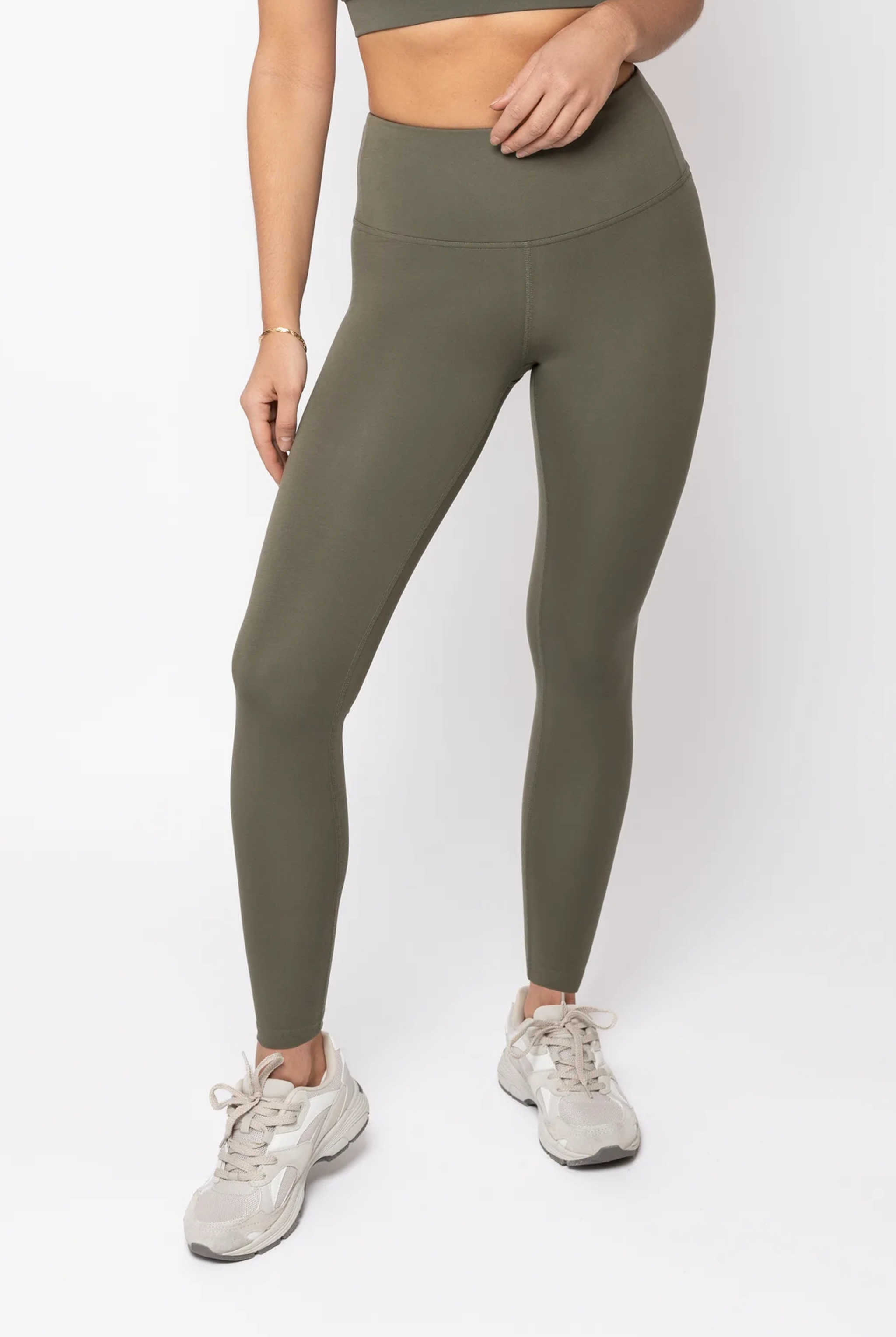
Nylon, specifically Nylon 6,6, is often found in premium activewear, such as yoga leggings and high-impact sports bras. It is softer to the touch than polyester and possesses superior abrasion resistance. While polyester is essentially plastic-based and can feel "scratchy" in lower grades, nylon provides a "silky" feel that is highly desirable for skin-contact layers.
Nylon is also more resilient, meaning it returns to its original shape more effectively after being stretched. This makes it the preferred choice for compression gear. However, nylon is slightly more hydrophilic than polyester, meaning it dries a bit slower. Manufacturers in 2026 frequently mitigate this by applying PFC-free durable water repellent (DWR) finishes or blending it with hydrophobic treatments at the yarn level.
The Science of Stretch: Elastane and Compression
No discussion of activewear materials is complete without Elastane, commonly known by the brand names Spandex or Lycra. This fiber can expand up to 600% of its original length and snap back instantly.
Stretch vs. Recovery
A common mistake in evaluating activewear is focusing solely on "stretch." In a performance context, recovery—the ability of the fabric to return to its original state—is more important. In 2026, high-performance leggings typically feature an elastane content between 15% and 25%. Too little elastane results in "baggy knees" after a workout, while too much can make the garment feel restrictive and reduce breathability.
4-Way Stretch Technology
Technical activewear utilizes 4-way stretch construction, meaning the fabric stretches both crosswise and lengthwise. This is achieved through specific knitting techniques, such as circular knitting or warp knitting. Warp-knitted fabrics are particularly prized in 2026 for their "run-resist" properties; even if a small tear occurs during an outdoor trail run, the fabric structure prevents the hole from spreading.
Natural and Hybrid Materials in 2026
While synthetics dominate, there is a growing demand for natural fibers that offer inherent performance benefits without the need for chemical additives.
Merino Wool: Nature’s Technical Fiber
Merino wool has seen a massive resurgence in 2026, particularly for outdoor activities like hiking and cycling. Unlike traditional wool, Merino fibers are extremely fine (measured in microns, usually between 17.5 and 19.5 for activewear), ensuring they do not itch.
Merino’s primary advantage is its thermoregulation. It keeps the wearer warm in cold conditions and cool in the heat by managing moisture vapor before it even turns into liquid sweat. Furthermore, Merino wool is naturally antimicrobial. The chemical structure of the fiber traps odor-causing bacteria, allowing the garment to be worn multiple times without washing—a key feature for multi-day trekking.
Bamboo and Lyocell
Cellulosic fibers like Bamboo viscose and Tencel (Lyocell) are prized for their extreme softness and sustainability. These materials are naturally breathable and more absorbent than cotton, making them excellent for low-impact activities like yoga or Pilates. However, because they retain more moisture than polyester, they are rarely used in pure form for high-sweat athletics. Instead, they are often blended with recycled polyester to create a fabric that feels like a "soft tee" but performs like a technical jersey.
Advanced Fabric Treatments and Smart Textiles
In 2026, the performance of a material is often defined by the "finish" applied after the fabric is woven or knitted. These treatments enhance the inherent properties of the base fibers.
- Antimicrobial Silver and Copper Ions: Many brands now embed silver or copper particles directly into the polymer melt of the fiber. This provides permanent odor control that does not wash out, unlike older topical sprays.
- UV Protection Factor (UPF): Outdoor activewear materials are now tested for their ability to block UVA and UVB rays. A UPF rating of 50+ is standard for high-end cycling and running gear.
- Infrared Recovery Fabrics: Some advanced materials incorporate bioceramic minerals that absorb body heat and reflect it back as Far Infrared (FIR) energy. This is claimed to improve local circulation and speed up muscle recovery, though it is primarily found in "recovery-wear" meant for post-workout use.
Comparison of Common Activewear Materials
The following table compares the primary materials used in the industry as of 2026, based on their core performance metrics.
| Material | Breathability | Durability | Moisture Wicking | Odor Resistance | Best Use Case |
|---|---|---|---|---|---|
| Polyester (Recycled) | High | Excellent | Superior | Low (unless treated) | Running, HIIT, Gym |
| Nylon (Polyamide) | Medium | Superior | High | Moderate | Yoga, Compression, Trail |
| Merino Wool | Superior | Moderate | High (Vapor) | Excellent | Hiking, Winter Sports |
| Elastane (Spandex) | Low | Moderate | N/A | Low | Blends for Stretch/Fit |
| Lyocell (Tencel) | High | Moderate | Moderate | Moderate | Yoga, Leisure, Recovery |
| Polypropylene | Low | High | Best | Low | Base layers, cold weather |
Sustainability and Circularity in 2026
The activewear industry in 2026 has largely moved away from the "take-make-waste" model. The focus is now on monomaterial construction. Historically, blending polyester and elastane made garments nearly impossible to recycle. New chemical recycling technologies now allow facilities to separate these fibers or recycle the blend into new high-quality yarns.
Furthermore, Bio-Synthetics are gaining market share. These are plastics derived from renewable sources like castor beans or corn starch rather than petroleum. These materials offer the same performance as traditional nylon but with a significantly lower carbon footprint. When shopping for materials, look for certifications such as the Global Recycled Standard (GRS) or OEKO-TEX Standard 100, which ensure the fabric is free from harmful chemicals.
Maintaining Technical Fabrics for Longevity
To preserve the technical integrity of activewear materials, specific care is required. The heat and chemicals in standard laundry cycles can degrade the elastic fibers and clog the moisture-wicking pores.
- Avoid Fabric Softeners: Softeners leave a waxy coating on fibers, which completely kills the moisture-wicking capability of polyester and nylon.
- Wash in Cold Water: High heat breaks down elastane, leading to the loss of compression and "see-through" leggings.
- Air Dry Only: Dryers are the leading cause of "pilling" (those small balls of fuzz on the surface) and elastic failure.
- Use Specialized Detergents: In 2026, enzyme-based detergents designed for synthetics are widely available. These are formulated to break down the skin oils and bacteria that get trapped in tight synthetic knits.
How do I prevent my activewear from becoming "see-through" during squats?
Transparency in activewear is usually a result of "fabric over-stretch" or low GSM (grams per square meter). For squat-proof leggings, look for a material weight of at least 250-300 GSM and a high percentage of nylon blended with spandex. Interlock knits, which are double-sided, are naturally more opaque than single-jersey knits.
Is cotton ever acceptable for activewear?
Cotton is generally discouraged for high-intensity exercise because it absorbs moisture and stays heavy and cold against the skin. However, for low-intensity activities like restorative yoga or weightlifting where sweat volume is low, cotton-poly blends can provide a comfortable, "natural" feel that prevents the skin irritation sometimes caused by 100% synthetics.
What is the best material for hot weather running?
For extreme heat, lightweight polyester with a "mesh" or "eyelet" knit construction is ideal. These fabrics maximize airflow. Additionally, look for fabrics with "chilling" technology, such as xylitol-infused fibers, which can actually lower the fabric surface temperature when they come into contact with moisture.
Why does my synthetic activewear smell even after washing?
Synthetic fibers like polyester are oleophilic, meaning they attract oils (sebum) from your skin. Bacteria feed on these oils, creating the "gym smell." If standard washing doesn't work, a pre-soak in white vinegar or using an oxygen-based bleach can help strip the oils without damaging the fibers.
Identifying Your Material Needs
When choosing activewear, start by identifying the primary "stressor" of your activity. If the activity involves high friction (like CrossFit or rock climbing), prioritize Nylon for its abrasion resistance. If you are focused on high-cardio endurance in humid conditions, Polyester with high-wicking channels is the priority. For those prioritizing sustainability and skin sensitivity, Merino wool blends or Tencel hybrids offer the best balance of nature and science. Always check the interior care label for the fiber composition and GSM to ensure the garment meets the technical requirements of your sport.