Finding the perfect activewear fit involves balancing compression levels with range of motion and moisture management. A proper fit ensures the garment stays in place during high-intensity movement without restricting circulation or causing chafing. Success requires accurate body measurements, understanding fabric elasticity, and selecting specific styles tailored to your primary exercise modality.
Mastering the Fundamentals of Personal Measurement
Before purchasing new technical apparel, establishing a baseline of your current body measurements is the most critical step in ensuring a successful fit. Standardized sizing varies significantly between global brands; a "medium" in an Italian cycling jersey differs drastically from a "medium" in an American cross-training brand. By using a flexible tailor's tape, you can bypass the ambiguity of vanity sizing.
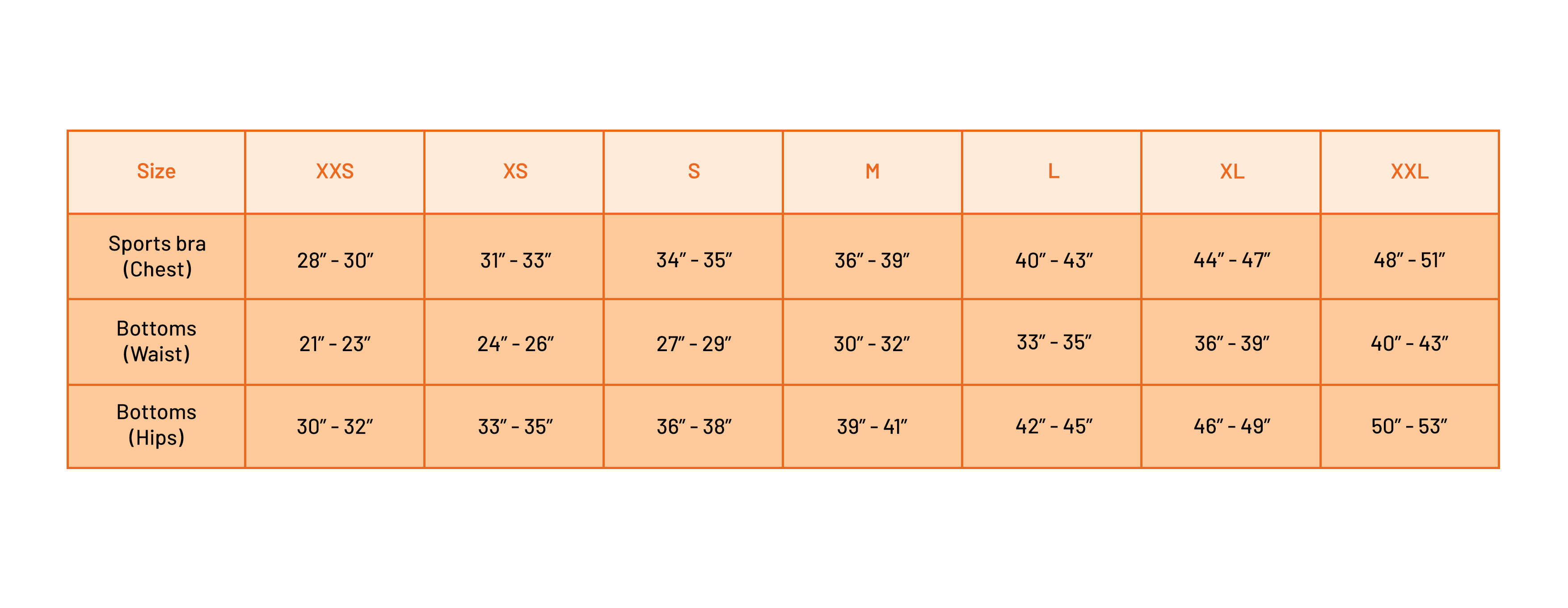
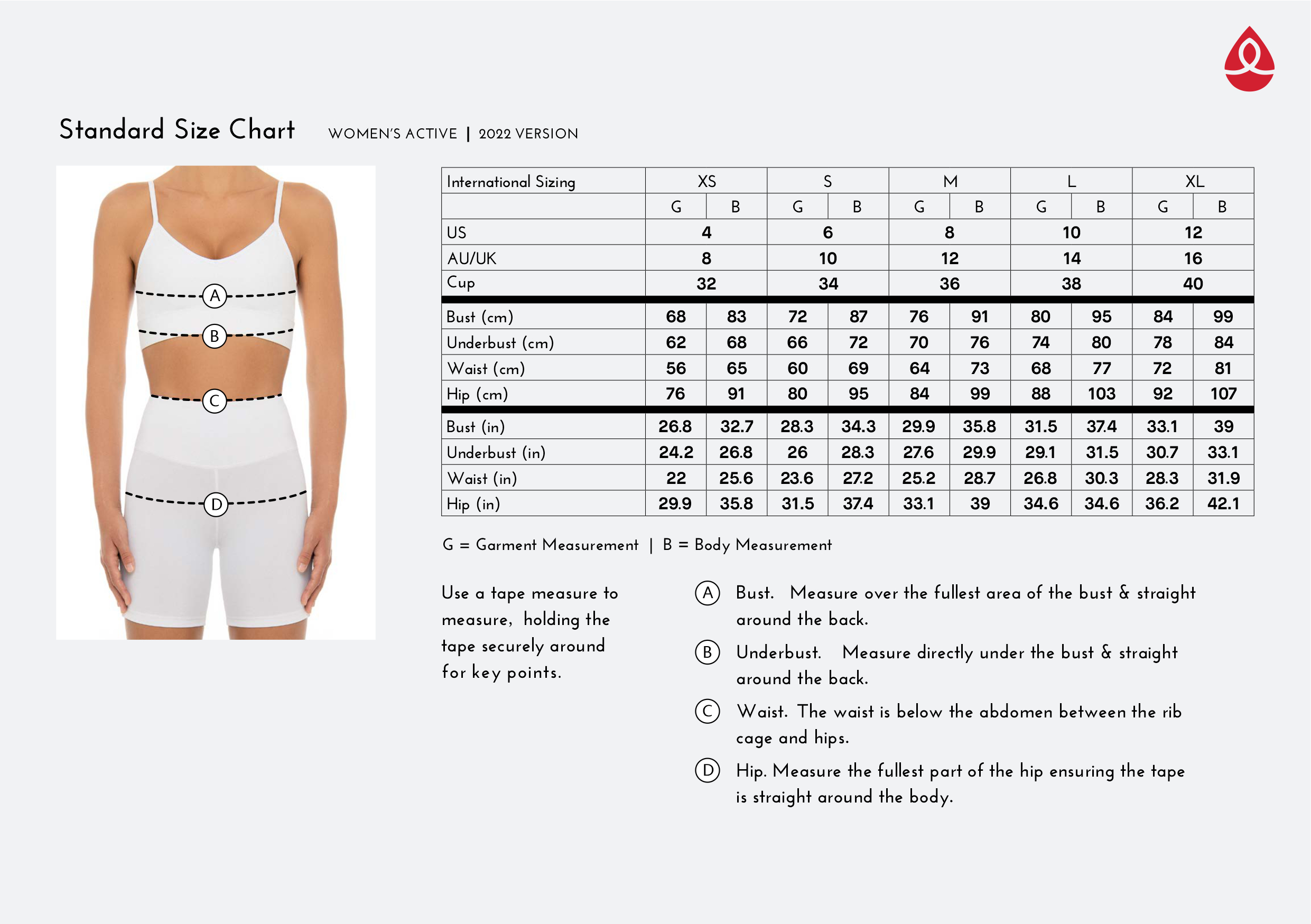
To obtain the most accurate results in 2026, measure yourself while wearing minimal clothing. For the chest and bust, wrap the tape around the fullest part of your torso, keeping it parallel to the floor. For the waist, measure at the narrowest point, typically just above the belly button. When measuring hips, stand with your feet together and wrap the tape around the widest part of your glutes. Finally, the inseam is measured from the crotch point down to the ankle bone.
The "two-finger rule" remains a gold standard for waistbands: you should be able to slide two fingers comfortably between the fabric and your skin. If you can fit more, the garment will likely slide down during movement; if you can fit fewer, the band may dig in, causing discomfort or "muffin-topping," which restricts deep diaphragmatic breathing during strenuous exercise.
Understanding Compression Levels and Fabric Density
Not all activewear is designed to fit the same way. The intended "feel" of a garment is often dictated by its compression level, which is a functional requirement rather than a stylistic choice. As of 2026, fabric technology has advanced to offer gradient compression, where pressure is strategically applied to specific muscle groups to enhance blood flow and reduce muscle oscillation.
- Low Compression (Light Support): Often referred to as "naked feel" or "second skin," these garments are designed for low-impact activities like yoga or Pilates. The fabric is thin, highly breathable, and offers maximum 4-way stretch. The fit should be snug but never restrictive.
- Medium Compression (Standard Support): Ideal for gym training, cycling, and hiking. These pieces provide a locked-in feel that holds the muscles in place without feeling like a corset. They balance sweat-wicking properties with enough structural integrity to maintain their shape over several hours of wear.
- High Compression (Performance Support): Engineered for high-impact running, sprinting, and competitive athletics. These garments fit very tightly and may be difficult to put on initially. They are designed to improve venous return and reduce muscle fatigue. If high-compression gear feels "comfortable" like pajamas, it is likely too large and not performing its technical function.
Fabric density, measured in GSM (Grams per Square Meter), also affects fit. A higher GSM typically indicates a thicker, more "squat-proof" fabric. In 2026, premium activewear brands generally aim for a GSM between 250 and 320 for leggings to ensure opacity while maintaining thermoregulation.
The Science of Fabric Composition and Stretch
The fit of your activewear is inextricably linked to its chemical composition. Most modern performance gear relies on a blend of synthetic fibers, each serving a specific purpose in the fit ecosystem. Polyester provides durability and colorfastness; Nylon offers a soft hand-feel and superior abrasion resistance; and Elastane (commonly known as Spandex or Lycra) provides the necessary stretch.
A garment with 5% Elastane will have significantly less "snap-back" than one with 20%. When reviewing a fit guide, check the percentage of elastic fibers. High-elastane content allows a garment to contour to the body's unique curves without sagging at the knees or elbows. Furthermore, the distinction between 2-way stretch and 4-way stretch is vital. 2-way stretch fabrics only expand crosswise, which can lead to "binding" during complex movements like lunges. 4-way stretch expands both crosswise and lengthwise, allowing for a more forgiving and inclusive fit across different heights and body proportions.
Activity-Specific Fit Requirements
Designing your wardrobe based on your primary movement patterns ensures that your gear supports rather than hinders your progress. Each discipline has unique mechanical requirements that dictate how a garment should sit on the body.
Running and High-Impact Aerobics
For runners, the fit must prioritize friction reduction. Loose fabric is the primary cause of chafing. Leggings and shorts should have a high-rise, stay-put waistband to prevent the need for constant adjustment. In 2026, many high-end running tights include laser-cut hems rather than traditional stitched seams to provide a seamless transition against the skin, reducing the risk of irritation over long distances.
Weightlifting and Functional Fitness
Lifting requires "squat-proof" integrity and a gusseted crotch. A diamond-shaped gusset is a triangular piece of fabric sewn into the crotch area that redistributes stress, preventing the fabric from tearing during deep squats or wide-stance movements. Additionally, tops should have a slightly tapered fit to prevent the fabric from falling over the face during inverted movements like handstands or burpees.
Yoga and Mobility Work
Fit for yoga emphasizes "distraction-free" movement. High-waisted silhouettes are preferred to provide coverage during forward folds. Seamless construction is particularly beneficial here, as it eliminates pressure points when lying on a mat. The fit should be close enough to allow an instructor to see your alignment but flexible enough to accommodate extreme ranges of motion.
Technical Comparison of Activewear Fit Profiles
The following table categorizes the standard fit expectations for various categories of performance apparel to help you choose the right size for your specific goals.
| Activity Type | Compression Level | Waistband Style | Key Fit Feature | Common Fit Mistake |
|---|---|---|---|---|
| Yoga / Barre | Low | High-Rise / Soft | 4-Way Stretch | Too tight; restricts breath |
| Running | High | Drawcord / Gripped | Moisture-Wicking | Too loose; causes chafing |
| Weightlifting | Medium | Reinforced / Wide | Reinforced Gusset | Non-opaque fabric (Sheer) |
| Cycling | High | Flatlock / Contoured | Leg Grippers | Sizing up; causes pad shift |
| Hiking | None / Low | Articulated | Abrasion Resistance | Restricted knee movement |
| HIIT / CrossFit | Medium-High | Stay-Put Compression | Lateral Stability | Rolling waistband |
Troubleshooting Common Fit Issues
Even with accurate measurements, certain fit "red flags" can indicate that a garment isn't right for your body type or the intended activity. Identifying these issues early can save you from the frustration of a workout interrupted by wardrobe malfunctions.
The Squat Test: This is the universal benchmark for activewear quality. In a well-lit room, perform a deep squat in front of a mirror. If you can see your skin or the pattern of your undergarments through the fabric, the material is either too thin or the size is too small, causing the fibers to over-stretch.
Waistband Rolling: If your waistband rolls down during movement, it is usually caused by one of two factors. Either the waist is too small, and the tension of your body is forcing the fabric to seek its narrowest point, or the fabric lacks sufficient Elastane to "grip" your torso. In 2026, many brands utilize internal silicone grippers or bonded waistbands to mitigate this issue.
The "Camel Toe" and Crotch Sagging: Excess fabric in the crotch area suggests the rise is too long for your torso, leading to "bagging." Conversely, if the fabric is pulling upward uncomfortably, the rise is too short. Look for garments with a "seamless front" to provide a smoother aesthetic and more comfortable fit during high-tension movements.
Frequently Asked Questions
Should I size down in leggings if I am between sizes?
Generally, if the leggings have high Elastane content (above 15%), sizing down may provide a more secure fit for high-impact activities. However, if the fabric is a compression knit, sizing down may lead to transparency issues or restricted blood flow. For lounge or low-impact wear, choosing the larger size is usually more comfortable.
How do I know if a sports bra fits correctly?
A proper sports bra should feel tighter than a daily bra but should not dig into the shoulders or ribcage. The "band" provides 80% of the support, so it must be level across your back. If the band rides up, it is too big. If you experience "spillage" over the top or sides of the cups, you need a larger cup size.
Does activewear shrink or stretch out over time?
High-quality synthetic activewear is designed to maintain its shape. However, heat is the enemy of Elastane. Using a dryer on high heat will eventually "kill" the elastic fibers, leading to a permanent loss of stretch and a baggy fit. To preserve the fit, always wash in cold water and air-dry.
What is the difference between "Asian Fit" and "Global Fit"?
"Asian Fit" (often found in brands like Lululemon or Nike) is specifically designed for individuals with a shorter inseam, narrower waist-to-hip ratio, and smaller leg openings. If you often find that leggings bunch at your ankles or feel loose behind the knees, an "Asian Fit" or "7/8 Length" may provide a superior silhouette.
Why do my leggings slide down when I run?
This is almost always a result of the waistband being too large or the fabric lacking "vertical" compression. When you run, the weight of your phone in a pocket or the repetitive impact of your stride pulls the fabric downward. Look for leggings with an internal infinity drawcord to anchor the garment to your waist.
Evaluating Fit for Long-Term Performance
When finalizing your activewear selection, prioritize how the garment feels after five minutes of movement rather than how it looks in a stationary mirror. Perform a few jumping jacks, a deep lunge, and a seated stretch. If you find yourself tugging at the hem or adjusting the straps, that minor annoyance will become a major distraction during a 60-minute workout.
The ideal fit should make the garment feel "invisible." By 2026 standards, technical apparel is sophisticated enough to accommodate diverse body shapes while providing targeted support. Do not settle for "good enough"; utilize the specific measurements of your bust, waist, and hips to navigate brand-specific size charts, and always prioritize the functional needs of your sport over aesthetic trends. Your gear is a tool for performance, and a precise fit is the foundation of that utility.