Activewear fit is the technical calibration between a garment’s construction and the human body’s mechanical requirements during physical exertion. A perfect fit provides targeted compression to support muscle groups, incorporates multi-directional stretch for unrestricted range of motion, and utilizes strategic seam placement to eliminate friction. Achieving this requires matching specific fabric densities and silhouettes to the physiological demands of your chosen activity.
In 2026, the intersection of textile science and biomechanics has refined our understanding of how clothing impacts athletic output. Whether you are a professional athlete or a weekend enthusiast, the way your gear interacts with your skin and musculoskeletal system can be the difference between a productive session and one marred by distraction or injury. This guide explores the technical nuances of activewear fit, from fabric recovery cycles to activity-specific tailoring.
The Three Primary Fit Profiles: Compression, Fitted, and Relaxed
Understanding activewear begins with the three core fit profiles used by manufacturers. Each profile serves a distinct physiological or aerodynamic purpose. Choosing the wrong profile for an activity can lead to overheating, restricted blood flow, or unnecessary wind resistance.
Compression Fit
Compression garments act as a "second skin," applying graduated pressure to specific muscle groups. In 2026, high-grade compression is engineered not just for aesthetics but for venous return. By squeezing the surface veins, these garments help facilitate blood flow back to the heart, which can reduce the buildup of lactic acid and minimize muscle oscillation—the vibration of muscles upon impact that contributes to fatigue. A true compression fit should feel tight but never restrictive to the point of tingling or numbing. If you see "muffin-topping" at the seams or deep indentations in the skin after removal, the garment is likely a size too small.
Fitted (Contoured) Fit
A fitted garment follows the lines of the body without the intense squeeze of compression. This is the "goldilocks" zone for many athletes. It provides enough fabric-to-skin contact to facilitate moisture-wicking—the capillary action that pulls sweat away from the body—while allowing for a full range of motion. Fitted gear is essential for activities like cycling or speed walking where excess fabric could snag on equipment or create drag.
Relaxed and Oversized Fit
Relaxed fit activewear is designed with additional "ease"—the space between the body and the fabric. This profile is optimal for low-intensity recovery sessions or as layering pieces in variable climates. The primary benefit here is airflow. In 2026, relaxed fit activewear often utilizes "engineered drape," where the fabric is cut to hang in a way that prevents it from bunching under the arms or between the legs, even though it is not tight against the skin.
The Mechanics of Fabric Stretch and Recovery
The "fit" of activewear is a dynamic state, not a static measurement. This is dictated by two technical factors: four-way stretch and fabric recovery.
Four-way stretch refers to a fabric's ability to expand both crosswise and lengthwise. Lower-quality activewear often only features two-way stretch (horizontal), which leads to the garment "riding up" during vertical movements like overhead presses or squats. In 2026, premium activewear typically utilizes a blend of nylon or polyester with 15% to 25% elastane (often branded as Lycra or Spandex) to ensure the garment moves in tandem with the body's kinetic chain.
Fabric recovery is the garment's ability to return to its original shape after being stretched. This is measured in percentages. If a fabric has poor recovery, it will "bag out" at the knees or elbows after a single workout. When evaluating fit, the garment should feel just as supportive at the end of a two-hour session as it did at the beginning. If you notice sagging in the seat or crotch area after a few sets of lunges, the fabric’s recovery rating is insufficient for high-intensity use.
Activity-Specific Fit Requirements
Different sports place unique stresses on clothing. A fit that works for a marathon runner will likely fail a powerlifter.
| Activity | Critical Fit Feature | Fabric Priority | Common Fit Failure |
|---|---|---|---|
| Running | Zero-slip waistband | Lightweight, high-wicking | Chafing in the inner thigh/underarm |
| Yoga/Pilates | High-rise, squat-proof | Four-way stretch, matte finish | Waistband rolling down during inversions |
| Weightlifting | Reinforced seams | High-density, abrasion-resistant | "See-through" effect during deep squats |
| HIIT/Crossfit | Dynamic compression | High-elastane, heat-dissipating | Garment shifting during lateral moves |
| Cycling | Aerodynamic contour | Friction-reducing, padded (chamois) | Fabric bunching in the hip crease |
The "Squat-Proof" Standard for 2026
In 2026, the "squat-proof" test remains the industry standard for lower-body activewear fit. This refers to the fabric's opacity when stretched to its limit. To verify this, one should perform a deep squat in front of a mirror under bright light. If the underlying skin or undergarment pattern is visible, the fit is too tight for the fabric's density (denier). This is often a sign that the wearer needs to size up or seek a higher-denier fabric that maintains its integrity under tension.
Anatomical Considerations: Waistbands, Seams, and Gussets
The technical construction of an item determines how the fit sustains itself during movement. Three areas are particularly critical:
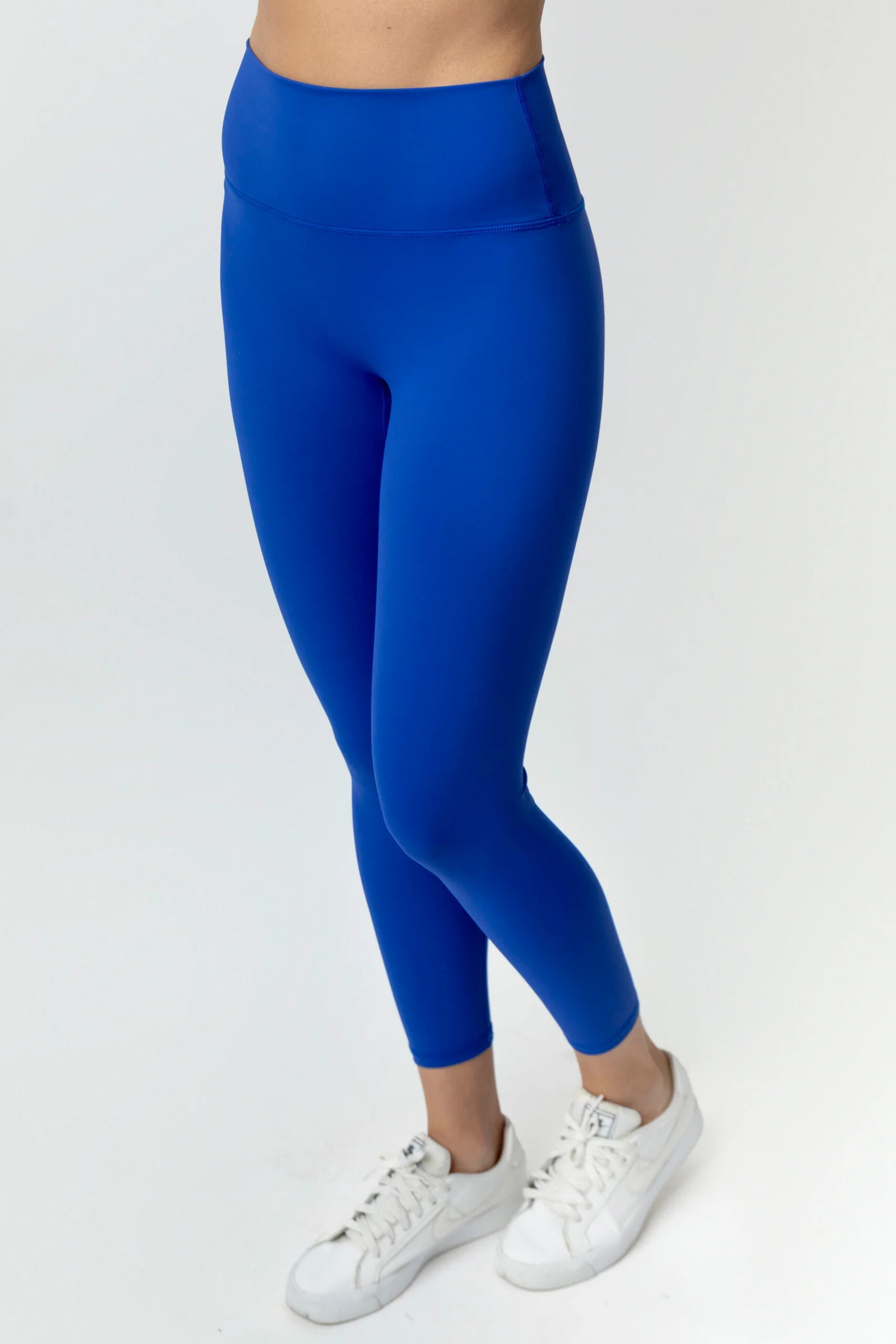
- The Waistband: The most common fit complaint is the "rolling" waistband. This usually occurs because the waistband is either too narrow or lacks an internal "grip" or drawcord. In 2026, many high-performance leggings feature a bonded, seamless waistband that distributes pressure over a wider surface area of the abdomen, preventing the "dig-in" effect while staying secure during high-impact plyometrics.
- Flatlock Seams: Traditional seams have a raised "lip" on the inside of the garment. Under the repetitive motion of running or cycling, this lip creates micro-abrasions on the skin (chafing). A quality fit utilizes flatlock stitching, where the fabric edges are butted together and stitched flat. This creates a seamless feel and increases the garment's durability under stretch.
- The Gusset: A gusset is a triangular or diamond-shaped piece of fabric sewn into the crotch or underarm area. It removes the stress point where four seams would otherwise meet. A garment with a well-integrated gusset allows for a deeper range of motion without the risk of the fabric tearing or the "camel-toe" effect, which is often a result of poor tension distribution in the pelvic region.
Measuring for an Accurate Fit
Standardized sizing (S, M, L) is increasingly unreliable in 2026 due to "vanity sizing" and varying international standards. For a professional-grade fit, you must rely on precise anatomical measurements.
- Chest/Bust: Measure around the fullest part of your chest, keeping the tape horizontal. For sports bras, this must be balanced with the under-bust measurement to ensure the band provides 80% of the support, not the straps.
- Waist: Measure around the narrowest part of your torso (usually near the belly button). Do not suck in your stomach; activewear needs to accommodate diaphragmatic breathing during exertion.
- Hips: Stand with your feet together and measure around the widest part of your glutes. This is the most critical measurement for leggings and shorts to ensure they remain opaque.
- Inseam: Measure from the crotch point down to the ankle. In 2026, 7/8 length (hitting just above the ankle) is the preferred fit for most athletes to prevent fabric bunching at the shoe line, which can cause tripping or irritation.
Identifying and Troubleshooting Common Fit Issues
Even with correct measurements, certain fit issues may arise based on individual body geometry.
The Two-Finger Rule
To test the tension of any waistband or arm cuff, you should be able to slide two fingers comfortably between the fabric and your skin. If you can’t, the garment is likely restricting circulation. If you can fit an entire hand, the garment will likely shift or "migrate" once you start sweating, leading to distractions.
Slippage and Migration
If you find yourself constantly pulling up your leggings or adjusting your shirt sleeves, the issue is often a lack of "modulus"—the force required to stretch the fabric. When fabric becomes saturated with sweat, it gets heavier. If the fit isn't secure enough, gravity takes over. In these cases, look for activewear with a higher nylon content, as nylon absorbs less water and retains its shape better than polyester or cotton blends.
Underarm and Inner Thigh Chafing
Chafing is a definitive sign of a fit mismatch. It occurs when there is either too much loose fabric rubbing against the skin or when the garment is so tight that the seams are being pressed too firmly into the skin. If chafing persists, check the seam type. Switching to a seamless knit technology, which is widely available in 2026, can eliminate these friction points entirely by knitting the garment in a circular tube rather than sewing panels together.
Frequently Asked Questions
Should I size up or down if I am between sizes in compression gear?
In most cases, you should size up. While compression is intended to be tight, an overly restricted fit can impede blood flow and limit your range of motion, which is counterproductive to performance. If the larger size feels loose in the joints (knees or elbows), look for a brand that offers "tall" or "short" iterations of that size to better match your limb length.
How can I tell if my sports bra fits correctly?
A correct sports bra fit is defined by three points: the band, the cups, and the straps. The band should be level all the way around your ribcage and firm enough that it doesn't move when you lift your arms. There should be no "spillage" over the tops or sides of the cups. Finally, the straps should not dig into your shoulders; if they do, the band is too loose and isn't providing the necessary support.
Does activewear shrink or stretch out over time?
High-quality activewear made from synthetic blends (nylon/polyester/elastane) is generally resistant to shrinking if washed in cold water and air-dried. However, extreme heat from a dryer can "cook" the elastane fibers, causing them to lose their elasticity, which leads to a permanent loss of fit (the "baggy" effect).
Why do my leggings keep falling down during high-impact exercise?
This is usually caused by a mismatch between the waistband height and your torso length, or a fabric that lacks sufficient elastane for the intensity of the movement. If the leggings have a low or mid-rise, they may sit below your center of gravity, causing them to slide. A high-rise waistband with an internal infinity cord is the best solution for high-impact activities.
Is "seamless" activewear better for fit?
Seamless technology offers a superior fit for comfort and aesthetics because it eliminates bulky seams that cause irritation. However, traditional cut-and-sew garments often provide better structural support and "shaping" because the panels can be engineered with different tensions. For high-intensity support, cut-and-sew is often better; for yoga and lounging, seamless is usually preferred.
Professional Recommendation for Optimizing Your Kit
To achieve a professional-grade activewear fit in 2026, prioritize mechanical requirements over aesthetic trends. Begin by auditing your current wardrobe: discard any items that require manual adjustment more than once during a workout. When purchasing new gear, use the "two-finger rule" and the "squat-test" immediately.
Invest in activity-specific pieces rather than multi-purpose gear. A dedicated running tight with a compression-mapped calf and a non-slip waistband will provide a significantly better experience than a generic "workout legging." Finally, always follow technical care instructions—specifically avoiding fabric softeners, which can coat the fibers and destroy the moisture-wicking fit properties that you paid a premium for.