Active threat assessment is a proactive methodology designed to identify individuals on a pathway to violence and intervene before an incident occurs. Unlike reactive security measures, it prioritizes behavioral analysis, multidisciplinary team collaboration, and the continuous monitoring of potential threats within corporate, educational, or governmental environments to ensure organizational resilience and public safety.
The Foundational Principles of Active Threat Assessment
In 2026, the landscape of security has shifted from purely "hardening the target" to understanding the "actor." Active threat assessment (ATA) is defined by its focus on intent and capability rather than just physical vulnerabilities. While traditional risk assessments look at general hazards—such as fire or natural disasters—and vulnerability assessments focus on physical security gaps like broken locks or outdated cameras, ATA focuses on the human element.
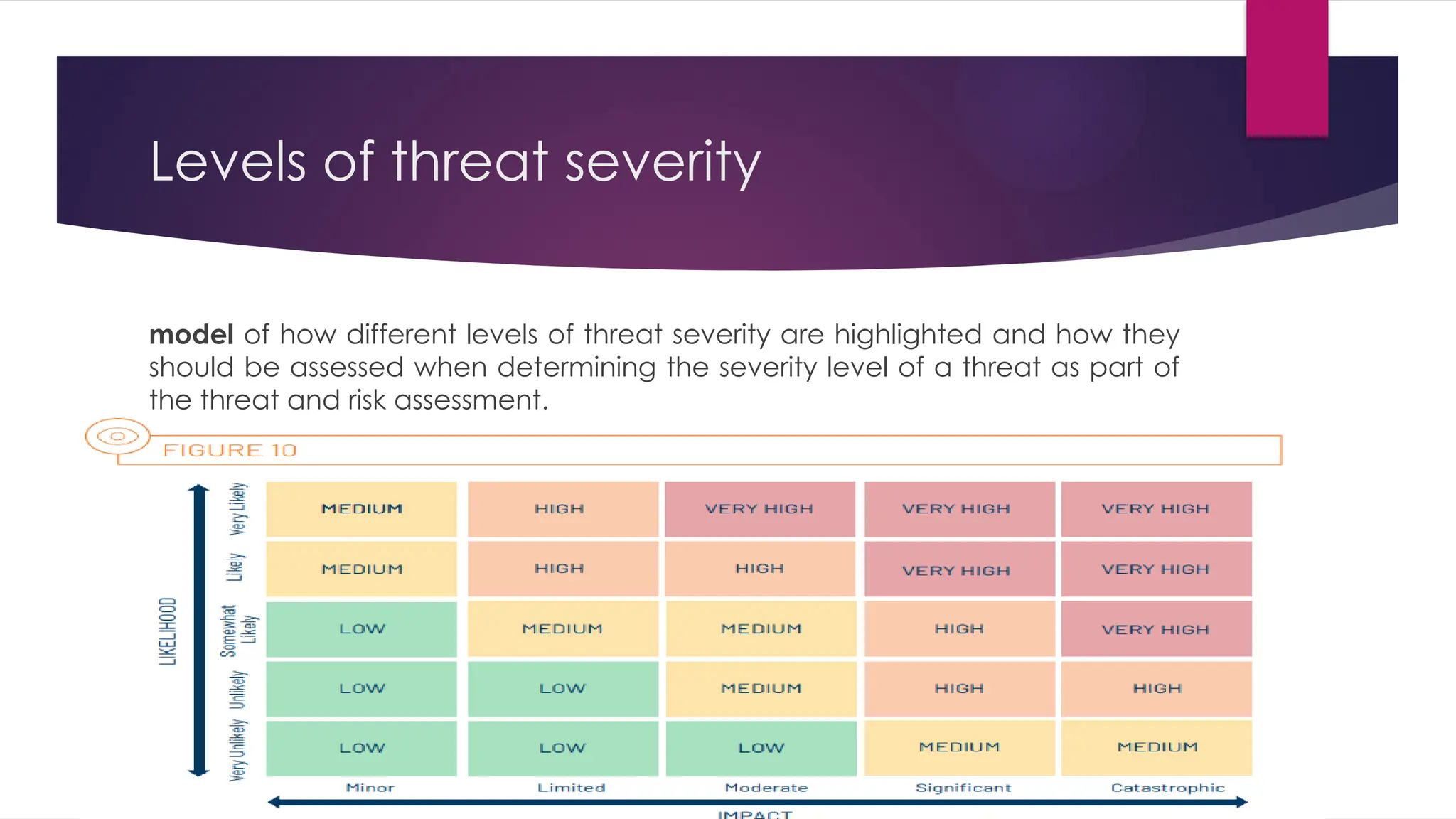
The primary objective of an active threat assessment is to determine if an individual or group possesses the motive, means, and opportunity to carry out a harmful act. This process is investigative and investigative in nature, requiring a shift from "preventing an event" to "managing a person of concern." It is a dynamic process because threats are not static; an individual's level of risk can fluctuate based on personal grievances, environmental stressors, and access to weapons.
Effective ATA programs rely on the "Pathway to Violence" model, originally developed by researchers like Calhoun and Weston. This model suggests that targeted violence is rarely impulsive. Instead, it is the result of a discernible process involving several stages: ideation, planning, preparation, and implementation. By identifying an individual at the ideation or planning stage, security professionals can deploy non-punitive interventions that steer the individual away from the path of violence.
The Pathway to Violence: Understanding Behavioral Indicators
To conduct a successful active threat assessment, one must understand the behavioral markers that signify an escalation in risk. Security professionals in 2026 utilize these indicators to distinguish between "making a threat" and "posing a threat." Many individuals who make verbal threats never act on them, while those who pose the greatest danger often keep their intentions hidden or only "leak" them to a small circle.
The following stages represent the typical progression toward a targeted attack:
- Grievance: The individual perceives a significant injustice, such as a job termination, a failed relationship, or a perceived social slight. This grievance becomes the catalyst for their focus.
- Ideation: The individual begins to consider violence as a legitimate means of resolving their grievance. At this stage, they may begin searching for similar past incidents or expressing admiration for previous attackers.
- Planning: This involves researching targets, scouting locations (casing), and determining the timing of an attack.
- Preparation: The individual acquires the equipment needed, such as firearms, chemicals, or tactical gear. They may also engage in "end-of-life" behaviors, such as giving away possessions or writing manifestos.
- Breach: The final stage before an attack where the individual tests security boundaries or moves toward the target with the intent to harm.
By monitoring for leakage—the accidental or intentional communication of intent to a third party—ATA teams can identify threats during the ideation and planning phases. In 2026, leakage often occurs on encrypted messaging platforms or niche social media forums, making digital forensic capabilities a vital part of the assessment process.
Operationalizing the Threat Assessment Team (TAT)
An active threat assessment cannot be conducted effectively by a single individual. It requires a Multidisciplinary Threat Assessment Team (TAT), sometimes referred to as a Behavioral Intervention Team (BIT). The strength of a TAT lies in its ability to synthesize information from various departments to create a holistic view of the person of concern.
Core Members of a TAT
- Security/Law Enforcement: Provides expertise on physical safety, tactical risks, and legal authorities.
- Human Resources (HR): Offers insight into performance history, disciplinary actions, and benefits that may impact an individual's stability.
- Legal Counsel: Ensures that all interventions and data collection efforts comply with privacy laws, such as the Privacy Act of 1974 or modern 2026 data protection standards.
- Mental Health Professionals: Assists in evaluating the psychological state of the individual and suggesting therapeutic interventions.
- Department Management: Provides "boots on the ground" context regarding changes in the individual's daily behavior or interpersonal conflicts.
The TAT's role is to gather information, evaluate the seriousness of the threat using validated tools (such as the WAVR-21 or V-STAG), and develop a management plan. This plan might include increased monitoring, mandatory counseling, administrative leave, or, in extreme cases, law enforcement intervention.
Comparison of Security Assessment Methodologies
To implement an effective program, it is essential to understand where active threat assessment fits within the broader security architecture.
| Feature | Risk Assessment | Vulnerability Assessment | Active Threat Assessment |
|---|---|---|---|
| Primary Focus | General hazards & probabilities | Physical/Digital weaknesses | Human behavior & intent |
| Methodology | Statistical & Actuarial data | Physical inspections & audits | Behavioral analysis & inquiry |
| Data Sources | Historical logs, crime stats | Blueprints, network scans | Interviews, social media, HR files |
| Primary Goal | Resource allocation | Hardening infrastructure | Individual intervention |
| Outcome | Insurance/Budgeting | Security upgrades | Case management plan |
| Frequency | Annual or bi-annual | Periodic or event-driven | Continuous/Incident-triggered |
The Role of Technology and AI in 2026 Assessments
As of 2026, technology has become a force multiplier for active threat assessments. While human judgment remains the final arbiter of risk, AI-driven sentiment analysis and pattern recognition tools help TATs process vast amounts of data.
Predictive Analytics: Modern systems can flag "concerning clusters" of behavior. For example, if an employee's badge access shows they are visiting the office at 3:00 AM (unusual for their role) and simultaneously their corporate search history shows an interest in "workplace grievances," the system can alert HR to initiate a preliminary inquiry.
Digital Footprint Analysis: Active threat assessment now includes the monitoring of "surface, deep, and dark web" presence. Individuals on a pathway to violence often seek validation in online communities. Tools used in 2026 allow security teams to identify when an internal user is engaging with radicalization materials or weapon-modification forums, providing an early warning sign that precedes physical preparation.
However, the use of AI in ATA must be balanced with ethical considerations. The "black box" nature of some algorithms can lead to bias, particularly against marginalized groups. Therefore, the Department of Homeland Security (DHS) and other regulatory bodies emphasize that AI should only serve as a "lead generator," with all final threat determinations made by the multidisciplinary human team.
Legal and Ethical Frameworks for 2026
Conducting an active threat assessment involves navigating a complex web of legal requirements. In 2026, privacy regulations have become more stringent, requiring organizations to be transparent about their data collection methods while maintaining the confidentiality needed for a sensitive investigation.
Key Legal Considerations
- Duty to Warn/Duty to Protect: Based on the Tarasoff principle, security and mental health professionals may have a legal obligation to warn a potential victim if a specific and immediate threat is identified.
- ADA and Mental Health: The Americans with Disabilities Act (ADA) protects individuals with mental health conditions. An ATA must focus on behavioral evidence of risk rather than a medical diagnosis. You cannot terminate an employee simply because they have a mental illness; you must demonstrate that their behavior poses a "direct threat" to the safety of others.
- Due Process: In educational settings, the Family Educational Rights and Privacy Act (FERPA) governs how student information is shared. 2026 guidelines clarify that "health and safety emergencies" allow for the sharing of information with TAT members without prior consent.
Organizations must document every step of the assessment process. If a violent incident occurs, the organization will be scrutinized on whether it followed its own policies and if the TAT's decisions were "reasonable" based on the information available at the time. Conversely, if an intervention is too aggressive and violates an individual’s rights, the organization faces significant litigation risk.
Implementation Steps for Organizations
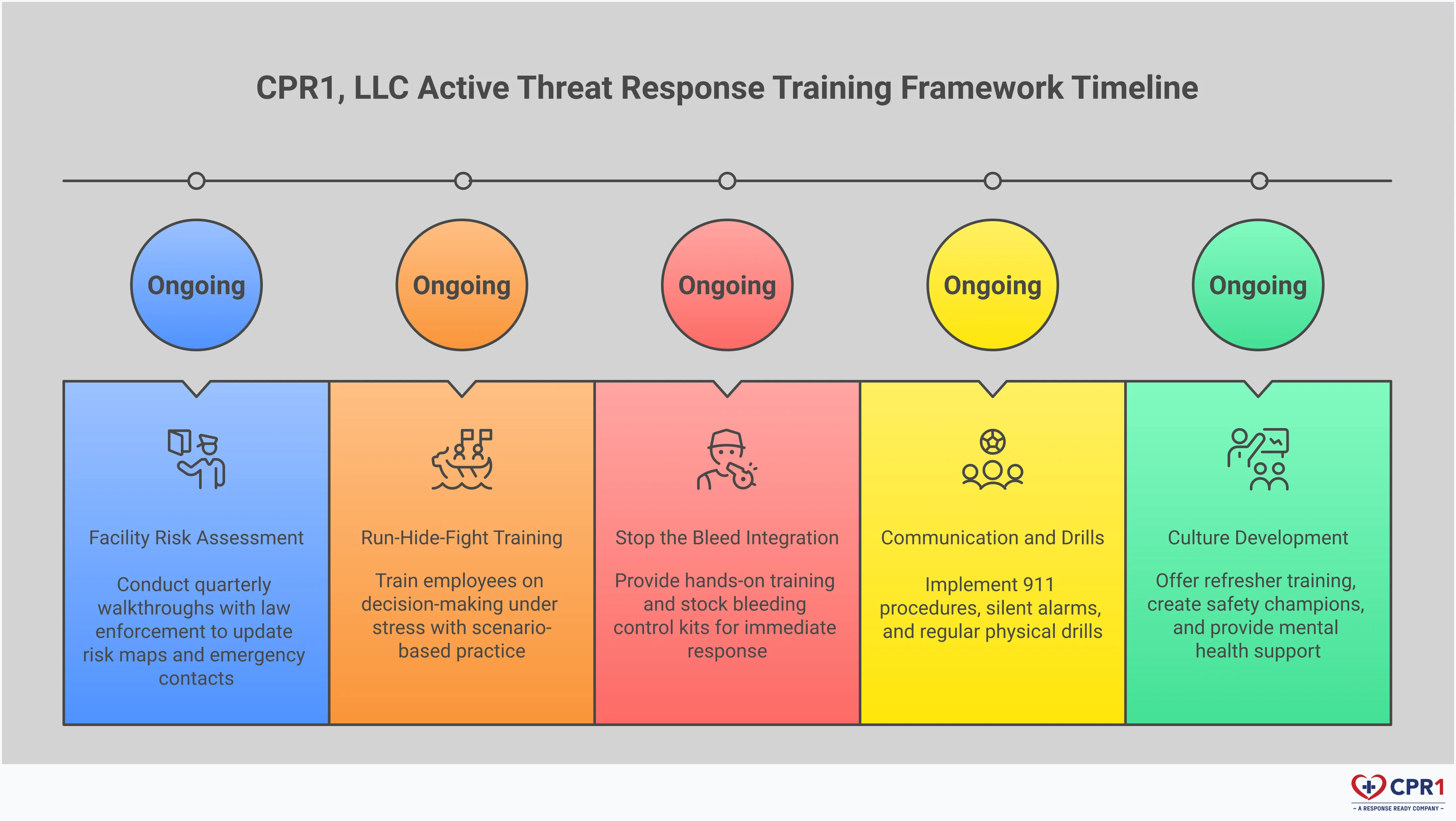
For organizations looking to establish or refine their active threat assessment capabilities in 2026, a structured implementation plan is required.
- Policy Development: Establish clear definitions of what constitutes a threat and the mandate of the TAT. This policy should be vetted by legal and HR departments.
- Reporting Pipelines: Create multiple, anonymous channels for employees or students to report concerning behavior. A "See Something, Say Something" culture is the most effective sensor for any ATA program.
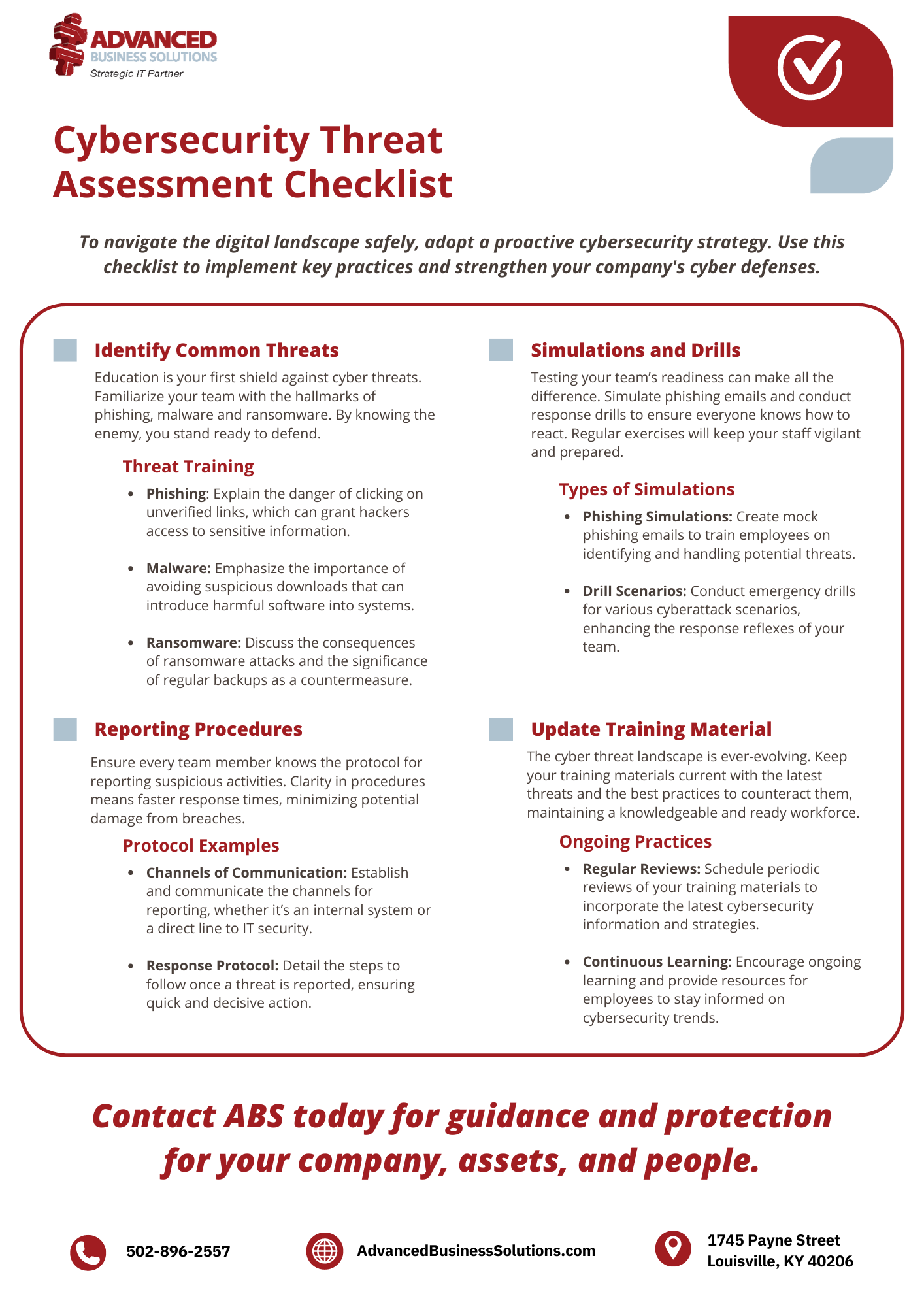
- Team Training: TAT members require specialized training in interview techniques, behavioral analysis, and de-escalation. Annual "tabletop exercises" (TTX) are essential to ensure the team can function under the pressure of a real-world scenario.
- Case Management Systems: Use secure, centralized software to track persons of concern over time. Many threats develop over months or years; having a longitudinal record of behavior is vital for identifying patterns that a single incident might not reveal.
- Community Partnerships: Establish relationships with local law enforcement and mental health crisis teams before an incident occurs. Knowing who to call for a "welfare check" or a "threat consultation" saves critical time during an escalation.
FAQ
What is the difference between a direct threat and a transient threat?
A transient threat is an expression of anger or frustration that does not reflect a serious intent to harm, such as a heated remark that is quickly retracted. A direct threat is a clear, specific, and plausible statement of intent to cause harm, often accompanied by planning or preparation. Distinguishing between the two is a primary function of the initial assessment.
Can active threat assessment be used to prevent insider threats?
Yes. Active threat assessment is one of the most effective tools against insider threats, including corporate espionage and sabotage. By identifying "concerning behaviors"—such as unauthorized data access combined with financial distress or disgruntlement—organizations can intervene before proprietary information is stolen or physical systems are damaged.
How does an organization handle "false positives" in threat assessment?
False positives are managed through a tiered inquiry process. The initial "screening" phase determines if the report has merit. If the behavior is found to be non-threatening, the case is closed or referred to standard HR channels. The goal of a professional TAT is to be "fact-finding," not "fault-finding," ensuring that individuals are not unfairly stigmatized.
Is a psychological evaluation required for every assessment?
No. While psychological insights are helpful, a formal clinical evaluation is not always necessary or even possible if the individual refuses to cooperate. The TAT primarily relies on behavioral evidence—actions, communications, and observable patterns—to determine the risk level.
What is "threat management" versus "threat assessment"?
Threat assessment is the process of gathering information to determine the level of risk. Threat management is the implementation of strategies to mitigate that risk. Management may include social support, disciplinary action, increased physical security, or law enforcement monitoring. Assessment informs the management strategy.
Advancing Your Security Posture
To move forward with an active threat assessment program, organizations should prioritize the formalization of their Threat Assessment Team. Begin by conducting a gap analysis of your current reporting structures and identifying the stakeholders who will form the core of your TAT.
In the second half of 2026, the focus should shift toward integrating behavioral data with physical security systems, ensuring that your "human intelligence" is supported by "technical intelligence." Regular audits of the TAT's effectiveness and adherence to legal standards will ensure the program remains both a powerful safety tool and a compliant corporate function.