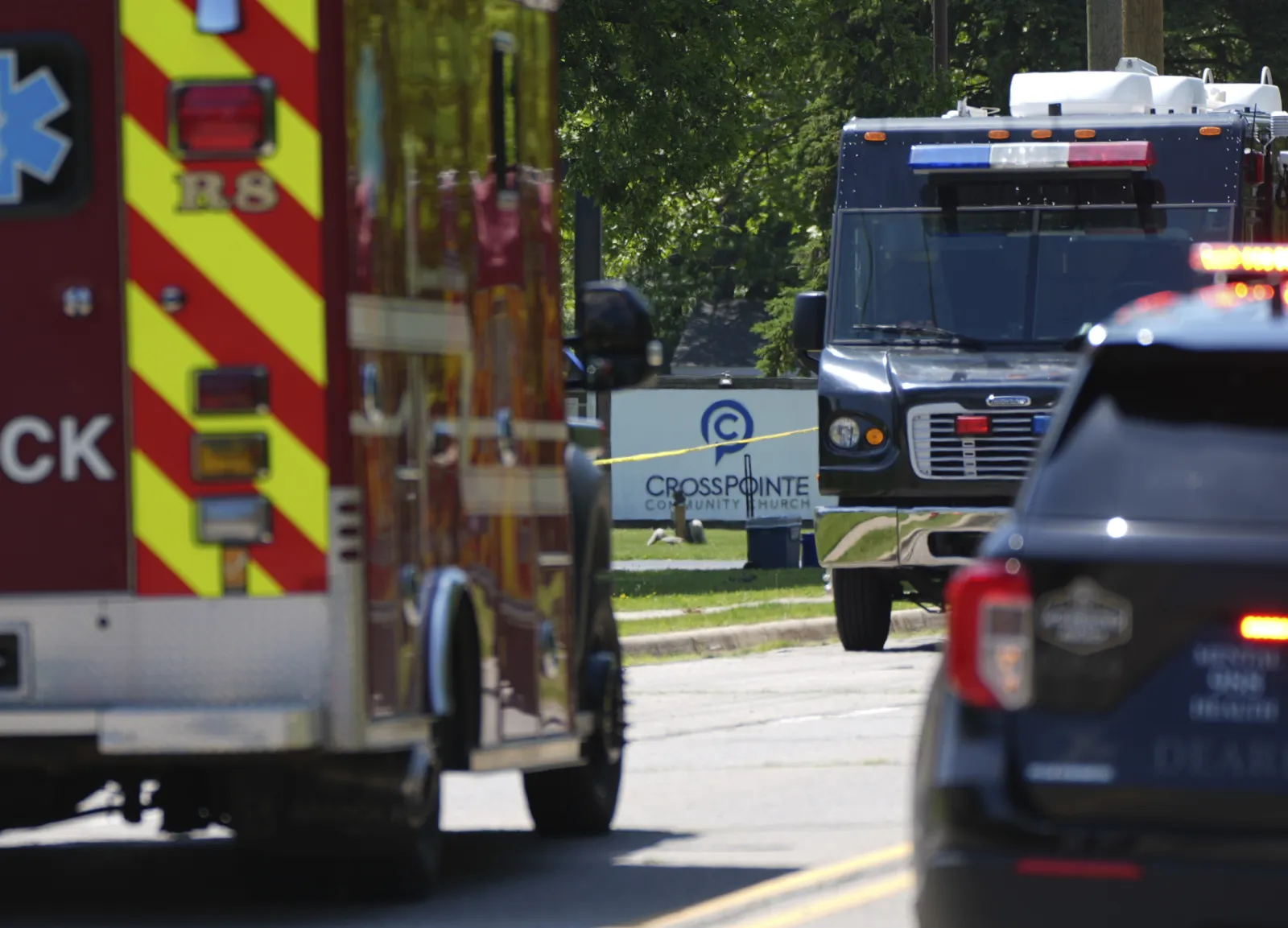
Preparedness for active shooter incidents in Troy, MI, requires a combination of situational awareness, understanding the "Run, Hide, Fight" protocol, and active participation in local alert systems. Residents should prioritize enrolling in OakAlert, the county’s emergency notification system, and familiarizing themselves with the Troy Police Department’s rapid-response strategies and community training programs.
While Troy, Michigan, remains one of the safest cities of its size in the United States, the reality of modern security requires every resident, employee, and visitor to be prepared for the unthinkable. As a major economic hub in Oakland County, Troy features high-traffic areas such as the Somerset Collection, the Big Beaver corporate corridor, and a robust school district. Understanding how to navigate these environments during an emergency is not about living in fear, but about empowering yourself with the tools necessary for survival.
The Landscape of Public Safety and Law Enforcement in Troy
The Troy Police Department (TPD) is the primary agency responsible for responding to active shooter threats within the city limits. In 2026, the department continues to utilize advanced tactical training and inter-agency cooperation to ensure a rapid response. Residents should understand that in the event of an active shooter, the TPD’s immediate priority is to neutralize the threat. Officers are trained to bypass injured persons and move directly toward the sound of gunfire.
Troy often collaborates with the Oakland County Sheriff’s Office and neighboring jurisdictions like Rochester Hills and Sterling Heights. This mutual aid agreement ensures that a massive influx of law enforcement and medical personnel can be deployed within minutes. For residents, this means that the initial response will be fast and intense. Following the immediate neutralization of a threat, secondary teams—including the Southeast Michigan Crimes Against Children Task Force or FBI field offices—may be involved depending on the nature of the location, such as a school or federal building.
The city’s infrastructure also plays a role in safety. Many of Troy’s modern office complexes and retail centers have integrated security systems that link directly to emergency dispatch. When an incident occurs, law enforcement may have access to real-time camera feeds to track a suspect's movement, providing a significant advantage in ending the threat quickly.
Implementing the "Run, Hide, Fight" Protocol
The federal standard for responding to an active shooter is the "Run, Hide, Fight" framework, developed by the Department of Homeland Security (DHS). This protocol is the foundation of safety training in Troy schools and corporate offices.
Run: Your Primary Goal
If there is an accessible escape path, attempt to evacuate the premises. Do not wait for others or gather personal belongings. In a high-density area like a retail center on Big Beaver Road, identify the nearest exits—which are often through "Employees Only" corridors or loading docks, not just the main entrances. Once you have reached a safe area, prevent others from entering the danger zone and call 911. When police arrive, keep your hands visible and empty at all times.
Hide: When Escape is Impossible
If evacuation is not an option, find a place to hide where the shooter is less likely to find you. Your hiding place should be out of the shooter's view and provide protection if shots are fired in your direction (e.g., an office with a closed and locked door). In Troy’s many glass-walled corporate buildings, this can be challenging. Look for interior rooms without windows, lock the door, and blockade it with heavy furniture. Silence your cell phone—turning off both the ringer and the vibration—and remain quiet.
Fight: As a Last Resort
Only when your life is in imminent danger and you cannot run or hide should you attempt to disrupt or incapacitate the active shooter. This requires total commitment. Use improvised weapons such as fire extinguishers, heavy chairs, or scissors. If you are with a group, act together to overwhelm the intruder. The goal is to survive, which necessitates aggressive and decisive action.
Local Emergency Notification and Communication Systems
In an emergency, information is as critical as physical protection. Troy residents have access to several layers of notification that provide real-time updates during an active shooter incident.
- OakAlert: This is the Oakland County Emergency Management notification system. It sends text messages and emails to registered users regarding life-threatening situations. Residents and people who work in Troy are strongly encouraged to register their mobile numbers to receive localized alerts.
- Wireless Emergency Alerts (WEA): These are short emergency messages sent by authorized government alerting authorities through your mobile carrier. No sign-up is required for WEA, but users should ensure "Emergency Alerts" are enabled in their phone’s notification settings.
- Social Media and Local News: The Troy Police Department maintains an active presence on platforms like X (formerly Twitter) and Facebook. During an ongoing incident, these channels are often used to designate "Family Reunification Centers" and specify areas to avoid.
Understanding the Comparison of Survival Strategies
| Strategy Component | Primary Action | Critical Requirement | Mental State |
|---|---|---|---|
| Run | Evacuate immediately | Knowledge of secondary exits | Decisive and fast |
| Hide | Barricade and silence | Door locks and heavy furniture | Calm and disciplined |
| Fight | Neutralize the threat | Improvised weapons and teamwork | Aggressive (Last Resort) |
| Report | Call 911 / OakAlert | Specific location and suspect description | Observant and factual |
Safety in Specific Troy Environments: Schools and Workplaces
Troy is characterized by its high concentration of educational institutions and corporate headquarters. Each environment presents unique challenges during an active shooter event.
Troy School District (TSD) Safety
The Troy School District utilizes a combination of physical security measures and psychological preparedness. Most schools in the district employ the ALICE (Alert, Lockdown, Inform, Counter, Evacuate) training program. Parents should be aware that during a lockdown, schools will not allow anyone to enter or leave. The district coordinates with the TPD to place School Resource Officers (SROs) in secondary schools, providing an immediate armed response if needed.
Corporate and Retail Security
For those working in the "Top of Troy" or shopping at Somerset Collection, security is often a blend of private guards and municipal police. Businesses in Troy are encouraged to conduct "Stop the Bleed" training, which teaches employees how to use tourniquets and pressure dressings to treat life-threatening injuries before paramedics can safely enter the scene. If you are an employer, ensuring your staff knows the location of trauma kits is a vital component of a modern safety plan.
Reporting Suspicious Activity: See Something, Say Something
Prevention is the most effective way to handle active shooter incidents. Most attackers display "leakage" or observable behaviors of concern before an event occurs. In Troy, residents can use several avenues to report suspicious behavior or threats:
- 911: For immediate threats or crimes in progress.
- Troy Police Non-Emergency Line: For reporting suspicious vehicles or persistent concerns that do not require an immediate siren response.
- OK2SAY: This is Michigan’s student safety program which allows anyone to confidentially report tips on potential harm or criminal activities directed at school students, school employees, or schools.
- ERPO (Extreme Risk Protection Orders): Under Michigan law, family members or law enforcement can petition a court to temporarily remove firearms from an individual who poses a significant danger to themselves or others. This "Red Flag" law is a key tool for intervention in potential mass shooting scenarios.
Training Resources and Next Steps for Residents
Preparedness is a continuous process. The Troy Police Department occasionally hosts Citizens Police Academies and safety seminars that include active shooter survival components. Additionally, the Federal Bureau of Investigation (FBI) provides extensive online resources, including videos and manuals tailored to different environments like houses of worship, healthcare facilities, and malls.
Residents should also consider taking a basic first aid and CPR course. In many active shooter incidents, victims survive the initial event but succumb to blood loss before the scene is declared safe for Emergency Medical Services (EMS). Being able to apply a tourniquet can be the difference between life and death in the "warm zone" of a tactical response.
FAQs About Active Shooter Incidents in Troy, MI
What is the average police response time in Troy for an active shooter?
While specific times vary based on patrol locations, the Troy Police Department maintains high-density coverage, especially near commercial zones. In active shooter scenarios, the first responding officers—often arriving within 2 to 5 minutes—are trained to enter the building immediately without waiting for a SWAT team, as every second is critical in stopping the threat.
Can I carry a concealed weapon for protection in Troy?
Michigan is a "shall-issue" state for Concealed Pistol Licenses (CPL). However, CPL holders must be aware of "pistol-free zones" under Michigan law, which include schools, daycare centers, sports arenas, and large entertainment facilities. If an incident occurs, a CPL holder must exercise extreme caution; law enforcement arriving on the scene will view anyone with a drawn weapon as a potential threat.
How does the city handle family reunification after an incident?
The City of Troy and the Troy School District have pre-designated reunification sites. These locations are kept confidential until an incident occurs to ensure the safety of the families. Updates on reunification locations are typically broadcast via OakAlert, local news, and the Troy Police Department’s verified social media accounts.
Are there specific laws in Michigan that help prevent active shooters?
Yes, Michigan has several legislative measures, including universal background checks for all firearm purchases and Extreme Risk Protection Orders (ERPO). These laws allow for proactive intervention if an individual shows signs of becoming a threat to the public or themselves.
What should I do if I am in a "lockdown" at a Troy business?
Follow the directions of the management or security personnel immediately. Turn off all lights, lock and barricade the door, and move away from any windows or glass partitions. Stay low to the floor and remain completely silent. Do not open the door for anyone until you are certain it is law enforcement, usually confirmed by seeing a uniform or hearing a command through a PA system.
Develop Your Personal Emergency Plan
The most effective way to manage the stress of a potential emergency is to have a pre-established plan. Discuss with your family where you would meet if separated during an incident at a public place like a park or the mall. Ensure every member of your household knows how to "Run, Hide, Fight" and understands the importance of following police instructions without hesitation. By taking these proactive steps, Troy residents contribute to a more resilient and prepared community.