An active roster is the official list of players currently eligible by a professional sports team to participate in games and receive full major-league benefits. While total organizational depth includes minor leaguers and reserve players, only those on the active roster can suit up, enter the field of play, and count toward game-day personnel limits.
Managing an active roster is one of the most complex tasks for general managers and coaching staffs. It involves balancing immediate tactical needs against long-term asset management, salary cap constraints, and injury protocols. Whether it is the 53-man squad in the NFL or the 26-man roster in Major League Baseball, the active roster defines who is "in" and who is "out" at any given moment during the 2026 season.
The Structure of the NFL Active Roster
In the National Football League (NFL), the active roster is famously limited to 53 players. However, being one of the 53 does not automatically mean a player is eligible to play on Sunday. The NFL utilizes a secondary "game-day active" list, which further restricts the number of players available for a specific contest.
The 53-Man Limit and Game-Day Actives
Throughout the 2026 regular season, teams maintain a 53-man active roster. To encourage offensive line depth and safety, the NFL allows teams to dress up to 48 players for a game, provided at least eight of those players are offensive linemen. If a team carries fewer than eight offensive linemen, the game-day active limit drops to 47. This distinction is vital for coaching strategies, as teams must decide which specialists or depth pieces are "inactive" despite being on the 53-man roster.
The Practice Squad and Elevations
A critical component of roster management is the practice squad. In 2026, teams typically carry 16 practice squad players. While these athletes are not on the "active roster," the league allows "standard elevations." This rule permits a team to move a player from the practice squad to the active game-day roster up to three times per season without signing them to a standard 53-man contract. This provides flexibility for injury coverage or testing young talent without risking the player being claimed by another team on waivers.
Injured Reserve (IR) and Designations to Return
Players on the Active Roster who suffer significant injuries are often moved to the Injured Reserve list. Once moved to IR, a player no longer counts toward the 53-man limit. In 2026, NFL rules allow a specific number of players to be "designated to return" from IR after missing a minimum of four games. This mechanism is the primary way teams navigate the physical toll of a 17-game season while maintaining a competitive active roster.
Major League Baseball: The 26-Man and 40-Man Distinction
Baseball presents a unique two-tiered roster system that can be confusing for casual observers. To understand the active roster in MLB, one must first distinguish it from the 40-man roster.
The 26-Man Active Roster
The 26-man roster consists of the players who are physically with the major league club and eligible to play in a game. Since the rule changes of the early 2020s, there is a strict cap on the number of pitchers a team can carry (typically 13), ensuring that teams do not over-rely on specialized relief pitching at the expense of position player depth.
The 40-Man Roster and "Options"
The 40-man roster includes the 26 active players plus players on the 15-day Injured List, certain minor league prospects, and players on the 60-day Injured List (who are technically on the 40-man but do not count toward the limit). A player must be on the 40-man roster to be "called up" to the active roster.
The most technical aspect of MLB roster management is "minor league options." When a player is on the 40-man roster but sent down to the minors, they are "on option." A player typically has three option years. During these years, a team can move the player between the active roster and the minors as often as they like (within specific 15-day windows). Once a player is "out of options," they cannot be removed from the active roster without being placed on "waivers," allowing every other team in the league a chance to claim them.
September Call-ups
In 2026, MLB continues the tradition of roster expansion in September, though it is more limited than in decades past. Active rosters typically expand from 26 to 28 players for the final month of the season. This allows teams to bring up fresh arms for a playoff push or give top prospects their first taste of the big leagues.
NBA Roster Requirements and Two-Way Contracts
The National Basketball Association (NBA) maintains smaller active rosters compared to football or baseball, emphasizing individual player impact and luxury tax management.
The 15-Player Standard
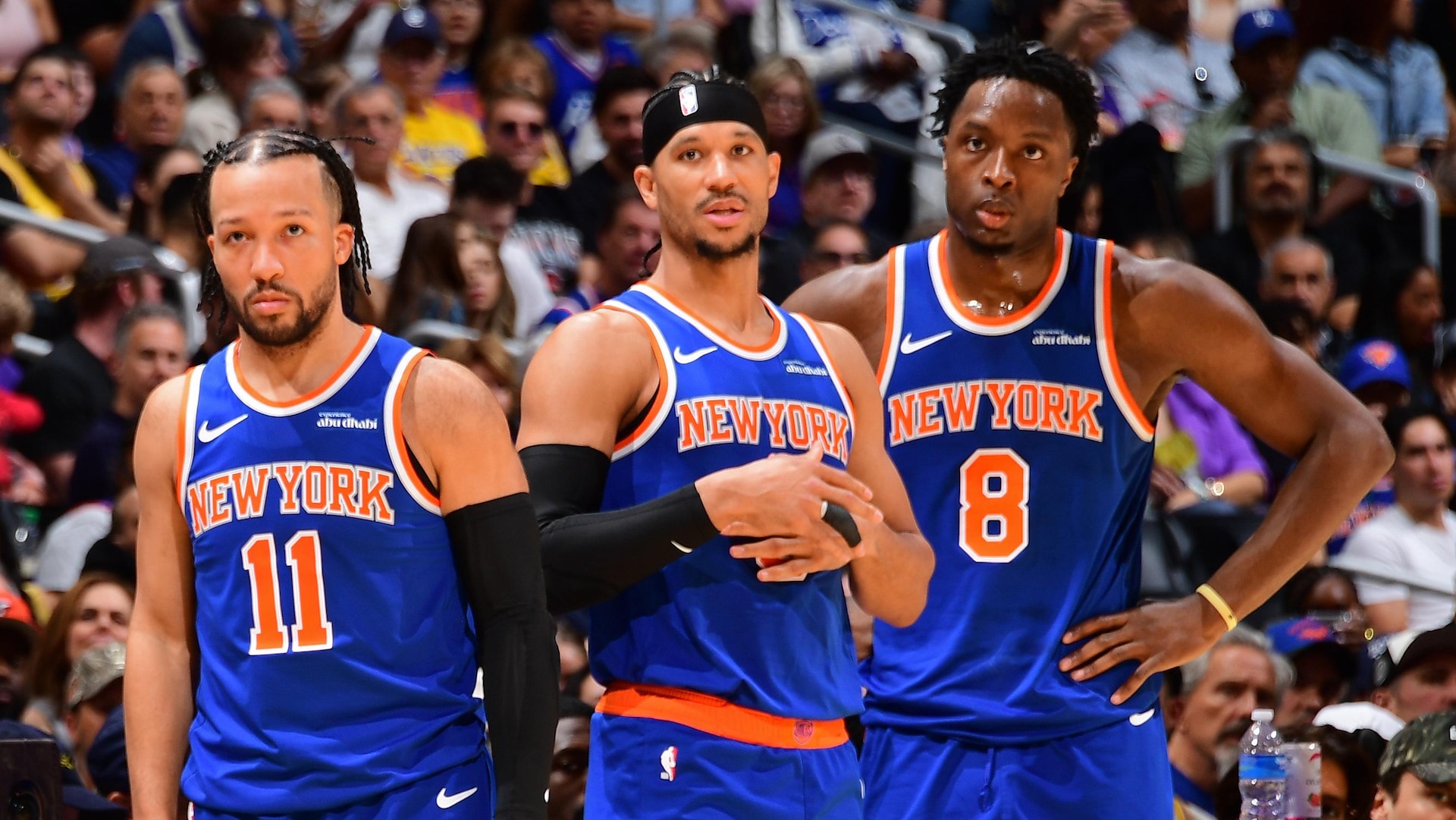
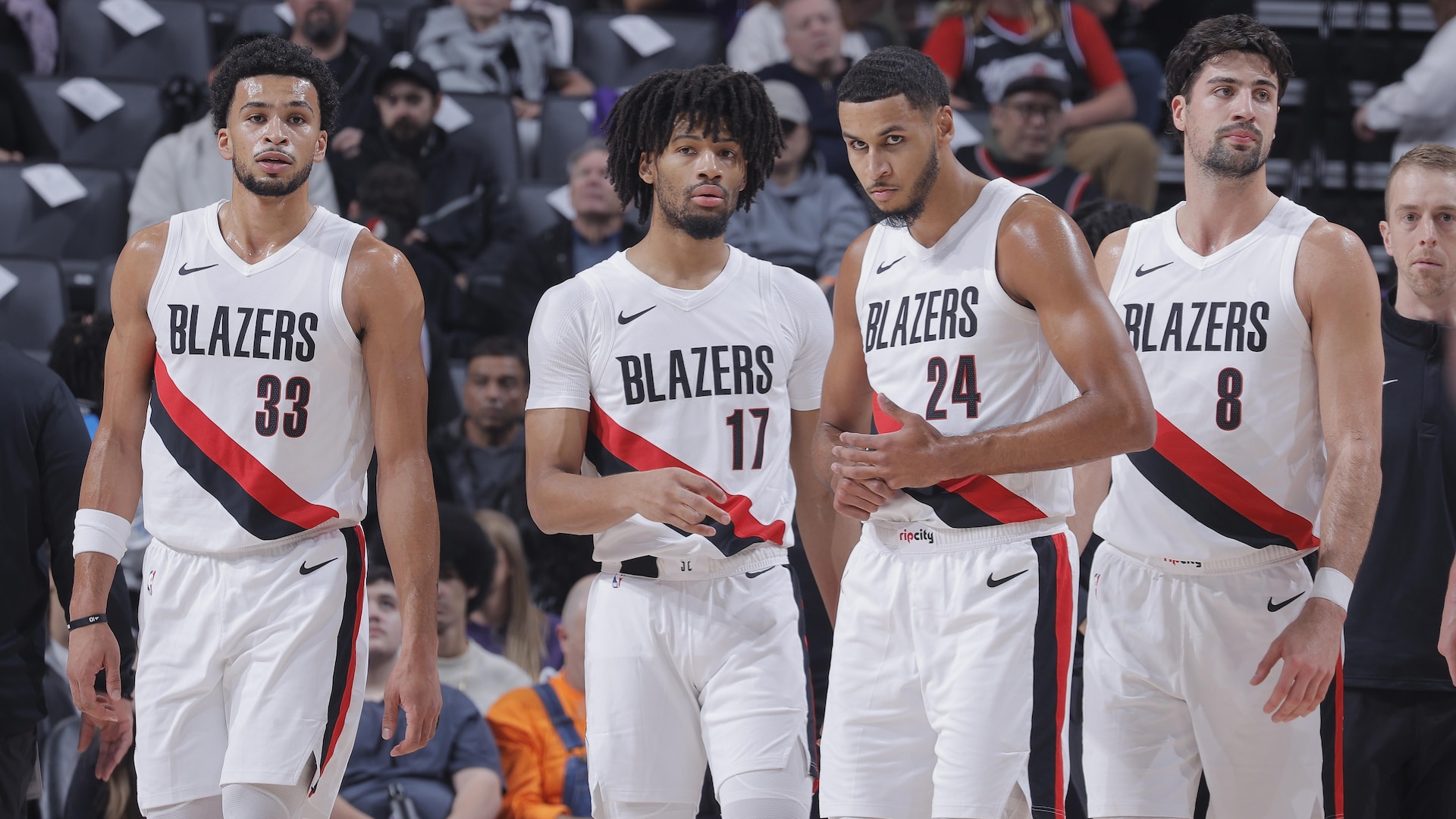
Under the current Collective Bargaining Agreement (CBA) active in 2026, NBA teams can carry a maximum of 15 players on their standard active roster. On game nights, teams designate up to 13 players as "active" and dressed for play, while the remaining two are listed as "inactive."
Two-Way Contracts
To bridge the gap between the NBA and the G League, teams are allowed three "Two-Way" contract slots. These players do not count toward the 15-man standard roster limit. Two-way players can spend up to 50 games with their NBA parent club. This has become a vital tool for developing "3-and-D" specialists and backup point guards without occupying a precious spot on the primary active roster.
The Luxury Tax Influence
Roster management in the NBA is often a financial decision as much as an athletic one. Teams over the "luxury tax" threshold often keep their active roster at 14 players (the league minimum) rather than 15 to save millions in tax penalties. This creates a "revolving door" at the end of the bench, where players are signed to 10-day contracts to fill temporary needs.
NHL Roster Limits and the Salary Cap
The National Hockey League (NHL) operates with a 23-man active roster limit. Unlike the NBA or NFL, there is no "dressed" limit that differs significantly from the roster limit; usually, 20 players (18 skaters and two goalies) dress for each game.
The Hard Salary Cap
The NHL's active roster is strictly governed by a "hard" salary cap. Every dollar of a player's contract on the active roster counts against the cap daily. This leads to "paper transactions," where teams move players to the minor leagues (AHL) on off-days just to save a few thousand dollars in cap space, only to recall them before the next game.
Long-Term Injured Reserve (LTIR)
The most significant "roster hack" in the NHL is the use of Long-Term Injured Reserve. If a player is expected to miss 10 games and 24 days, their salary cap hit can be functionally "exceeded" by the team to sign a replacement. This allows teams to maintain an active roster that technically costs more than the league’s stated cap, provided they have enough injuries to justify the filings.
Comparison of Professional Active Roster Rules (2026)
| League | Active Roster Limit | Game-Day Dressed Limit | Reserve/Secondary List | Key Movement Rule |
|---|---|---|---|---|
| NFL | 53 Players | 48 Players | 16-Man Practice Squad | 3 Elevations per player |
| MLB | 26 Players | 26 Players | 40-Man Roster | 3 Option Years |
| NBA | 15 Players | 13 Players | 3 Two-Way Slots | 10-Day Contracts |
| NHL | 23 Players | 20 Players | Unlimited (if under cap) | Waivers required for AHL |
Transaction Mechanics: How Players Move
Moving a player onto or off an active roster involves several formal mechanisms. These rules prevent teams from "hoarding" talent and ensure players have a fair chance to find employment elsewhere if they are not being used.
- Waivers: When a team wants to remove a player from the active roster but keep them in the organization (and the player is out of options or has enough seniority), they must clear waivers. All other teams have 24 to 48 hours to claim the player and their existing contract.
- Designation for Assignment (DFA): Specific to MLB, this removes a player from the 40-man roster immediately. The team then has seven days to trade the player, release them, or place them on waivers.
- Release: This terminates the contract. The player becomes a free agent, but the team is often still responsible for the "guaranteed" portion of the salary, which still impacts the salary cap or luxury tax in many leagues.
- Trades: Players can be moved between active rosters of different teams. However, the receiving team must have an open spot on their own active roster or create one by cutting or demoting another player.
Detailed information on these transactions is often found in the official league rulebooks or MLB's Transaction Glossary.
Common Pitfalls in Roster Management
General managers often face "roster crunches" where they have more talented players than available active spots. This leads to several common strategic errors:
- Losing Assets for Nothing: A team might try to "sneak" a young player through waivers to the practice squad, only to have a rival team claim them.
- Cap Stranding: In the NHL or NBA, a team might sign so many expensive veterans that they cannot afford to call up a player from the minors, even when an injury occurs, because they lack the "cap room" to add even a minimum-salary player to the active roster.
- Service Time Manipulation: Particularly in MLB, teams sometimes keep a player off the active roster for the first few weeks of a season to delay their free agency by a full year. While discouraged by players' unions, it remains a point of contention in 2026.
FAQ: Active Roster Specifics
Does a player on the active roster get paid more than a practice squad player?
Yes, significantly. In almost every professional league, the "minimum salary" for a player on the active roster is much higher than the weekly stipend or salary for a practice squad or minor league player. For instance, an NFL player on the 53-man roster earns a minimum pro-rated portion of hundreds of thousands of dollars, whereas practice squad salaries are fixed at a much lower weekly rate.
Can a player be on the active roster but not "on the team"?
No, being on the active roster is the highest form of being "on the team." However, a player can be "in the organization" (on a minor league or reserve list) without being on the active roster. Only those on the active roster are considered "Major Leaguers" or "Active NFL Players" for the purposes of service time and pension credits.
What happens to the active roster during the playoffs?
In most leagues, the active roster "freezes" or follows specific post-season rules. In MLB, for example, a player must be on the 40-man roster or the 60-day Injured List by midnight on August 31 to be eligible for the post-season active roster. In the NFL, practice squad elevation rules often become more flexible during the playoffs.
How often can a team change its active roster?
A team can change its active roster every day, provided they follow the league's transaction protocols (waivers, notice periods, etc.). In baseball and hockey, roster moves are daily occurrences. In the NFL, moves are most common on Tuesdays (the traditional day off) and Saturdays (the day before games).
What is an "Exempt" roster spot?
Occasionally, a league will grant a team an "Exempt" spot. This usually happens in cases of international players (the NFL's International Player Pathway), players returning from a long suspension, or players dealing with specific legal or personal matters (like the Commissioner's Exempt List). An exempt player can practice with the team but does not count against the 53-man or 26-man active limit.
Strategic Recommendations for Roster Analysis
For analysts and fans looking to track team strength, the active roster is a better indicator of success than the total depth chart. When evaluating a team's chances, focus on the "Game-Day Active" list rather than the full roster, as the health of those 48 (NFL) or 13 (NBA) players determines the actual outcome on the field.
For those managing fantasy sports or sports betting portfolios in 2026, tracking the "transactions" wire is essential. A player being moved from the active roster to the 60-day Injured List (MLB) or Long-Term Injured Reserve (NHL) is a signal of a long-term vacancy that creates opportunity for a "sleeper" candidate to join the active roster and see significant playing time. Always verify a player's status through official league portals like NFL.com/transactions or NBA.com's official injury report before making final evaluations.