Active reading is a deliberate, high-engagement approach to processing text that transforms the reader from a passive recipient of information into an active participant. By questioning, annotating, and synthesizing material in real-time, you significantly improve memory retention and the ability to apply complex concepts in academic, professional, and personal contexts.
While most people learn the mechanics of reading in childhood, few are taught the cognitive strategies required to extract maximum value from dense or complex material. Passive reading—the act of moving one’s eyes across a page while the mind wanders—often results in the "illusion of competence," where a reader feels they understand the material simply because they have finished the pages, only to realize minutes later they cannot recall the core arguments. As we navigate the information-dense landscape of 2026, active reading has become a critical skill for filtering noise and internalizing essential knowledge.
The Cognitive Science of Active Engagement
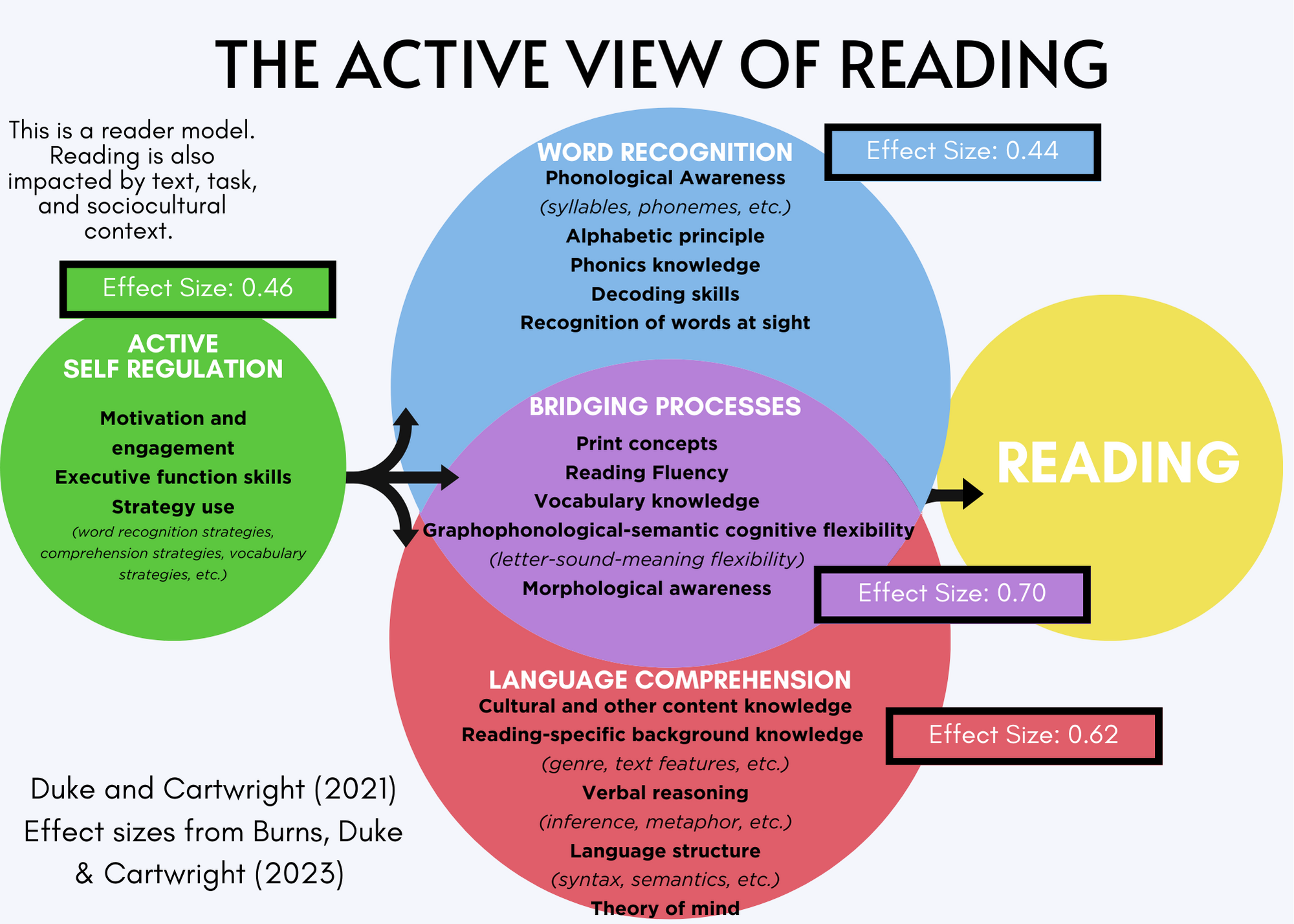
To understand why active reading is superior to passive consumption, we must look at how the brain processes information. Passive reading relies on "shallow processing," where the brain recognizes words but does not necessarily integrate them into existing knowledge structures. In contrast, active reading triggers "deep processing" by forcing the brain to perform several high-level cognitive tasks simultaneously.
One primary mechanism at work is metacognition, or "thinking about thinking." An active reader constantly monitors their own level of understanding. If they encounter a sentence that doesn't make sense, they stop, re-read, or look up a definition. This self-regulation prevents the "mind-wandering" effect that plagues passive readers. Furthermore, active reading leverages Schema Theory. Our brains store information in networks called schemas. When you actively relate new information to what you already know, you are physically building new neural connections, making the information much easier to retrieve later.
Another key component is the Generation Effect. Research consistently shows that information is better remembered if it is generated from one's own mind rather than simply read. When an active reader summarizes a paragraph in their own words or generates a question about the text, they are "generating" knowledge. This effortful processing signals to the brain that the information is important, moving it from short-term working memory into long-term storage.
The SQ3R Method: A Proven Framework for Deep Work
One of the most enduring and effective frameworks for active reading is the SQ3R method. Developed by Francis P. Robinson in the 1940s, it remains a gold standard for students and professionals in 2026 who need to master technical or academic texts.
1. Survey
Before diving into the first paragraph, spend five minutes surveying the entire text. Look at headings, subheadings, charts, bolded terms, and the summary or conclusion. This "pre-reading" phase creates a mental map of the material. By understanding the structure first, your brain knows where to "file" information as you encounter it during the deep read.
2. Question
Turn headings and subheadings into questions. If a heading is "The Causes of Inflation," your question should be "What are the primary drivers of inflation according to this author?" This simple shift changes your mindset from "What does this say?" to "I am looking for the answer to a specific question." This creates a "search-and-find" mission that keeps the brain alert.
3. Read
Read one section at a time with your questions in mind. Unlike passive reading, this is a targeted activity. You are not just reading for completion; you are reading for comprehension. If a section does not answer your question, or if it raises new ones, adjust your strategy.
4. Recite
After finishing a section, look away from the book and try to answer your question in your own words. If you cannot do this, you haven't internalized the information. This step is crucial because it exposes gaps in your understanding immediately, rather than during an exam or a high-stakes meeting.
5. Review
Once you have completed the entire text, go back through your notes and questions. Can you still explain the main points? The review phase is where long-term retention is solidified. Spaced repetition—reviewing the material again after 24 hours, one week, and one month—is the most effective way to ensure the knowledge remains accessible.
Annotation and Marginalia: The Art of Talking to the Text
Active reading is often a physical activity. In 2026, whether you are using a physical book or a high-end digital tablet, annotation is the primary tool for engagement. Effective annotation is not about highlighting every other sentence; in fact, over-highlighting is a common trap that mimics passive reading.
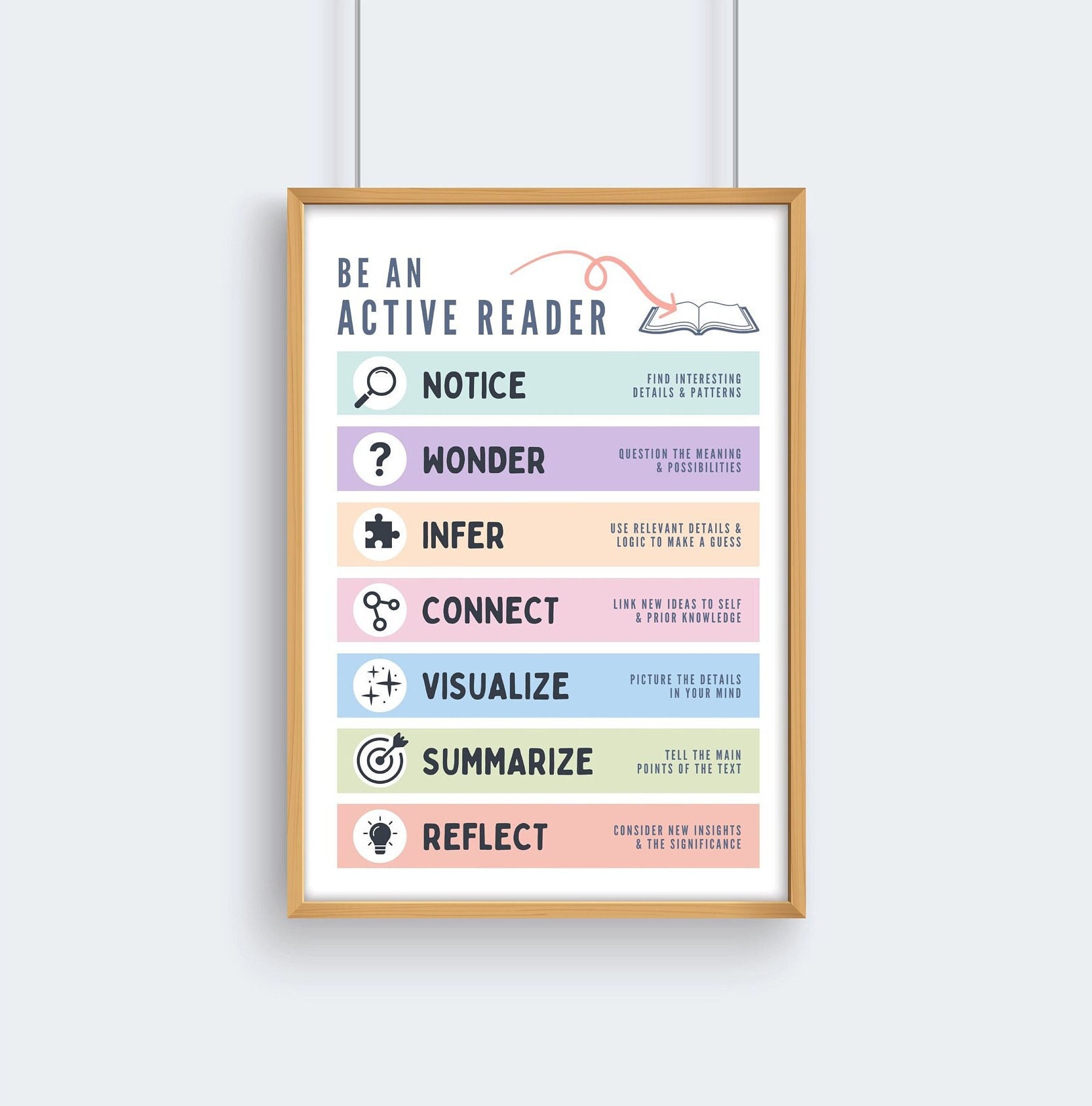
True annotation involves "talking back" to the author. This includes:
- Marginalia: Writing brief summaries, disagreements, or related ideas in the margins.
- Symbols: Using a personal shorthand (e.g., "!" for surprising facts, "?" for confusing points, "*" for key arguments).
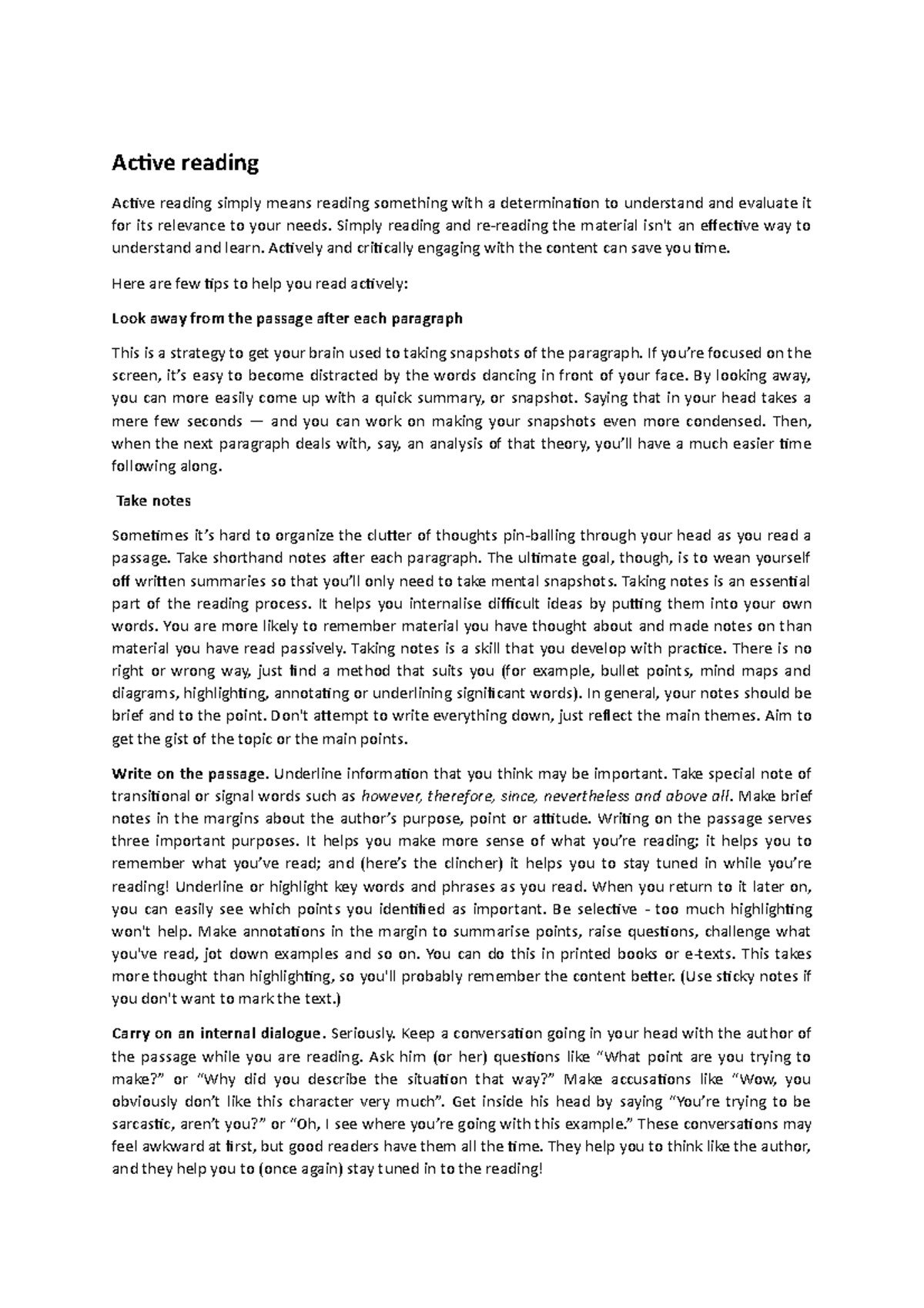
- Structural Cues: Circling transition words like "however," "therefore," or "consequently" to follow the author's logic.
The goal of annotation is to create a "conversation" with the text. When you write a note in the margin, you are forced to synthesize the information and commit to a thought. This record of your thinking also makes future reviews much faster, as you can scan your own notes rather than re-reading the entire text.
Comparing Active and Passive Reading Approaches
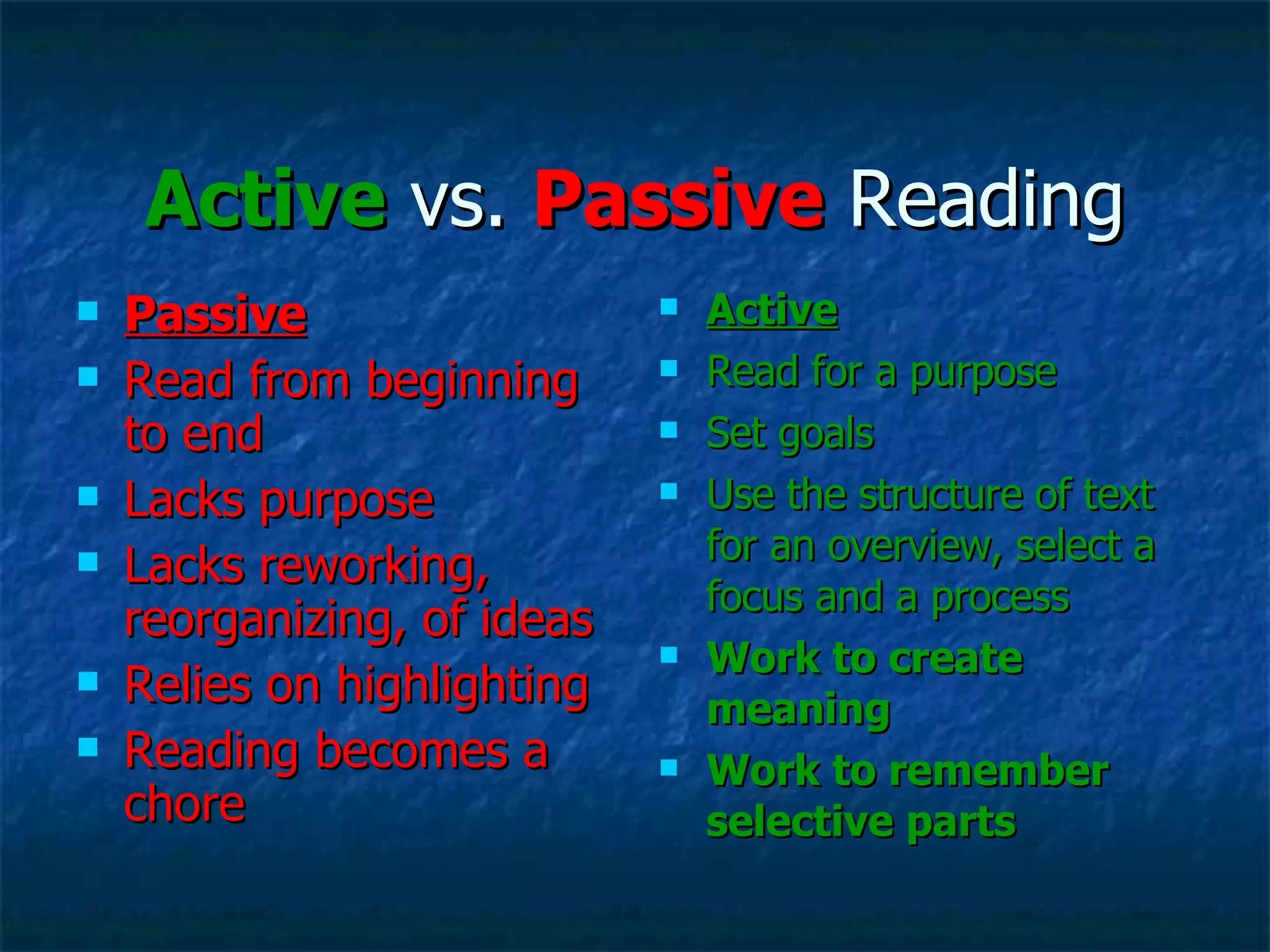
The following table outlines the fundamental differences between these two approaches to help you identify areas for improvement in your own habits.
| Feature | Passive Reading | Active Reading |
|---|---|---|
| Primary Goal | Completion of the text. | Mastery and retention of content. |
| Mental State | Relaxed, receptive, often drifting. | Intense, questioning, and focused. |
| Tools Used | None, or perhaps a single highlighter. | Pen, notebook, digital tags, or symbols. |
| Pace | Consistent, often fast. | Variable (slower for hard parts, faster for fluff). |
| Retention | Short-term; quickly forgotten. | Long-term; integrated into knowledge base. |
| Outcome | Familiarity with the topic. | Ability to explain and apply concepts. |
| Effort Level | Low; low energy required. | High; mentally demanding. |
Active Reading in the Digital Age
As of 2026, the majority of our reading occurs on screens. While digital reading offers convenience, it also presents unique challenges to active reading, primarily due to the "flicker" of distraction from notifications and the tendency to "skim" online content.
To maintain active reading habits digitally, consider the following technical adjustments:
- Digital Annotation Tools: Use PDF editors or specialized reading apps (like Readwise or Obsidian) that allow for highlighting and linked note-taking. These tools often allow you to export your "active" thoughts into a second-brain system.
- Monochromatic Modes: Switch your tablet or e-reader to grayscale to reduce the dopamine hit from colorful icons and advertisements, which can pull you out of deep focus.
- The "Paper-Like" Experience: Many readers in 2026 prefer e-ink displays or matte screen protectors that provide tactile feedback similar to paper, making the physical act of "writing" on the screen feel more natural and engaging.
Regardless of the medium, the principle remains the same: the more you "work" the text, the more the text works for you. If you find yourself scrolling without purpose, stop and reset your intention.
Common Barriers to Mastery and How to Overcome Them
Transitioning to active reading is not without its difficulties. Many people find it "exhausting" because it requires significantly more metabolic energy than passive reading.
1. Cognitive Fatigue: Because active reading is a form of "deep work," you cannot do it for hours on end. For high-retention tasks, limit sessions to 25–50 minutes, followed by a complete mental break. Trying to maintain active engagement for three hours straight usually leads to a decline in quality.
2. The Speed Trap: Many people feel they are "too slow" when reading actively. It is important to realize that reading speed is not a marker of intelligence or efficiency; comprehension is. It is better to spend one hour truly mastering five pages than ten minutes skimming twenty pages and remembering nothing.
3. Perfectionism in Note-Taking: Some readers get bogged down trying to make their annotations look beautiful or "perfect." This is a distraction. Annotations are for you, not for publication. They should be functional and fast. If your notes are messy but your understanding is clear, you are succeeding.
Frequently Asked Questions
Does active reading take significantly longer than normal reading?
Yes, active reading takes more time upfront because you are stopping to question, summarize, and annotate. However, it saves a massive amount of time in the long run. Because you retain the information more effectively, you spend less time re-reading the same material later or "cramming" before you need to use the information.
Can I practice active reading with fiction or just non-fiction?
While typically associated with textbooks and research, active reading is highly effective for fiction. Active readers of fiction track character development, notice recurring motifs, and predict plot turns. This leads to a much richer aesthetic experience and a deeper understanding of the author's themes, making literature more rewarding.
Should I take notes inside the book or in a separate notebook?
This depends on your goal. Marginalia (notes inside the book) is best for immediate engagement and following the author's flow. A separate notebook (or digital "second brain") is better for synthesizing information from multiple sources or for high-level summaries that you want to reference without having the book in hand. Many experts recommend a hybrid approach.
Is highlighting a form of active reading?
On its own, no. Highlighting is often "passive engagement" because it doesn't require you to process the information—you are just coloring it. To make highlighting active, you must pair it with a note in the margin explaining why that sentence was important or how it connects to another idea.
How do I start if I have a short attention span?
Start small using the "one-paragraph" rule. Read a single paragraph, stop, and explain it out loud to an imaginary student. If you can't, read it again. Gradually increase the volume of text as your "concentration muscle" gets stronger. Using a timer (the Pomodoro technique) can also help manage a shorter attention span.
Next Actions: Implementing Your Active Reading Workflow
To begin improving your comprehension immediately, do not try to implement every strategy at once. Instead, follow this structured progression:
- Select a "Target" Text: Choose a challenging article, chapter, or report you need to read this week.
- The 5-Minute Survey: Before reading a word of the body text, scan the headings and conclusion. Write down three questions you expect the text to answer.
- Use a Pen (or Stylus): Never read without a tool in your hand. Even if you only underline one key sentence per page and write a single word in the margin, the physical act will keep you more tethered to the material.
- The "Post-Game" Summary: Once finished, close the book and write a three-sentence summary of what you just learned. If you can’t do this, go back and survey the headings again.
By shifting your mindset from "consuming content" to "mining for insights," you will find that your reading becomes not just more productive, but more enjoyable. The effort required for active reading is the very thing that makes the knowledge stick.