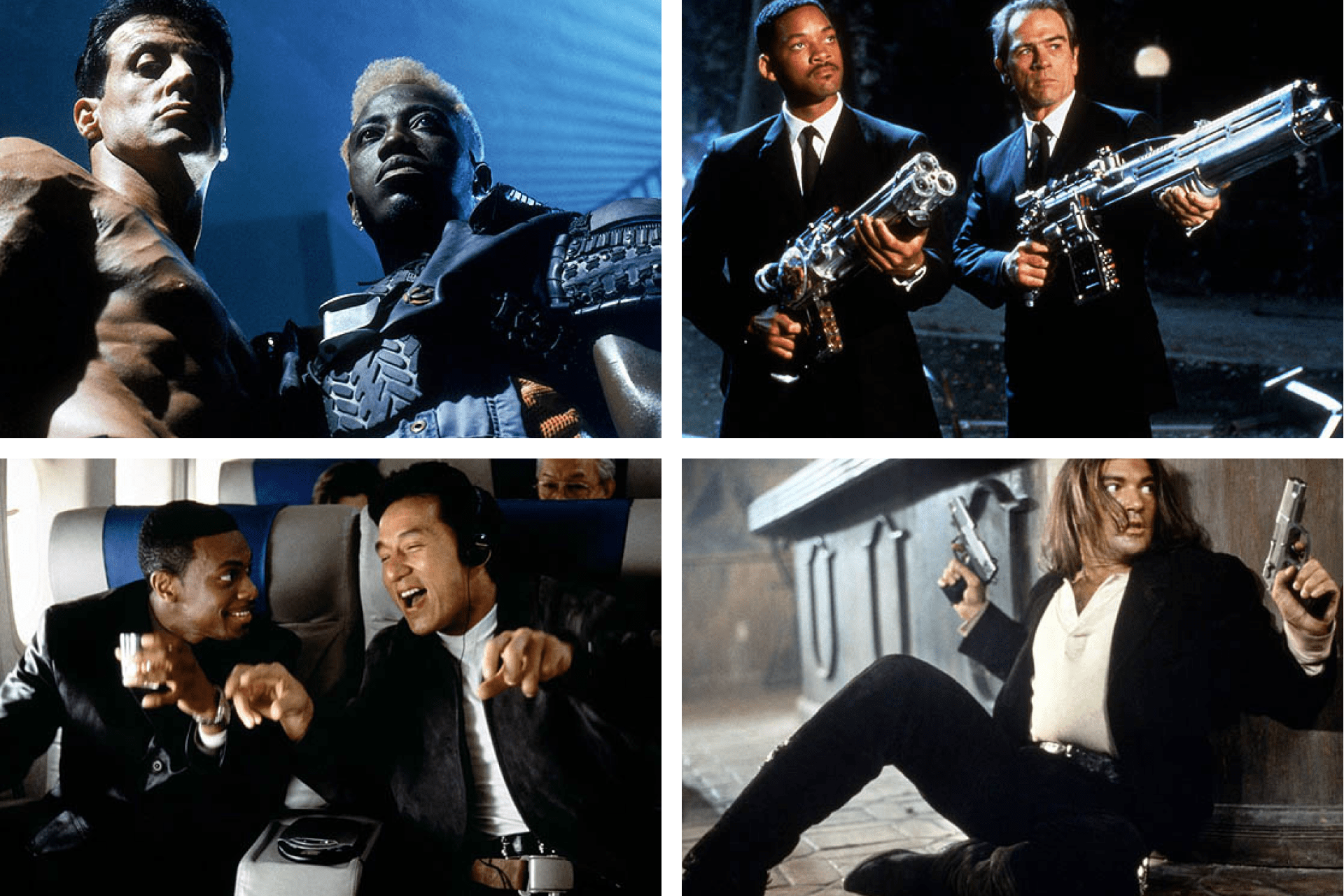
Action comedy is a hybrid film and television genre that blends high-stakes physical sequences—such as chases, fights, and explosions—with humorous narratives and character interactions. As of 2026, the genre remains a cornerstone of the global entertainment industry, successfully balancing visceral thrills with comedic relief to appeal to the broadest possible demographic of viewers across cinema and streaming.
Defining the Action Comedy Genre
At its core, action comedy is defined by the coexistence of two seemingly opposing tones: the tension of life-threatening situations and the levity of humor. Unlike a pure comedy, where the stakes are often social or internal, or a pure action film, where the tone is predominantly grim or urgent, action comedy utilizes a "relief valve" system. The humor serves to release the tension built up during high-octane sequences, while the action provides a narrative momentum that prevents the comedy from becoming aimless.
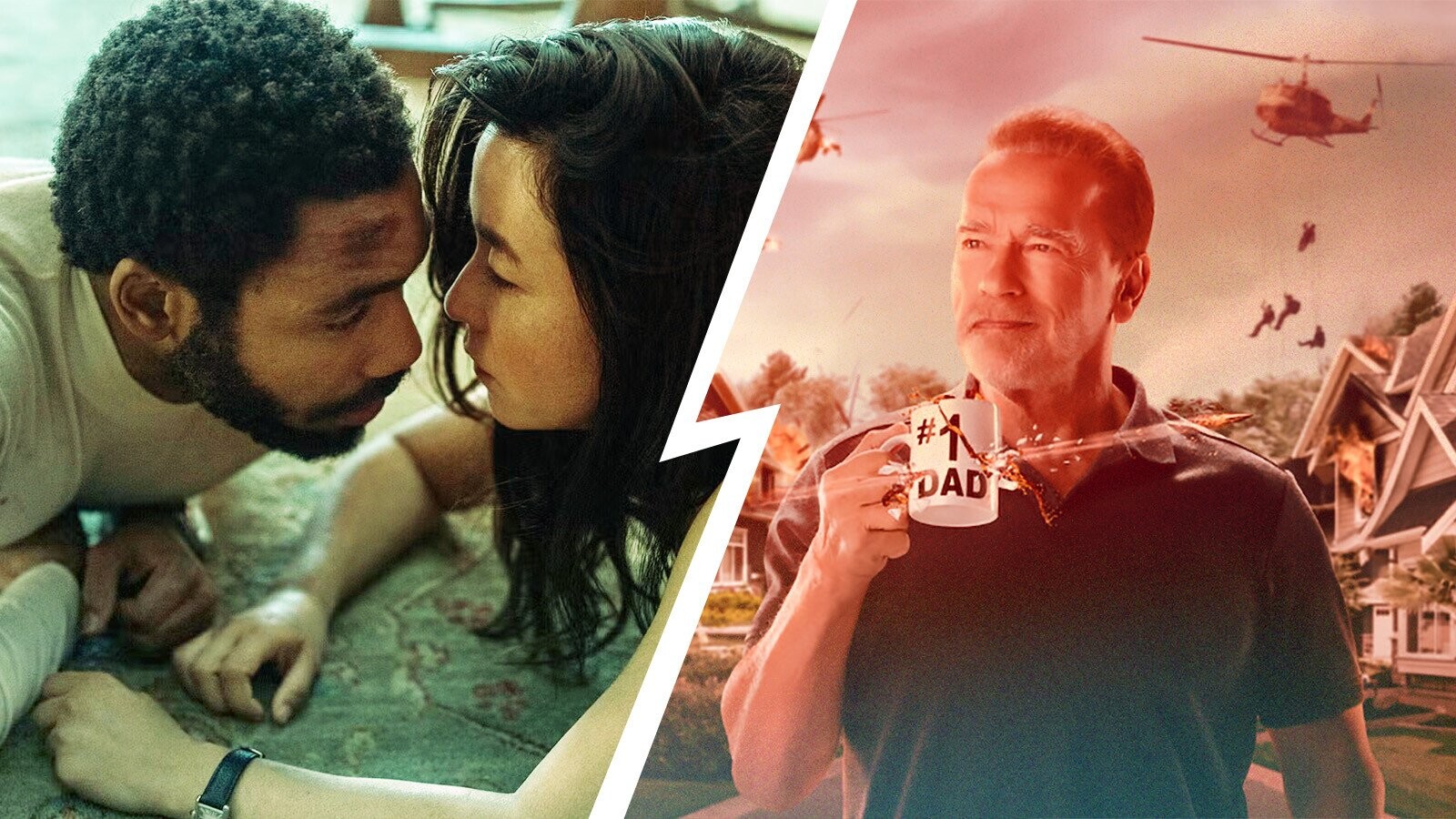
In the landscape of 2026, critics and scholars categorize action comedy by its "tone-priority." Some productions are action-forward, where the humor is derived from character quips or "one-liners" amidst a serious plot (e.g., the Fast & Furious or later Mission: Impossible installments). Others are comedy-forward, where the action serves as a satirical backdrop or a vehicle for slapstick (e.g., The Unbearable Weight of Massive Talent or the Jump Street franchise). The most successful entries usually occupy the middle ground, ensuring that the audience is genuinely invested in the characters' safety while simultaneously laughing at their misfortunes or wit.
The Historical Evolution of the Genre
The roots of action comedy can be traced back to the silent film era. Performers like Buster Keaton and Charlie Chaplin were the original action-comedy stars, performing life-threatening stunts that required precise comedic timing. Keaton’s The General (1926) is often cited as a proto-action comedy, featuring elaborate practical stunts on moving trains that were as dangerous as they were funny.
The Golden Age of the Buddy Cop (1980s–1990s)
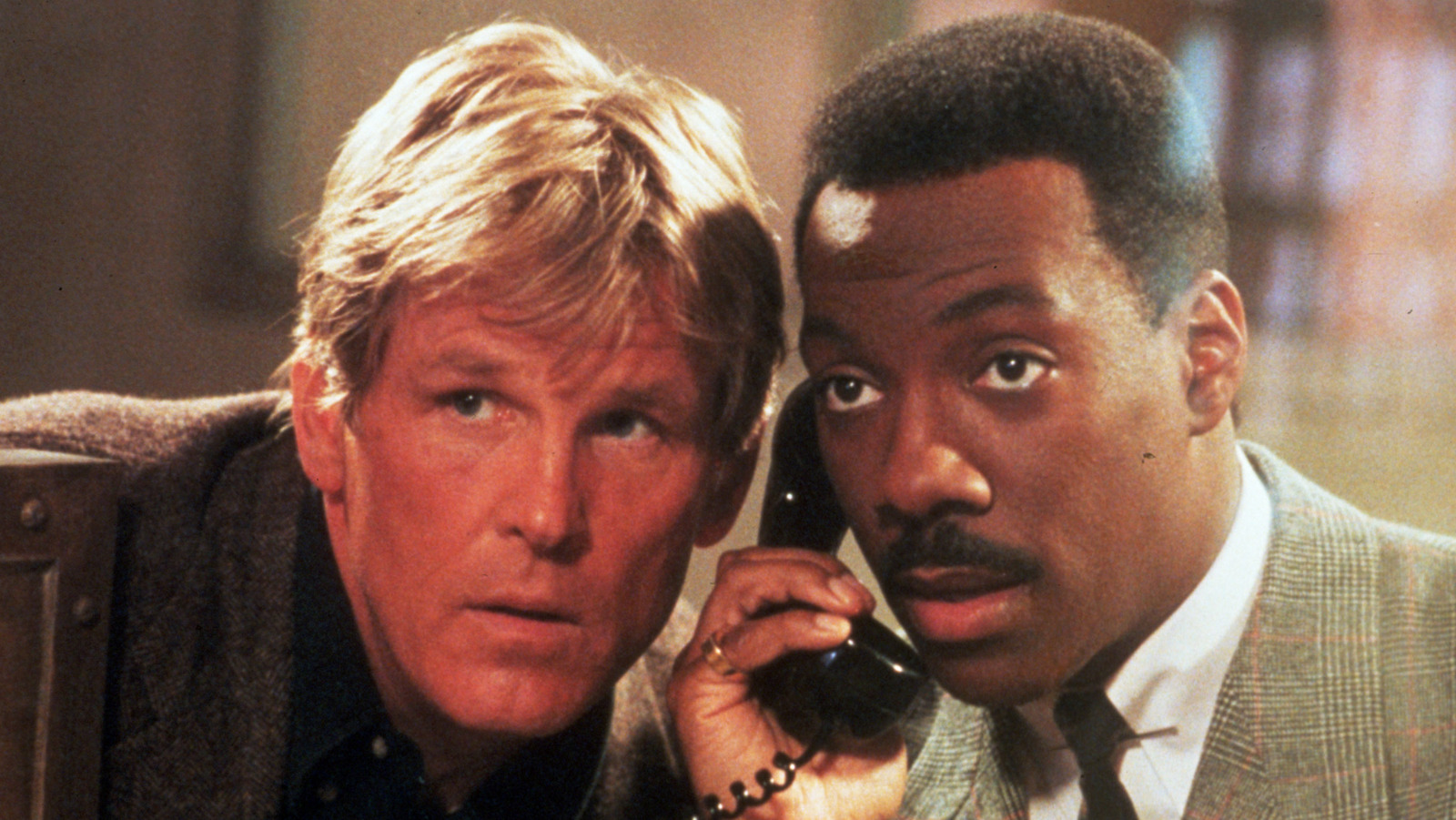
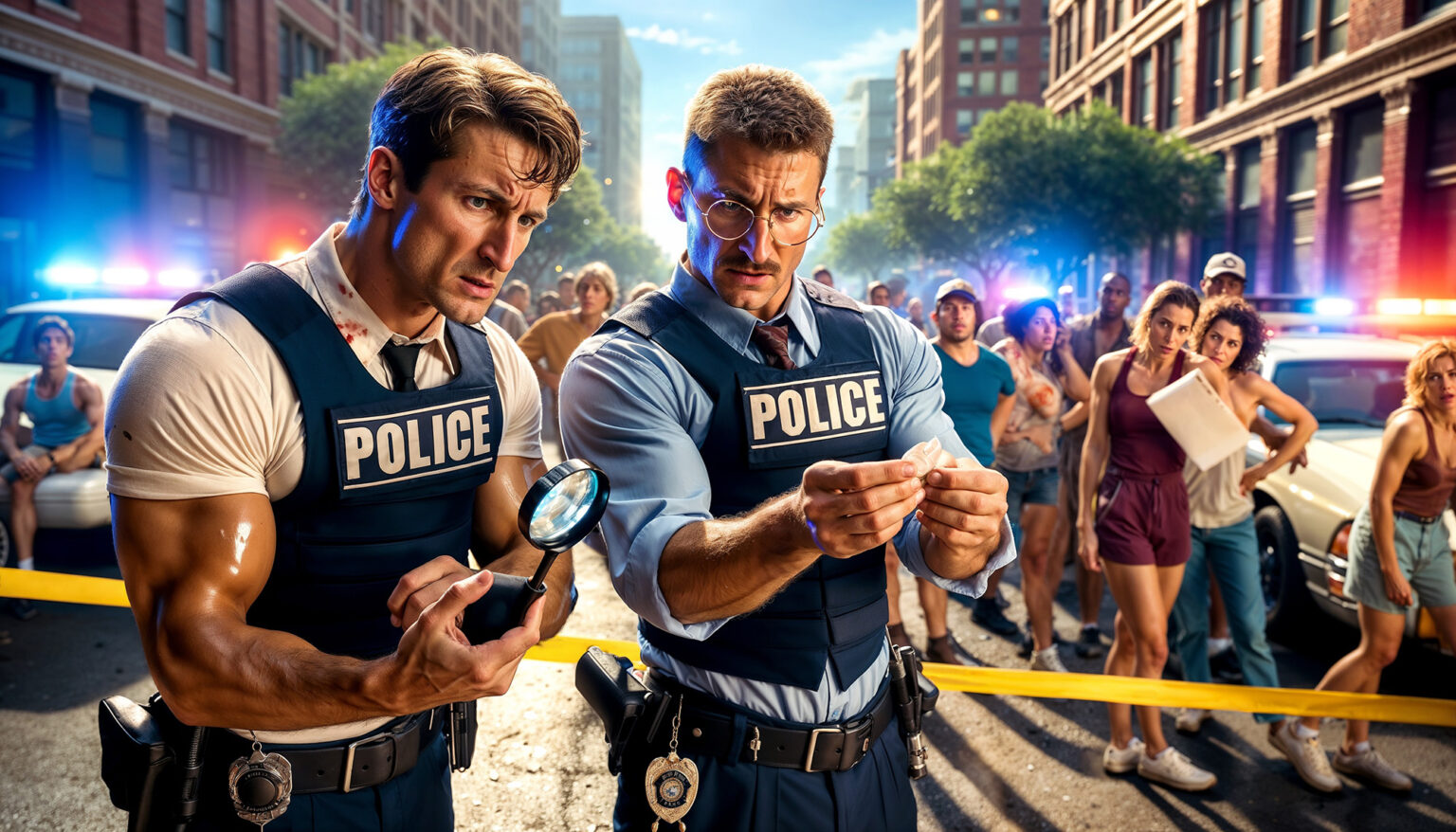
The modern blueprint for the genre was solidified in the 1980s with the "buddy cop" subgenre. This era introduced the trope of mismatched partners who must overcome their personal differences to solve a crime. 48 Hrs. (1982), starring Nick Nolte and Eddie Murphy, is widely credited with establishing the dynamic of the "straight man" paired with a "wild card." This was followed by Beverly Hills Cop (1984) and Lethal Weapon (1987), which perfected the balance of high body counts and genuine laughs.
The Hong Kong Influence and Jackie Chan
In the late 1980s and 1990s, Hong Kong cinema revolutionized the genre through Jackie Chan. Chan combined traditional martial arts with prop-heavy slapstick, drawing direct inspiration from Buster Keaton. His philosophy—that a hero should get hurt, show pain, and use their environment in creative, funny ways—reshaped Hollywood’s approach to fight choreography. This culminated in the global success of Rush Hour (1998), which bridged Eastern martial arts action with Western buddy-comedy tropes.
Core Elements and Character Archetypes
To function effectively, an action comedy relies on specific structural elements. If the humor is too constant, the danger feels artificial; if the action is too brutal, the humor feels jarring or "tonally deaf."
- The Mismatched Pair: The most common trope. One character is usually rule-bound and serious, while the other is chaotic, incompetent, or overly enthusiastic. The humor is derived from their friction.
- The "Fish Out of Water": A character is thrust into a dangerous environment they are completely unprepared for. Their struggle to adapt provides the comedic engine, while the environment provides the action.
- The Competent Incompetent: A hero who is incredibly skilled at their job but possesses a glaring personality flaw or a chaotic personal life that constantly undermines their professional success.
- The Stylized Villain: In action comedies, villains are often permitted to be more eccentric or flamboyant than in traditional thrillers, providing a dark comedic foil to the heroes.
Technical Craft: Balancing Tones in Direction and Editing
The technical execution of an action comedy requires more precision than almost any other genre. In 2026, the industry places a heavy emphasis on "visual comedy"—the art of telling a joke through camera movement and editing rather than just dialogue.
Action Choreography: In a comedy context, choreography often involves "reversal of fortune." A character might throw a perfect punch only to trip over a stray bucket, or a high-speed chase might be interrupted by a mundane traffic law. This requires stunt coordinators to work closely with comedy consultants to ensure the "gag" doesn't ruin the physical flow of the scene.
Editing and Pacing: Directing styles like those of Edgar Wright (e.g., Hot Fuzz) have become the gold standard for the genre. Wright uses fast-paced editing, synchronized sound effects, and whip-pans to make even mundane actions—like pouring a glass of water—feel like an action sequence. This "kinetic comedy" ensures the energy remains high even when characters are just talking.
Landmark Action Comedy Comparisons
The following table compares different approaches to the genre through iconic examples that have shaped the industry leading up to 2026.
| Film Title | Sub-Genre | Primary Comedic Driver | Action Style |
|---|---|---|---|
| Die Hard (1988) | Action Thriller/Comedy | Sarcastic one-liners / Vulnerability | Gritty, tactical, high-stakes |
| Rush Hour (1998) | Buddy Cop | Cultural clash / Physical slapstick | High-speed martial arts |
| Hot Fuzz (2007) | Parody / Mystery | Satirical tropes / Editing | Stylized, explosive, over-the-top |
| Deadpool (2016) | Superhero | Meta-humor / Fourth-wall breaking | Hyper-violent, acrobatic |
| The Nice Guys (2016) | Neo-Noir | Character incompetence / Dialogue | Messy, realistic, chaotic |
| Everything Everywhere All At Once (2022) | Sci-Fi / Absurdist | Absurdism / Visual gags | Creative, multi-dimensional |
The State of Action Comedy in 2026
In 2026, the genre has adapted to the "post-superhero" era. While the 2010s were dominated by the Marvel Cinematic Universe’s brand of quippy action, current trends show a shift toward R-rated, character-driven stories and "hyper-niche" action comedies.
Streaming platforms like Netflix and Apple TV+ have heavily invested in "International Action Comedies," finding that the genre translates better across cultures than pure wordplay-based comedy. Physical humor and the universal language of a well-choreographed fight scene have made the genre a primary export for South Korean, French, and Indian film markets.
Furthermore, the rise of "Self-Aware" action has led to a sub-trend of "Retired Hero" comedies. These films focus on aging action stars (often playing fictionalized versions of themselves or their famous personas) navigating a world that has passed them by. This meta-textual approach allows the genre to comment on its own history while delivering the stunts audiences expect.
Common Pitfalls in Genre Blending
Creating a successful action comedy is a high-wire act. The most frequent failures in the genre stem from an inability to manage tonal shifts.
- Bathetic Bathos: This occurs when a film undercuts a genuine emotional moment or a high-stakes scene with a cheap joke too quickly. If the audience is never allowed to feel fear or sadness, they eventually stop caring about the characters' fates.
- The "Invulnerable Hero" Problem: When a hero survives impossible odds while making jokes, it can strip the action of all tension. The best action comedies (like the original Die Hard) make the hero feel vulnerable, which makes their comedic defiance feel earned.
- Over-reliance on CGI: In the mid-2020s, there has been a significant audience backlash against "weightless" CGI action. Action comedies that rely on practical stunts and real-world physics tend to resonate more with viewers, as the humor feels more grounded and the "hits" feel more impactful.
Frequently Asked Questions
What is the difference between an action comedy and a parody?
An action comedy is a sincere entry in the genre where the plot and stakes are meant to be taken seriously, even if the characters are funny. A parody (like Spy Hard or Austin Powers) specifically mocks the conventions and tropes of action movies, often prioritizing the gag over narrative logic or genuine tension.
Is Die Hard considered an action comedy?
While primarily classified as an action-thriller, Die Hard is often cited as a foundational text for modern action comedy due to John McClane’s "everyman" humor and constant wisecracking. However, because the tone remains predominantly tense and the humor is a defense mechanism rather than the central focus, it sits on the "action" end of the spectrum.
Why is Jackie Chan so important to this genre?
Jackie Chan changed the genre by integrating the "environment" into fight scenes. Before Chan, action was often stoic. Chan introduced the idea that a hero should be clumsy, use chairs, ladders, or jackets as weapons, and express pain. This "pain-based comedy" makes the action feel both more human and more entertaining.
Can an action comedy be dark or R-rated?
Yes. Some of the most successful action comedies, such as Deadpool, The Suicide Squad, and Bullet Train, use high levels of violence (often "cartoonish" or stylized) as a source of dark humor. These films use the "shock factor" of the violence to elicit laughs, a sub-genre often referred to as "splatterstick."
What was the highest-grossing action comedy of the early 2020s?
According to industry data from Box Office Mojo, films like Deadpool & Wolverine and Bad Boys: Ride or Die dominated the charts, proving that audiences still have a massive appetite for the combination of established IP, high-budget action, and character-driven humor.
Next Steps for Aspiring Genre Enthusiasts
For those looking to deepen their understanding of the genre or perhaps even write in it, the next step is to study the "Reaction." In action comedy, the joke is rarely the punch itself; it is the character's reaction to the punch. Watch the works of Edgar Wright or Shane Black (writer of Lethal Weapon and The Nice Guys) to see how dialogue and physical action can be intertwined without one overshadowing the other.
As we move through 2026, keep an eye on independent and international cinema. The most innovative "stunt-comedy" is currently emerging from non-Hollywood markets, where lower budgets necessitate more creative, practical, and character-focused solutions to action-packed storytelling.