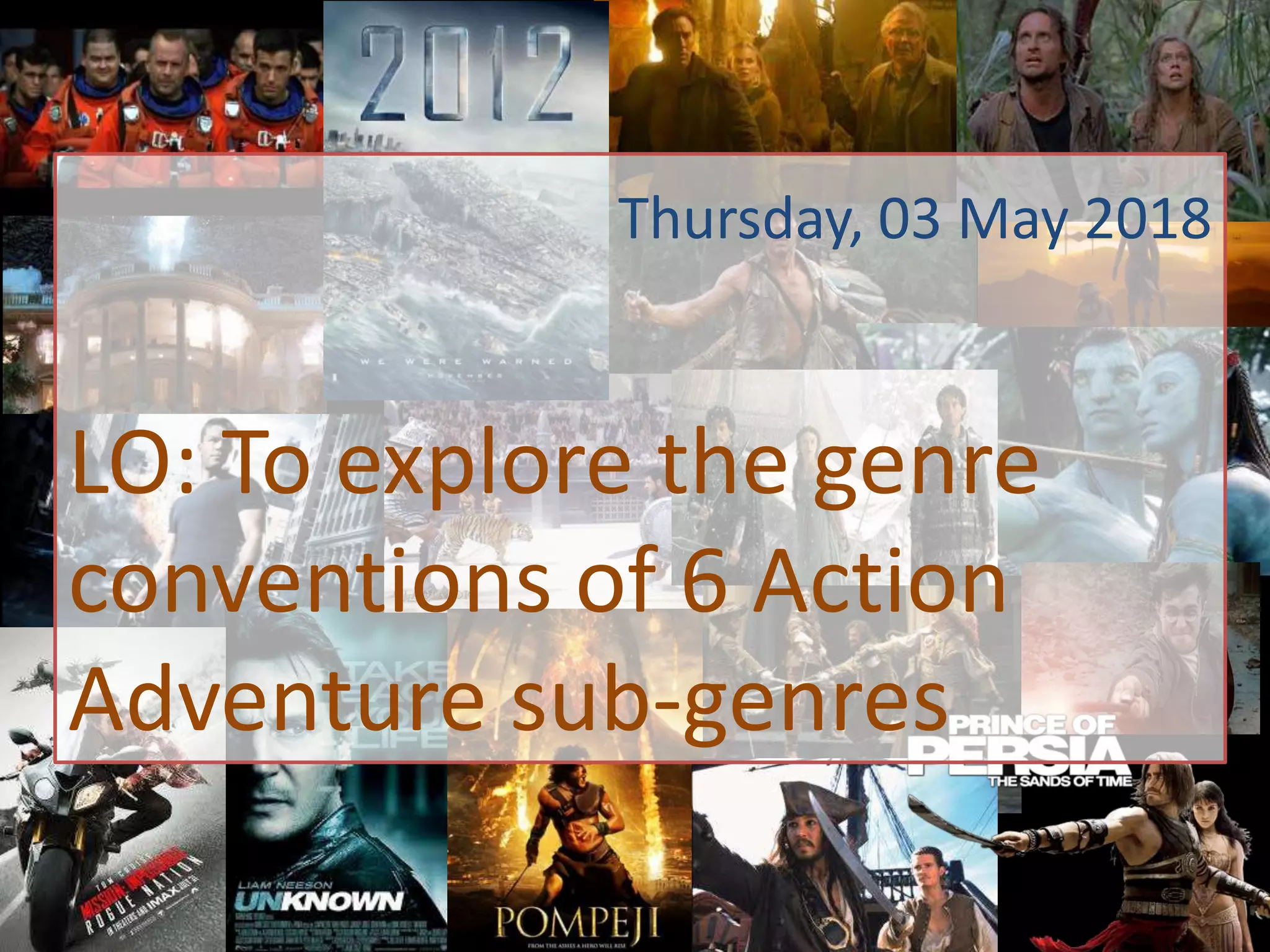
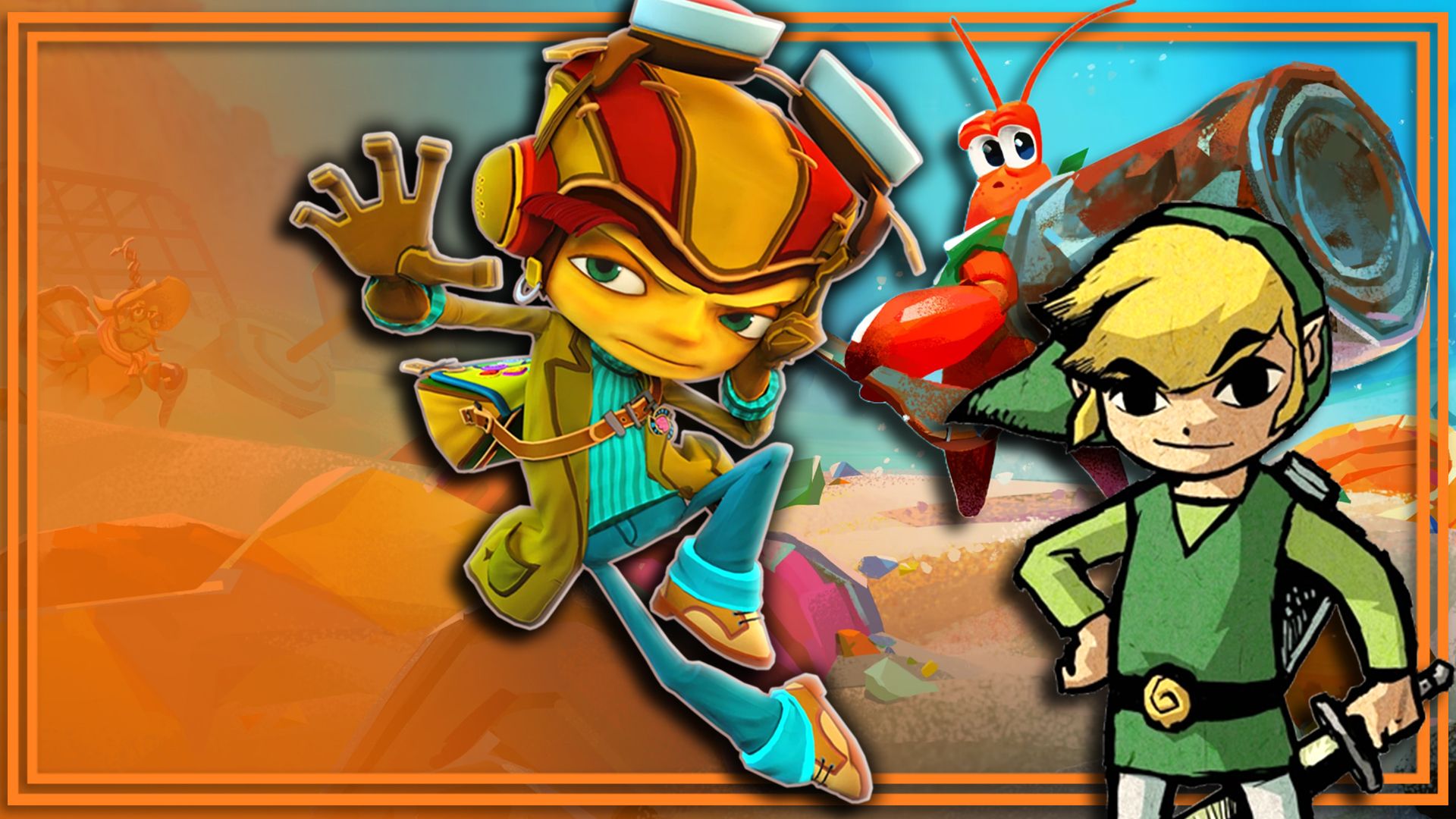
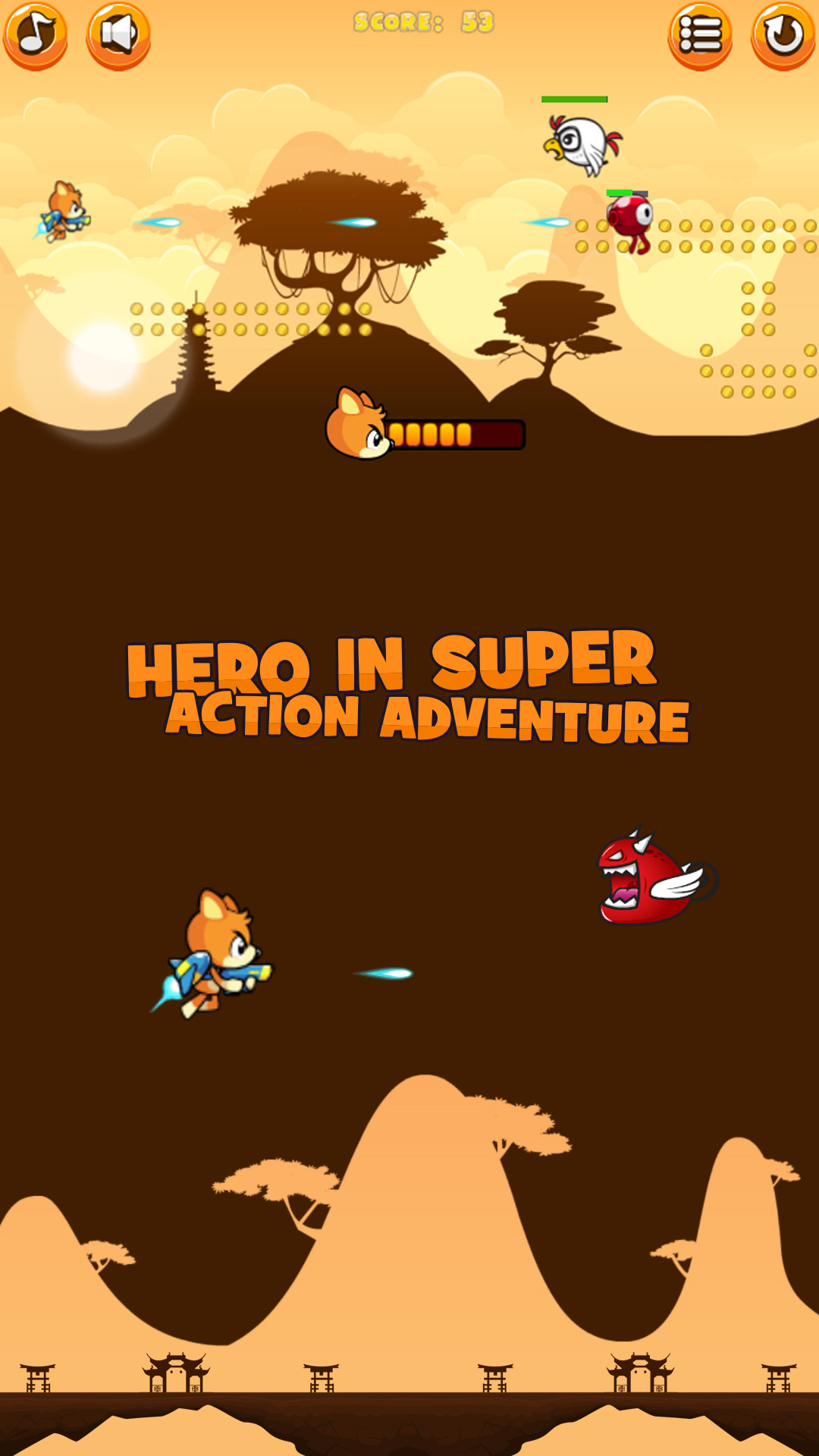
Action adventure represents a dominant hybrid genre in interactive media and storytelling, seamlessly combining physical challenges, real-time reflexes, strategic puzzle-solving, and immersive narrative progression. By balancing fast-paced mechanical execution with exploration and character development, the genre provides players and audiences with structured yet dynamic journeys across richly realized virtual environments.
Defining the Core Elements of Action Adventure
The action adventure genre occupies a distinct space by merging the kinetic demands of traditional action games with the thematic depth, inventory management, and spatial exploration characteristic of adventure titles. At its core, the genre requires players to navigate complex environments, overcome obstacles through timing and dexterity, and uncover narrative secrets by interacting with non-player characters and manipulating the game world. This duality ensures that success depends equally on immediate physical responsiveness and thoughtful, long-range deduction.
Unlike pure action experiences that prioritize combat loops and high-score survival, action adventure properties frame every skirmish and platforming sequence within a broader narrative framework. Players often assume the role of an explorer, detective, or historical protagonist whose journey is divided into distinct chapters or open-ended regions. Progression is rarely linear in the strictest sense; instead, it relies on acquiring specific tools, abilities, or clearance keys that unlock previously inaccessible pathways. This design philosophy creates a satisfying feedback loop of exploration, discovery, and mastery.
Historical Evolution of the Genre
The lineage of the genre traces back to early text-based and graphic adventures on microcomputers, which introduced inventory puzzles and environmental exploration. The integration of real-time mechanics in the late 1980s and 1990s marked a pivotal shift, allowing developers to translate static puzzle scenarios into dynamic physical spaces. Landmark releases on 16-bit and 32-bit consoles established standard conventions, such as third-person perspective tracking, contextual combat systems, and sprawling dungeon architectures that rewarded meticulous cartography and experimentation.
As hardware capabilities expanded through subsequent console generations, narrative scope and graphical fidelity increased proportionally. The transition to fully articulated three-dimensional environments introduced sophisticated camera management, vertical platforming, and cinematic storytelling techniques. Developers began incorporating motion capture, professional voice acting, and branching dialogue trees, transforming interactive journeys into cinematic experiences. Modern iterations continue to leverage advanced physics engines, procedural animation, and expansive open-world designs, offering unprecedented freedom of movement and interaction.
Key Subgenres and Architectural Variations
To understand the breadth of the genre, it is necessary to examine how different design pillars manifest across distinct sub-categories. While all share a common foundation of challenge and exploration, the execution varies significantly depending on camera perspective, combat depth, and world structure.
| Subgenre Variant | Primary Focus | Notable Mechanics | Typical Pacing |
|---|---|---|---|
| Cinematic Linear | Narrative delivery and scripted spectacle | Quick-time events, environmental climbing, cinematic set-pieces | Fast, highly controlled |
| Open-World Exploration | Spatial freedom and emergent discovery | Dynamic traversal, side-quests, resource harvesting | Variable, player-driven |
| Metroidvania | Interconnected map progression and backtracking | Ability-gated access, combat upgrades, platforming mastery | Moderate to intense |
| Survival-Hybrid | Resource scarcity and psychological tension | Item management, stealth evasion, crafted weaponry | Methodical and tense |
Cinematic linear titles emphasize high-production values and tight pacing, guiding the player through carefully orchestrated sequences reminiscent of blockbuster cinema. Conversely, open-world iterations grant players the autonomy to chart their own course, substituting scripted momentum for emergent systemic interactions within sprawling digital landscapes.
Mechanical Pillars: Traversal, Combat, and Puzzle Design
The structural integrity of any action adventure experience relies on the seamless integration of three foundational mechanics: traversal, combat, and puzzle design. When these systems operate in harmony, the player experiences a continuous flow state that bridges quiet moments of contemplation with bursts of high-stakes adrenaline.
Traversal mechanics have evolved far beyond basic jumping and running. Contemporary titles incorporate sophisticated movement systems such as grappling hooks, gliding apparatuses, wall-running, and mount-assisted navigation. These systems transform physical geography into a puzzle, challenging the player to read the environment and execute precise inputs to reach elevated or remote locations. Movement itself becomes a rewarding activity rather than a mere transit method between objectives.
Combat within this framework serves dual purposes: it tests the player's mechanical proficiency and acts as a narrative punctuation mark. Rather than featuring endless waves of adversaries, encounters are frequently tailored to test newly acquired skills or weapons. Defensive maneuvers, parrying windows, and strategic positioning take precedence over mindless aggression. Interspersed between these physical confrontations are environmental puzzles that require spatial reasoning, mechanical manipulation, or the application of specific tools to open gates, redirect energy, or alter the physical state of the game world.
Designing Immersive Narratives and World-Building
Storytelling in the genre relies heavily on environmental design and lore dissemination. While cutscenes and scripted dialogue drive the primary plot forward, the surrounding architecture, background artifacts, and subtle audio cues contribute significantly to world-building. Developers construct living environments that tell visual stories of past civilizations, decay, or conflict, encouraging players to investigate every corner of the map.
Character progression is intrinsically tied to this narrative framework. As the protagonist overcomes trials, they often experience physical or emotional growth, reflected through upgraded capabilities or modified narrative stances. This synergy between ludic mechanics and storytelling ensures that acquiring a new piece of equipment feels earned within the context of the plot, rather than functioning as an arbitrary statistical bonus.
Common Pitfalls and Troubleshooting Game Flow
Even critically acclaimed titles in the genre occasionally encounter design friction that disrupts player engagement. Recognizing these common pitfalls helps both developers and players navigate complex virtual environments more effectively.
- Pacing Bottlenecks: Lengthy exposition dumps or unskippable puzzle sequences can stall momentum, frustrating players who prefer kinetic action.
- Camera Occlusion: In tight interior spaces or during frantic combat encounters, dynamic cameras can occasionally obscure critical threats or platform edges.
- Traversal Ambiguity: When environmental visual cues fail to clearly indicate valid handholds or interactive surfaces, players may experience repetitive trial-and-error frustration.
- Inventory Bloat: Accumulating excessive non-essential items without clear utility can clutter user interfaces and distract from core objectives.
Mitigating these issues requires careful playtesting and intuitive interface design, ensuring that hints remain contextual and the path forward is always logically deducible from established rules.
Strategic Selection and Next Actions for Enthusiasts
For individuals looking to explore the genre effectively, the optimal starting point depends entirely on personal preference regarding pacing and structural freedom. Those seeking tightly choreographed storytelling and cinematic presentation should begin with linear narrative-driven titles. Conversely, players who prefer boundless exploration, emergent gameplay, and unstructured time investment will find greater satisfaction in expansive open-world variants. Review system requirements, platform availability, and community feedback regarding accessibility options before committing time to a specific title, ensuring the chosen experience aligns with individual skill levels and hardware capabilities.