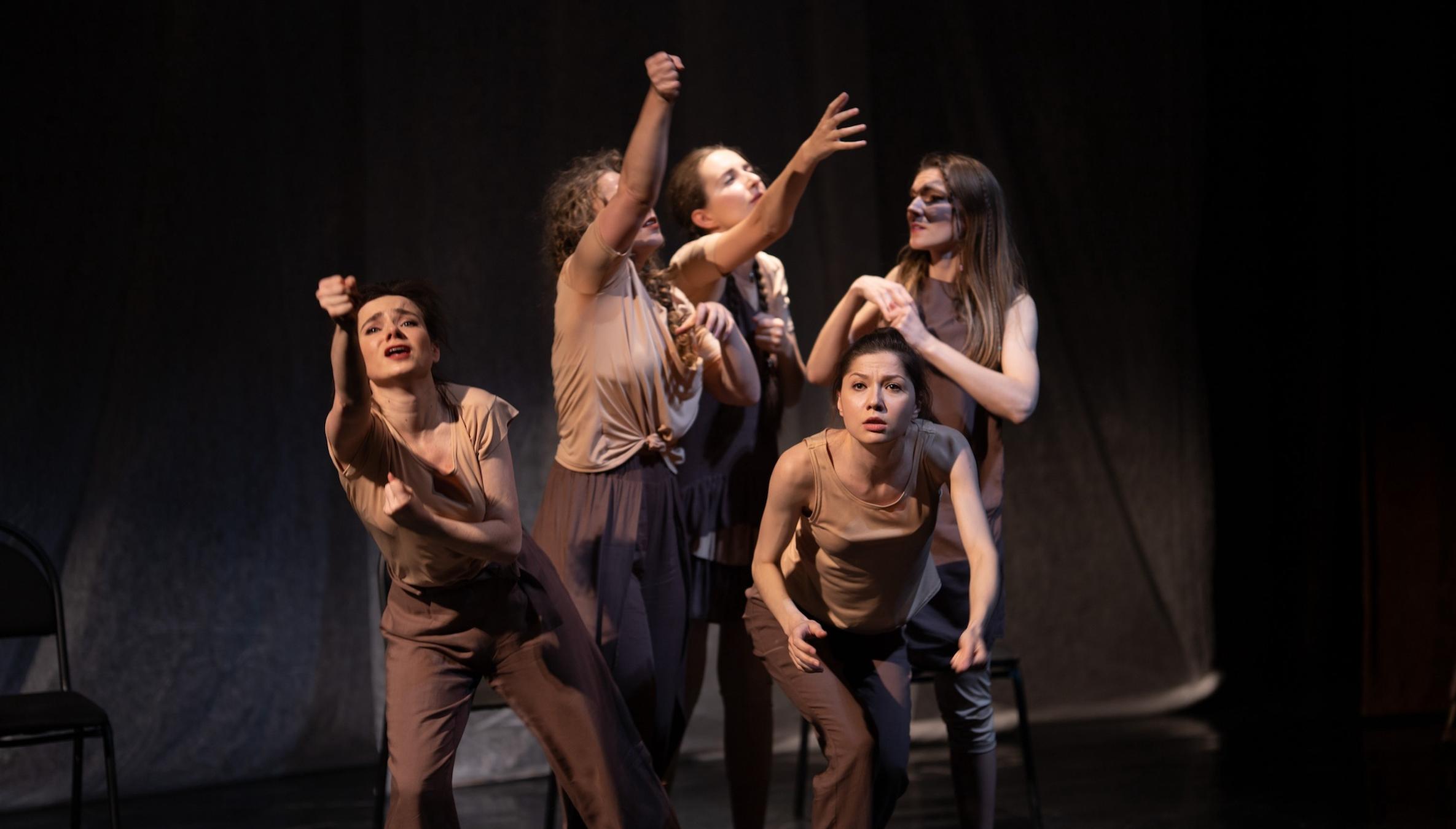
Mastering an acting technique provides performers with a reliable, repeatable framework to build characters, access authentic emotions, and sustain focus across intense theatrical or film productions. Rather than relying purely on innate inspiration, a structured acting technique equips artists with physical, psychological, and vocal tools to meet the demands of any script under high-pressure environments.
The Evolution and Purpose of Acting Technique
Acting technique refers to the systematic training, philosophical frameworks, and physical or psychological exercises that actors use to interpret scripts and portray characters. Throughout theatrical history, performance styles have shifted dramatically, moving from heightened, declamatory presentation toward psychological realism and dynamic physicality. Understanding these foundational shifts helps modern performers select approaches that best serve contemporary media, whether they are working in intimate theater spaces or on close-up film sets.
The primary purpose of an acting technique is consistency. Inspiration is fleeting, but a rigorous methodology ensures that a performer can deliver emotionally resonant, technically precise work take after take or night after night. By establishing a physical and mental baseline, actors protect their personal well-being while safely exploring complex human trauma, joy, and conflict. This separation between the actor's actual psyche and the character's emotional landscape is maintained through specific boundary rituals and technical focus.
Furthermore, training bridges the gap between the writer's text and the audience's perception. A well-developed technique teaches performers how to analyze subtext, identify beats and objectives, and physicalize internal motivations. Without this structural foundation, performances often rely on superficial clichés or inconsistent emotional outbursts, failing to capture the layered reality required for compelling storytelling.
Core Schools of Thought: Stanislavski and the American Method
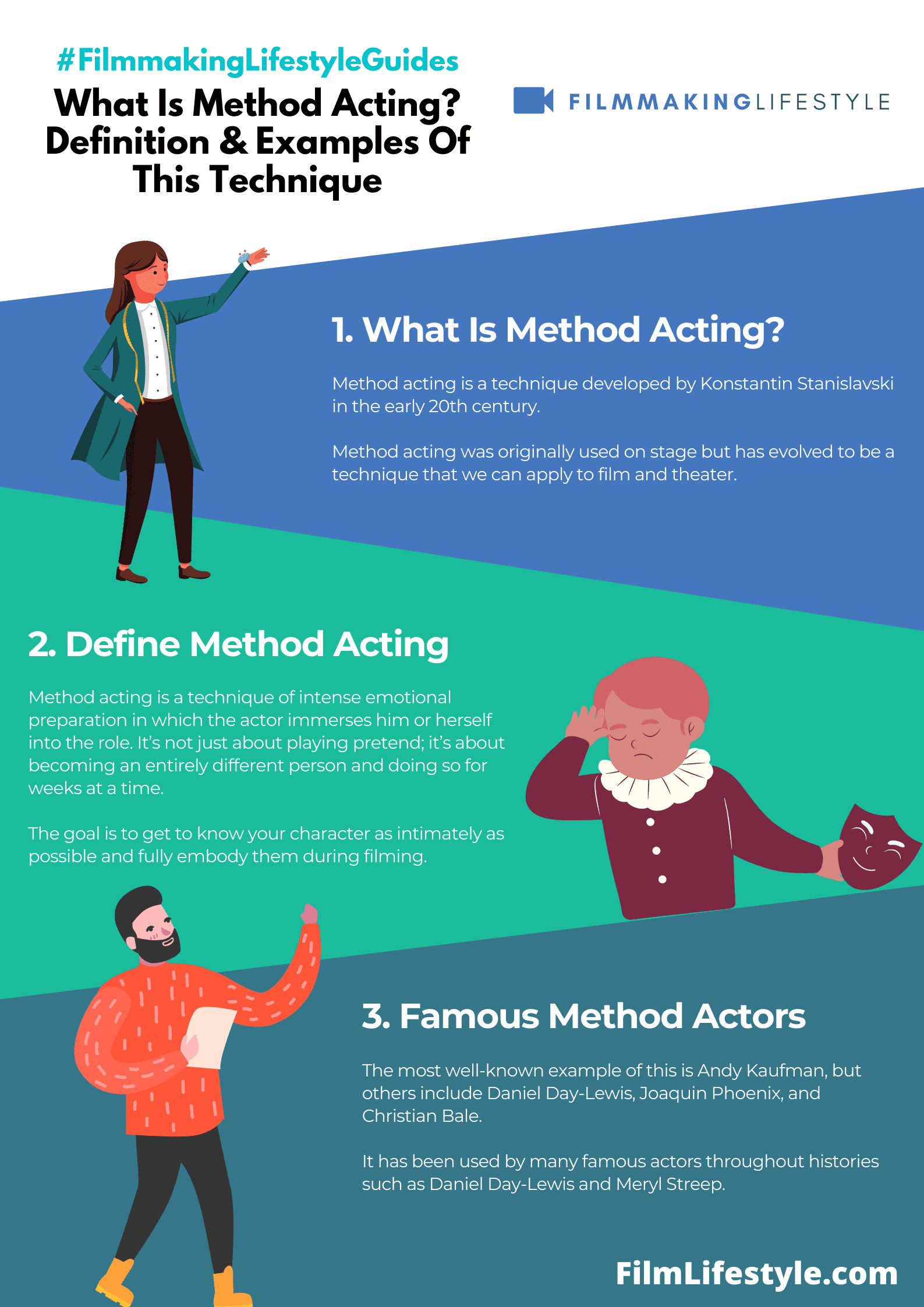
Modern Western acting is predominantly rooted in the system developed by the Russian practitioner Konstantin Stanislavski at the Moscow Art Theatre. Stanislavski shifted the focus of performance from external imitation to internal truth. His system emphasizes the "Magic If"—asking "What would I do if I were in this exact circumstance?"—alongside concepts like objectives, super-objectives, through-lines of action, and units of action. Actors trained in this tradition break a script down into beat-by-beat intentions rather than playing general emotions.
In the mid-20th century, American acting teachers such as Lee Strasberg, Stella Adler, and Sanford Meisner adapted and diverged from Stanislavski's teachings, giving rise to distinct American methodologies. Strasberg founded the Actors Studio and heavily emphasized affective memory, encouraging performers to draw upon their own past emotional experiences to trigger authentic feelings for a role. This approach became synonymous with Method acting, heavily influencing cinema icons throughout the late 20th century.
Conversely, Stella Adler studied directly with Stanislavski later in his life and argued that imagination, rather than painful personal memories, should be the primary engine for character creation. She stressed the importance of sociological study, cultural context, and sweeping theatrical imagination. Meanwhile, Sanford Meisner developed a technique centered on behavioral truth and impulsive response, famously utilizing the "repetition exercise" to teach actors to live truthfully under imaginary circumstances by shifting their complete focus away from themselves and onto their scene partner.
Comparative Overview of Major Acting Techniques
| Technique | Primary Focus | Key Originator / Proponent | Core Exercise or Tool |
|---|---|---|---|
| The Stanislavski System | Psychological realism, objectives, and given circumstances | Konstantin Stanislavski | The "Magic If" and breaking scripts into beats and units |
| Method Acting | Emotional truth via personal memory and sensory recall | Lee Strasberg | Affective memory and sensory exercises |
| The Meisner Technique | Behavioral authenticity and impulsive listening | Sanford Meisner | Repetition exercise and independent activities |
| Michael Chekhov Technique | Psychophysical movement and archetype embodiment | Michael Chekhov | Psychological gesture and imaginary body |
| Practical Aesthetics | Action-driven analysis and objective clarity | David Mamet and William H. Macy | The Four-Step Analysis |
Physical and Vocal Integration in Performance
While psychological realism dominates much of contemporary screen acting, physical and vocal techniques are equally vital components of a complete performance repertoire. Actors cannot rely solely on internal emotion if their bodies and voices cannot project or sustain the required energy. Physical training systems, such as those inspired by Rudolf Laban, Jacques Lecoq, or F.M. Alexander (the Alexander Technique), help performers identify physical habits, release tension, and expand their expressive range.
The Alexander Technique, for instance, focuses on undoing harmful postural habits and improving spatial awareness. Performers learn to recognize how tension impedes breathing and vocal resonance. By correcting alignment and minimizing unnecessary muscular effort, actors can sustain long monologues or physically demanding stage combat without vocal strain or injury.
Voice training is equally rigorous, incorporating the methodologies of practitioners like Kristin Linklater or Catherine Fitzmaurice. These frameworks free the natural voice from psychological and physical blockages, ensuring that pitch, resonance, and articulation adapt fluidly to character choices. An actor playing an aging monarch requires a vastly different vocal placement and physical posture than an urban teenager, and technical training provides the anatomical awareness necessary to execute these shifts safely and convincingly.
Script Analysis and Character Building
Executing an acting technique effectively requires rigorous text analysis. Performers must move beyond simply memorizing lines to dissecting the architecture of the scene. This process typically involves identifying the super-objective (what the character wants out of life as a whole), the scene objective (what they want in the immediate sequence), and the obstacles standing in their way.
- Read for overall narrative arc: Read the entire play or screenplay multiple times to understand the holistic story, character trajectory, and thematic resonance without obsessing over individual lines.
- Identify given circumstances: Extract all factual data provided by the playwright or screenwriter regarding time, place, historical period, social status, and relationships.
- Divide the text into beats: Mark the precise moments when the dramatic action shifts, a new tactic is attempted, or a power dynamic changes between characters.
- Determine active verbs: Replace passive reading with active playing choices by assigning active transitive verbs to your objectives (e.g., "to corner," "to comfort," or "to dismantle").
- Rehearse and adjust: Test choices on the floor, remaining open to directorial adjustments and discoveries made during interaction with scene partners.
Common Pitfalls and Troubleshooting in Technique Application
Even experienced performers can encounter technical roadblocks that hinder their work. One of the most common pitfalls is over-intellectualizing the performance. When an actor becomes overly focused on theoretical analysis, beats, and objectives, the work can feel mechanical, rigid, and devoid of spontaneity. Troubleshooting this requires returning to simple, active listening exercises and trusting the preparation to anchor the performance organically.
Another frequent issue is emotional indulgence—often referred to as "navel-gazing." This occurs when an actor prioritizes their internal emotional state over the functional objective of the scene, causing the pacing to drag and disconnecting them from their scene partners. Good technique emphasizes that acting is an interactive sport; the performance lives in the space between actors, not in isolation. Shifting focus outward onto what the other character is doing immediately remedies internal stagnation.
Finally, actors must guard against falling into immutable habits or playing themselves in every role. Relying exclusively on one technique for every single character limits versatility. A dynamic performer adapts their approach to fit the genre, matching the heightened stylized language of classical verse drama with classical physical training, while reserving granular psychological realism for contemporary cinematic realism.
How Do You Choose the Right Acting Technique for Your Career?
Choosing an acting technique depends heavily on your personal learning style, performance medium, and artistic goals. There is no single correct path, and many professional actors integrate elements from multiple schools—such as combining Meisner for moment-to-moment listening with Laban for physical characterization. Assess whether you lean naturally toward intellectual analysis, emotional memory, physical movement, or pure impulse, and seek out reputable teachers or studios that specialize in that methodology to build a rigorous, adaptable toolkit.