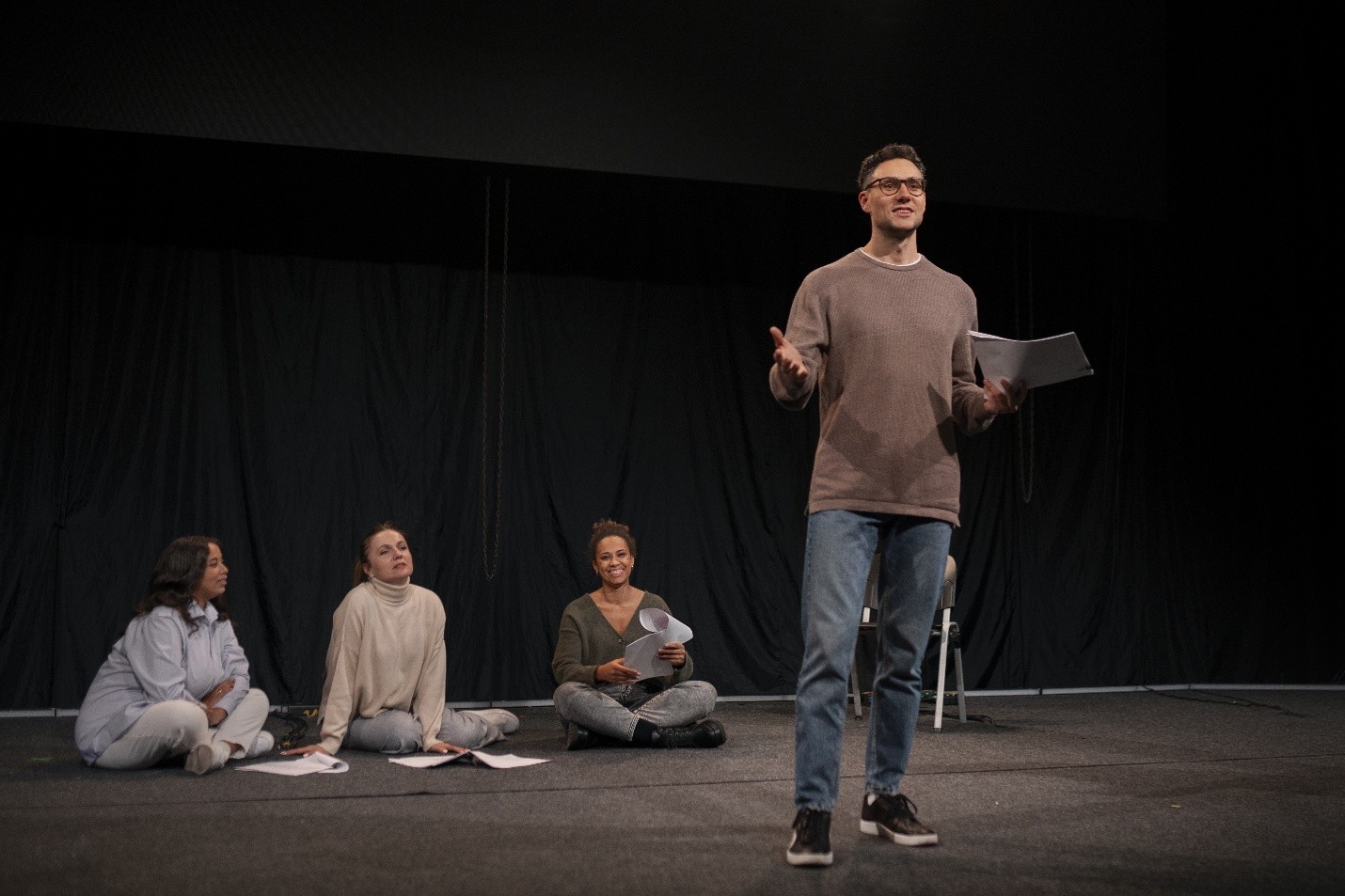
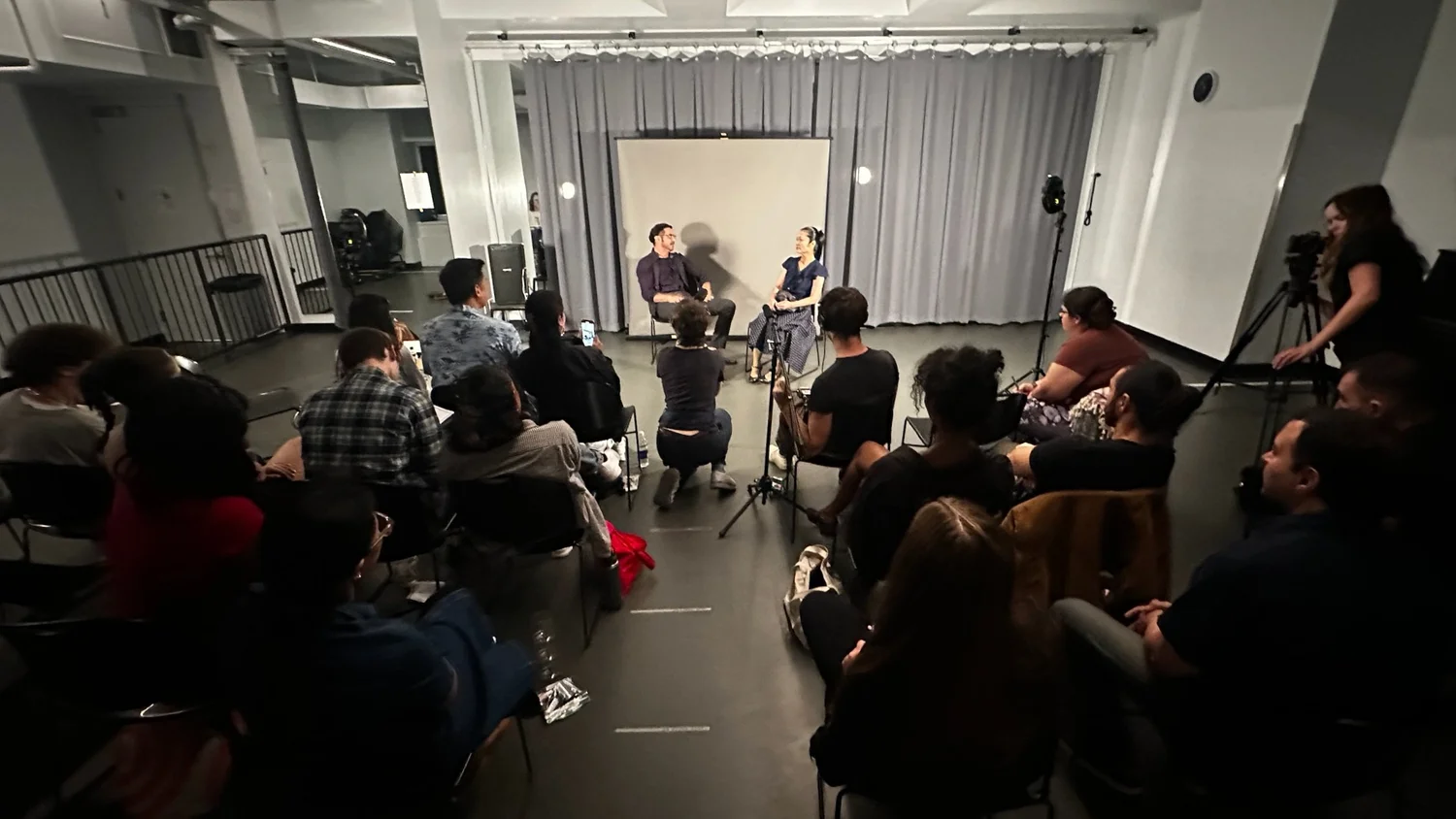
An acting coach is a specialized mentor who helps performers refine their craft, prepare for auditions, and build sustainable character development techniques through personalized feedback, script analysis, and targeted skill-building exercises.
Understanding the Role of an Acting Coach in Professional Development
Navigating the competitive entertainment landscape requires technical skill, emotional availability, and continuous refinement. An acting coach serves as an objective, highly trained mirror for a performer. Unlike a director who focuses on the cohesive vision of a specific production, a coach focuses exclusively on the actor's instrument—their voice, body, imagination, and psychological depth. Working with a coach allows performers to experiment without the high-stakes pressure of a live set or a major casting room, fostering a safe environment for creative risk-taking.
The collaboration typically begins with an assessment of the actor's strengths, weaknesses, and professional goals. Whether an artist is preparing for a recurring television role, an independent feature film, or a classical stage production, the coach bridges the gap between raw talent and disciplined execution. They provide structured frameworks for script breakdown, ensuring that actors look beyond surface-level dialogue to uncover subtext, character motivations, and historical context. This analytical foundation prevents mechanical line delivery and promotes organic, truthful performances.
Furthermore, a coach helps actors develop a reliable toolkit of methodologies. While some performers lean heavily into sensory work derived from Lee Strasberg or Sanford Meisner, others prefer practical aesthetics or structural script analysis. An experienced coach does not force a rigid dogma onto every student; instead, they adapt their pedagogical approach to suit the unique psychology and learning style of the individual artist. This customization is essential for maintaining authenticity while expanding the actor's range into unfamiliar genres or complex emotional territories.
Key Services Offered: Audition Prep, Scene Study, and Technique
Professional acting coaches offer a diverse range of services tailored to the immediate and long-term needs of performers. Understanding these distinct service categories helps actors choose the right type of guidance for their current career stage.
Audition Preparation and Self-Tape Mastery
Audition coaching is among the most sought-after services. With the industry heavily reliant on self-tapes, actors often have limited time to turn around high-quality auditions. A coach assists by:
- Analyzing character breakdowns and casting parameters quickly.
- Making bold, distinct choices that help the audition stand out to casting directors.
- Operating as a reader during the recording process, providing eye-line support and pacing.
- Troubleshooting technical elements such as framing, lighting, sound quality, and slate delivery.
Scene Study and Character Arc Development
For ongoing career maintenance, scene study classes and private sessions focus on deep textual analysis. Coaches guide actors through the process of tracking a character's arc across an entire script or episodic season. This includes identifying turning points, obstacles, tactics, and emotional shifts within individual scenes, ensuring that the performance maintains narrative momentum.
Voice, Speech, and Physicality
Many coaches specialize in technical aspects of the craft, such as dialect acquisition, vocal projection, breath support, and physical alignment. These sessions are crucial for actors transitioning between screen work, which requires micro-expressions and intimacy, and theatrical work, which demands vocal stamina and expansive physical storytelling.
Evaluating Methods and Approaches: Comparing Coaching Styles
Choosing the right mentor requires understanding various acting philosophies and how they translate into coaching styles. The table below outlines prominent actor training frameworks often integrated into coaching sessions.
| Methodology | Core Focus | Primary Benefit for Actors | Best Suited For |
|---|---|---|---|
| Meisner Technique | Living truthfully under imaginary circumstances through active listening. | Eliminates self-consciousness; promotes spontaneous, reactive behavior. | Scene study, television, and film actors seeking raw authenticity. |
| Method Acting (Strasberg) | Sensory memory, affective memory, and psychological identification. | Deep emotional access and profound psychological realism. | Dramatic feature films and complex character studies. |
| Practical Aesthetics | Clear, logical choices based on script analysis and immediate circumstances. | Removes neurotic overthinking; provides clear, actionable steps. | Fast-paced television and commercial acting environments. |
| Chekhov Technique | Psychophysical exercises, archetypes, and physical gesture. | Unlocks imagination and protects the actor's emotional well-being through external movement. | Fantasy, heightened text, and fantastical character work. |
How to Find, Evaluate, and Select the Right Acting Coach
Finding the right acting coach requires a strategic approach similar to hiring a business consultant or personal trainer. Because the actor-coach relationship is deeply personal, initial research must go beyond checking credentials or social media presence. Actors should look for coaches with demonstrable professional experience in the industry, whether through casting credits, directing backgrounds, or active participation in film and theater production.
Begin the selection process by auditing classes if the coach offers group settings, or by booking a single introductory private session. During this initial meeting, evaluate the coach's communication style. Do they provide constructive, actionable notes, or do they rely on vague, discouraging criticism? A reputable coach creates an environment of psychological safety where an actor feels empowered to make bold choices, fail safely, and recalibrate.
It is also vital to ensure the coach's philosophy aligns with the actor's career goals. A coach who specializes exclusively in classical Shakespearean verse may not be the ideal choice for an actor pursuing contemporary commercial and cop-drama television work. Furthermore, establish clear boundaries regarding fees, cancellation policies, and the scope of work. Transparency in business practices is a hallmark of a professional working environment.
Common Mistakes Actors Make When Working with a Coach
Even dedicated performers can diminish the value of their coaching investment by falling into common behavioral and strategic traps. Recognizing these pitfalls ensures a more productive partnership.
One frequent mistake is treating the coach as a surrogate director. An acting coach is there to build the actor's instrument and prepare options, not to dictate the final performance that belongs on set. Actors who rely entirely on their coach to make every creative choice often struggle when faced with sudden direction changes on set from a director or showrunner. The goal of coaching is to foster autonomy and critical thinking within the performer.
Another error is inconsistent engagement. Sporadic coaching—booking a session only when a major audition lands—limits long-term skill acquisition. While targeted audition prep is necessary, foundational growth occurs during consistent, low-stress training periods. Finally, actors sometimes make the mistake of changing coaches too frequently, chasing trends or industry buzzwords instead of committing to a long-term mentor who understands their artistic evolution.
Navigating Costs, Logistics, and Session Formats
Investing in professional acting coaching involves balancing financial resources with career ambitions. Private coaching rates vary significantly based on the coach's location, market reputation, and industry credits. Sessions typically range from hourly rates for private one-on-one work to monthly tuition fees for ongoing scene study classes. Virtual coaching via video conferencing platforms has also become standard, allowing actors to train with top-tier international coaches regardless of geographic location, provided they have reliable audio-visual setups for self-tapes.
When budgeting for coaching, performers should view the expense as a professional development investment akin to headshots, casting database subscriptions, and demo reels. Many coaches offer package deals for multi-session commitments or group classes, which can reduce the per-hour financial burden. Establishing a predictable monthly training budget helps actors maintain consistency without causing financial distress.
Frequently Asked Questions About Acting Coaches
How do I know if I need a private acting coach or a group class?
Group classes are ideal for ongoing skill maintenance, experimentation, and learning by observing peers tackle similar material. Private coaching is best suited for targeted audition preparation, working through specific emotional or technical blocks, or preparing for a demanding role where individualized attention is required.
Can an acting coach guarantee I will book more roles?
No ethical acting coach can guarantee bookings, as casting decisions involve numerous variables outside an actor's control, including network mandates, physical type, and chemistry with other cast members. A reputable coach guarantees the improvement of your technical skills, audition readiness, and creative confidence.
What should I prepare for my first session with a new coach?
You should bring a prepared scene, monologue, or audition sides specified by the coach, along with a clear understanding of the character's basic objective and obstacles. Being prepared allows the coach to assess your baseline abilities immediately and tailor their feedback accordingly.
How often should I train with an acting coach?
Frequency depends on your current career stage and budget. Many working actors maintain a bi-weekly or monthly check-in for general skill upkeep, while increasing frequency to multiple times a week during heavy audition seasons or active production pre-production.
Is virtual acting coaching as effective as in-person training?
Virtual coaching is highly effective for self-tape preparation, script analysis, and digital auditions, as it mirrors the actual medium through which most modern work is secured. However, physical movement and stage-focused techniques often benefit significantly from in-person spatial work.
When should an actor consider changing their coach?
You should consider changing coaches if you feel creatively stagnant, if the feedback becomes repetitive without yielding practical results, or if the working dynamic no longer supports your current professional trajectory and genre focus.
Maximizing Your Growth Through Consistent Mentorship
Sustaining a long-term career in the performing arts requires a commitment to lifelong learning and disciplined practice. An acting coach provides the external accountability, technical rigor, and creative support necessary to elevate a performance from competent to unforgettable. By approaching the selection process with clear criteria, avoiding common pitfalls, and maintaining consistent engagement, actors can transform coaching from an intermittent expense into an invaluable cornerstone of their professional journey.