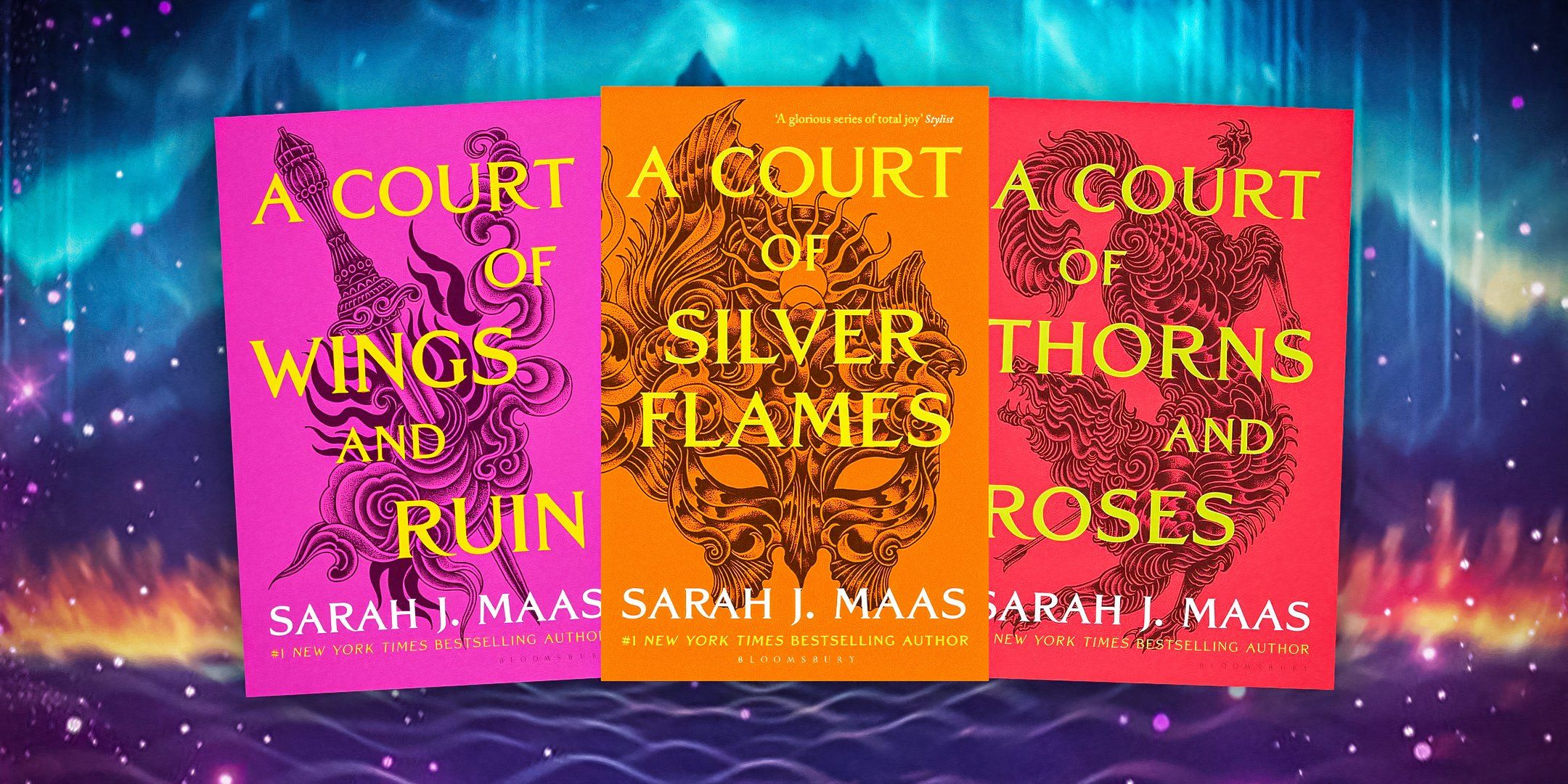
The acotar series, short for A Court of Thorns and Roses by Sarah J. Maas, is a blockbuster young adult and adult high fantasy book sequence centered on Feyre Archeron, a mortal huntress thrust into the magical, treacherous faerie realm of Prythian. The multi-book epic blends sweeping romance, political intrigue, complex world-building, and high-stakes warfare.
Understanding the Foundation of the Acotar Series
The narrative universe of the acotar series begins in a fractured world divided between mortal lands and the immortal realm of Prythian. The story is anchored by Feyre Archeron, who inadvertently kills a faerie wolf while hunting for her starving family. This act of survival draws the wrath of high-ranking faerie nobility, pulling her across the magical wall into the Spring Court. What starts as a captive situation transforms into an intricate journey of emotional awakening, personal reinvention, and cultural discovery.
Sarah J. Maas constructs Prythian as a territory governed by seven distinct High Lords, each ruling over specialized magical courts aligned with seasons or elemental forces. As Feyre navigates the dangerous politics of the Spring Court, Night Court, and beyond, she uncovers ancient curses, systemic oppression, and external threats that endanger both mortal and immortal civilizations. The evolution of the setting shifts from a loose retelling of traditional fairy tales—specifically Beauty and the Beast and Hades and Persephone—into an expansive geopolitical drama featuring massive battles, tactical alliances, and complex magical systems.
Chronological Reading Order and Core Publications
Navigating the bibliography of the acotar series requires careful attention to publication chronology and character arcs. While the primary narrative follows a specific sequence, the author has expanded the universe through direct sequels and companion guides that deepen the lore.
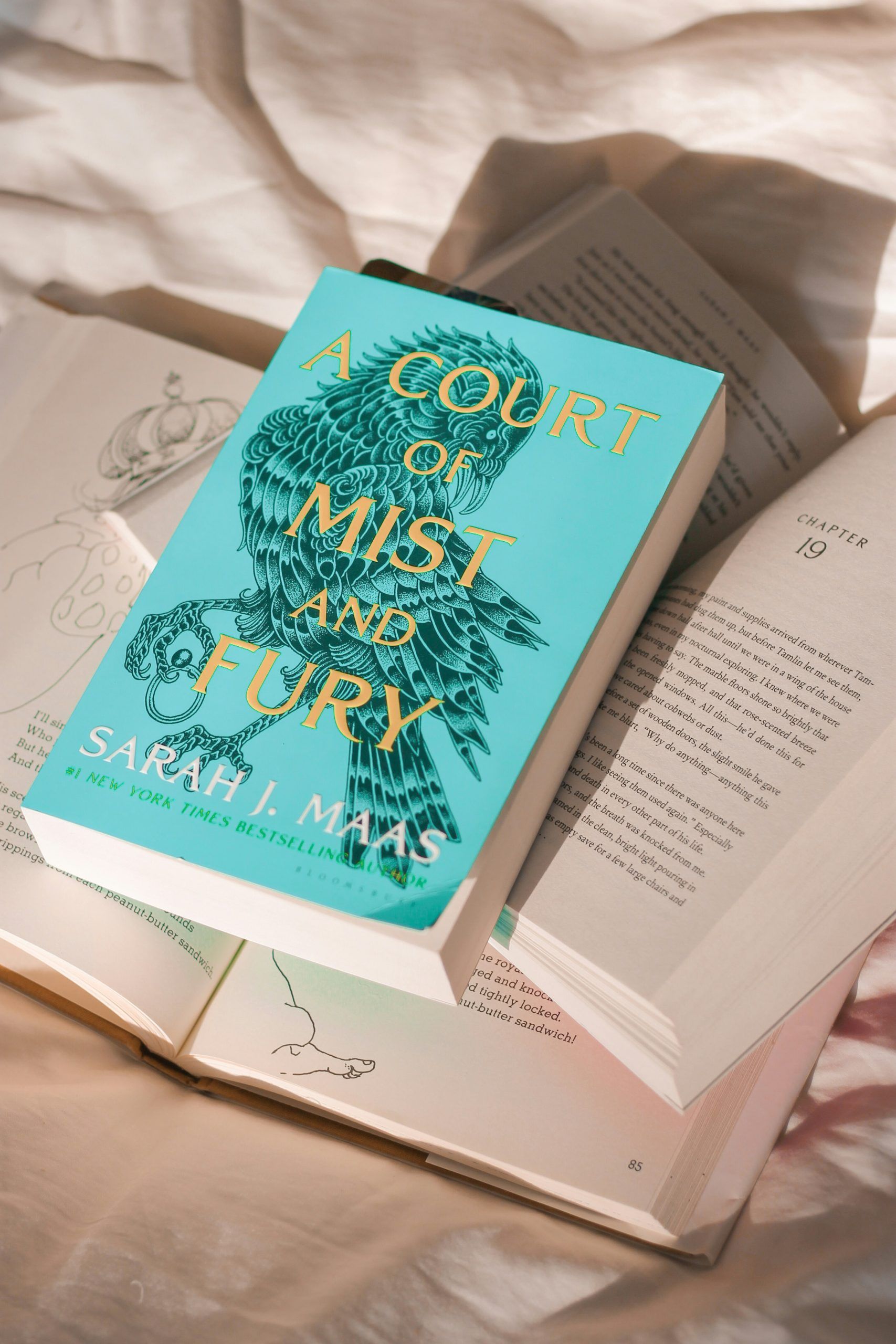
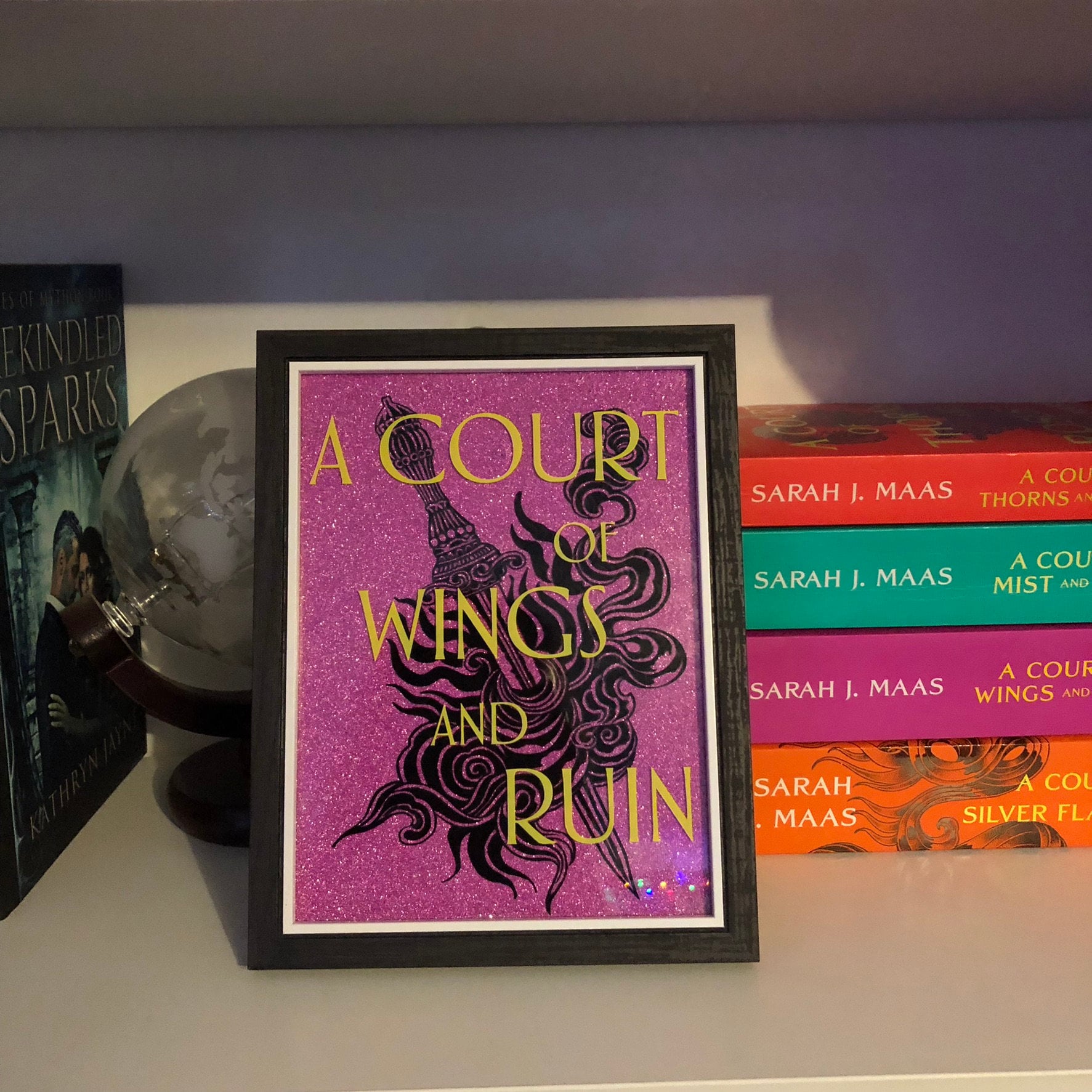
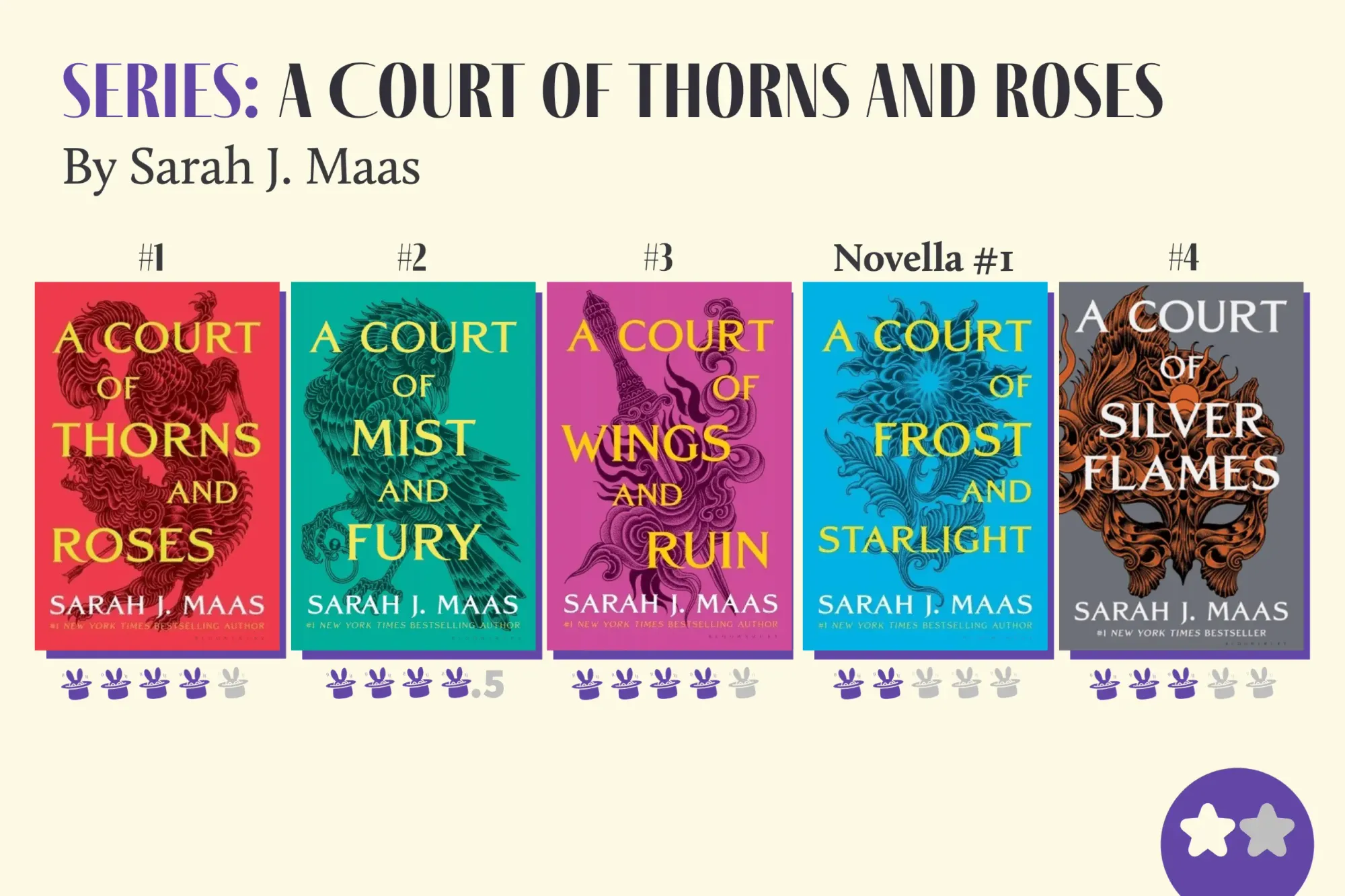
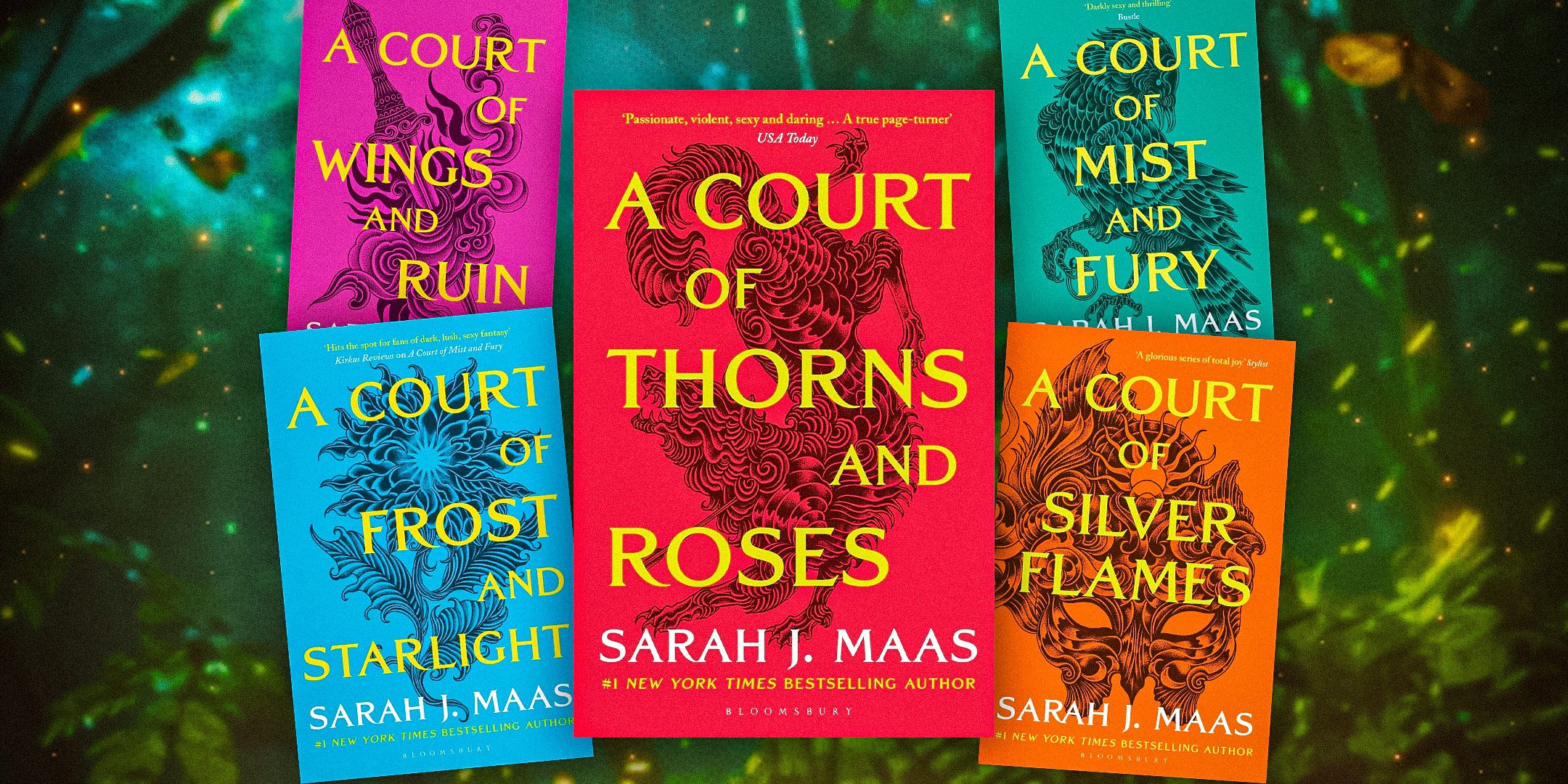
The core sequence commences with A Court of Thorns and Roses (2015), establishing the world, magic rules, and central conflicts. The narrative escalates dramatically in A Court of Mist and Fury (2016), widely regarded as a turning point for the series due to its character development and psychological depth. This is followed by A Court of Wings and Ruin (2017), which concludes the primary trilogy's first major military conflict.
In 2018, Maas released A Court of Frost and Starlight, a novella serving as a bridge and emotional palette cleanser between the primary trilogy and subsequent expanded novels. The narrative then shifts perspectives in A Court of Silver Flames (2021), focusing on Feyre’s sister, Nesta Archeron, and Cassian, exploring themes of trauma, physical training, and inner healing within the Night Court.
| Book Title | Original Publication Year | Primary Protagonist | Narrative Focus |
|---|---|---|---|
| A Court of Thorns and Roses | 2015 | Feyre Archeron | Mortal survival, Spring Court captivity, curse breaking |
| A Court of Mist and Fury | 2016 | Feyre Archeron | Night Court exploration, trauma recovery, political alliance |
| A Court of Wings and Ruin | 2017 | Feyre Archeron | Continental war, tactical defense, High Lord unification |
| A Court of Frost and Starlight | 2018 | Feyre & Rhysand | Winter Solstice transition, domestic peace, emotional recovery |
| A Court of Silver Flames | 2021 | Nesta Archeron & Cassian | Trauma rehabilitation, physical mastery, internal demons |
Character Dynamics and Psychological Evolution
A defining hallmark of the acotar series is its character development, moving characters away from archetypal hero and villain molds into morally gray, psychologically layered individuals. Feyre Archeron evolves from a hardened, protective survivor into a diplomatic leader and powerful High Lady. Her relationship with Rhysand, the High Lord of the Night Court, challenges traditional power dynamics by emphasizing mutual respect, emotional transparency, and shared governance.
Supporting characters receive substantial narrative space, preventing them from acting as mere plot devices. Figures like Mor, Azriel, Cassian, Amren, and the remaining Archeron sisters possess distinct trauma histories, political motivations, and emotional vulnerabilities. The exploration of post-traumatic stress, chronic grief, and self-worth—particularly highlighted in Nesta Archeron’s journey—resonates deeply with readers, elevating the emotional stakes far beyond standard fantasy tropes.
Magic Systems and World-Building Mechanics
The magic system within the acotar series is tied directly to the geography and biology of Prythian's inhabitants. Faeries possess enhanced physical attributes, longevity, and specialized innate abilities dictated by their court affiliation. Magic manifests as elemental control, mind-reading, illusions, healing, and shape-shifting.
At the apex of this hierarchy are the High Lords, individuals granted immense, raw power by the Mother (the primary deity of the setting). This power can be physically transferred or shared under specific, rare circumstances. External threats often revolve around magical artifacts, ancient bloodlines, and broken pacts between the faerie courts and the human kingdoms, which are separated by a massive physical wall built to prevent cross-species conflict.
Target Audience and Genre Classification
The acotar series occupies a fluid space between young adult (YA) and new adult (NA) or adult high fantasy. The early installments feature themes and pacing accessible to older teenage readers, but the later books—particularly A Court of Silver Flames—contain mature romantic elements, explicit content, graphic violence, and complex psychological themes suitable primarily for mature audiences.
Readers drawn to the acotar series typically enjoy character-driven fantasy, intricate romantic subplots, found family tropes, and high-stakes political machinations. Its crossover appeal has cemented its status as a cornerstone of modern "romantasy," a subgenre blending high fantasy world-building with central romantic narratives.
How to Approach Reading the Acotar Series for First-Time Readers
Starting the acotar series requires understanding that the tone shifts significantly after the first novel. To maximize enjoyment and comprehension, readers should follow a deliberate approach to the books and associated lore.
- Begin with the first novel, A Court of Thorns and Roses, keeping in mind that it establishes foundational world-building and character dynamics that will be subverted later.
- Read the books strictly in publication order, ensuring that A Court of Frost and Starlight is read before A Court of Silver Flames to understand the political and domestic setup of the Night Court.
- Pay attention to minor character introductions and historical lore references, as Maas frequently weaves subtle foreshadowing into dialogue that pays off several books later.
- Recognize that the protagonist perspective shifts in later volumes, allowing the narrative to explore different courts, moral dilemmas, and recovery arcs from fresh viewpoints.
Frequently Asked Questions
Can the acotar series be read as standalone novels?
No, the acotar series is a continuous, serialized narrative. While individual books focus on distinct conflicts or character arcs, reading them out of order or skipping volumes results in significant confusion regarding character relationships, magical rules, and overarching political plots.
Is the acotar series suitable for young adult readers?
The initial books are often classified as young adult, but the later installments, especially A Court of Silver Flames, contain mature themes, explicit romance, and graphic descriptions of violence. Parents and younger readers should review content warnings before proceeding past the first trilogy.
What order should Sarah J. Maas's books be read in?
While readers can start with the acotar series independently, Maas’s broader literary universe—including Throne of Glass and Crescent City—contains interconnected elements and multiversal crossovers. However, completing the acotar series as a standalone block is the most common and straightforward reading path.
Will there be more books in the acotar series?
Sarah J. Maas has contracted additional books for the acotar series with her publisher, Bloomsbury Publishing. Future installments are expected to continue exploring the world of Prythian, focusing on unresolved plot threads and other prominent supporting characters.
What is the primary romantic trope in the acotar series?
The series heavily features the enemies-to-lovers, forced proximity, and fated mates tropes. These dynamics evolve across multiple books, testing the emotional resilience, loyalty, and trust of the central couples against external political threats.
Next Steps for Fans of the Series
For readers who have completed the acotar series and wish to explore similar literary landscapes, investigating high fantasy novels with strong romantic subplots, complex political courts, and character-driven recovery arcs is the logical next step. Examining author interviews, official coloring books, and community lore discussions can also deepen your appreciation of Prythian's intricate design.