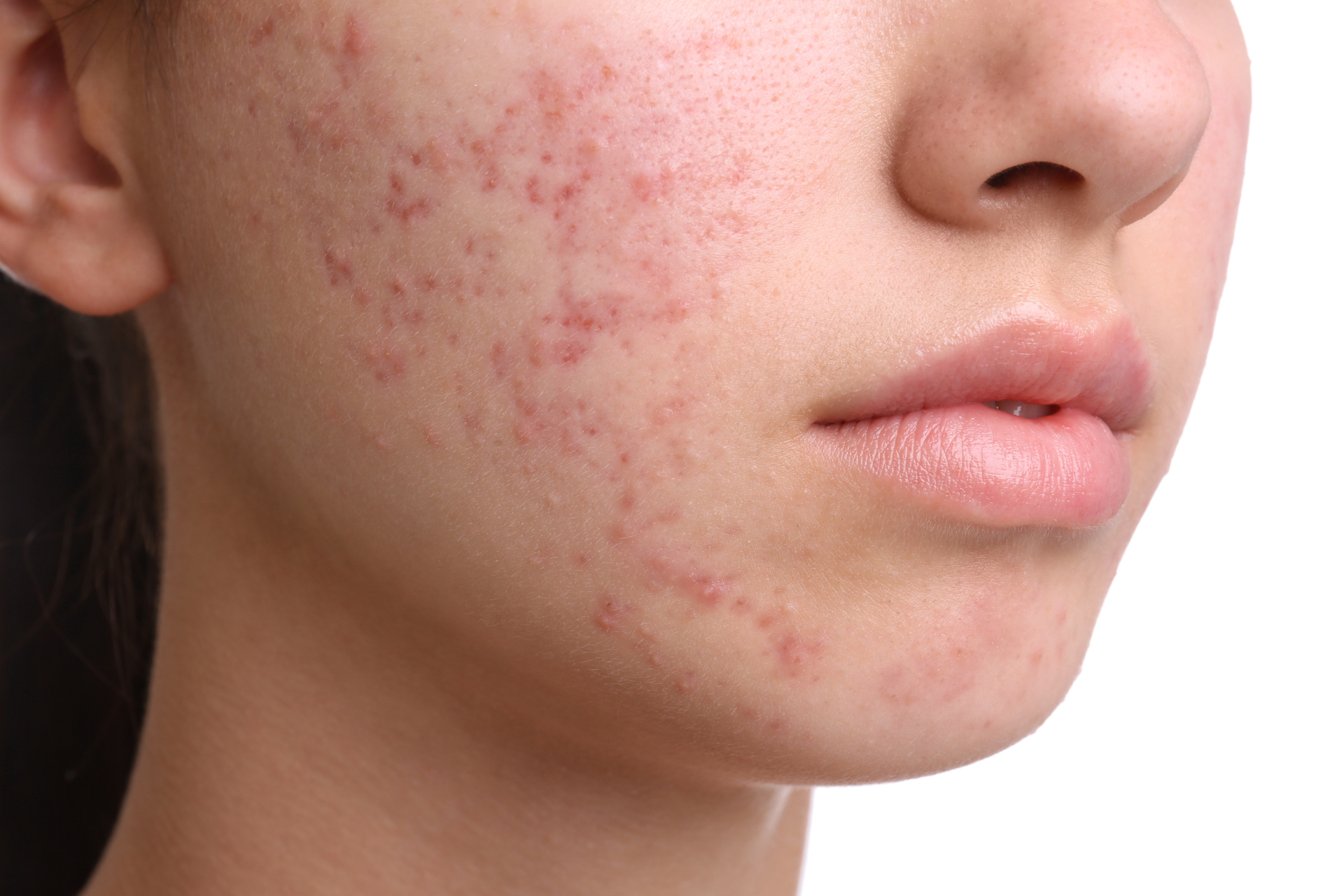
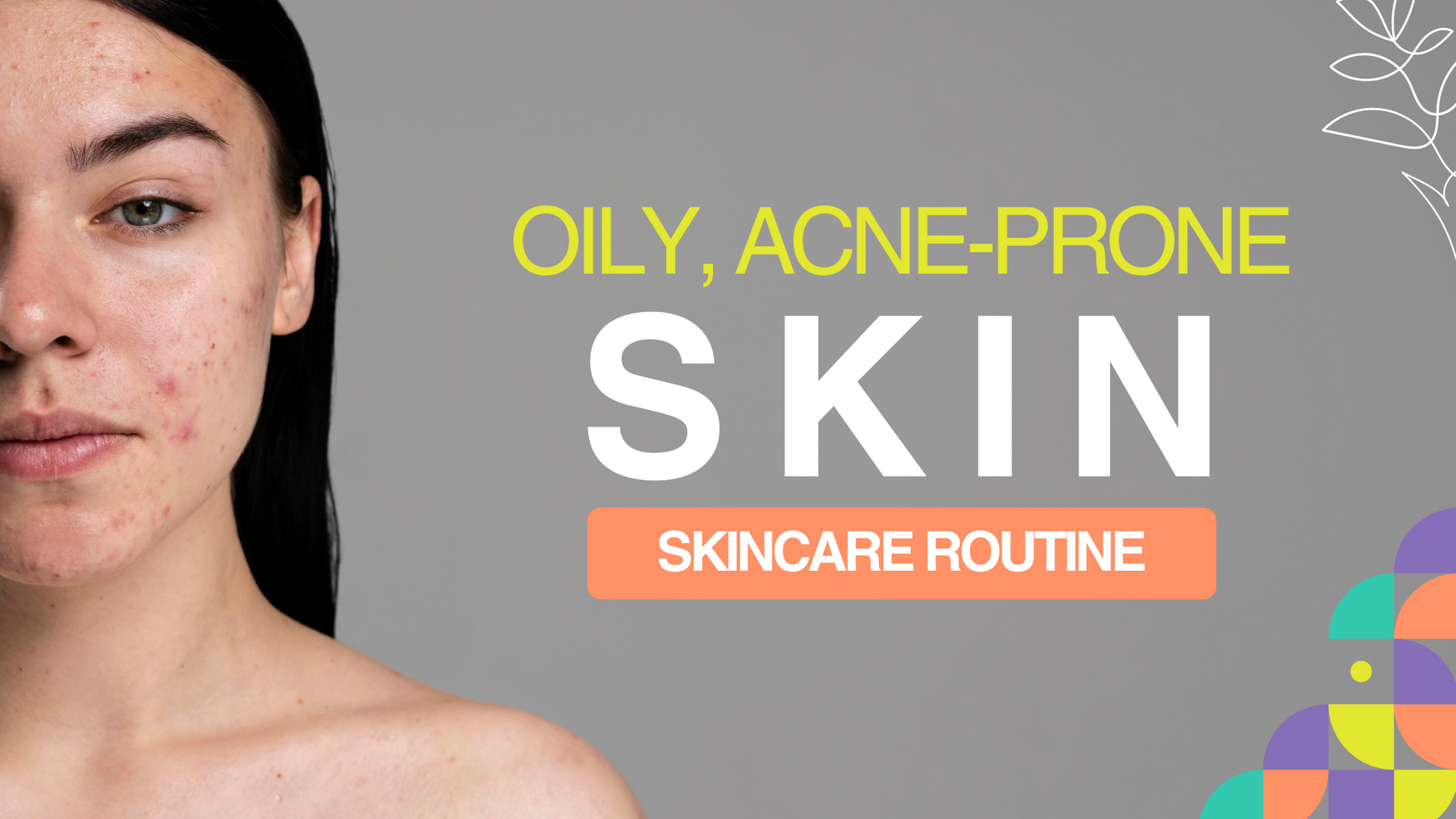
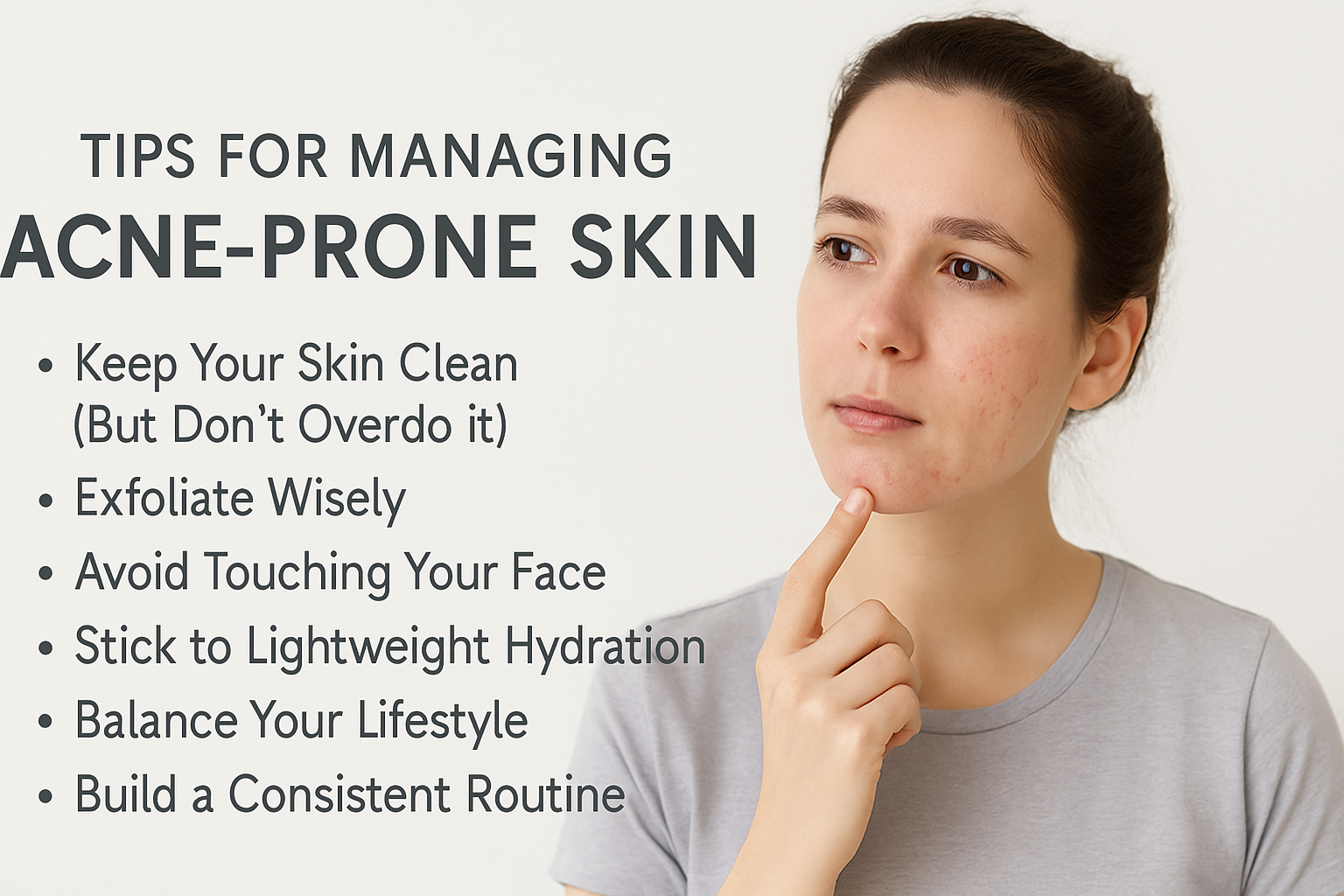
Acne prone skin is a common physiological condition characterized by persistent skin blemishes, blackheads, whiteheads, and inflammatory lesions caused by excess sebum production, dead skin cell accumulation, and the proliferation of Cutibacterium acnes bacteria. Managing this skin type requires a consistent, scientifically backed regimen focused on barrier protection, gentle cleansing, and targeted active ingredients rather than aggressive scrubbing.
Defining Acne Prone Skin and Its Biological Mechanisms
At its core, acne prone skin is influenced by a combination of genetics, hormonal fluctuations, and environmental factors. The primary biological driver is a process called follicular hyperkeratinization, wherein skin cells inside the hair follicle shed irregularly and stick together instead of sloughing off smoothly. When combined with an overproduction of sebum—the oily substance secreted by the sebaceous glands—these dead cells form a microcomedone, which eventually develops into a non-inflammatory clog or an inflamed pustule.
Hormones, particularly androgens, play a central role by stimulating the sebaceous glands to enlarge and produce more oil. While adolescence is traditionally associated with breakouts due to surging hormone levels, adult acne prone skin is increasingly common, often triggered by stress, dietary factors, cosmetics, or endocrine conditions like polycystic ovary syndrome (PCOS). Understanding these underlying triggers is the first step toward building an effective management strategy.
Essential Characteristics and Identification Criteria
Recognizing whether you have acne prone skin involves more than just counting breakouts. Individuals with this skin type typically experience chronic or recurrent lesions in areas with the highest concentration of sebaceous glands, such as the face, chest, back, and shoulders.
To help differentiate skin types and clarify their specific management requirements, the following comparison details key traits, common triggers, and optimal care approaches:
| Skin Characteristic | Primary Manifestations | Common Triggers | Recommended Approach |
|---|---|---|---|
| Oily and Acne-Prone | Enlarged pores, persistent shine, frequent papules, pustules, and deep cysts. | High humidity, heavy occlusive products, hormonal surges, high-glycemic diets. | Gentle foaming cleansers, oil-free non-comedogenic moisturizers, and chemical exfoliants. |
| Combination Acne-Prone | Oily T-zone (forehead, nose, chin) with occasional breakouts, paired with normal or dry cheeks. | Alcohol-based toners, harsh spot treatments, seasonal climate shifts. | Targeted hydration, multi-masking, and balanced pH cleansers that do not strip moisture. |
| Sensitive Acne-Prone | Frequent redness, stinging upon product application, inflammatory breakouts alongside irritation. | Fragrances, essential oils, physical scrubs, over-the-counter retinoid over-use. | Fragrance-free formulas, barrier-repair ingredients like ceramides, and slow introduction of actives. |
Core Ingredients for Treating Breakouts
Effectively addressing acne prone skin requires incorporating active ingredients that target specific steps in the acne formation process. Rather than relying on trial and error, dermatological science points to several key compounds proven to clear pores and reduce inflammation.
Salicylic Acid (BHA)
Salicylic acid is a beta-hydroxy acid prized for its oil-solubility, allowing it to penetrate deep inside the pore lining to dissolve sebum and dead skin cell buildup. It functions as an effective exfoliant that helps prevent new microcomedones from forming while reducing existing redness and swelling.
Benzoyl Peroxide
Benzoyl peroxide is a powerful antimicrobial agent that reduces the population of Cutibacterium acnes on the skin. Because it releases oxygen into the pore, it creates an unfavorable environment for these anaerobic bacteria. It also possesses mild keratolytic properties to help shed dead skin cells.
Retinoids
Topical retinoids, ranging from over-the-counter retinol to prescription-strength adapalene or tretinoin, accelerate cellular turnover. By encouraging skin cells to shed more efficiently at the surface, retinoids prevent cells from clumping together inside the pore. They also stimulate collagen production, which helps minimize the appearance of post-acne scarring over time.
Daily Skincare Regimen for Acne Prone Skin
Establishing a reliable daily routine is essential for maintaining clear skin. Overcomplicating a regimen or introducing too many active ingredients at once often damages the skin barrier, leading to increased irritation and worse breakouts.
- Gentle Cleansing: Wash the face twice daily using a lukewarm, non-foaming or low-foam cleanser. Avoid abrasive physical scrubs, loofahs, or cleansing brushes, as mechanical friction can rupture microcomedones and spread bacteria.
- Targeted Treatment: Apply your active ingredient, such as a salicylic acid serum or a retinoid, to dry skin according to product instructions. If you are new to retinoids, start by applying them two or three nights a week to build tolerance.
- Hydration and Barrier Repair: Even acne prone skin requires hydration. Select a lightweight, non-comedogenic moisturizer labeled oil-free. Ingredients like hyaluronic acid and niacinamide help soothe inflammation and support the skin barrier without clogging pores.
- Daily Sun Protection: Ultraviolet radiation can worsen post-inflammatory hyperpigmentation (dark spots left behind by healed blemishes). Finish your morning routine with a broad-spectrum mineral or lightweight chemical sunscreen rated SPF 30 or higher.
Common Mistakes to Avoid in Acne Management
Managing breakouts successfully often comes down to knowing what not to do. Well-intentioned habits can inadvertently exacerbate skin inflammation and prolong the healing process.
A frequent error is over-drying the skin. Many individuals believe that stripping the skin of all oil will stop breakouts, but harsh cleansers and excessive alcohol toners compromise the skin barrier. When the barrier is damaged, the skin compensates by producing even more oil and becoming more susceptible to bacterial infection.
Another critical mistake is picking, squeezing, or popping blemishes. Manual extraction pushes infected material deeper into the dermis, increasing the risk of permanent scarring, dark marks, and secondary bacterial infections. If extraction is necessary, it should be performed by a licensed aesthetician or dermatologist under sterile conditions.
Finally, inconsistency undermines even the best skincare routines. Skin cells renew on a roughly 28-day cycle, meaning most topical treatments require at least six to eight weeks of continuous daily use before visible improvements emerge. Constantly switching products prevents active ingredients from delivering results.
When to Consult a Dermatologist
While over-the-counter regimens successfully manage mild to moderate acne prone skin, persistent or severe cases warrant professional medical evaluation. Deep, painful cysts, nodules, and widespread scarring require intervention from a board-certified dermatologist to prevent permanent skin damage.
Professional treatments may include prescription-strength topical medications, oral antibiotics, hormonal therapies such as spironolactone, or specialized procedures like chemical peels, laser therapy, and corticosteroid injections for inflamed cysts. A dermatologist can also help identify underlying systemic issues contributing to refractory breakouts.
How to Choose Non-Comedogenic Products
Selecting makeup, hair products, and sunscreens that will not clog pores is vital for anyone with acne prone skin. The term "non-comedogenic" indicates that a product has been formulated and tested to minimize the likelihood of blocking pores.
Always check ingredient lists for heavy occlusive agents such as isopropyl myristate, coconut oil, or heavy silicones if you notice they trigger breakouts for your skin type. Additionally, remember to wash makeup brushes and pillowcases frequently, as these surfaces accumulate sebum, dead skin cells, and bacteria that transfer directly back onto the skin.
Frequently Asked Questions
Can diet affect acne prone skin?
Dietary influences on acne vary by individual, but clinical research suggests high-glycemic foods—such as white bread, sugary snacks, and processed carbohydrates—can spike blood sugar and insulin levels, subsequently increasing sebum production and inflammation. Some individuals also report flare-ups linked to dairy consumption, though responses differ widely.
Should I use a moisturizer if my skin is already oily?
Yes, skipping moisturizer often backfires. When acne prone skin becomes dehydrated from harsh products, the sebaceous glands overcompensate by producing excess oil. Using a lightweight, oil-free, non-comedogenic moisturizer maintains skin barrier integrity without adding surface grease.
How long does it take for acne treatments to work?
Most topical acne treatments require a minimum of six to eight weeks of consistent use to produce noticeable improvements. Because the skin's natural cellular turnover cycle takes about a month, rushing results or changing products too frequently interrupts the therapeutic process.
Is physical exfoliation safe for acne prone skin?
Physical scrubs containing jagged particles, nut shells, or stiff bristles are generally discouraged for acne prone skin. They create micro-tears in the epidermis and can rupture inflamed pustules, spreading bacteria across the face and worsening irritation. Chemical exfoliants like salicylic acid or mandelic acid are safer, more effective alternatives.
Why am I getting breakouts as an adult?
Adult-onset acne is frequently driven by hormonal fluctuations, chronic stress, lifestyle factors, or the use of heavy, pore-clogging cosmetics and hair products. Elevated cortisol levels from stress stimulate oil glands, while hormonal shifts during menstrual cycles, pregnancy, or perimenopause can trigger deep, persistent jawline and chin breakouts.
Tailoring Your Long-Term Skincare Strategy
Achieving and maintaining clear skin is an ongoing process that requires patience, consistency, and a willingness to adjust your routine as your skin changes with age, seasons, and environment. Focus on supporting your skin barrier, selecting scientifically validated ingredients, and seeking professional guidance when breakouts resist standard home care. By treating your skin with targeted care rather than aggressive force, you establish a resilient foundation for long-term health and clarity.