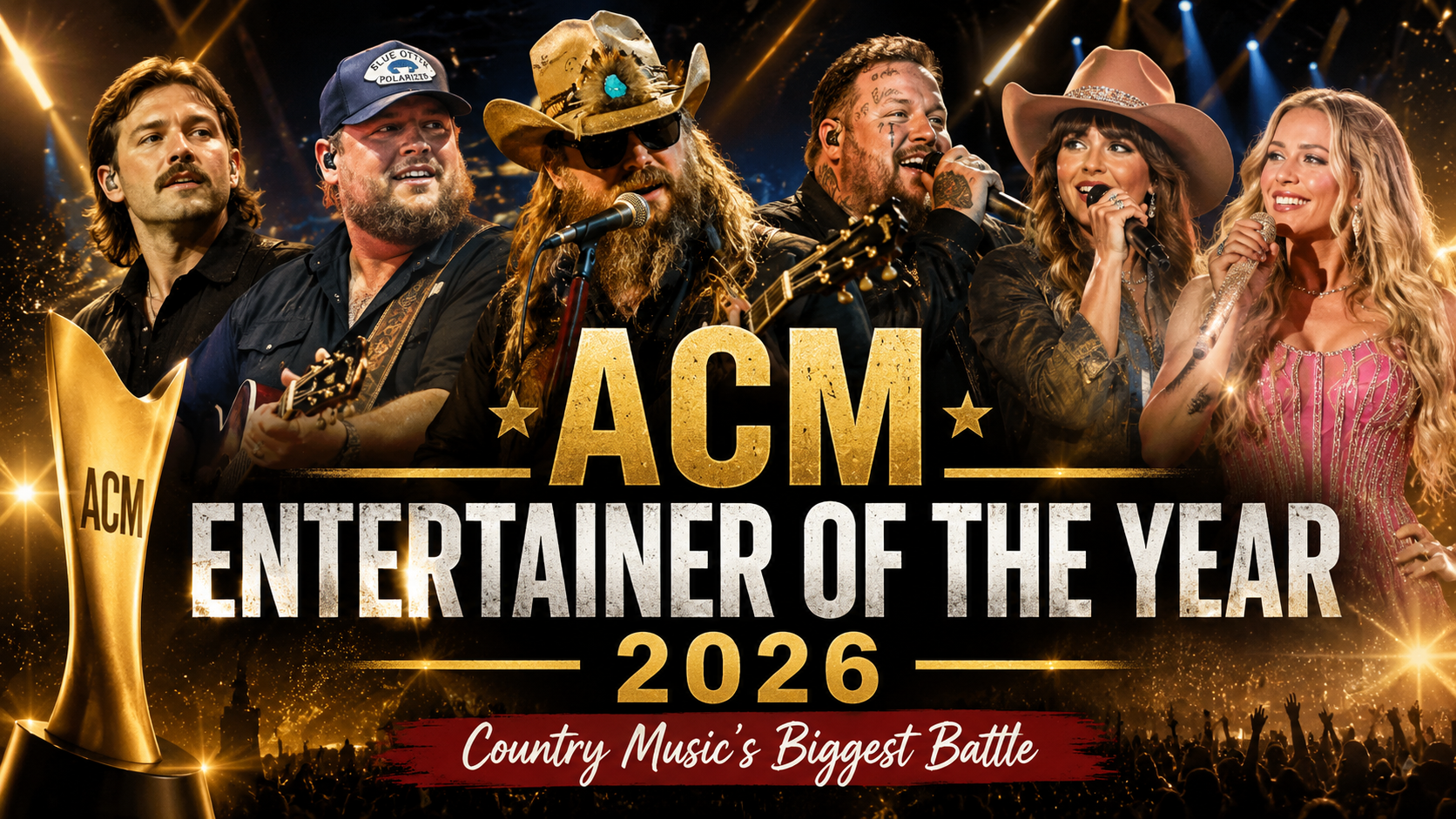
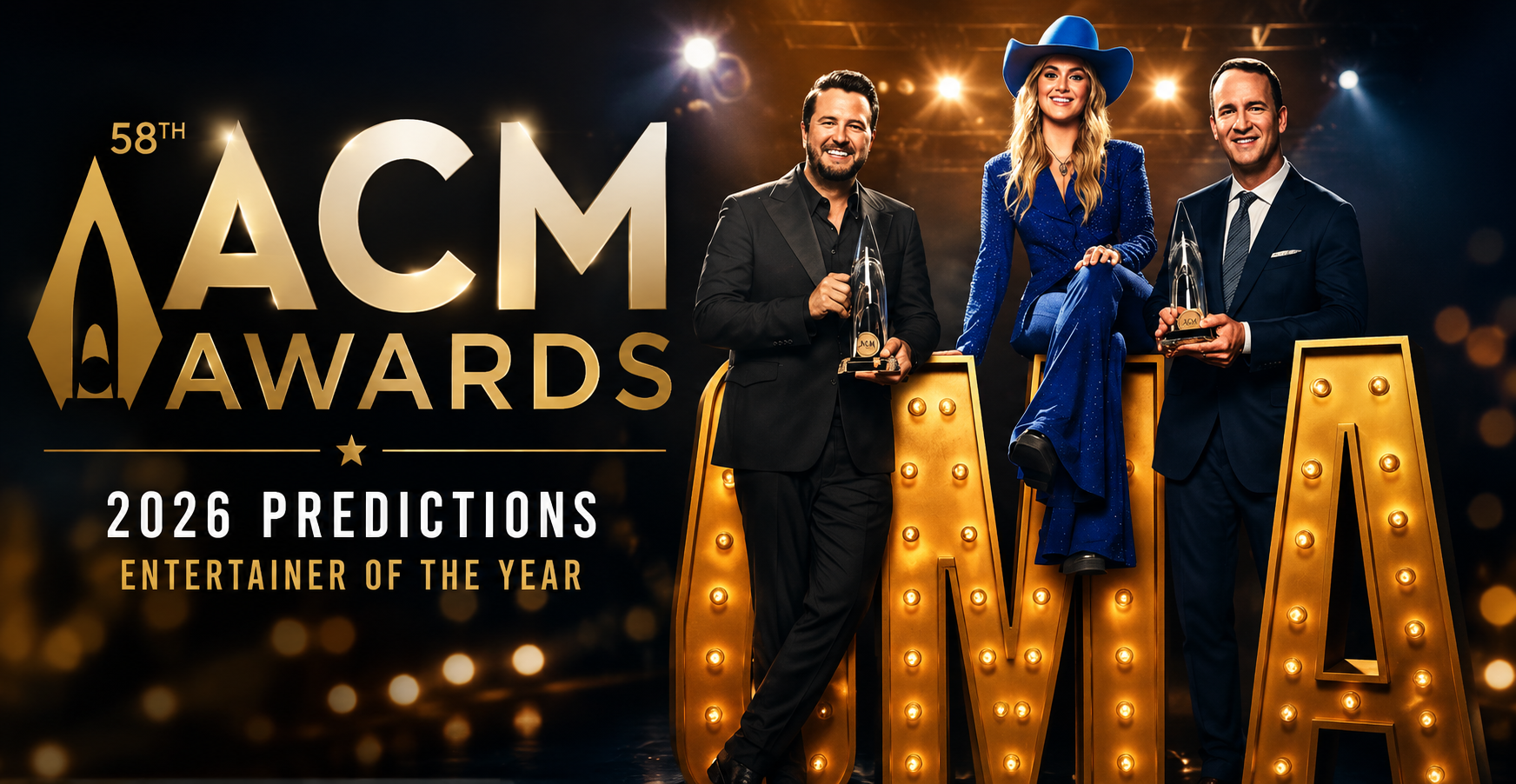
The Academy of Country Music (ACM) Entertainer of the Year award is the highest and most prestigious honor in country music, recognizing the artist who has most profoundly impacted the genre through musical excellence, touring prowess, industry leadership, and public connection over the eligibility year. Winning this accolade requires a combination of commercial success, critical acclaim, and an unmatched live performance footprint that resonates deeply with fans and industry peers alike.
Understanding the Prestige of the ACM Entertainer of the Year Award
The Academy of Country Music, established in 1964 in Los Angeles, California, sought to champion country music artists working on the West Coast before evolving into a national powerhouse alongside the Country Music Association (CMA) based in Nashville. Within the hierarchy of ACM accolades, Entertainer of the Year stands apart from genre-specific categories like Top Male or Female Artist. It evaluates the complete professional package of a touring act.
Securing this trophy demands proof of exceptional live draw, cultural relevance, radio dominance, and positive peer reputation. Voters consider how an artist shapes the cultural conversation, drives ticket sales across major arenas and stadiums, and maintains a standard of excellence that elevates the entire country music format. It is rarely won by a flash-in-the-pan streaming sensation; instead, it typically rewards sustained career momentum or peak cultural saturation backed by a grueling and successful tour schedule.
Evolution and Voting Mechanics of the Academy of Country Music
To fully appreciate the significance of an ACM Entertainer of the Year win, one must understand how the voting body operates. The Academy of Country Music consists of professional members working across all sectors of the entertainment industry, including record label executives, managers, booking agents, media figures, and fellow artists. This broad industry base ensures that the winner is recognized not just by casual consumers, but by the professionals who analyze data, ticket sales, and artistic output day in and day out.
Over the decades, the voting process has evolved from regional committees to a sophisticated, multi-round electronic ballot system managed by independent accounting firms. First-round voting narrows the vast field of eligible touring acts down to a select group of nominees. The final winner is then determined by the votes of the entire active membership. This rigorous filtering process means that securing a nomination is a massive career milestone, while taking home the trophy cements an artist's legacy in music history.
Full Chronological List of ACM Entertainer of the Year Winners
The history of the ACM Entertainer of the Year award reads like a roll call of country music royalty. From the early days of the genre's explosive commercial growth in the 1970s to the modern era of crossover streaming dominance, the list captures changing musical tastes while honoring enduring icons.
| Year | Winner | Notable Career Milestone During Winning Period |
|---|---|---|
| 1970 | Merle Haggard | Cemented outlaw country ethos with mainstream chart dominance. |
| 1971 | Loretta Lynn | Broke barriers for female artists with raw, autobiographical songwriting. |
| 1972 | Freddie Hart | Capitalized on massive crossover success with "Easy Loving." |
| 1973 | Roy Clark | Expanded country music's cultural reach through television's Hee Haw. |
| 1974 | Mac Davis | Blended pop-country crossover appeal with prolific songwriting credits. |
| 1975 | Loretta Lynn | Continued historic run as a pioneering female powerhouse in touring and recording. |
| 1976 | Conway Twitty | Dominated the Billboard Country charts with an unprecedented string of #1 hits. |
| 1977 | Mel Tillis | Led the industry with massive live touring numbers and comedic television presence. |
| 1978 | Dolly Parton | Mastered mainstream pop crossover while honoring traditional Appalachian roots. |
| 1979 | Kenny Rogers | Ushered in the lucrative soft-rock country crossover era with "The Gambler." |
| 1980 | Barbara Mandrell | Combined high-energy television variety performance with chart-topping singles. |
| 1981 | Barbara Mandrell | Achieved back-to-back dominance during the height of her television variety show fame. |
| 1982 | Alabama | Revolutionized the genre by bringing self-contained band dynamics to the forefront. |
| 1983 | Alabama | Continued unmatched arena-selling streak as country music's premier group. |
| 1984 | Alabama | Maintained ironclad grip on touring and radio with consecutive industry dominance. |
| 1985 | Alabama | Secured a historic fourth consecutive win, setting a benchmark for band success. |
| 1986 | Hank Williams Jr. | Revitalized his career by forging the aggressive, rock-infused Bocephus persona. |
| 1987 | Hank Williams Jr. | Sustained massive arena-rock touring momentum and cultural ubiquity. |
| 1988 | Randy Travis | Spearheaded the neo-traditionalist movement, reviving honky-tonk sounds. |
| 1989 | George Strait | Set new standards for traditional vocal delivery and record-breaking live attendance. |
| 1990 | George Strait | Continued unmatched era of chart consistency and packed stadium tours. |
| 1991 | Garth Brooks | Ignited the modern country boom with explosive stadium rock production values. |
| 1992 | Garth Brooks | Redefined concert expectations and album sales benchmarks globally. |
| 1993 | Alan Jackson | Emerged as a neo-traditional leader with smooth songwriting and massive touring power. |
| 1994 | Vince Gill | Balanced virtuosic guitar playing, pristine tenor vocals, and tireless charity work. |
| 1995 | Brooks & Dunn | Revitalized the honky-tonk duo format with high-octane stage production and hits. |
| 1996 | Brooks & Dunn | Maintained undisputed dominance of the 1990s dance-heavy country landscape. |
| 1997 | George Strait | Returned to the winner's circle amid a legendary multi-decade career. |
| 1998 | Garth Brooks | Returned to claim another trophy during his peak global touring years. |
| 1999 | Shania Twain | Smashed all global sales records with Come On Over and crossover pop appeal. |
| 2000 | Dixie Chicks | Redefined female group success with multi-platinum acoustic-driven bluegrass pop. |
| 2001 | Brooks & Dunn | Captured another win on the strength of enduring radio staples and dynamic live shows. |
| 2002 | Toby Keith | Propelled himself to superstar status with unapologetic, high-energy anthems. |
| 2003 | Toby Keith | Continued chart dominance and massive patriotic touring numbers. |
| 2004 | Kenny Chesney | Began his reign as the ultimate stadium-filling beach-country touring icon. |
| 2005 | Kenny Chesney | Cemented arena and stadium drawing power with relentless summer tour schedules. |
| 2006 | Kenny Chesney | Continued record-shattering ticket sales and breezy coastal country hits. |
| 2007 | Kenny Chesney | Secured fourth consecutive win during the peak of his stadium touring dominance. |
| 2008 | George Strait | Earned widespread acclaim for balancing legendary status with fresh material. |
| 2009 | Carrie Underwood | Made history as the first female artist to win Entertainer of the Year twice in a row (08/09). |
| 2010 | Carrie Underwood | Solidified her status as a vocal titan and arena-headlining powerhouse. |
| 2011 | Miranda Lambert | Proved critical darling status with raw, emotionally fearless songwriting and touring. |
| 2012 | Luke Bryan | Ushered in the upbeat "bro-country" and stadium-tailgate era with massive live numbers. |
| 2013 | George Strait | Won his final ACM Entertainer trophy during his monumental The Cowboy Rides Away tour. |
| 2014 | Luke Bryan | Maintained immense touring demand and radio ubiquity. |
| 2015 | Luke Bryan | Continued arena dominance and high-profile co-hosting duties for the academy. |
| 2016 | Jason Aldean | Powered through massive rock-country stadium tours and steady radio hits. |
| 2017 | Jason Aldean | Held onto the top spot through dedicated touring and loyal fan engagement. |
| 2018 | Jason Aldean | Claimed a third consecutive victory following successful multi-city runs. |
| 2019 | Keith Urban | Combined virtuosic guitar mastery, pop sensibilities, and global touring appeal. |
| 2020 | Thomas Rhett | Captured the modern streaming era with contemporary pop-country crossover hits. |
| 2021 | Luke Bryan | Earned a milestone win during a unique, pandemic-adjusted virtual award cycle. |
| 2022 | Miranda Lambert | Returned to the pinnacle after years of critical acclaim and relentless touring. |
| 2023 | Chris Stapleton | Rewarded for genre-defining vocal power, soulful writing, and massive live stadium appeal. |
| 2024 | Lainey Wilson | Capitalized on meteoric rise, authentic traditional sound, and massive mainstream visibility. |
| 2025 | Morgan Wallen | Dominated streaming data, consumption metrics, and historic stadium attendance records. |
Key Milestones and Historical Patterns Among Winners
Analyzing the decades of ACM Entertainer of the Year history reveals fascinating patterns regarding how the country music industry rewards its top tier. Certain acts have managed to string together multiple consecutive victories, reflecting a period of absolute cultural dominance.
Groups like Alabama achieved a legendary four-peat from 1982 to 1985, a feat later matched by Kenny Chesney from 2004 to 2007. These streaks demonstrate that once an artist captures the touring machinery and public imagination, sustaining that momentum requires relentless annual output and flawless tour execution.
Conversely, the list highlights changing demographics and subgenre shifts. While traditional honky-tonk artists like Merle Haggard and George Strait defined early eras, the late 1980s and 1990s introduced stadium-sized pop-country production led by Garth Brooks and Shania Twain. In the 21st century, the award has swung between high-energy stadium party architects like Luke Bryan and Kenny Chesney, and powerhouse vocalists rooted in traditional or roots-rock integrity like Chris Stapleton and Lainey Wilson.
Common Misconceptions About the ACM Entertainer of the Year
A frequent point of confusion among casual country music fans is the difference between the ACM Entertainer of the Year award and the CMA Entertainer of the Year award. While both represent the pinnacle of achievement in their respective organizations (the Academy of Country Music and the Country Music Association), they are voted on by different membership bodies, use distinct eligibility windows, and occasionally yield different winners for the same calendar year.
Another widespread myth is that the award is determined purely by album sales or streaming numbers on digital platforms. While commercial metrics heavily influence an artist's viability as a nominee, voting members explicitly weigh live performance stamina, fan interaction, professionalism, and industry citizenship. An artist who sells millions of digital tracks but fails to move tickets in major markets across the country rarely secures the votes needed to lift this specific trophy.
What Winning Means for an Artist's Career Trajectory
Securing the ACM Entertainer of the Year trophy permanently alters an artist's career trajectory and commercial viability. Financially, it serves as an immediate catalyst for booking fees, corporate sponsorship opportunities, and ticket demand, often allowing acts to transition smoothly from headlining arenas to filling major outdoor stadiums.
Beyond the economic impact, the award functions as a historical watermark. It separates successful hitmakers from true cultural icons whose work defines an era of American music. When booking agents pitch festivals, when networks market television specials, and when historians catalog the genre's greatest contributors, an Entertainer of the Year win stands as the ultimate professional validation.
Frequently Asked Questions About ACM Entertainer of the Year
Who has won the most ACM Entertainer of the Year awards?
Garth Brooks and George Strait hold the record for the most wins in this category, with both artists having claimed the prestigious trophy six times across their respective careers, followed closely by Alabama and Kenny Chesney with four wins each.
How are ACM Entertainer of the Year nominees selected?
Nominees are determined by the votes of the professional membership of the Academy of Country Music, who evaluate commercial success, touring metrics, critical reception, and overall industry impact during the designated eligibility period.
Can a duo or group win ACM Entertainer of the Year?
Yes, musical groups and duos are fully eligible and have won the award multiple times in history. Notable group and duo winners include Alabama, Brooks & Dunn, and the Dixie Chicks.
What is the difference between ACM and CMA Entertainer of the Year?
The ACM award is presented by the Academy of Country Music (historically West Coast-focused, now industry-wide), while the CMA award is presented by the Country Music Association (based in Nashville). They feature different voting bodies and distinct eligibility rules, though their winners frequently overlap.
Is ACM Entertainer of the Year voted on by fans?
No, unlike certain specific fan-voted categories at other ceremonies, the ACM Entertainer of the Year award is decided exclusively by the qualified professional members working within the country music industry.
Next Steps for Country Music Enthusiasts
To deepen your appreciation of country music history, explore the complete discographies and live concert recordings of the artists featured in this list. Researching the specific tour years of multi-time winners like Garth Brooks, Alabama, and Kenny Chesney offers valuable insight into how large-scale country music touring evolved into the multi-billion-dollar live entertainment sector it is today.