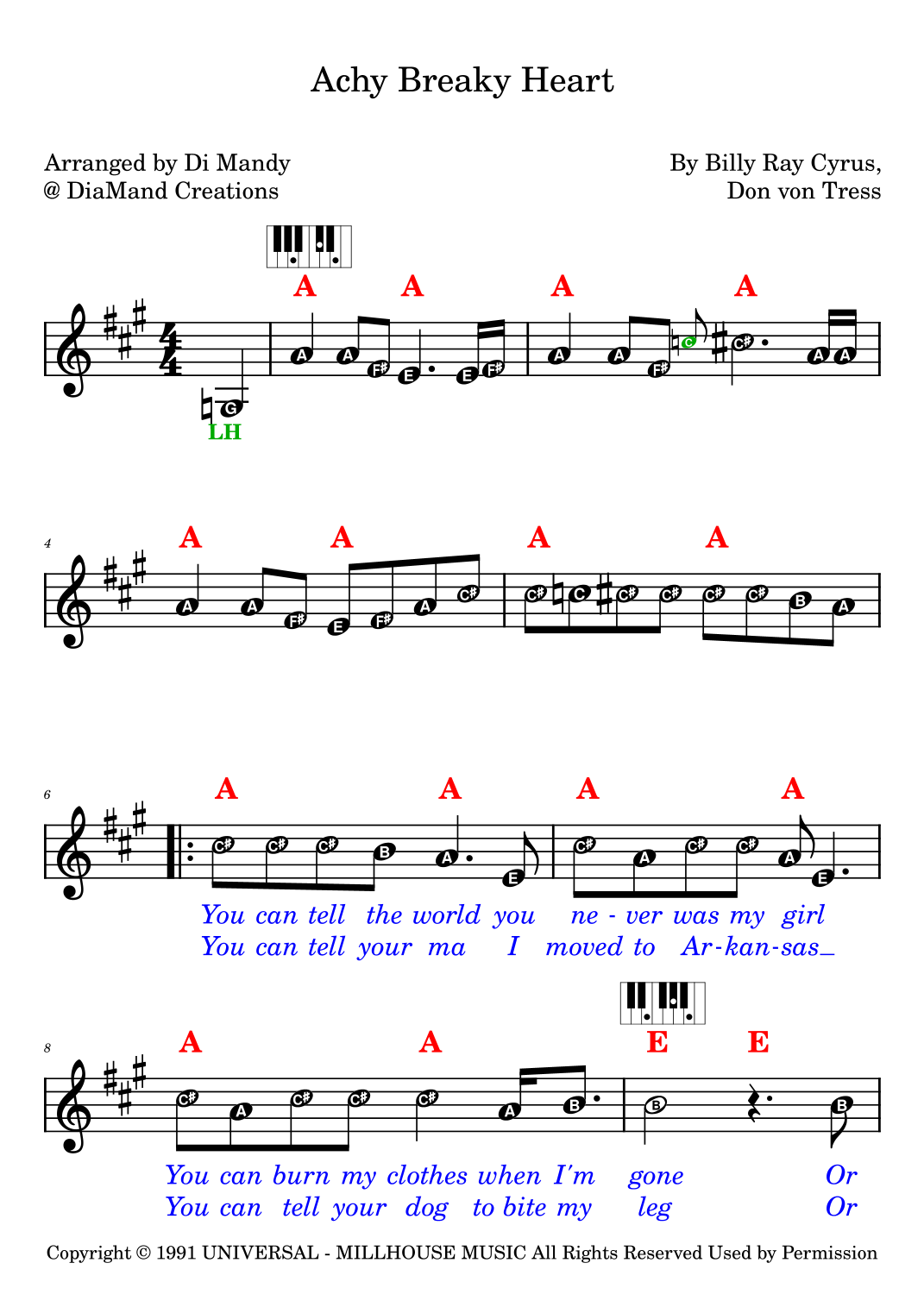
Experiencing an "achy breaky heart" often combines physical discomfort, such as chest tightness or musculoskeletal strain, with emotional stress. While physical chest pain requires immediate medical evaluation to rule out cardiac emergencies, emotional distress and non-cardiac physical aches benefit from targeted lifestyle adjustments, relaxation techniques, and structured self-care.
Defining the Achy Breaky Heart Phenomenon
The phrase "achy breaky heart" bridges a cultural pop song reference with very real human experiences: physical chest discomfort and the visceral feeling of emotional heartbreak. In a clinical context, physical sensations in the chest require careful distinction between cardiac origins, such as coronary artery disease or angina, and non-cardiac origins, including musculoskeletal pain, gastrointestinal distress, or psychological stress. Emotional heartbreak, meanwhile, is not merely a metaphor. Intense emotional trauma can trigger a literal physical reaction in the body, manifesting as real somatic pain and physiological stress responses.
Understanding this dual nature is vital for personal safety and effective management. When individuals feel an ache in their chest or a heavy sensation following a stressful life event, they often struggle to determine whether they need an emergency room visit, a consultation with a primary care physician, or simply strategies to calm their nervous system. Recognizing the baseline differences between these manifestations ensures that serious conditions are never ignored while everyday stress is properly managed.
Recognizing Key Physical and Emotional Symptoms
Symptoms associated with an achy breaky heart span a wide spectrum ranging from sharp or dull physical pain to profound emotional distress. Physical symptoms often involve the chest wall, sternum, or upper back, presenting as localized tenderness, dull aches, or sudden tightness. These physical cues can sometimes mimic more serious cardiac events, creating secondary anxiety that intensifies the overall discomfort.
Emotional symptoms accompanying this state are equally potent. Individuals frequently report a heavy sensation in the center of the chest, a racing or fluttering heartbeat, generalized fatigue, sleep disturbances, and persistent sadness or anxiety. In clinical terms, acute emotional stress can even lead to Takotsubo cardiomyopathy, often referred to as broken heart syndrome. This condition mimics a heart attack by temporarily disrupting the heart's normal pumping function, proving that emotional pain translates directly into physiological changes.
Identifying Underlying Causes of Chest Discomfort and Heartache
The origins of an achy breaky heart are diverse, requiring a methodical approach to diagnosis and categorization. Causes can be divided into physiological triggers, psychological stressors, and lifestyle factors. On the physiological side, conditions like costochondritis—an inflammation of the cartilage connecting a rib to the sternum—frequently cause sharp or aching chest wall pain that worsens with deep breaths or physical movement. Acid reflux and gastroesophageal reflux disease (GERD) can also project burning pain into the chest area, easily mistaken for cardiac issues.
Psychological and emotional causes center around acute grief, relationship breakups, job loss, or chronic high-stress environments. These events activate the sympathetic nervous system, flooding the body with stress hormones like cortisol and adrenaline. This hormonal surge increases heart rate, constricts blood vessels, and elevates blood pressure, which physically manifests as tightness, rapid palpitations, and a localized aching sensation in the chest cavity.
Comparing Cardiac Versus Non-Cardiac Chest Discomfort
| Feature | Cardiac Chest Pain (e.g., Angina, Ischemia) | Non-Cardiac / Musculoskeletal / Stress Pain |
|---|---|---|
| Primary Sensation | Pressure, squeezing, crushing, or fullness in the center of the chest. | Sharp, stabbing, localized soreness, or dull ache that worsens with touch. |
| Onset and Trigger | Often triggered by physical exertion, heavy meals, or emotional stress. | Often triggered by sudden movement, deep breathing, posture, or emotional shock. |
| Associated Signs | Radiating pain to the jaw, neck, left arm, back; shortness of breath; cold sweats; nausea. | Tenderness when pressing on the chest wall; burning in the upper abdomen; relief with rest or antacids. |
| Duration | Typically lasts longer than a few minutes and does not change with repositioning. | Can be fleeting (seconds) or persistent for hours; changes with body position or breathing. |
| Action Required | Emergency medical evaluation immediately (call 911 or local emergency services). | Consult a physician for diagnosis; use stress relief or anti-inflammatory measures if cleared. |
Practical Quick Relief Tips for Immediate Calming
When physical discomfort stems from stress, anxiety, or minor musculoskeletal strain, deploying rapid relief techniques can significantly reduce symptoms. Breathing exercises serve as a foundational tool for interrupting the body's acute stress response. Diaphragmatic breathing—inhaling slowly through the nose for a count of four, holding for two, and exhaling gently through the mouth for a count of six—signals the vagus nerve to slow the heart rate and lower blood pressure.
Physical grounding techniques and gentle movement also help alleviate localized chest tension. If the discomfort is muscular, applying a warm compress or taking a warm bath can relax tight pectoral and intercostal muscles. For emotional heartache, expressive writing, talking through the stressor with a trusted friend, or engaging in light physical activity like a short walk outdoors helps metabolize excess stress hormones and restore emotional equilibrium.
Long-Term Lifestyle Strategies for Heart Health and Resilience
Managing an achy breaky heart effectively requires looking beyond immediate symptom relief and establishing sustainable lifestyle habits that support both cardiovascular and mental health. A heart-healthy diet rich in leafy greens, whole grains, lean proteins, and healthy fats reduces systemic inflammation and supports optimal blood vessel function. Regular aerobic exercise, such as swimming, cycling, or brisk walking, strengthens the heart muscle and naturally improves stress resilience.
Stress management must also become a daily practice rather than an occasional reaction. Incorporating mindfulness meditation, yoga, or consistent sleep hygiene habits regulates the autonomic nervous system over time. Furthermore, building a strong social support network provides a protective buffer against the physiological impacts of grief and emotional trauma, ensuring that both the physical heart and emotional well-being remain resilient against life's inevitable pressures.
Frequently Asked Questions
When should I seek emergency medical attention for chest pain?
You should seek emergency medical attention immediately if your chest pain is accompanied by pressure, squeezing, or fullness in the center of the chest, pain radiating to the jaw, neck, back, or left arm, sudden shortness of breath, cold sweats, dizziness, or nausea. Never attempt to self-diagnose severe or unfamiliar chest pain.
What is broken heart syndrome?
Broken heart syndrome, clinically known as Takotsubo cardiomyopathy, is a temporary heart condition brought on by severe emotional or physical stress. It causes part of the heart to enlarge temporarily and pump less effectively, while the rest of the heart functions normally or with stronger contractions. It mimics heart attack symptoms but typically has no blocked coronary arteries.
Can anxiety really cause physical pain in the chest?
Yes, anxiety frequently causes physical chest pain through muscle tension, hyperventilation, and heightened sensitivity to normal bodily sensations. When panic or high stress occurs, chest wall muscles can tighten significantly, creating a localized aching or sharp pain that closely mimics cardiac distress.
How can I tell if my chest discomfort is muscular?
Musculoskeletal chest pain, such as costochondritis, usually changes in intensity when you press on the affected area, twist your torso, take a deep breath, or alter your posture. If pressing on your ribs reproduces the exact pain you feel, it is likely coming from the chest wall muscles or cartilage rather than the heart itself.
Are there natural supplements that help with heart-related stress?
Certain supplements, such as magnesium, omega-3 fatty acids, and adaptogenic herbs like ashwagandha, are frequently studied for their role in supporting stress response and cardiovascular health. However, you should always consult a healthcare professional before starting any new supplement regimen, especially if you take medications or have underlying health conditions.
Next Steps for Ongoing Wellness
If you experience persistent or recurring chest discomfort, schedule an appointment with a primary care physician or cardiologist to complete a thorough diagnostic evaluation and rule out underlying medical conditions. Prioritize establishing a daily routine that incorporates stress reduction, balanced nutrition, and appropriate physical activity to support both your cardiovascular system and emotional well-being.