Acetaminophen remains the primary recommended treatment for pain and fever during pregnancy when used at the lowest effective dose for the shortest duration. While historical use was considered universally safe, current 2026 medical guidelines emphasize cautious application due to emerging research regarding long-term developmental outcomes, balancing these risks against the known dangers of untreated maternal fever.
The Role of Acetaminophen in Prenatal Care
Acetaminophen, known internationally as paracetamol and frequently sold under the brand name Tylenol, is one of the most common medications used by pregnant individuals. Data suggests that up to 65% of pregnant women in the United States utilize this medication at some point during their gestation. It is primarily used to manage acute conditions such as tension headaches, lower back pain, and dental discomfort, as well as to reduce high fevers.
In the context of prenatal health, managing maternal pain and fever is not merely a matter of comfort. Chronic pain can lead to increased maternal stress, anxiety, and depression, which may indirectly affect fetal well-being. More critically, a high maternal fever (hyperthermia), particularly during the first trimester, is a documented risk factor for neural tube defects and other congenital anomalies. Because other common over-the-counter pain relievers, such as Non-Steroidal Anti-Inflammatory Drugs (NSAIDs), carry significant risks during various stages of pregnancy, acetaminophen has traditionally been the "first-line" therapy.
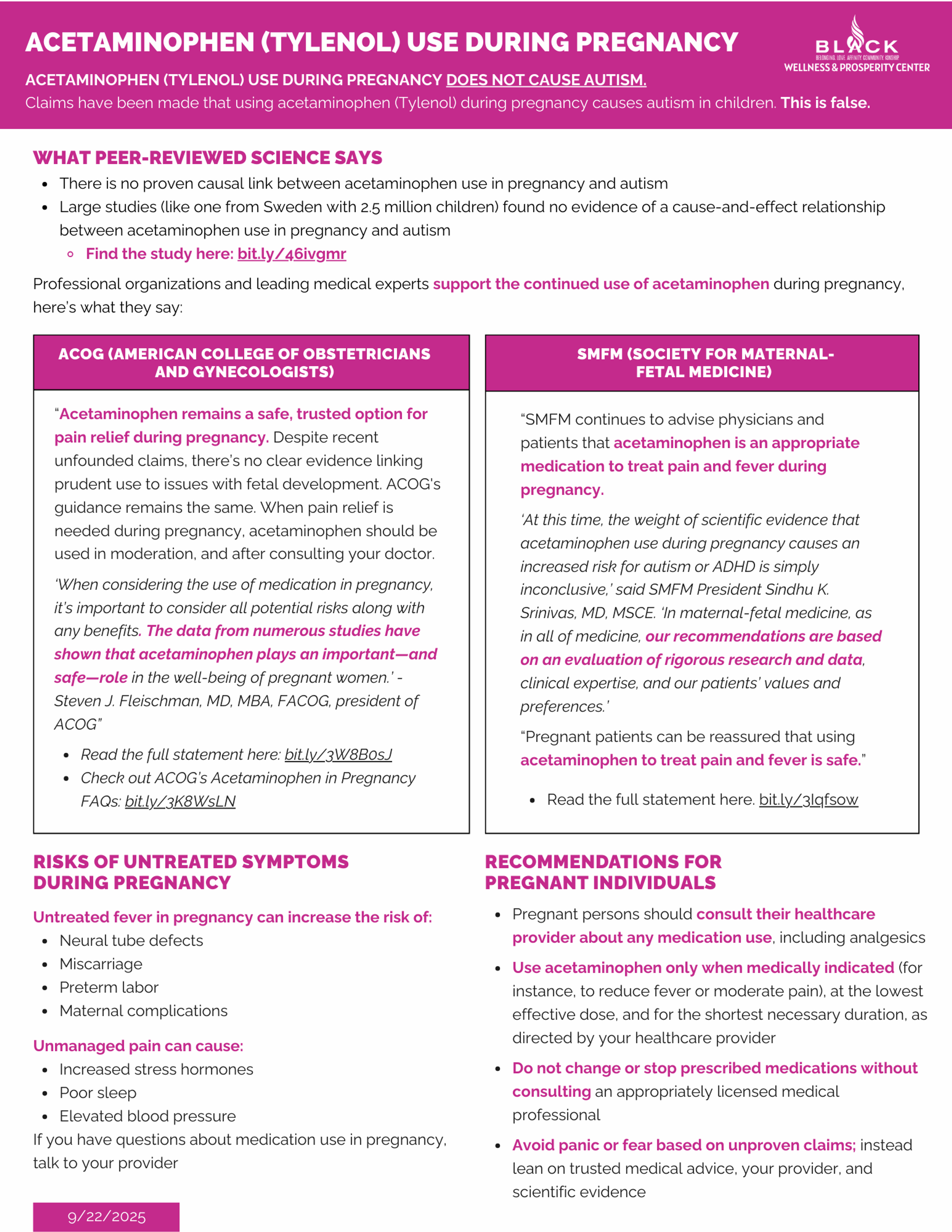
As we navigate the clinical landscape in 2026, the medical community continues to view acetaminophen as the safest available pharmacological option for pain relief, provided its use is disciplined and supervised by a healthcare provider. The focus has shifted from "unrestricted safety" to "mitigated necessity," where the benefits of treatment are carefully weighed against potential subtle risks.
Evolving Safety Guidelines and Clinical Consensus
The perspective on acetaminophen safety underwent a significant shift following a 2021 consensus statement published in Nature Reviews Endocrinology. This statement, supported by an international group of scientists and clinicians, called for a more precautionary approach to acetaminophen use during pregnancy. It highlighted epidemiological and experimental evidence suggesting that prenatal exposure might be associated with reproductive and neurodevelopmental issues.
As of 2026, the American College of Obstetricians and Gynecologists (ACOG) and the U.S. Food and Drug Administration (FDA) maintain that acetaminophen is the most appropriate pain reliever for pregnant patients but reiterate the importance of professional consultation. These organizations emphasize that many studies suggesting a link between acetaminophen and neurodevelopmental disorders—such as Attention Deficit Hyperactivity Disorder (ADHD) or Autism Spectrum Disorder (ASD)—are observational. Such studies can indicate a correlation but do not definitively prove that acetaminophen causes these conditions. Factors like the underlying reason for taking the medication (e.g., severe infection or chronic stress) often act as confounding variables that are difficult to isolate.
The current clinical consensus remains focused on three pillars:
- Medical Necessity: Medication should only be used when non-pharmacological interventions are insufficient.
- Dosage Control: Using the minimum amount required to achieve the therapeutic effect.
- Duration Limiting: Discontinuing use as soon as the acute symptom (like a fever) has resolved.
Managing Potential Developmental Risks
When discussing the safe use of acetaminophen, it is essential to understand the specific areas of concern identified by researchers. The two primary areas of investigation are neurodevelopment and reproductive development.
Neurodevelopmental Concerns
Some large-scale cohort studies have observed that children exposed to prolonged periods of acetaminophen in utero (often defined as more than 28 days of cumulative use) may have a slightly higher incidence of behavioral issues or delays in language development. However, these risks appear to be duration-dependent. Occasional use for a single headache or a one-day fever has not been consistently linked to these outcomes. In 2026, experts suggest that the "precautionary principle" should apply: since we cannot rule out a subtle effect on the developing fetal brain, use should be minimized.
Reproductive and Urogenital Development
Research has also explored whether acetaminophen acts as an endocrine disruptor. Some studies have suggested that exposure during the second trimester—a critical window for reproductive organ development—might be associated with an increased risk of cryptorchidism (undescended testes) in male infants. While the evidence is not yet strong enough to trigger a formal ban, it informs the recommendation to avoid unnecessary use during this specific developmental window.
Proper Dosage and Safe Administration
For a pregnant individual, the "standard" dose found on a medication bottle may not always be the optimal dose for fetal safety. While the maximum dose for a non-pregnant adult is generally 3,000mg to 4,000mg in a 24-hour period, healthcare providers in 2026 often recommend a more conservative ceiling for pregnant patients.
Recommended Usage Patterns
- The 3,000mg Rule: Many obstetricians suggest not exceeding 3,000mg of acetaminophen in 24 hours to reduce the metabolic load on both the maternal liver and the developing fetus.
- Interval Dosing: Rather than taking the medication on a fixed schedule, it should be taken only when symptoms are present. For example, if a headache subsides after one dose, a second dose four hours later is unnecessary.
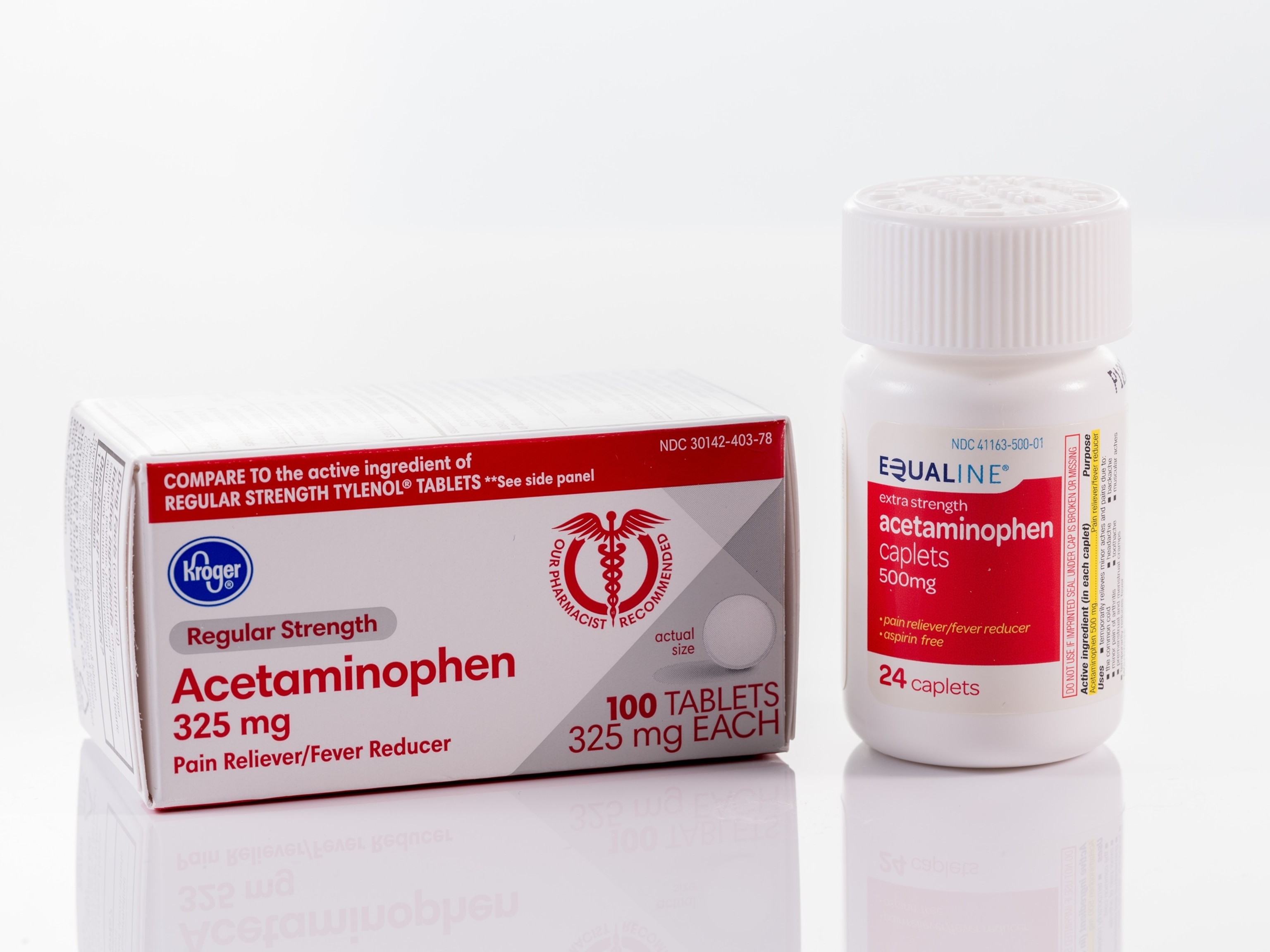
- Strength Selection: Patients should prioritize "Regular Strength" (325mg) tablets over "Extra Strength" (500mg or 650mg) versions when possible, as this allows for finer control over the total daily intake.
| Aspect | Recommendation for 2026 | Rationale |
|---|---|---|
| First-Line Choice | Acetaminophen (Tylenol) | Safest compared to NSAIDs, which can cause fetal kidney or heart issues. |
| Max Daily Dose | 3,000 mg (consult MD) | Reduces potential toxic metabolites and cumulative exposure. |
| Duration | Shortest possible (1-3 days) | Most neurodevelopmental concerns are linked to long-term (28+ days) use. |
| Primary Indication | Fever over 100.4°F (38°C) | Fever itself is a known teratogen; treating it is a medical priority. |
| Alternative | Physical therapy/Hydration | Non-drug options should be exhausted first for musculoskeletal pain. |
Why Acetaminophen is Preferred Over NSAIDs
A critical component of safe use is understanding why alternatives like ibuprofen (Advil, Motrin), naproxen (Aleve), or aspirin are generally avoided. The FDA issued a safety communication warning that using NSAIDs around 20 weeks of pregnancy or later can cause rare but serious kidney problems in the unborn baby.
Risks of NSAIDs in Pregnancy
- Oligohydramnios: NSAID use in the second and third trimesters can lead to low levels of amniotic fluid, which is essential for fetal lung and muscle development.
- Ductus Arteriosus Closure: Taking NSAIDs late in pregnancy (after 28-30 weeks) can cause the premature closure of a vital blood vessel in the fetus's heart, leading to pulmonary hypertension.
- Aspirin Considerations: While low-dose aspirin (81mg) is specifically prescribed to some women to prevent preeclampsia, full-dose aspirin for pain relief is generally discouraged due to bleeding risks.
Because of these significant physiological risks associated with NSAIDs, acetaminophen remains the only viable over-the-counter option for systemic pain relief, reinforcing the need for its safe and measured application.
Identifying Hidden Sources of Acetaminophen
One of the greatest risks to safe use is accidental overdose through "hidden" acetaminophen. Many multi-symptom medications for coughs, colds, and sleep aid contain acetaminophen as an active ingredient alongside other drugs.
Common Multi-Ingredient Products
- DayQuil/NyQuil: Often contain 325mg to 650mg of acetaminophen per dose.
- Excedrin: Contains a combination of aspirin, acetaminophen, and caffeine (Note: Excedrin is generally avoided in pregnancy due to the aspirin content).
- Prescription Painkillers: Medications like Percocet or Vicodin are combinations of opioids and acetaminophen.
Patients must read the "Drug Facts" label on every over-the-counter product. If a patient takes a dose of a cold remedy and then takes a "Regular Strength Tylenol" for a headache, they may inadvertently exceed the safe daily threshold. In 2026, the standard advice is to use single-ingredient products whenever possible to ensure precise tracking of the total acetaminophen intake.
Frequently Asked Questions
Is it safe to take acetaminophen in the first trimester?
Yes, it is generally considered safe during the first trimester, especially for fever reduction. High maternal fever during the first 12 weeks is linked to an increased risk of structural birth defects. Using acetaminophen to bring a fever down is medically recommended and considered a protective measure for the fetus.
Does acetaminophen cause ADHD or Autism?
Current research shows a correlation in some long-term studies, but no definitive causal link has been proven. Many experts believe that the reasons why a person takes the medication—such as underlying infections, genetics, or chronic inflammation—may be the actual drivers of these developmental outcomes. As of 2026, the guidance is to use the medication only when necessary to minimize any theoretical risk.
How much acetaminophen is too much during pregnancy?
Most healthcare providers recommend staying below 3,000mg in a 24-hour period. However, "too much" is also defined by duration. Taking the maximum dose for one day to break a fever is generally safer than taking a moderate dose every day for several weeks. Always consult your OBGYN regarding your specific dosage needs.
Can I take acetaminophen while breastfeeding?
Yes. Acetaminophen is considered compatible with breastfeeding. While a small amount of the medication does pass into breast milk, the levels are significantly lower than the doses safely given directly to infants for pain or fever. It remains the preferred analgesic for postpartum recovery.
What are the alternatives for headache relief during pregnancy?
Before reaching for medication, pregnant individuals are encouraged to try non-pharmacological methods. These include increasing hydration (dehydration is a common trigger), using cold compresses on the forehead or neck, ensuring adequate sleep, and practicing prenatal yoga or meditation to reduce tension. If these fail, acetaminophen is the next appropriate step.
Guidelines for Responsible Use
The most effective way to ensure safety is to maintain an open dialogue with a maternal health provider. If you find yourself needing acetaminophen more than two or three times a week, it is a signal that the underlying cause of your pain needs to be addressed through other means, such as physical therapy for back pain or dietary changes for headaches.
Next Actions for Pregnant Patients:
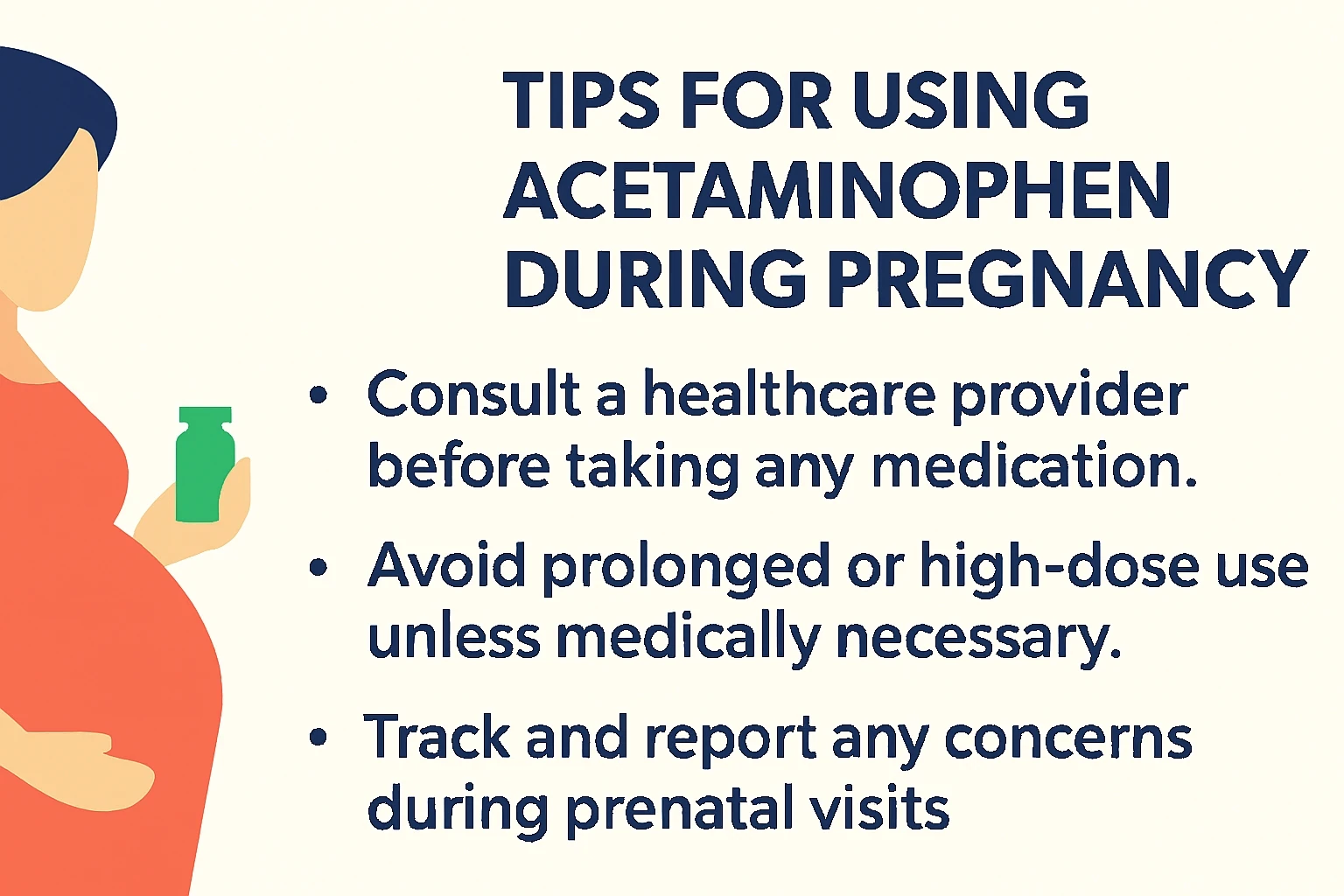
- Keep a Medication Log: Record the date, time, dose, and reason for every instance of acetaminophen use. This helps your doctor assess your cumulative exposure.
- Consult Before You Buy: Before purchasing any multi-symptom "cold and flu" or "sinus" medication, verify with your pharmacist or doctor that it does not contain hidden acetaminophen or ingredients contraindicated for pregnancy.
- Prioritize Fever Management: If you have a temperature of 100.4°F (38°C) or higher, do not hesitate to use acetaminophen as directed, as fever is a more immediate threat to fetal health than the medication itself.
- Review at Every Appointment: Mention your medication use during routine prenatal visits to ensure your pain management plan remains aligned with the latest 2026 safety data.