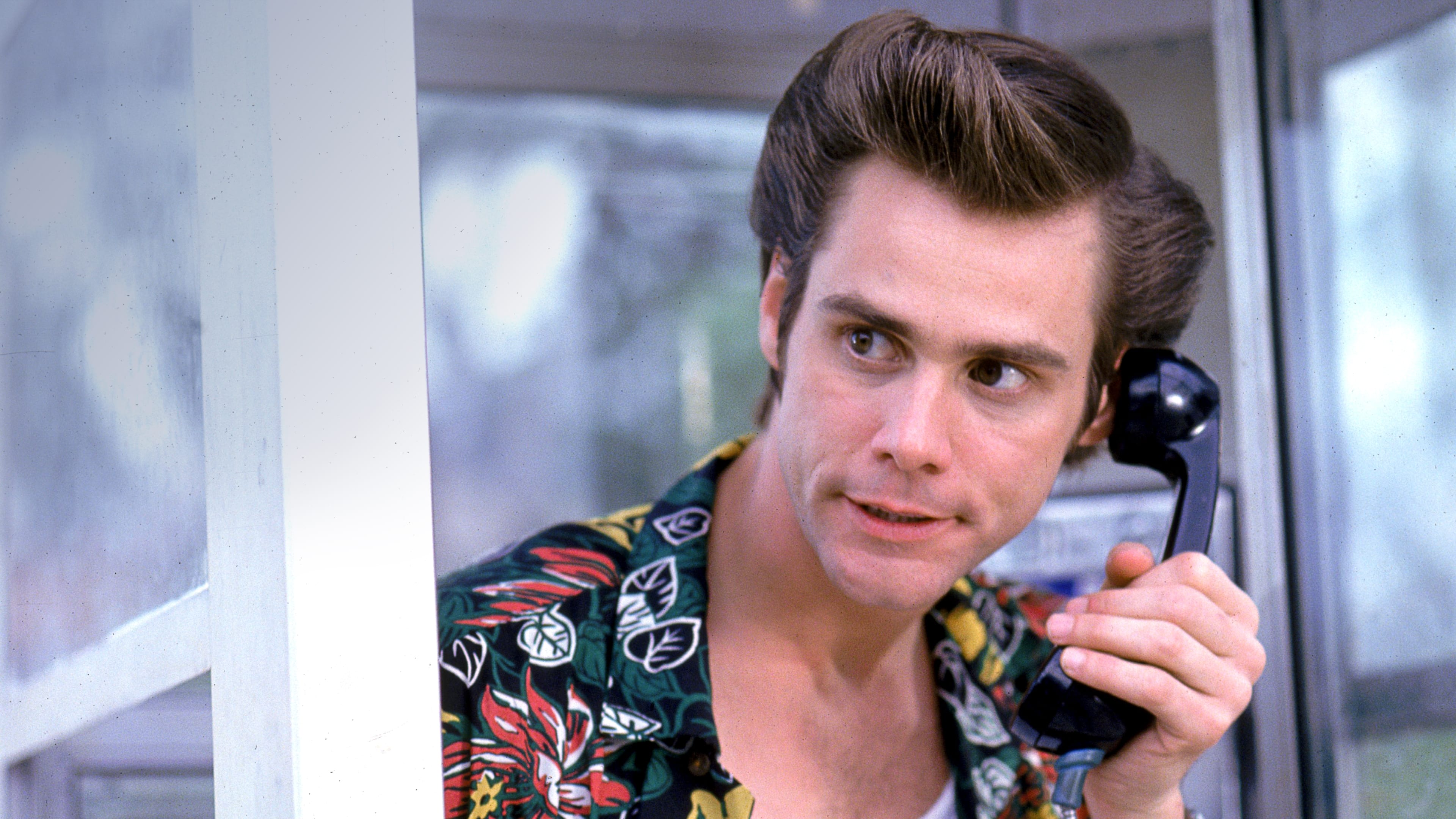
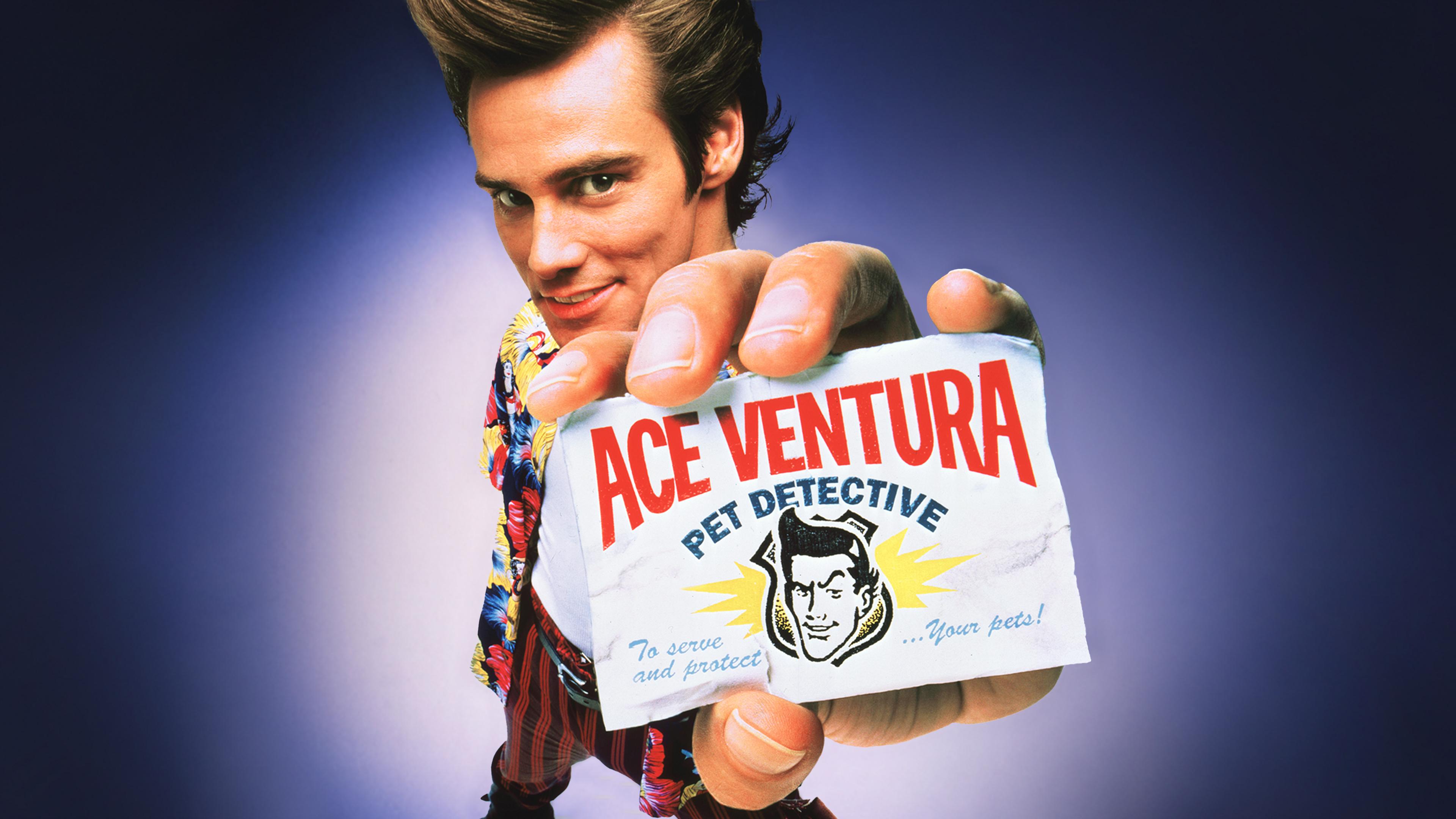
Ace Ventura is a landmark comedy franchise centered on an eccentric private investigator specializing in the retrieval of missing animals. Portrayed by Jim Carrey, the character became a cultural phenomenon in the 1990s, blending absurdist physical comedy with a unique "pet detective" premise. As of 2026, the franchise remains a foundational piece of modern comedic cinema, influencing character-driven humor and slapstick performance.
The Cultural Genesis of the Pet Detective
The emergence of Ace Ventura in 1994 was a pivotal moment in Hollywood history, marking the transition of Jim Carrey from a television sketch performer on In Living Color to a global superstar. At the time, the concept of a detective who exclusively found lost animals was seen as a niche or even high-risk premise for a major motion picture. However, the collaboration between Carrey and director Tom Shadyac transformed the script into a vehicle for high-energy improvisation.
The development of the character's persona was a deliberate departure from the traditional "hard-boiled" detective tropes. While Ace Ventura wears the trench coat's spiritual successor—the loud Hawaiian shirt—and possesses keen observational skills, his social interactions are defined by intentional irritation and theatricality. This juxtaposition of competent detective work and abrasive personality created a new archetype in comedy. By 2026, critics often point to this era as the beginning of the "rubber-faced" comedy movement that dominated the mid-90s box office.
The production of the original film was handled by Morgan Creek Entertainment, a studio that took a gamble on Carrey’s unproven leading-man potential. The risk paid off significantly, as the film’s success led to an immediate expansion of the brand into sequels, animation, and merchandise.
Ace Ventura: Pet Detective (1994) Analysis
The first film in the series, Ace Ventura: Pet Detective, serves as the character's origin story and establishes the "lore" of his profession. The plot follows Ace as he is hired to find Snowflake, the missing dolphin mascot of the Miami Dolphins, just weeks before the Super Bowl.
Narrative Structure and Plot Mechanics
The film functions as a genuine mystery, adhering to the beats of a classic whodunit. It introduces a variety of suspects, including a disgruntled former player named Ray Finkle. The technical depth of the screenplay lies in its ability to hide clues in plain sight—such as the missing stone in a championship ring—while distracting the audience with Carrey's flamboyant comedic set pieces.
The climax of the film involves a significant plot twist regarding the identity of Lieutenant Lois Einhorn. While the film was a massive success, modern retrospectives in 2026 often analyze this specific plot point through a contemporary lens, noting how comedic standards regarding gender identity have shifted significantly since the early 1990s. Despite these evolving perspectives, the film’s pacing and commitment to its absurd reality remain highly regarded by film students studying comedic timing.
Technical Performance and Reception
Jim Carrey’s performance in the 1994 original is often cited as a masterclass in physical commitment. From his distinctive "alrighty then" catchphrase to his ability to speak through his posterior, Carrey utilized his entire body as a comedic tool. The film's cinematography, led by Julio Macat, utilized vibrant, saturated colors to match the Miami setting and the character's manic energy. According to Box Office Mojo, the film grossed over $107 million worldwide against a modest $15 million budget, proving that there was a massive appetite for this specific brand of humor.
Ace Ventura: When Nature Calls (1995) Expansion
Following the unprecedented success of the first film, a sequel was fast-tracked and released only a year later. Ace Ventura: When Nature Calls moved the setting from the urban landscape of Miami to the fictional African nation of Nibia.
Shift in Direction and Tone
The sequel saw Steve Oedekerk take over the director's chair. This shift resulted in a film that was even more surreal and gag-heavy than its predecessor. The plot involves Ace coming out of a self-imposed spiritual retreat in the Himalayas to find a rare white bat, which is sacred to the Wachati and Wachootoo tribes.
One of the most famous sequences in the film—and perhaps the franchise—is the "mechanical rhino" scene. This moment exemplifies the franchise's reliance on elaborate, practical-effect-driven physical comedy. The technical execution of the rhino prop and Carrey's interaction with it remains a highlight of 90s slapstick.
Commercial Success vs. Critical Reception
While critics were often divided on the sequel's relentless pace and crude humor, the commercial results were staggering. The film doubled the original's box office, grossing over $212 million. This confirmed that the Ace Ventura character was not a one-hit wonder but a sustainable franchise lead. In the context of 2026, the film is viewed as the peak of Carrey's "manic" period, preceding his transition into more dramatic roles like The Truman Show.
Character Profile: The Psychology of Ace Ventura
To understand why "Ace Ventura" became a household name, one must analyze the character's specific psychological traits and visual design. Ace is defined by a deep-seated empathy for animals and a corresponding disdain for humans, particularly those in positions of authority.
Visual Identity and Aesthetic
- The Hair: A gravity-defying pompadour that remains remarkably consistent despite physical altercations.
- The Attire: A combination of striped trousers, combat boots, and loud tropical shirts, signaling his outsider status in formal environments.
- The Vehicle: A battered 1972 Chevrolet Monte Carlo, often driven with his head out the window (due to a shattered windshield), emphasizing his animalistic tendencies.
Linguistic Patterns
Ace’s speech is characterized by elongated vowels, sudden shifts in volume, and the use of sarcasm as a defensive mechanism. Catchphrases such as "Alrighty then!", "Loser!", and "Thank you very much!" were not just punchlines but rhythmic punctuation marks that dictated the flow of his scenes. These linguistic quirks were so pervasive that they entered the global lexicon, persisting as recognizable memes even three decades later.
Spin-offs, Animation, and the Extended Universe
The popularity of the films led to the development of secondary media designed to capture younger audiences and keep the brand active during Carrey's hiatus from the role.
Ace Ventura: The Animated Series (1995–1997)
Produced by Nelvana, the animated series ran for three seasons. It leaned heavily into the absurdist nature of the character, allowing for more fantastical animal-related adventures that would have been cost-prohibitive in live-action. Michael Daingerfield provided the voice for Ace, successfully mimicking Carrey’s cadence. A notable crossover occurred with The Mask animated series, creating a small "Carrey-verse" of animated content.
Ace Ventura Jr.: Pet Detective (2009)
In an attempt to reboot the franchise for a new generation, a television movie titled Ace Ventura Jr.: Pet Detective was released. It followed the adventures of Ace's son. However, without the involvement of Jim Carrey or the original creative team, the film failed to gain traction with fans or critics. In the 2026 media landscape, it is largely considered a "lost" chapter that highlights the difficulty of separating the character from the specific actor who originated it.
Franchise Statistical Comparison
The following table compares the two primary feature films to illustrate the growth and scope of the franchise during its peak years.
| Feature Detail | Ace Ventura: Pet Detective (1994) | Ace Ventura: When Nature Calls (1995) |
|---|---|---|
| Director | Tom Shadyac | Steve Oedekerk |
| Primary Location | Miami, Florida, USA | Nibia, Africa (Fictional) |
| Core Mystery | Kidnapped Mascot (Snowflake) | Missing Sacred Bat (Shikaka) |
| Budget | $15 Million | $30 Million |
| Global Box Office | $107 Million | $212 Million |
| Antagonist | Lt. Lois Einhorn / Ray Finkle | Vincent Cadby |
| Signature Animal | Bottlenose Dolphin | Great White Bat |
Modern Perspectives and the Future of the Franchise
By 2026, the legacy of Ace Ventura is one of mixed nostalgia and critical re-evaluation. The films are celebrated for their uninhibited energy and the sheer talent of Jim Carrey, yet they are also studied as artifacts of a specific era in American comedy.
The Rumors of Ace Ventura 3
For several years leading up to 2026, industry reports from outlets like The Hollywood Reporter have suggested that a third installment has been in various stages of development at Amazon MGM Studios. The involvement of the writers from Sonic the Hedgehog (which also starred Carrey) fueled speculation that a revival was imminent. While Carrey has officially retired from acting several times, the enduring popularity of Ace Ventura makes it one of the few properties capable of drawing him back for a legacy sequel.
Educational and Cultural Impact
In film schools, the franchise is used to demonstrate the importance of "character-first" writing. The scripts for Ace Ventura are often secondary to the performer's physical interpretation. Furthermore, the franchise's influence can be seen in modern character-based comedies, where the protagonist operates on a different frequency than the rest of the world.
Frequently Asked Questions
Is Jim Carrey returning for a third Ace Ventura movie?
As of 2026, there has been no official confirmation of Jim Carrey signing on for a third film, though development rumors have persisted since 2021. Carrey has expressed that he would only return to his classic roles if the creative vision offered something truly "genius" or transformative.
Why is the first Ace Ventura movie considered controversial today?
The ending of the first film involves a reveal regarding the character Lois Einhorn that many modern viewers and critics identify as transphobic. The treatment of the character and the reactions of the other characters in the film are frequently cited in academic discussions about the evolution of sensitivity in mainstream media.
What happened to the mechanical rhino from the second movie?
The mechanical rhino used in When Nature Calls was a complex practical prop. Following the production, various components of the film's props were auctioned off or housed in private collections. It remains one of the most iconic pieces of comedy memorabilia from the 1990s.
Are the Ace Ventura movies available on streaming?
In 2026, the distribution rights for the films are primarily held by Morgan Creek and managed through major platforms like Amazon Prime Video and Paramount+. Availability often varies by region due to licensing agreements.
Did Ace Ventura ever cross over with other characters?
While a live-action crossover never occurred, the animated version of Ace Ventura met Stanley Ipkiss (The Mask) in a special crossover episode. This was possible because both characters were originated by Jim Carrey and had animated shows produced around the same time.
Recommended Viewing Order and Actions
For those looking to experience the "Ace Ventura" phenomenon for the first time or revisit the classics in 2026, the following steps are recommended:
- Start with the 1994 Original: Begin with Ace Ventura: Pet Detective to understand the character's foundations and the cultural context of Jim Carrey's rise.
- The Sequel for Slapstick: Move to When Nature Calls if you prefer higher-budget gags and more surreal humor over the "mystery" elements of the first film.
- Explore the Animated Series: For a deeper look at the character's mechanics without the constraints of live-action physics, the first season of the animated series is highly recommended.
- Follow Trade News: Keep an eye on official announcements from Amazon MGM Studios and Morgan Creek Entertainment for verified updates regarding the potential "Ace Ventura 3."