The Ace Family house foreclosure involved the loss of a multi-million dollar Encino estate due to defaulted loan payments and legal complications. To avoid losing your home, you must prioritize communication with your lender, explore loan modification programs, consider temporary forbearance, or pursue a short sale if the debt exceeds the property value.
Understanding the Ace Family Mansion Foreclosure Timeline
The saga of the Ace Family mansion, owned by social media personalities Austin McBroom and Catherine Paiz, serves as a high-profile case study in real estate risk and the reality of foreclosure. The couple combined two adjacent lots in Encino, California, to construct a massive estate valued at over $10 million. However, by mid-2021, reports surfaced that the property was facing foreclosure proceedings.
The primary cause of the foreclosure was a failure to satisfy the debt obligations tied to the construction and purchase of the property. In California, which primarily uses a non-judicial foreclosure process, a lender can initiate the "Notice of Default" (NOD) after a homeowner misses several payments. For the Ace Family, the public records indicated millions of dollars in unpaid debt. Despite attempts to list the home for sale to cover the liabilities, the property eventually transitioned through the foreclosure process, leading to the family vacating the premises.
As we look back from 2026, this event remains a significant example of how even high-income earners can face property loss if financial management and debt servicing are not strictly maintained. The complexities of their situation—including mechanic’s liens from contractors and high-interest construction loans—demonstrate that foreclosure is rarely the result of a single missed payment, but rather a culmination of unresolved financial pressures.
The Mechanics of Foreclosure: Why It Happens to High-Value Properties
Foreclosure is the legal process by which a lender attempts to recover the balance of a loan from a borrower who has stopped making payments. The lender does this by forcing the sale of the asset used as collateral for the loan. While the Ace Family’s situation was publicized due to their celebrity status, the underlying mechanics apply to any homeowner.
In high-value real estate, foreclosures often involve "jumbo loans," which carry stricter requirements and higher stakes. When a borrower defaults on a luxury property, the lender is often more aggressive because the carrying costs (taxes, insurance, and maintenance) are significantly higher. If the property value stays stagnant or declines while interest accumulates, the equity can evaporate quickly.
There are two main types of foreclosure:
- Judicial Foreclosure: This requires the lender to go through the court system. It is a longer process that allows the homeowner more time to respond but often ends in a court-ordered sale.
- Non-Judicial Foreclosure: This occurs when a "power of sale" clause is included in the mortgage or deed of trust. It is faster and does not require court intervention, which was the primary mechanism in the California-based Ace Family case.
Early Warning Signs and Legal Notices in the Foreclosure Process
Avoiding the loss of a home requires identifying the warning signs before the process becomes irreversible. Most lenders do not want to own the property; they want the interest and principal payments. Therefore, the earlier a homeowner acts, the more options remain on the table.
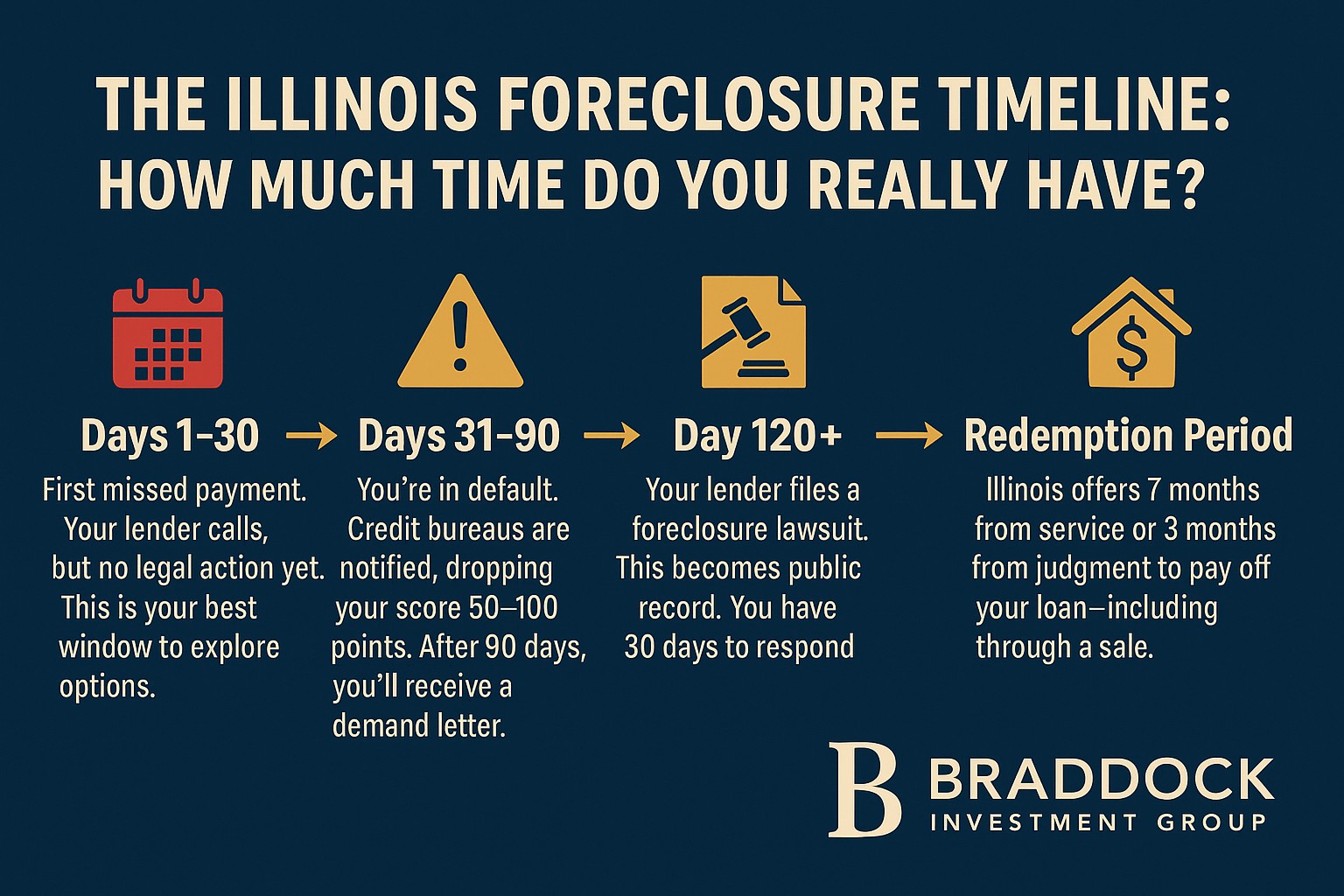
The process typically begins with a Notice of Default (NOD). This is a public record filed with the county recorder’s office. It officially notifies the borrower that they are behind on payments and starts a clock—often 90 days in many jurisdictions—during which the borrower can "reinstate" the loan by paying the overdue amount plus fees.
If the NOD period passes without resolution, a Notice of Trustee Sale is issued. This sets a date for the property to be auctioned. Once this notice is posted, the window for negotiation narrows significantly. In the Ace Family’s case, the transition from rumor to public filing of these notices was the turning point that made their relocation inevitable. Homeowners must treat any communication from their lender’s "loss mitigation" department with the highest priority to avoid reaching this stage.
Strategies to Avoid Foreclosure and Protect Your Property
If you find yourself facing financial hardship similar to the Ace Family's situation, several formal programs and strategies can stop or delay the foreclosure process. The goal is to find a solution that either makes the debt manageable or allows for a "graceful exit" that preserves your credit score.
Loan Modification
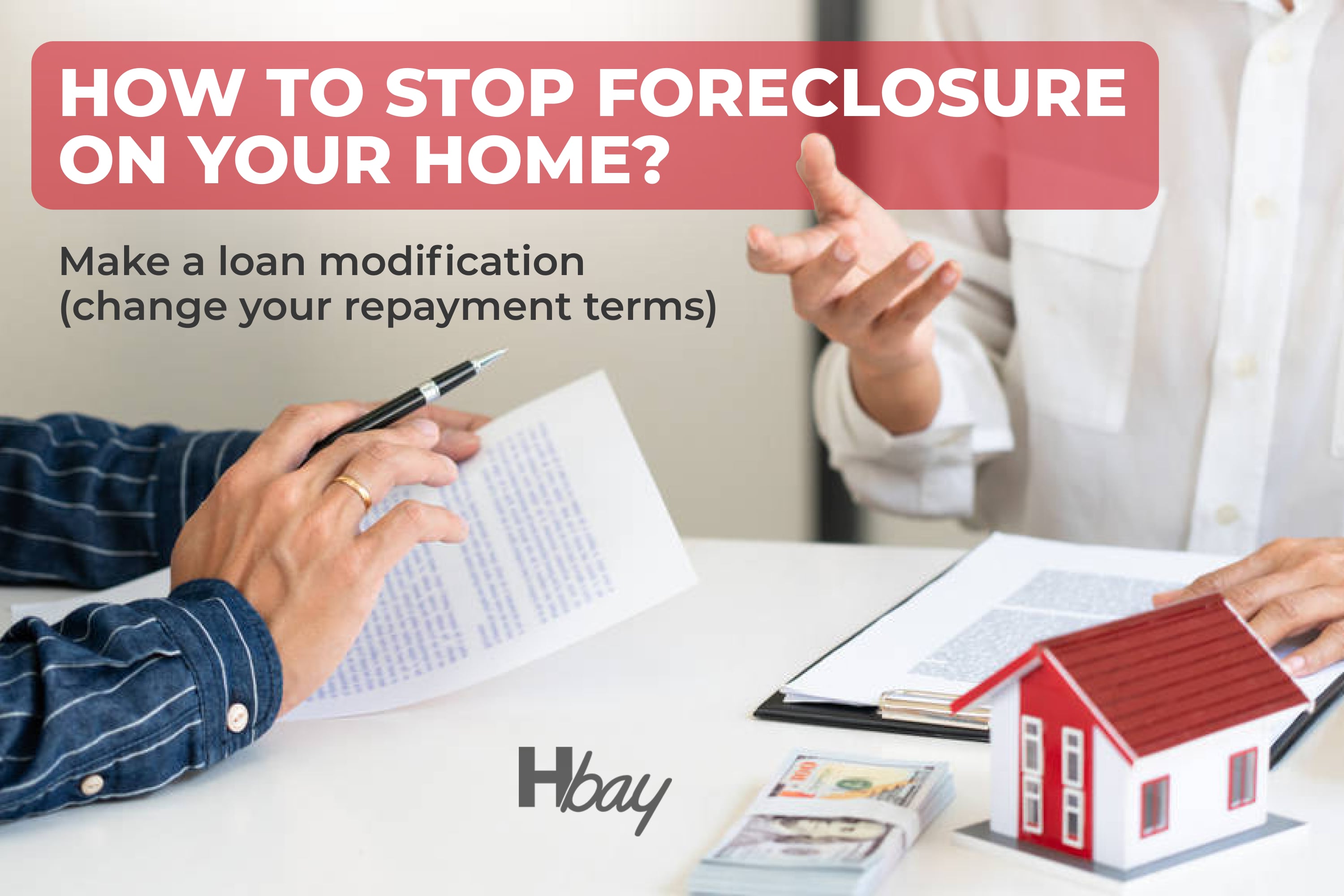
A loan modification involves a permanent change to the terms of your mortgage. The lender may agree to lower the interest rate, extend the term of the loan (e.g., from 30 years to 40 years), or wrap the past-due amounts into the principal balance. This is the most common way to keep a home, but it requires proof of a stable, though perhaps lower, income.
Forbearance Agreements
Forbearance is a temporary pause or reduction in mortgage payments. It is designed for homeowners experiencing a short-term crisis, such as a medical emergency or temporary unemployment. Once the forbearance period ends, you must have a plan to pay back the missed amount, often through a repayment plan or a "deferral" where the missed payments are moved to the end of the loan term.
Reinstatement and Partial Claims
Reinstatement is the simplest, albeit most difficult, method: paying the entire past-due amount in one lump sum. If you have an FHA loan, you may be eligible for a "Partial Claim," where the Department of Housing and Urban Development (HUD) provides a zero-interest loan to bring your mortgage current.
Short Sale or Deed in Lieu of Foreclosure
If the property is worth less than what is owed (being "underwater"), a short sale may be the best option. The lender agrees to let you sell the home for less than the mortgage balance and forgive the remaining debt. Alternatively, a Deed in Lieu of Foreclosure involves voluntarily handing the deed to the lender to avoid a formal foreclosure on your credit report. This was a path discussed heavily during the Ace Family’s exit from their Encino home, as it can be less damaging than a forced eviction.
Comparison of Foreclosure Prevention Methods
| Method | Best For | Impact on Credit | Requirement |
|---|---|---|---|
| Loan Modification | Long-term hardship | Moderate | Proof of income and hardship |
| Forbearance | Short-term crisis | Low to Moderate | Agreement with lender; plan to repay |
| Short Sale | Negative equity | High | Lender approval; buyer for the home |
| Deed in Lieu | Avoiding auction | High | Property must be clear of other liens |
| Bankruptcy (Ch. 13) | Saving the home | Very High | Legal filing; court-ordered repayment |
The Long-Term Impact of Foreclosure on Credit and Future Housing
The consequences of a foreclosure extend far beyond losing a physical structure. A foreclosure remains on a credit report for seven years. This can lower a credit score by 100 to 300 points, making it nearly impossible to secure a new mortgage for several years.
In the 2026 financial landscape, lenders look closely at "derogatory events." Even if a borrower's income recovers—as is often the case with high-profile influencers—the history of a foreclosure indicates a high risk of default. Furthermore, foreclosure can impact your ability to rent a home, as many landlords run credit checks and view a past eviction or foreclosure as a significant red flag.
To rebuild after such an event, individuals must focus on "credit gardening." This includes opening secured credit cards, ensuring all other debts are paid on time, and waiting for the mandatory "seasoning periods" (usually 3 to 7 years) required by Fannie Mae, Freddie Mac, or the FHA before applying for a new home loan.
Common Questions Regarding Foreclosure Prevention
Can I stop a foreclosure the day before the auction?
Yes, in many jurisdictions, you can stop a foreclosure auction up until the moment it begins by filing for Chapter 7 or Chapter 13 bankruptcy. This triggers an "automatic stay," which legally prevents creditors from proceeding with the sale. However, this is a drastic measure and should only be done under the guidance of a legal professional.
Does a foreclosure mean I lose all the equity in my home?
Not necessarily, but often. If the home is sold at a trustee sale for more than what you owe (including interest and legal fees), you are entitled to the "surplus funds." However, foreclosed homes often sell for less than market value, and the accumulated fees often consume any remaining equity.
Why did the Ace Family lose their home if they were still making money?
High income does not always equate to high liquidity. In the Ace Family case, the massive overhead of a $10 million estate, combined with ongoing legal battles and potential fluctuations in social media revenue, likely created a situation where their monthly cash flow could not sustain the debt service. Foreclosure is a mathematical reality: if the payments stop, the process starts, regardless of celebrity status.
How does a "Mechanic’s Lien" affect foreclosure?
A mechanic’s lien is a claim made by contractors or suppliers who haven't been paid for work done on the property. In the Ace Family mansion, several liens were reportedly filed. These liens "cloud the title," making it difficult to sell or refinance the home because the lender wants a "clean" title before agreeing to new terms.
Is a short sale better than a foreclosure?
Generally, yes. A short sale is reported to credit bureaus differently and often allows a borrower to apply for a new mortgage sooner (usually after 2 years) compared to a foreclosure (usually 7 years). It also provides the homeowner with more control over the move-out timeline.
Take Action: Contact a HUD-Approved Counselor
If you are struggling with mortgage payments, the most critical step is to seek professional, third-party advice. Do not rely solely on internet rumors or "quick fix" scams that promise to save your home for an upfront fee.
The U.S. Department of Housing and Urban Development (HUD) provides access to housing counselors who offer free or low-cost advice on foreclosure prevention. These counselors can help you navigate the paperwork for a loan modification and act as an intermediary between you and your lender. Taking this step early—ideally before you miss your second payment—significantly increases the chances of a successful outcome and helps you avoid the public and financial fallout experienced in high-profile cases like that of the Ace Family.