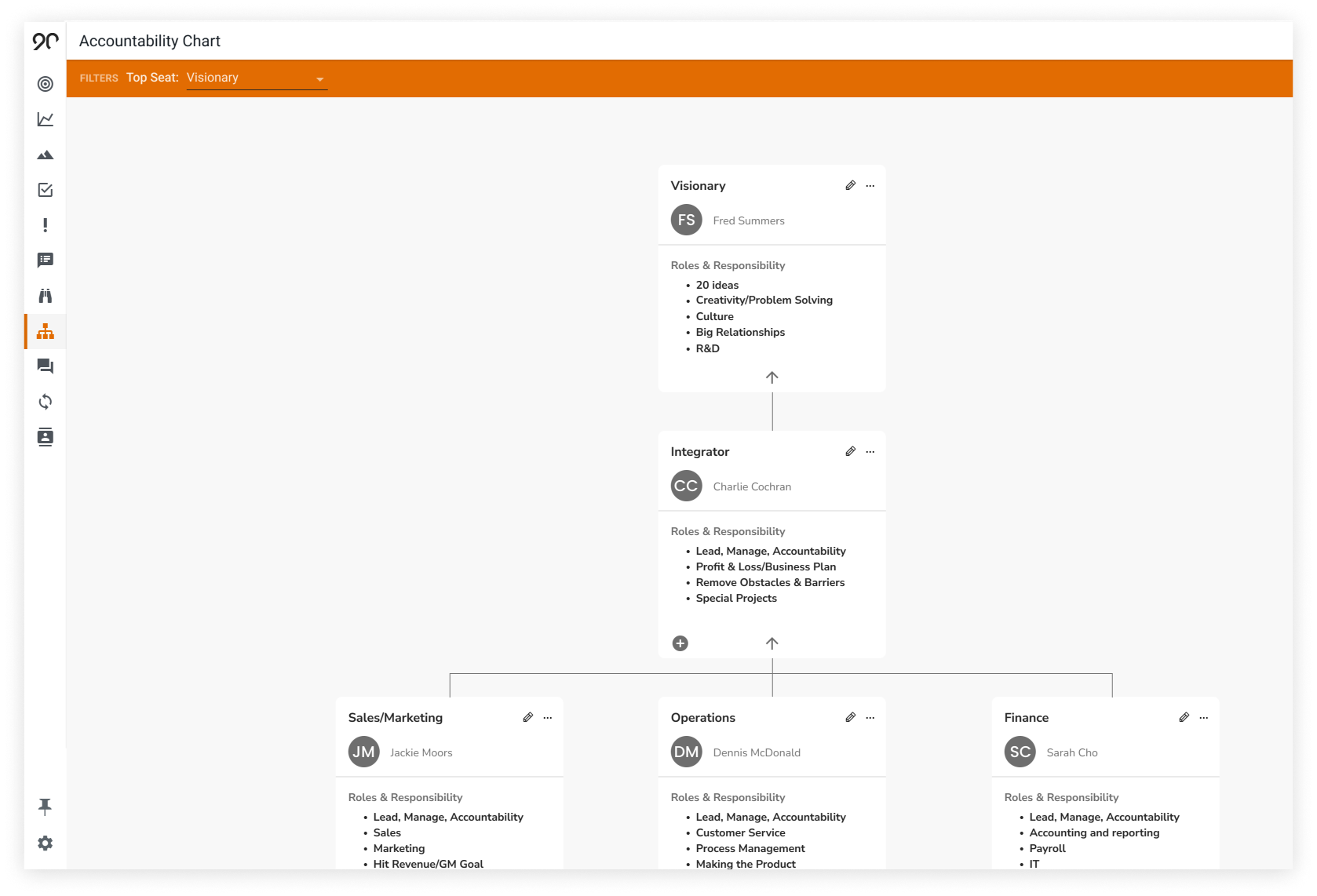
Accountability patterns are structural templates used to define, track, and manage responsibilities between different entities, such as individuals, teams, or software components. These patterns provide a clear map of who is responsible for specific outcomes, how authority is delegated, and how reporting relationships are maintained over time to ensure operational transparency and system integrity.
In both organizational theory and software engineering, accountability remains one of the most difficult concepts to model correctly. Without a structured approach, organizations often suffer from "responsibility gaps," where tasks fall through the cracks, or "accountability overlaps," where conflicting authorities lead to gridlock. As we navigate the complex landscape of 2026, where decentralized workforces and autonomous AI agents are integrated into standard operations, applying proven accountability patterns is essential for maintaining order and achieving measurable goals.
The Foundations of Accountability Patterns
At its core, an accountability pattern is a way of representing a relationship where one party is accountable to another for a particular reason. This concept was famously formalized by Martin Fowler in his work on analysis patterns, but it has since evolved to encompass broader organizational governance. To understand these patterns, we must first distinguish between the entities involved and the nature of their connections.
The fundamental unit in these patterns is the Party. A Party is an abstraction that represents either a person or an organization (such as a department, a subsidiary, or a committee). By treating both individuals and groups as Parties, we can create flexible structures where a person can be accountable to a department, or one department can be accountable to another.
The relationship between these Parties is defined by the Accountability Type. For example, a "Manager-Employee" relationship is a specific type of accountability, as is a "Regional Office-Headquarters" relationship. By decoupling the specific entities from the type of relationship, organizations can adapt their structures without rewriting their entire governance framework. This abstraction allows for a more dynamic model that can reflect the reality of modern matrix organizations and cross-functional project teams.
Structural Accountability in Software and Data Modeling
In technical system design, accountability patterns are used to manage complex data related to organizational hierarchies and auditing. When building enterprise software, such as HR systems or ERP platforms, developers often make the mistake of hard-coding relationships (e.g., an "Employee" class with a "Manager" field). This approach fails as soon as an employee has two managers or moves to a project-based structure.
The Accountability Pattern solves this by introducing a dedicated object to represent the relationship itself. Instead of a direct link between two people, you have a "Relationship" object that specifies the parent, the child, the type of accountability, and—crucially—the time period for which it is valid.
Temporal Accountability
One of the most important aspects of technical accountability is the dimension of time. In 2026, regulatory compliance and auditing standards require organizations to know not just who is in charge now, but who was in charge on a specific date in the past. Implementing temporal patterns ensures that when a manager leaves or a department is restructured, the historical record remains intact. This is achieved by adding Start Date and End Date attributes to the accountability records, allowing the system to "time-travel" through previous organizational states.
Knowledge vs. Operational Accountability
Modern systems also distinguish between who has the authority to make a decision (operational) and who has the expertise to advise on it (knowledge). Modeling these as distinct accountability types prevents the common bottleneck where a senior executive is required to sign off on technical details they do not fully understand. By explicitly modeling "Technical Oversight" as a separate pattern, organizations can delegate authority more effectively while maintaining clear lines of reporting.
Core Accountability Patterns and Frameworks
Different organizational needs require different patterns. While some companies thrive on rigid hierarchies, others require the flexibility of networked or decentralized models. The following table compares the most prevalent accountability patterns used in 2026 for organizational and system design.
| Pattern Name | Primary Structure | Best For | Key Advantage |
|---|---|---|---|
| Traditional Hierarchy | Tree-based / Vertical | Regulated industries, Military | Clear, singular lines of command. |
| Matrix Accountability | Grid-based / Dual-reporting | Complex projects, Multi-nationals | Balances functional expertise with project needs. |
| Networked / Mesh | Peer-to-peer / Distributed | Startups, Creative agencies | High agility and rapid information flow. |
| RACI Model | Task-based / Role-specific | Project management, DevOps | Eliminates ambiguity for specific deliverables. |
| Holacratic Circles | Nested circles / Self-organizing | Decentralized Orgs (DAOs) | Distributes authority to those closest to the work. |
Implementing the RACI Matrix as a Functional Pattern
The RACI matrix (Responsible, Accountable, Consulted, and Informed) is perhaps the most widely recognized functional accountability pattern. While Fowler’s patterns focus on the structure of relationships, RACI focuses on the execution of tasks.
- Responsible: The person or team who actually performs the work. There can be multiple people responsible for a single task.
- Accountable: The "owner" of the task who must ensure it is completed successfully. Crucially, there should only be one party accountable for any given action to avoid "the bystander effect," where everyone assumes someone else is handling it.
- Consulted: Subject matter experts whose input is required before the work is finalized. This is a two-way communication channel.
- Informed: Those who need to be kept up to date on progress or completion but do not have veto power. This is a one-way communication channel.
To implement this effectively in 2026, many organizations have integrated RACI directly into their workflow automation tools. When a task is generated, the system automatically assigns these roles based on the underlying accountability patterns defined in the organizational model. This reduces the administrative overhead of manual assignment and ensures that compliance standards are met by default.
Accountability in the Age of AI and Automation
As we reach 2026, the definition of a "Party" in accountability patterns has expanded to include autonomous agents and AI systems. This is often referred to as the Algorithmic Accountability Pattern. When an AI makes a decision—such as approving a loan or optimizing a supply chain—the accountability pattern must trace that decision back to a human "Owner" or a "Compliance Officer."
The challenge with AI is the "black box" problem, where the reasoning behind a decision is opaque. To counter this, modern accountability patterns for AI include a Log and Trace requirement. This means every autonomous action must be linked to a specific version of an algorithm and a specific set of training data, with a human party designated as the ultimate accountable entity for the AI’s output. This prevents organizations from blaming "the system" for errors, ensuring that ethical and legal responsibilities remain with the human operators and designers.
Common Challenges and Accountability Anti-patterns
Even with a strong framework, organizations often fall into traps that undermine accountability. Recognizing these anti-patterns is the first step toward correcting them.
- The "Multiple Boss" Syndrome: In poorly implemented matrix patterns, an individual receives conflicting instructions from two different managers, both of whom claim accountability for the individual’s time. This leads to burnout and reduced productivity.
- The Accountability Vacuum: This occurs when a new type of task or technology emerges, and no one is assigned the "Accountable" role. In 2026, this is frequently seen in cross-departmental data privacy initiatives.
- Shadow Hierarchies: This happens when the formal accountability pattern (the org chart) does not match how decisions are actually made. Power resides with individuals who are not formally accountable for the outcomes, leading to a lack of transparency and potential corruption.
- The "Check-the-Box" Culture: When accountability is treated purely as a documentation exercise rather than a functional tool, it becomes a burden rather than a benefit. This is often a result of over-complicating the "Consulted" and "Informed" categories in a RACI matrix, leading to "meeting fatigue."
Optimizing Your Accountability Structure
To move forward with implementing or refining your accountability patterns, a systematic audit of your current structure is necessary. This process ensures that your theoretical models match your practical needs.
First, define your Parties clearly. Ensure that your systems can distinguish between individuals and the roles they inhabit. This allows for smoother transitions when staff changes occur. Second, map your Accountability Types. Do you have a clear distinction between administrative reporting and project-based oversight? If not, these should be separated to avoid confusion.
Third, utilize Temporal Tracking. Ensure your HR and project management software can record the history of who was responsible for what. This is not just for auditing; it provides invaluable data for performance reviews and long-term project analysis. Finally, simplify. The most effective accountability patterns are those that are understood by everyone in the organization. If a staff member cannot explain who they are accountable to for a specific result, the pattern has failed.
FAQ
What is the difference between responsibility and accountability?
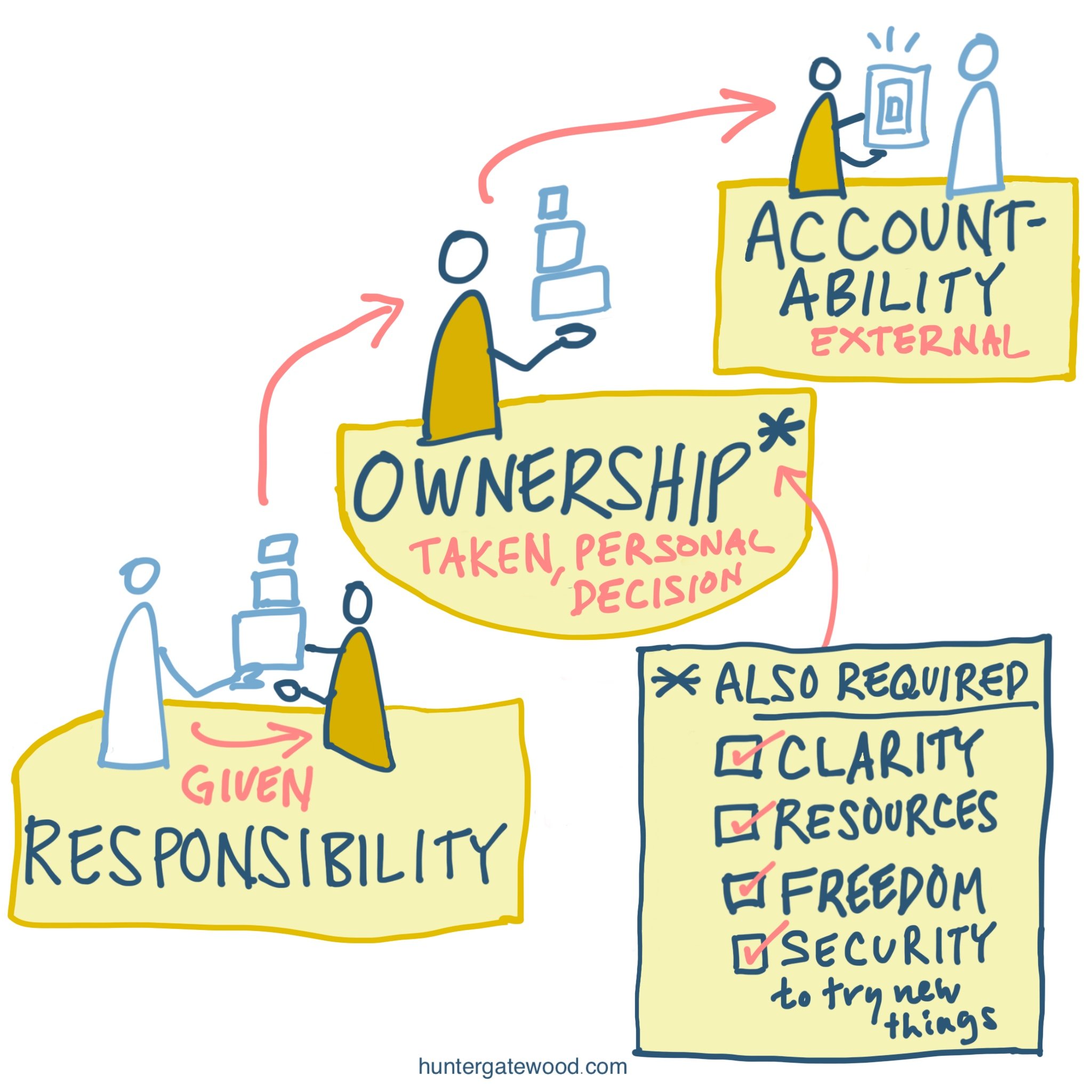
Responsibility refers to the obligation to perform a task or execute a process—the "doing" of the work. Accountability is the ultimate ownership of the outcome, including the authority to delegate tasks and the obligation to answer for the final results. While many people can be responsible for parts of a project, only one person should be held accountable for its success or failure.
Can an accountability pattern change over time?
Yes, and they should. Accountability patterns are dynamic. As organizations grow or pivot, their structural needs change. Using a pattern-based approach allows you to change the relationships between entities (e.g., moving from a hierarchy to a matrix) without having to rebuild your entire data model or organizational philosophy.
How do accountability patterns apply to remote and hybrid work?
In remote environments, visibility is lower, making explicit accountability patterns even more critical. Patterns like the RACI matrix help remote teams understand their boundaries and expectations without needing constant direct supervision. In 2026, many remote-first companies use "asynchronous accountability," where results are tracked through transparent, digital patterns rather than physical check-ins.
What are Martin Fowler's "Analysis Patterns" regarding accountability?
Martin Fowler’s work describes a set of conceptual models for representing organizational structures. The primary pattern involves a Party (an abstract superclass for Person or Organization) and an Accountability link that connects two parties. This link is governed by an AccountabilityType, which defines the nature of the relationship, such as "employment," "supervision," or "regional jurisdiction."
How do I handle accountability when using third-party contractors?
Accountability patterns for contractors should be modeled as "External Service" accountabilities. In this pattern, the contractor is a Party accountable to a Project Manager or Procurement Officer. The relationship is typically governed by a Statement of Work (SOW) which acts as the formal definition of the "Accountability Type," specifying the deliverables and quality standards required.
Next Actions for Implementing Accountability Patterns
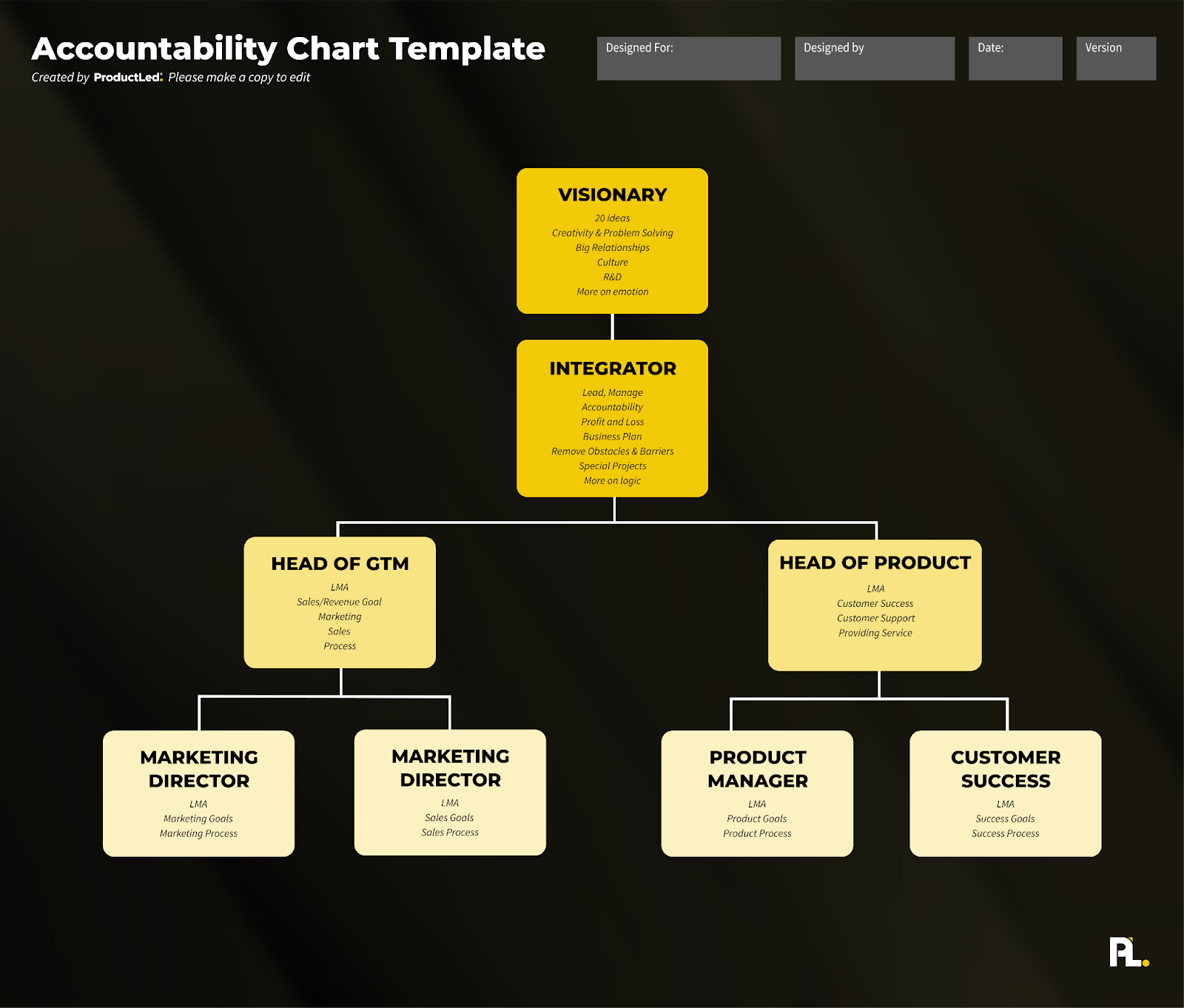
To successfully integrate these patterns into your organization or technical system, start by identifying a single department or project where roles are currently ambiguous. Apply the RACI framework to their top five most frequent tasks to identify gaps or overlaps in ownership. Once the roles are clarified, document these relationships using a Party-Relationship model rather than a rigid hierarchy chart. This initial pilot will demonstrate the value of clear accountability and provide a template for a wider rollout across the organization, ensuring that by the end of 2026, your structural governance is both robust and flexible.