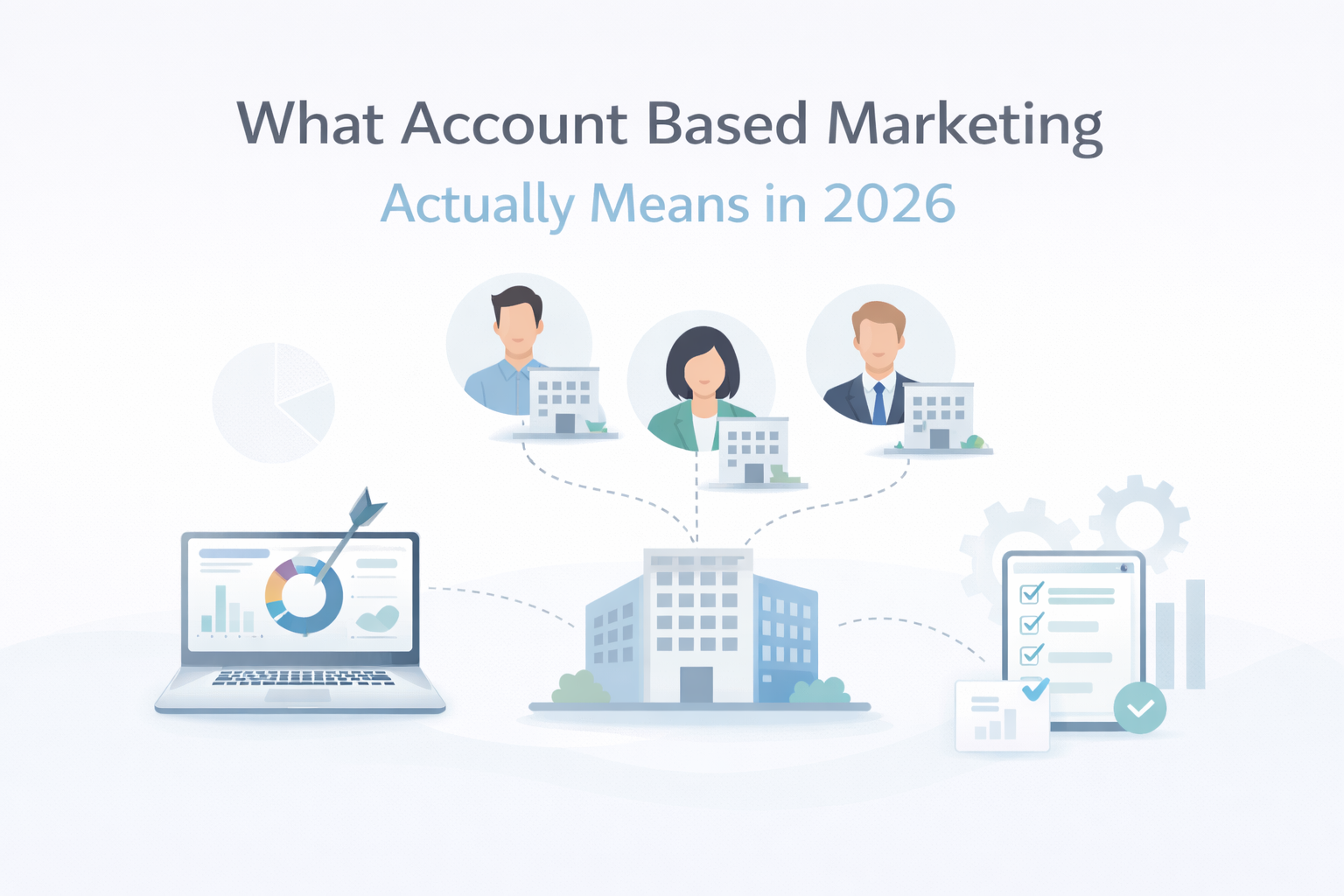
Account Based Marketing (ABM) is a strategic B2B growth framework that treats high-value accounts as individual markets. By aligning marketing and sales efforts, organizations deliver highly personalized experiences to specific stakeholders within a target account, focusing resources on accounts with the highest revenue potential rather than chasing broad-market leads.
The Evolution of Account Based Marketing in 2026
By 2026, Account Based Marketing has shifted from a specialized tactic to the default operating model for high-contract-value B2B organizations. Historically, marketing departments focused on the "top of the funnel," generating a high volume of Marketing Qualified Leads (MQLs) and passing them to sales. This often created friction, as sales teams frequently found these leads lacked the budget, authority, or strategic fit required for a deal.
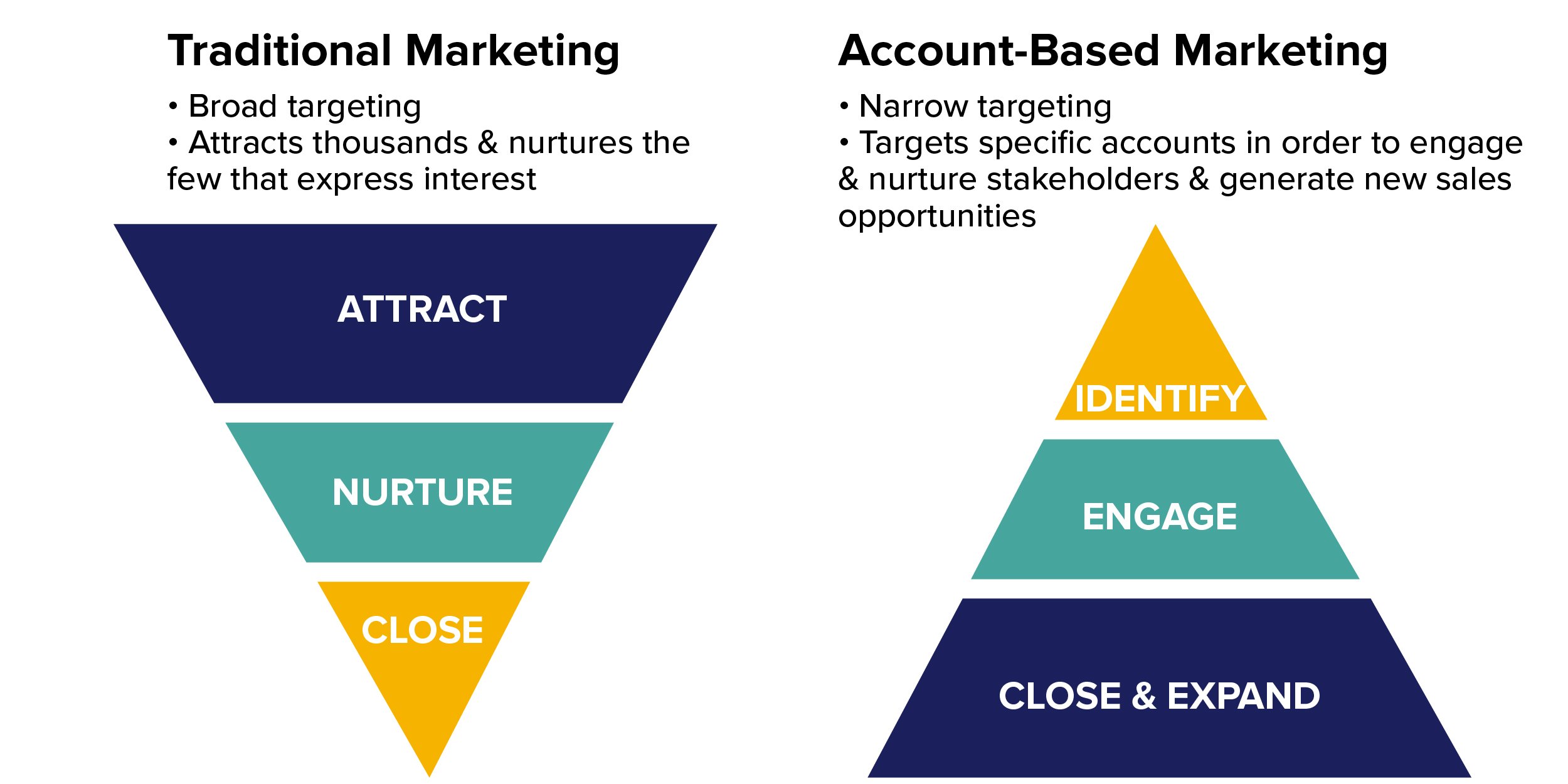
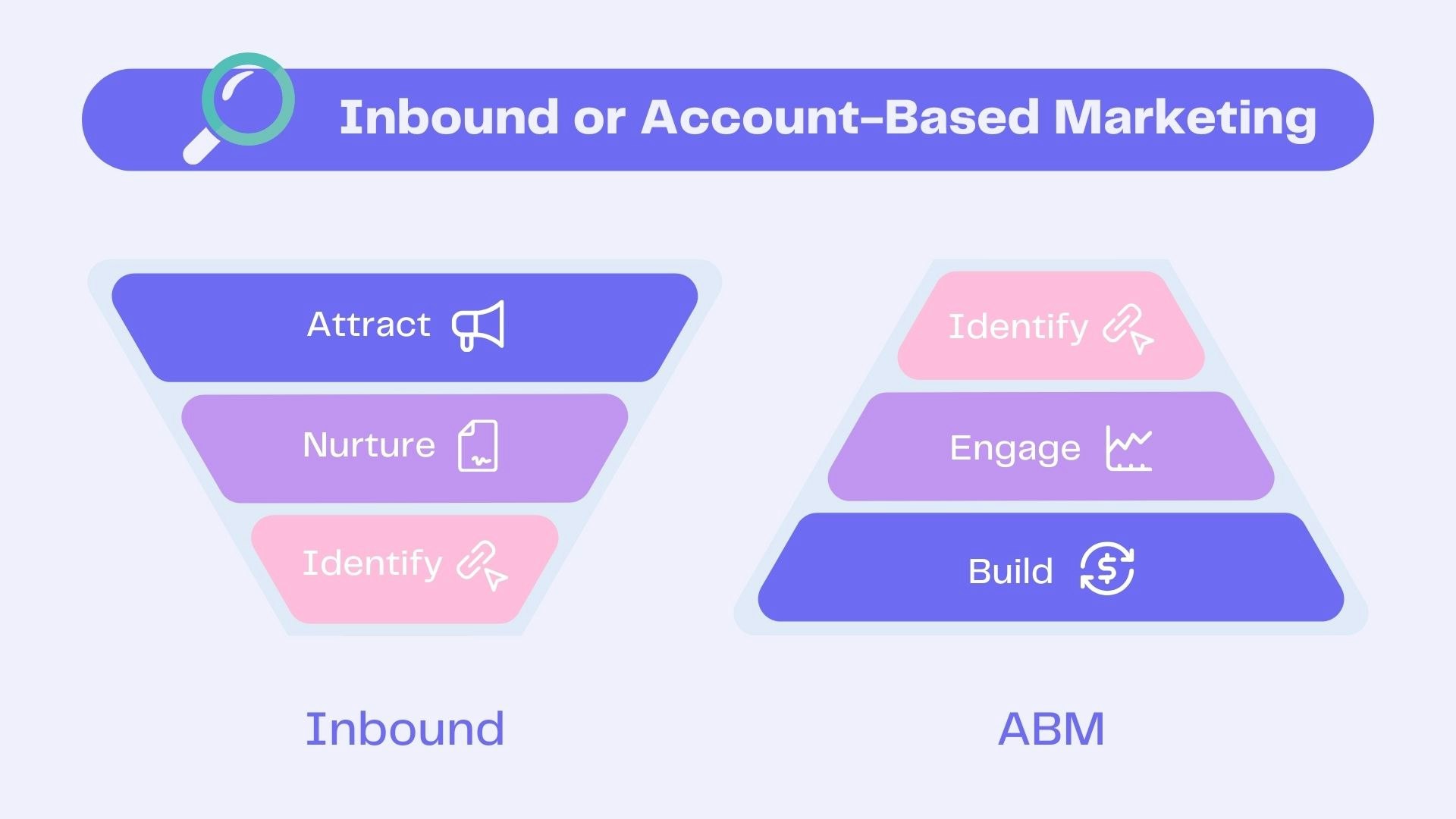
ABM inverted this funnel. Instead of casting a wide net and filtering out the "junk," ABM begins by identifying the best-fit accounts and then expanding engagement within them. In the current 2026 landscape, this process is heavily augmented by predictive intent data and autonomous orchestration. Organizations no longer wait for a prospect to download a whitepaper; they use signal intelligence to identify when a target account's buying committee is researching specific pain points across the "dark social" and third-party review ecosystems.
The primary driver for this shift is the increasing complexity of the B2B buying committee. Recent data suggests the average enterprise purchase now involves 12 to 20 stakeholders. ABM provides the structure to reach each of these individuals—from the IT manager concerned with integration to the CFO focused on ROI—with messaging tailored to their specific departmental goals.
The Three Tiers of ABM Strategy
Not all target accounts deserve the same level of investment. In 2026, successful firms use a tiered approach to balance personalization with scalability. This ensures that the marketing budget is allocated proportionally to the expected lifetime value (LTV) of the account.
1. Strategic ABM (One-to-One)
This tier is reserved for the "crown jewels"—accounts with the highest potential for multi-million dollar contracts. In Strategic ABM, a dedicated marketer often works alongside a dedicated account executive to build a completely bespoke plan for a single company. This involves deep-dive research into the target's annual reports, quarterly earnings calls, and executive board priorities. The content produced is unique to that account, such as customized value assessments or invitation-only executive briefings.
2. ABM Lite (One-to-Few)
ABM Lite targets small clusters of accounts (typically 5 to 15) that share similar business challenges, industry headwinds, or technology stacks. For example, a cybersecurity firm might target 10 different regional banks that are all migrating to a specific cloud architecture. While the messaging is not as granular as the One-to-One tier, it is still highly specialized to the industry sub-vertical, making the prospect feel understood without the astronomical cost of total customization.
3. Programmatic ABM (One-to-Many)
Programmatic ABM leverages automation and AI to apply ABM principles to hundreds or even thousands of accounts. In 2026, technology allows for "dynamic personalization" where a website's hero image, case studies, and call-to-action change automatically based on the visitor’s IP address or known account affiliation. This tier allows companies to scale the feeling of a personalized experience across a wider segment of their Ideal Customer Profile (ICP).
Identifying the Ideal Customer Profile (ICP) and Target Account List
The foundation of any ABM program is the Target Account List (TAL). If the list is flawed, the entire campaign—no matter how creative—will fail. Building this list requires a blend of historical data analysis and forward-looking strategic planning.
To define an ICP, organizations must look beyond basic firmographics like industry and revenue. In 2026, the focus has shifted toward Technographics (what software they already use), Buying Signals (recent mergers, funding rounds, or leadership changes), and Environmental Factors (regulatory changes affecting their sector).
Once the ICP is defined, the sales and marketing teams must mutually agree on the list. This "handshake" is critical. Marketing cannot be successful if they are targeting accounts that sales refuses to call. Using a scoring rubric, accounts are ranked based on:
- Strategic Value: Does this account help us enter a new market?
- Propensity to Buy: Is there a clear technical or business need for our solution?
- Reachability: Do we have existing connections or a clear path to the buying committee?
Implementing the ABM Framework: A Step-by-Step Approach
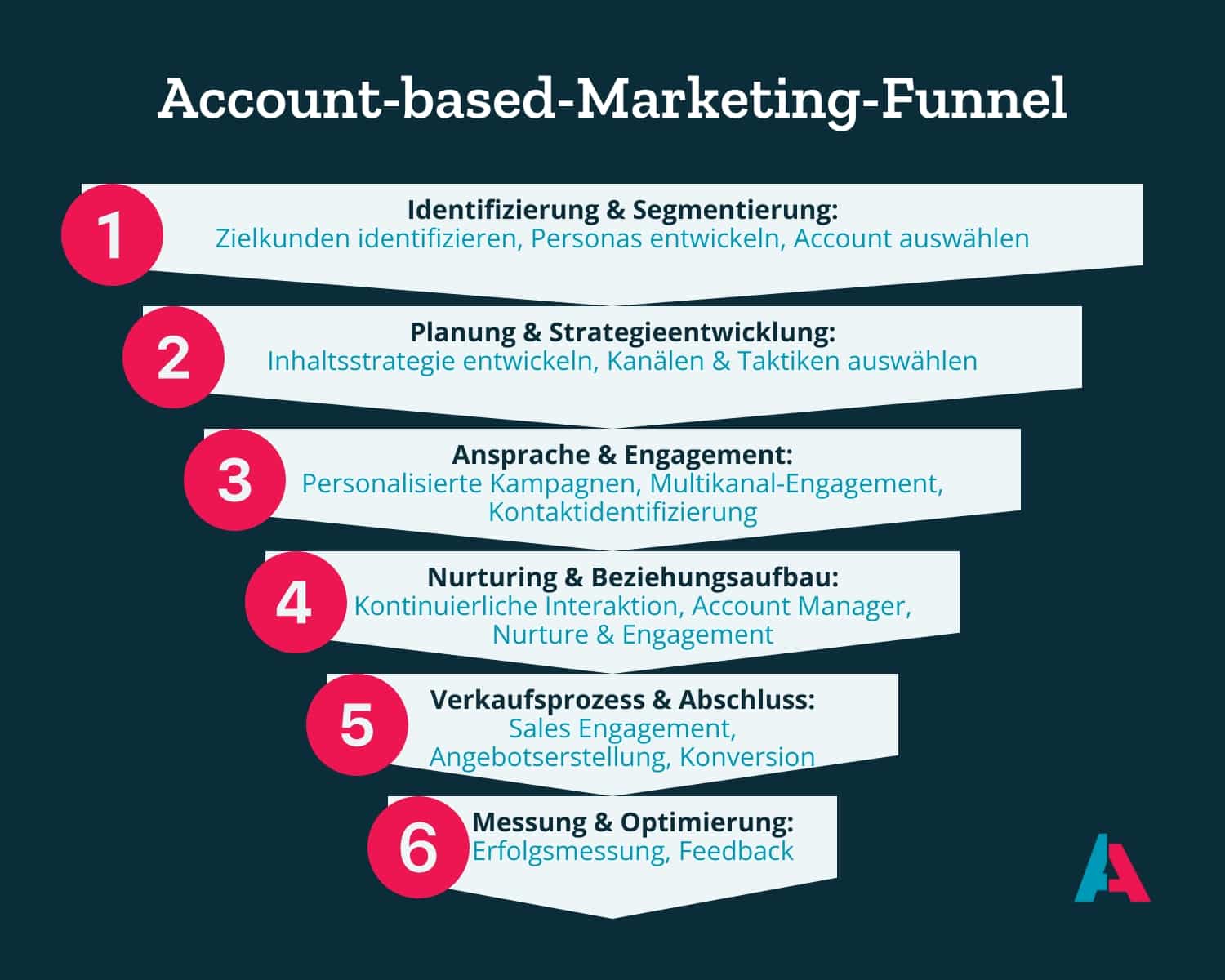
Executing an ABM campaign requires a shift from "campaign-based" thinking to "always-on" account engagement. The process generally follows a five-step cycle that emphasizes continuous optimization.
- Account Research and Insights: Before any content is created, the team must understand the account's internal dynamics. Who are the "Champions," the "Influencers," and the "Blockers"? Tools powered by AI can now map these relationships by analyzing public social interactions and historical deal data.
- Content Orchestration: Content in ABM is not just about blogs; it is about "useful assets." This might include a customized ROI calculator for a specific account or a video case study featuring a company in the target's direct competitive set.
- Multi-Channel Engagement: ABM is most effective when it surrounds the target account. This includes targeted LinkedIn ads, personalized direct mail (which has seen a massive resurgence in the digital-heavy 2026 environment), and bespoke webinars. The goal is to create a "surround sound" effect where the target account sees your brand across multiple touchpoints.
- Sales Outreach and Social Selling: As marketing warms up the account, sales must engage with personalized outreach. This is not "cold calling" but rather "informed calling." Sales reps use the data gathered by marketing to open conversations with specific insights rather than generic pitches.
- Review and Iterate: ABM is an iterative process. Teams meet bi-weekly to discuss account progress. If a high-value account is showing no engagement despite high spend, it may be moved back to a lower tier or replaced entirely.
Comparing ABM Tiers and Implementation Needs
The following table outlines the resource requirements and characteristics of the three primary ABM tiers as they are practiced in 2026.
| Feature | Strategic ABM (1:1) | ABM Lite (1:Few) | Programmatic ABM (1:Many) |
|---|---|---|---|
| Account Volume | 1–10 accounts | 10–100 accounts | 100–1,000+ accounts |
| Personalization Level | Fully Bespoke Content | Cluster-Specific Content | Dynamically Personalized |
| Sales Involvement | High (Daily Collaboration) | Medium (Weekly Syncs) | Low (Automated Alerts) |
| Primary Channels | Executive Events, Custom Reports | Focused Webinars, Direct Mail | Paid Social, Web Personalization |
| Typical Deal Size | $500k+ Annual Contract Value | $100k–$500k ACV | <$100k ACV |
| Success Metric | Account Penetration / Pipeline | Cluster Win Rate | Lead-to-Account Conversion |
Measuring ABM Success: Moving Beyond the MQL
In traditional marketing, the primary KPI is often the quantity of leads. In ABM, this metric is largely irrelevant. Because you are targeting a fixed list of accounts, you cannot "generate more leads" than those that exist within the companies on your list. Instead, 2026 ABM measurement focuses on Account Health and Pipeline Velocity.
Key metrics include:
- Account Engagement Score: A composite metric that tracks how many stakeholders from a target account are interacting with your content, visiting your site, or opening emails.
- Pipeline Velocity: How much faster an account moves through the sales stages compared to non-ABM accounts. ABM typically shortens sales cycles because the buying committee is educated simultaneously.
- Average Contract Value (ACV) Lift: ABM accounts often result in larger initial deals because the value proposition is more clearly aligned with the enterprise's high-level needs.
- Customer Lifetime Value (LTV): ABM isn't just for new business. It is increasingly used for "Expansion ABM" to drive upsells and cross-sells within existing large-scale clients.
Common ABM Pitfalls to Avoid
Despite its effectiveness, many ABM programs fail due to execution errors. One of the most common mistakes is "ABM in name only." This occurs when a company simply rebrands its traditional lead-gen tactics as ABM without actually personalizing the strategy or aligning with sales. If you are sending the same generic email to a "target account" as you are to the rest of your database, you are not doing ABM.
Another pitfall is Inadequate Data Quality. ABM relies heavily on knowing who is who within an organization. If your CRM is filled with outdated titles or incorrect email addresses, your personalized outreach will miss the mark, often damaging your brand's reputation with high-value stakeholders.
Lastly, Patience and Expectations often cause friction. ABM is a long-term play. While it creates higher-quality pipeline, it rarely results in "quick wins" compared to high-volume search ads. Leadership must be prepared for a longer gestation period in exchange for significantly higher win rates and deal sizes.
FAQ
What is the difference between ABM and Lead Generation?
Traditional lead generation focuses on attracting a high volume of individual prospects from across the market, filtering them through a funnel to find those who are interested. ABM reverses this by selecting specific high-value accounts first and then building relationships with multiple stakeholders within those accounts. Essentially, lead generation is a "net" approach, while ABM is a "spear" approach.
How many accounts should be in an ABM pilot program?
For most B2B organizations, a pilot program should focus on 5 to 10 accounts for a 1:1 approach or 20 to 50 for a 1:Few approach. Starting small allows the team to refine the collaboration process between sales and marketing and establish a baseline for engagement before scaling the resources and tech stack needed for hundreds of accounts.
What are the must-have tools for an ABM tech stack in 2026?
A modern ABM stack requires three core components: an Account Intelligence platform (like Demandbase or 6sense) to track intent signals, a CRM (like Salesforce or HubSpot) that is configured for account-based views rather than lead-based views, and a Marketing Orchestration tool that can deliver personalized ads and web experiences based on account identification.
Does ABM work for small businesses or only enterprises?
While ABM is often associated with enterprise deals, it is highly effective for any B2B business where the deal size is large enough to justify the cost of personalization. If your average deal is over $25,000 and involves multiple decision-makers, a simplified ABM approach can be more cost-effective than broad digital advertising.
How do I get Sales to buy into the ABM strategy?
The best way to secure sales buy-in is to involve them in the account selection process from day one. When sales leaders help choose the targets, they have "skin in the game." Additionally, showing them the "Account Intelligence" (e.g., "Company X has been on our pricing page five times this week") provides immediate value that makes their job easier, fostering long-term alignment.
Developing a Strategic Pilot Program
For organizations looking to transition to or refine their Account Based Marketing in 2026, the most effective next step is the implementation of a 90-day pilot program. Rather than attempting to overhaul the entire marketing department, select one high-performing sales pod and one dedicated marketer to focus on a cluster of 10 target accounts.
During this pilot, focus on establishing the "handshake" protocols: how often will the teams meet, what constitutes a "sales-ready" account signal, and which specific content assets are required for the target stakeholders. By the end of the 90 days, the goal should not necessarily be a closed deal—given enterprise sales cycles—but a measurable increase in Account Penetration and the successful initiation of discovery calls within at least 30% of the target list. This evidence-based approach provides the internal social capital needed to scale ABM across the wider organization.