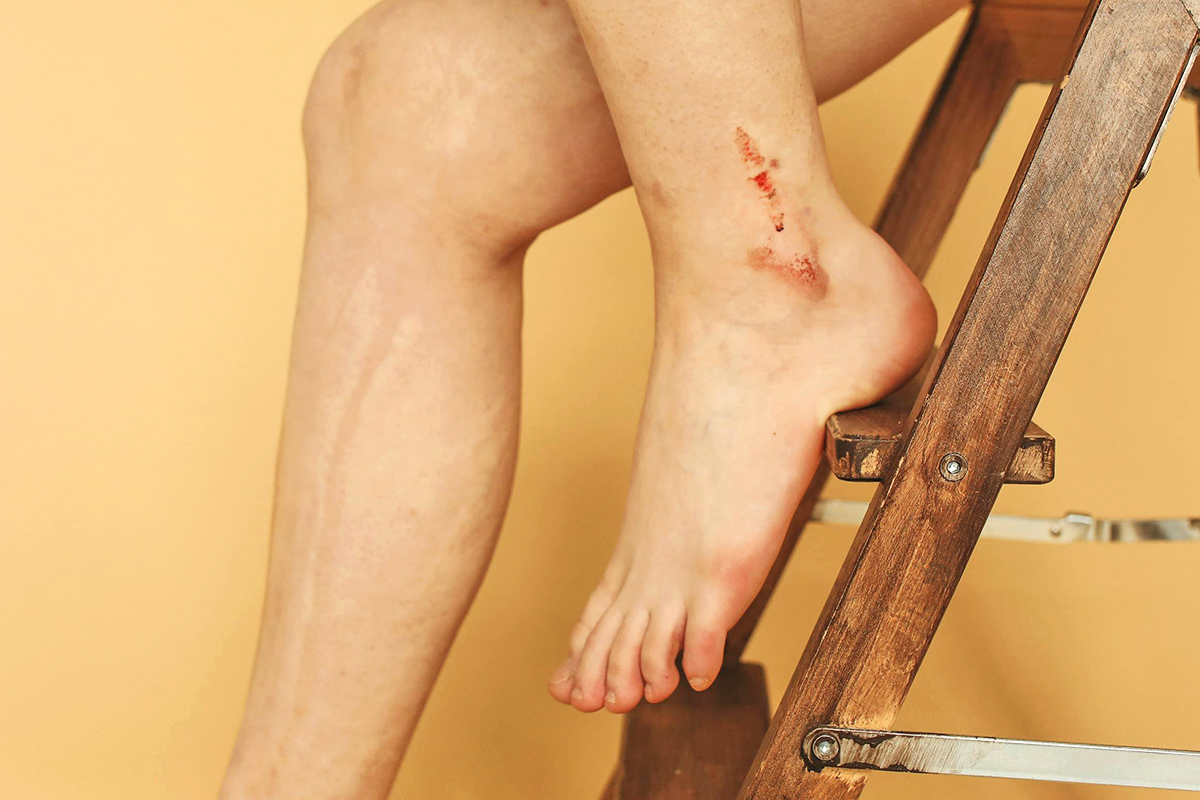
Accidental falls are unplanned descents to a lower level that often result from a combination of environmental hazards, physical vulnerabilities, and situational factors. In 2026, they remain the leading cause of unintentional injury and hospitalization among older adults and a significant source of occupational injuries across various industries globally.
The Epidemiology and Economic Impact of Accidental Falls
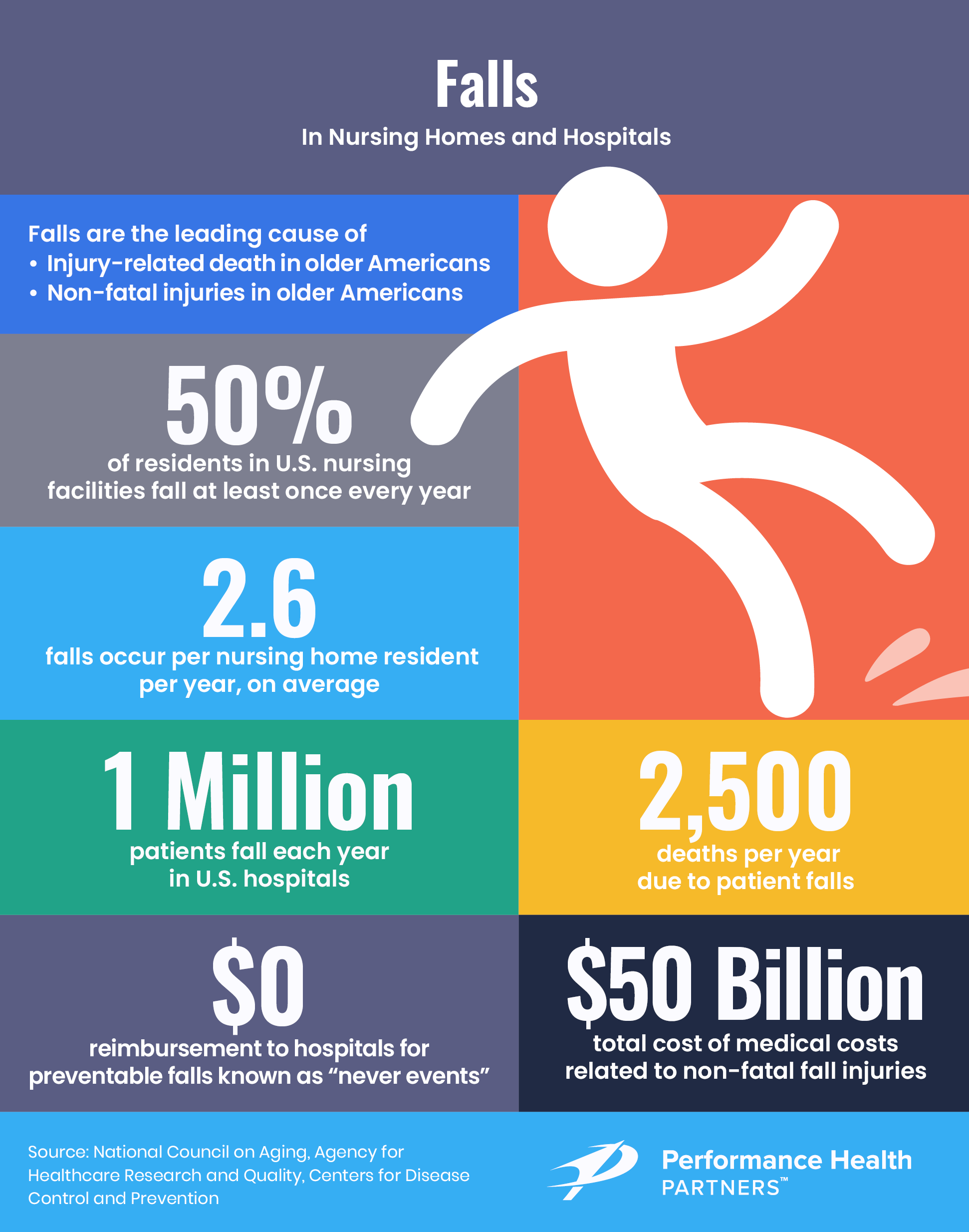
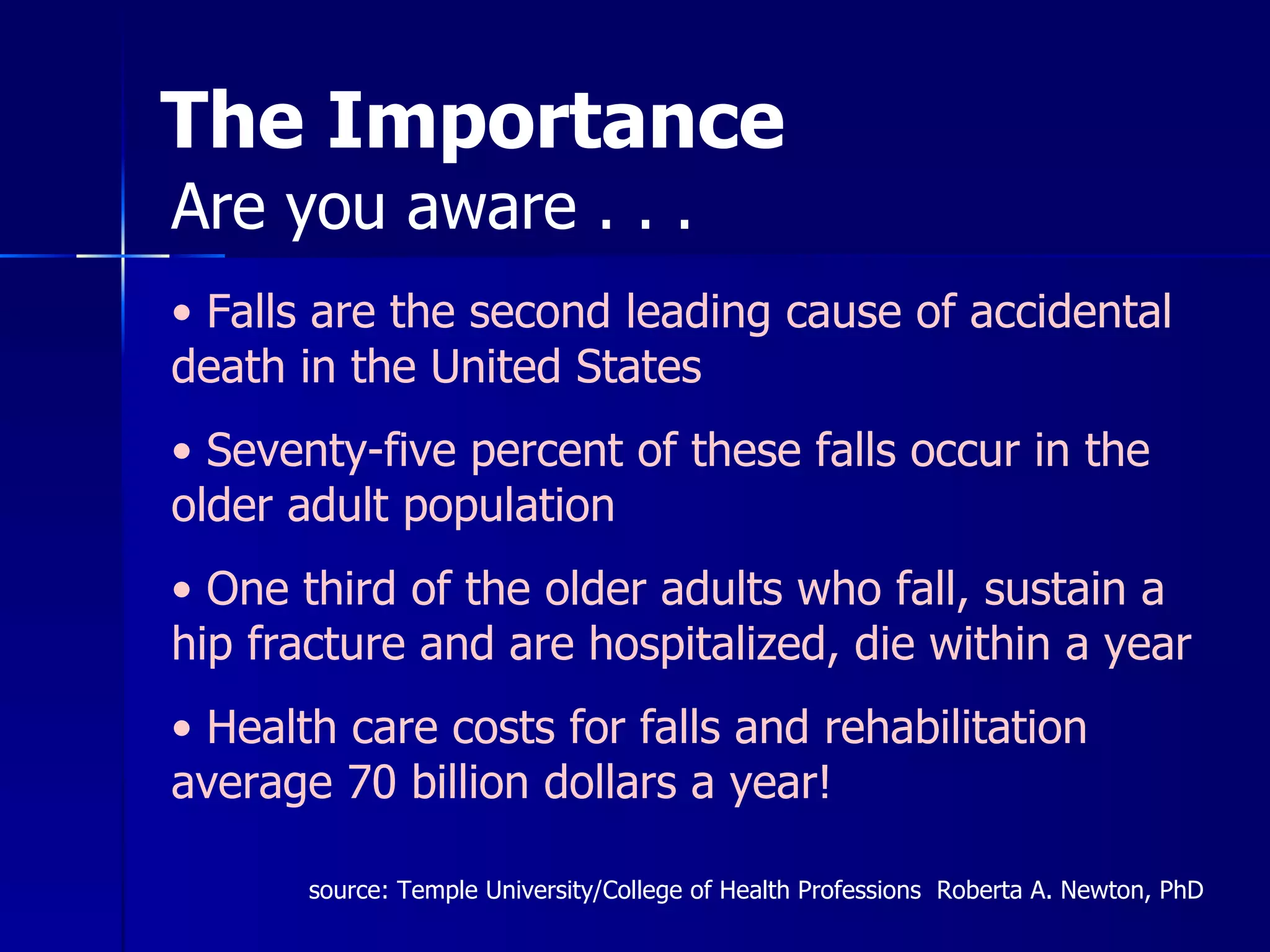
The global healthcare landscape in 2026 continues to struggle with the rising incidence of accidental falls, driven largely by an aging demographic often referred to as the "Silver Tsunami." According to the World Health Organization (WHO), falls are the second leading cause of unintentional injury deaths worldwide. The statistics are particularly stark for individuals over the age of 65, for whom a single fall can initiate a cascade of declining health, loss of independence, and psychological trauma known as "fear of falling."
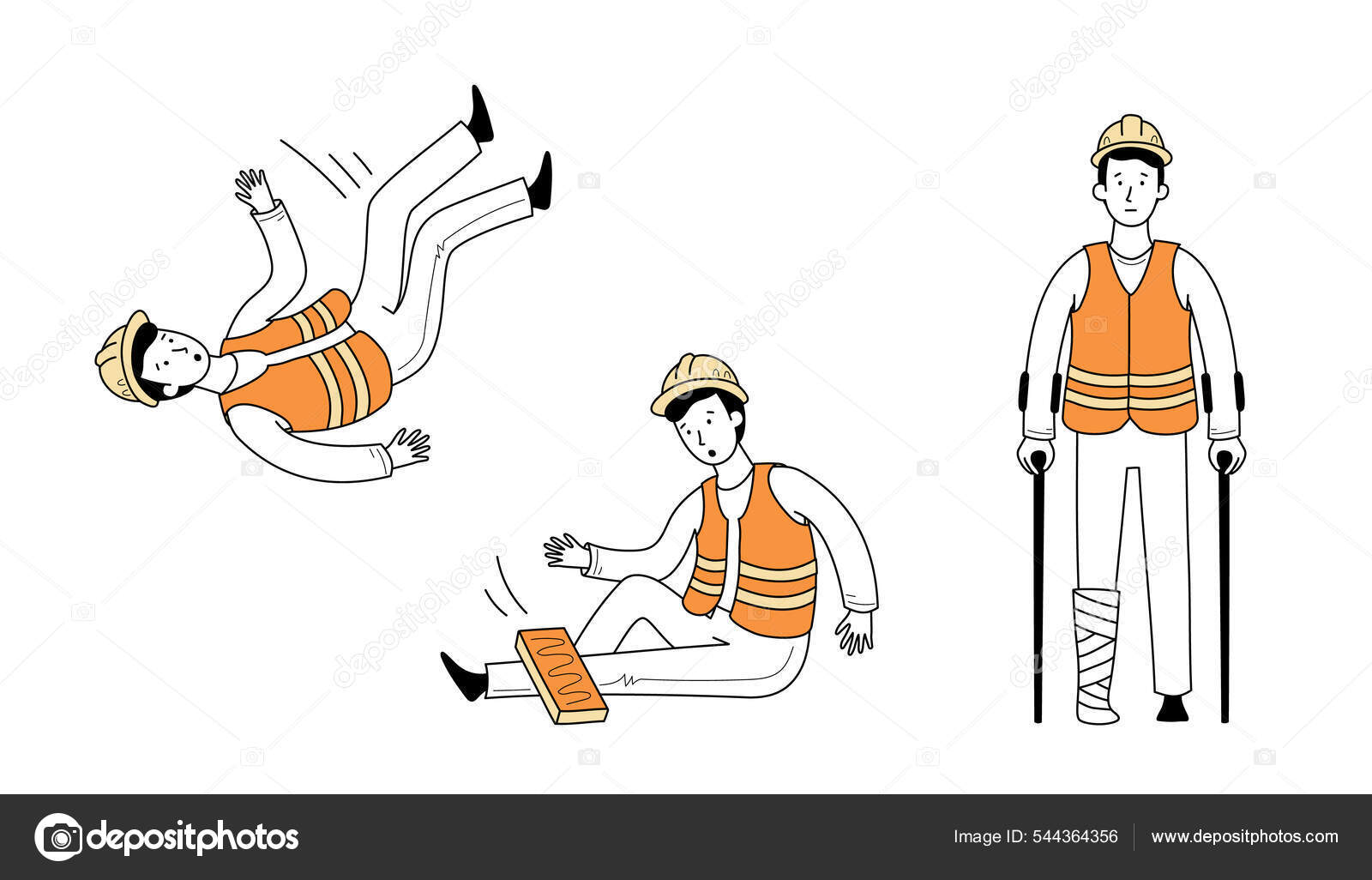
Beyond the physical toll, the economic burden of falls is immense. In the United States, the annual medical costs for fall-related injuries exceed $60 billion in 2026. These costs encompass emergency department visits, hospitalizations, rehabilitative care, and long-term nursing home placements. For the workforce, accidental falls from heights or on the same level represent a major portion of workers' compensation claims. The Occupational Safety and Health Administration (OSHA) continues to cite "Fall Protection" as one of the most frequently violated standards, highlighting a persistent gap between safety regulations and workplace implementation.
The secondary impacts of a fall—such as the development of chronic pain, reduced mobility, and the subsequent need for family caregiving—create a ripple effect that touches every aspect of the socioeconomic structure. Addressing this issue requires a shift from reactive treatment to proactive, multi-factorial prevention strategies that integrate technology, physical therapy, and environmental design.
Identifying Biological and Environmental Risk Factors
To effectively prevent an accidental fall, one must understand the interplay between intrinsic (biological) and extrinsic (environmental) risk factors. Most falls are not the result of a single cause but are the culmination of several overlapping issues that compromise a person’s stability.
Intrinsic Risk Factors
These are factors inherent to the individual’s physical or mental state. Age-related changes are the most common intrinsic factors. Sarcopenia, or the gradual loss of muscle mass and strength, significantly impairs a person's ability to recover their balance after a stumble. Vestibular dysfunction, which affects the inner ear’s ability to process spatial orientation, is another major contributor.
Furthermore, polypharmacy—the concurrent use of multiple medications—is a critical risk factor in 2026. Many medications prescribed for hypertension, insomnia, or anxiety have side effects such as orthostatic hypotension (a sudden drop in blood pressure upon standing) or dizziness. Clinical reviews often suggest that taking four or more medications daily increases the risk of an accidental fall by over 30%. Vision impairments, including cataracts, glaucoma, and macular degeneration, also prevent individuals from detecting hazards like uneven pavement or small objects on the floor.
Extrinsic Risk Factors
Extrinsic factors are hazards present in the environment. In a residential setting, these include poor lighting, loose throw rugs, cluttered pathways, and lack of grab bars in bathrooms. In the workplace, extrinsic factors might include slippery floor surfaces, inadequate scaffolding, or poorly maintained ladders.
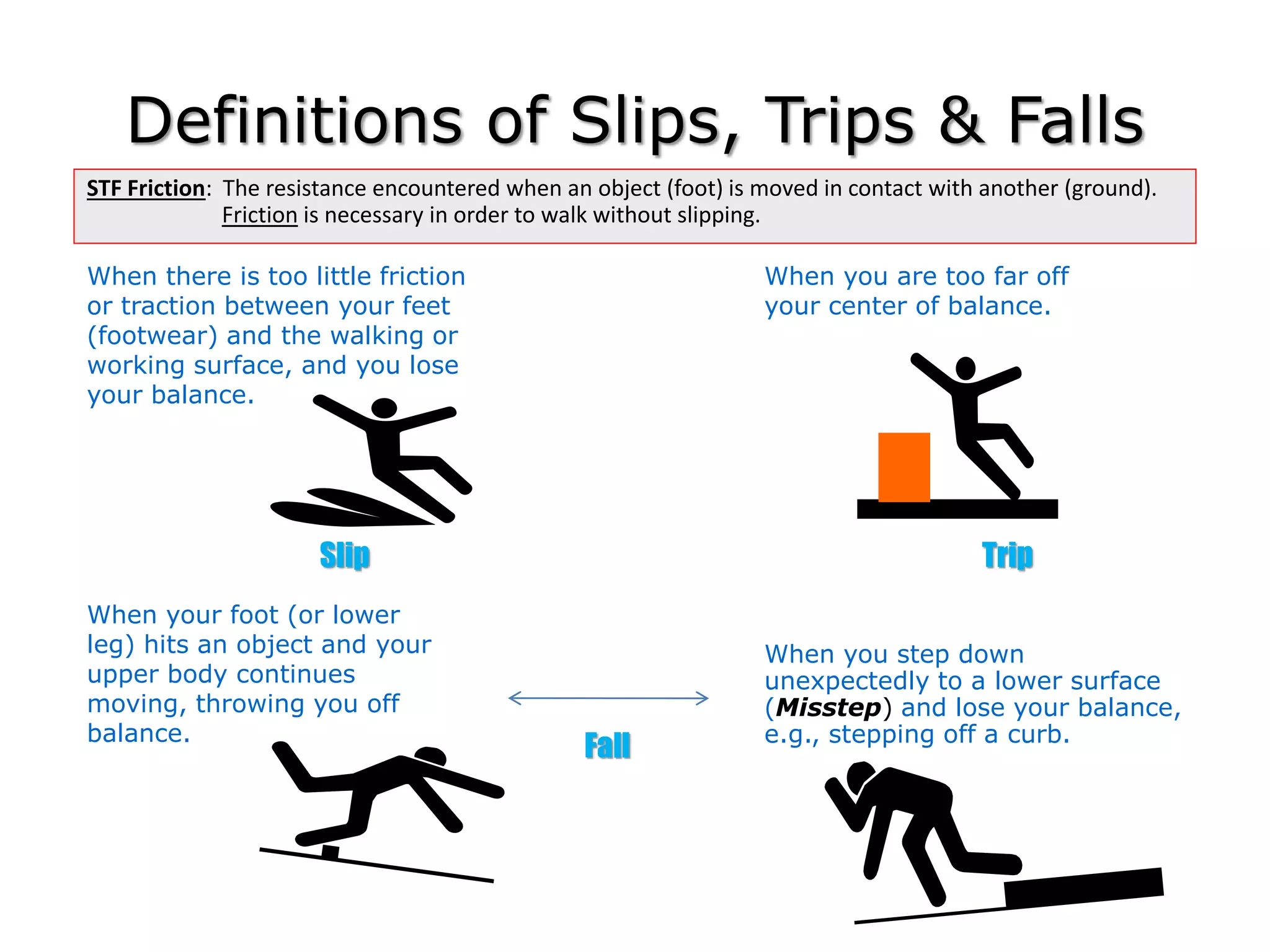
Weather conditions also play a substantial role. In 2026, shifting climate patterns have led to more frequent and unpredictable ice and rain events in regions previously unaccustomed to them, leading to a rise in outdoor "slip and trip" incidents. The interaction between a person’s footwear and the walking surface is the final piece of the extrinsic puzzle; shoes with inadequate traction or worn-out soles fail to provide the necessary friction to prevent a slide.
The Protocol for Post-Fall Response and Medical Assessment
When an accidental fall occurs, the immediate response determines the severity of the long-term outcome. The natural instinct is often to stand up as quickly as possible out of embarrassment or adrenaline, but this can exacerbate underlying injuries, such as fractures or internal bleeding.
The first step in a post-fall protocol is to remain still and assess for pain or injury. If the individual is alone, they should attempt to use a mobile device or a personal emergency response system (PERS) to call for help. If no help is available, the "roll and crawl" method is recommended: rolling onto the side, moving to a hands-and-knees position, and crawling to a sturdy piece of furniture to slowly lift oneself up.
Medical triage is essential following any fall that involves a blow to the head or significant impact on the hips or limbs. Even if there are no visible bruises, internal injuries like a subdural hematoma (bleeding on the brain) can be life-threatening and may not show symptoms for several hours. Healthcare providers in 2026 typically perform a "Fall Assessment" which includes:
- Gait and Balance Testing: Using tools like the Timed Up and Go (TUG) test.
- Medication Review: Identifying drugs that contribute to dizziness.
- Bone Density Scanning: Assessing the risk of future fractures.
- Cognitive Screening: Determining if cognitive decline is impacting spatial awareness.
Evidence-Based Prevention Strategies for Home and Workplace
Preventing accidental falls requires a disciplined approach to environmental modification and physical conditioning. Research consistently shows that multi-component interventions are more effective than any single strategy used in isolation.
Strength and Balance Training
Physical activity is the most effective way to reduce fall risk. Exercises that focus on the lower body and core, such as Tai Chi or specific resistance training, improve proprioception—the body's ability to sense its position in space. In 2026, many community centers and digital health platforms offer "Balance and Vitality" programs specifically designed to counteract the effects of sarcopenia.
Professional Home Safety Audits
A professional audit by an Occupational Therapist (OT) can identify hazards that a homeowner might overlook. These audits lead to modifications such as installing high-contrast tape on stair edges, upgrading to LED lighting with motion sensors, and removing "trip-trap" furniture. The installation of walk-in tubs and reinforced grab bars in high-moisture areas remains a gold standard for senior safety.
Workplace Safety and Compliance
In industrial settings, the hierarchy of controls must be followed. This starts with elimination (removing the hazard), followed by engineering controls (guardrails, safety nets), and finally, personal protective equipment (PPE) such as harnesses and lanyards. Regular training and "tool-box talks" are essential to maintain a culture of safety.
| Modification Type | Target Hazard | Estimated Efficacy | Typical Implementation Cost |
|---|---|---|---|
| Improved Lighting | Low visibility, shadows | High | $50 - $300 |
| Grab Bar Installation | Wet surfaces, instability | Very High | $150 - $500 per unit |
| Flooring Replacement | Slippery surfaces, rugs | Moderate | $1,000 - $5,000 |
| Strength Training | Muscle weakness, gait | Very High | Low (Ongoing) |
| Ramp Installation | Stairs, thresholds | High | $1,500 - $8,000 |
Integrating Fall-Detection Technology and AI Monitoring
By 2026, technology has moved far beyond the traditional "help" button. Wearable devices, such as smartwatches and specialized pendants, now use sophisticated accelerometers and gyroscopes to distinguish between a hard fall and a person simply sitting down quickly. These devices often feature "automatic fall detection," which can alert emergency services even if the wearer is unconscious.
A more recent development is ambient sensing technology. These systems use wall-mounted sensors (LIDAR or ultra-wideband radar) to monitor a person’s movements within a room without the need for cameras or wearables. This preserves privacy while providing 24/7 monitoring. Furthermore, AI-driven predictive analytics can now analyze a person's gait patterns over time. By detecting subtle changes in walking speed or stride length, these systems can predict the likelihood of a fall before it actually happens, allowing for early medical intervention.
Healthcare systems in 2026 are increasingly integrating this data into Electronic Health Records (EHR). If an elderly patient's "stability score" drops below a certain threshold, an automated alert is sent to their primary care physician to schedule a balance assessment. This proactive use of data is significantly reducing the rate of preventable hospitalizations.
Navigating the Legal and Insurance Aftermath of a Fall
Accidental falls often carry significant legal and insurance implications, particularly when they occur on commercial property or in a workplace. "Slip and fall" incidents fall under the legal category of premises liability. To seek compensation, an injured party must typically prove that the property owner was negligent—meaning they knew, or should have known, about a hazardous condition and failed to address it.
In 2026, the rise of ubiquitous surveillance video has simplified some aspects of these claims, as the exact moment and cause of a fall are often captured on camera. However, insurance companies also look for "comparative negligence," questioning if the injured person was distracted (e.g., using a smartphone) or wearing inappropriate footwear at the time of the incident.
For individuals, having comprehensive long-term care insurance or high-quality health coverage is vital. Many insurance providers in 2026 now offer premium discounts for policyholders who participate in verified fall-prevention programs or install approved smart-home safety sensors. In the workplace, workers' compensation remains the primary recourse for employees, covering medical expenses and a portion of lost wages, provided the fall occurred within the scope of employment.
FAQ
What is the primary cause of falls in the elderly?
The primary cause is usually a combination of muscle weakness (sarcopenia) and impaired balance, often exacerbated by environmental hazards like poor lighting or loose rugs. As individuals age, their ability to process sensory information and react quickly to a trip is diminished, making what would be a minor stumble for a younger person a catastrophic event for a senior.
How do medications increase the risk of an accidental fall?
Many medications affect the central nervous system or blood pressure. Specifically, sedatives, antidepressants, and some heart medications can cause drowsiness, dizziness, or blurred vision. A condition called orthostatic hypotension—where blood pressure drops suddenly when standing up—is a frequent side effect that leads to fainting or loss of balance.
what should I do immediately after falling?
Do not try to get up right away. Stay still, take several deep breaths, and check your body for pain or signs of injury. If you feel you can get up safely, use the "roll and crawl" method: roll onto your side, get on your hands and knees, and use a sturdy chair for support to slowly rise. If you are injured or cannot get up, call for emergency help immediately.
Is fall-detection technology covered by insurance in 2026?
Coverage varies, but many Medicare Advantage plans and private long-term care insurance policies now cover or subsidize the cost of fall-detection wearables and ambient sensors. Some providers view these technologies as "preventative care" because they reduce the likelihood of expensive, long-term hospital stays resulting from undetected falls.
How often should a home safety assessment be performed?
A home safety assessment should be performed at least once a year, or whenever there is a significant change in an individual’s health status, such as a new diagnosis, a change in medication, or after a hospital stay. Seasonal changes are also a good time to check for outdoor hazards like poorly lit walkways or cracked pavement.
Proactive Safety Auditing and Next Actions
The most effective way to manage the risk of an accidental fall is to transition from a reactive mindset to a proactive one. If you are a caregiver or an individual concerned about mobility, the first action should be a comprehensive consultation with a healthcare professional to establish a baseline of physical health and balance.
Following this, perform a room-by-room audit of your living environment. Focus on high-risk areas like the bathroom and kitchen, ensuring that non-slip mats are secured and that essential items are within easy reach to avoid the use of step stools. In the workplace, ensure that all safety protocols are not just documented but actively practiced through regular drills and equipment inspections. By combining physical conditioning, environmental modifications, and the strategic use of 2026’s safety technologies, the frequency and severity of accidental falls can be drastically reduced.