An accidental death ruling is a formal determination by a medical examiner, coroner, or judicial body that a person’s death was caused by an unforeseen and unintended event rather than natural causes, suicide, or homicide. This ruling is essential for finalizing death certificates, concluding criminal investigations, and determining the eligibility of beneficiaries for accidental death and dismemberment (AD&D) insurance payouts.
In the legal and medical landscape of 2026, the "accidental" classification remains one of the most scrutinized manners of death. While a cause of death describes the biological reason for the cessation of life (such as a traumatic brain injury), the manner of death—where the "accidental" ruling resides—explains the circumstances surrounding that cause. This distinction is the foundation of estate law, insurance claims, and public health statistics. Understanding how these rulings are reached, why they are contested, and what evidence is required to support them is critical for families navigating the aftermath of a sudden loss.
The Distinction Between Manner and Cause of Death
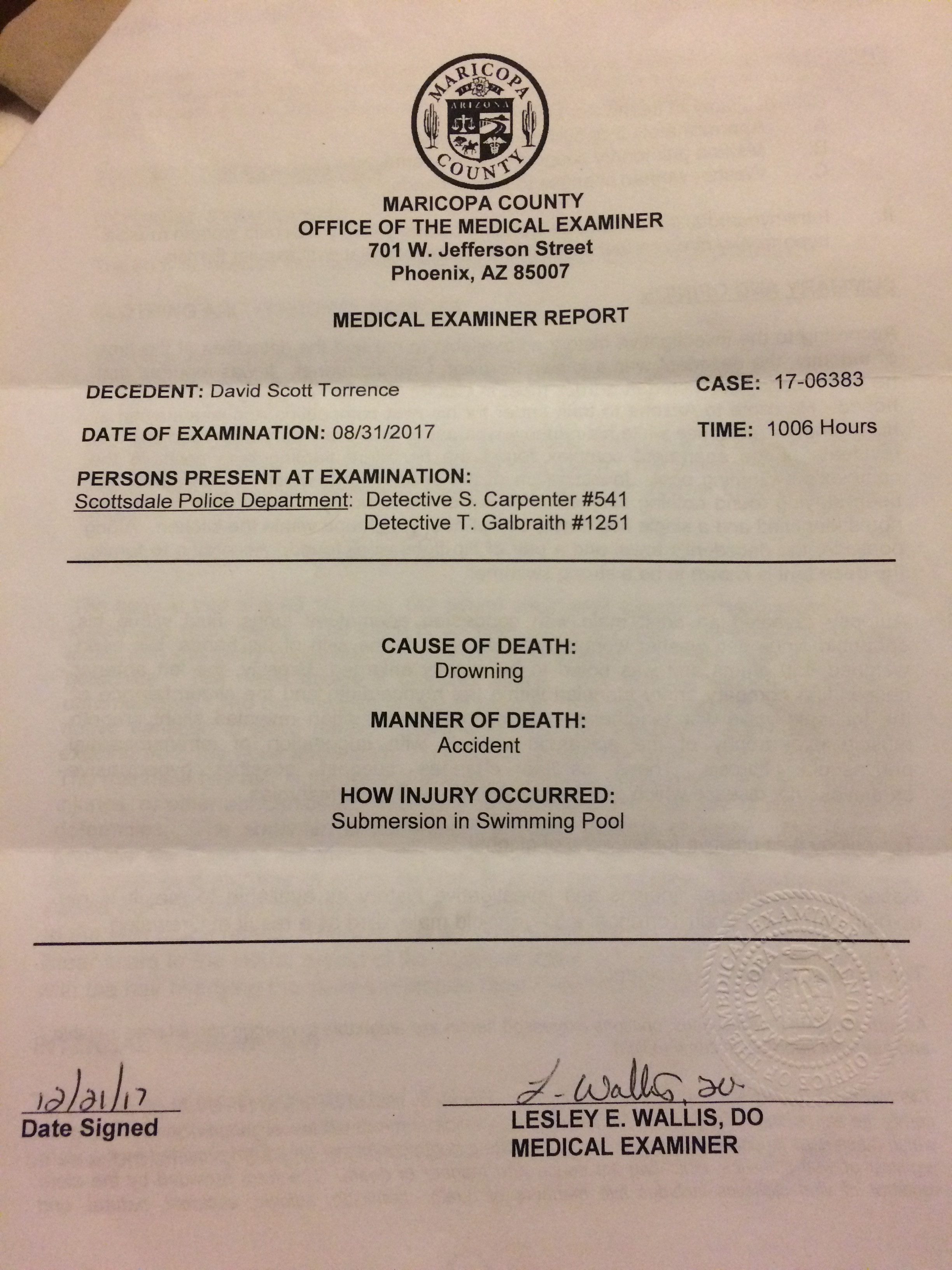
To comprehend an accidental death ruling, one must first distinguish between the "cause of death" and the "manner of death." These two terms are often used interchangeably in casual conversation, but in a forensic or legal context, they serve very different purposes. The cause of death is the specific injury or disease that leads to the physiological failure of the body. Examples include exsanguination (bleeding out), myocardial infarction (heart attack), or asphyxiation.
The manner of death, conversely, is a classification used to define the intent and circumstances. There are generally five recognized manners of death: Natural, Accident, Suicide, Homicide, and Undetermined. An accidental death ruling is applied when the evidence suggests that the fatal injury occurred without intent to cause harm. For instance, if a person dies from a fall (the cause), and that fall was caused by a loose floorboard rather than a push (homicide) or a jump (suicide), the manner of death is ruled an accident.
By 2026, forensic technology has significantly sharpened the ability to distinguish these categories. Advanced toxicology and digital reconstructions of accident scenes allow medical examiners to look deeper into the "mechanism of injury." However, the ruling still depends heavily on the presence or absence of intent, which remains a partially subjective determination based on the available evidence at the scene.
The Role of the Medical Examiner and Coroner
The authority to issue an accidental death ruling typically rests with the Medical Examiner (ME) or the Coroner. While their goals are identical—to determine why and how someone died—their qualifications and methods often differ based on local jurisdiction.
Medical Examiners are almost always forensic pathologists—physicians with specialized training in investigating sudden or unexplained deaths. In contrast, Coroners are often elected officials who may or may not have medical degrees, depending on the state’s requirements. Regardless of their background, these officials oversee the death investigation, which includes a scene investigation, an external examination of the body, and often a full autopsy.
When an investigator arrives at the scene of a fatality, they look for specific indicators that support an accidental ruling. These include the absence of a suicide note, the lack of defensive wounds (which might suggest homicide), and the presence of environmental hazards like slick surfaces or malfunctioning equipment. In 2026, investigators also frequently utilize "digital autopsies," where high-resolution CT scans and AI-assisted data analysis help identify internal trauma that might be missed during traditional procedures. Once the ME or Coroner is satisfied that the death was unintended and not caused by natural disease, they sign the death certificate with "Accident" as the manner of death.
Legal Criteria for "Accidental" Determination
In the eyes of the law, particularly in civil litigation and insurance disputes, the definition of an accident can be more complex than the medical definition. Courts often look for "proximate cause" and the "suddenness" of the event. For a death to be legally ruled an accident, it must typically meet three criteria:
- Unexpectedness: The event could not have been reasonably foreseen by the deceased.
- External Agency: The death was caused by an outside force (e.g., a car, a toxin, or a fall) rather than an internal biological failure.
- Lack of Intent: There is no evidence that the deceased or any other party intended for the fatal outcome to occur.
A significant area of legal debate involves the "accidental means" vs. "accidental results" test. Some older insurance policies and legal jurisdictions require that the means leading to the death be accidental. For example, if a person intentionally jumps off a bridge but does not intend to die, some courts might rule it is not an accident because the action (jumping) was intentional. Most modern standards, however, focus on the result: if the death was not the intended outcome, it is generally ruled an accident.
Impact on Life Insurance and AD&D Claims
The financial implications of an accidental death ruling are profound. Many life insurance policies include an Accidental Death and Dismemberment (AD&D) rider, sometimes called "double indemnity." This clause stipulates that if the death is ruled an accident, the insurer will pay out twice the face value of the policy.
Because of this high financial stake, insurance companies often conduct their own independent investigations. An insurer may challenge a coroner's accidental death ruling if they believe the death falls under a policy exclusion. Common exclusions in 2026 include:
- Intoxication: If the deceased was under the influence of alcohol or non-prescribed drugs, the insurer may argue the death was a foreseeable consequence of their actions.
- Illegal Acts: If the death occurred while the person was committing a felony.
- Medical Procedures: Deaths resulting from surgery or medical treatment are often excluded from AD&D coverage, even if they are "accidental" in a medical sense.
- Pre-existing Conditions: If a heart attack (natural cause) caused a car crash (accident), the insurer might argue the "natural" cause was the primary driver of the death.
Families often find themselves in a difficult position where the state has ruled the death an accident, but the insurance company refuses to pay, claiming the event does not meet the policy’s specific contractual definition of "accidental."
Comparing Manners of Death
The following table outlines the key differences between the five standard manners of death and how they influence legal and financial outcomes.
| Manner of Death | Definition | Primary Investigation Focus | Insurance Impact | Legal Implication |
|---|---|---|---|---|
| Natural | Death due solely to disease or the aging process. | Medical history and internal pathology. | Standard life insurance payout; no AD&D. | No criminal investigation typically required. |
| Accident | Death resulting from an unintentional, unforeseen act or event. | Environmental hazards and lack of intent. | Double indemnity (AD&D) may apply. | Possible civil liability/wrongful death suits. |
| Suicide | Death resulting from a self-inflicted act with intent to die. | Psychiatric history, notes, and toxicological intent. | Often excluded if within a "contestability period." | No criminal charges; focus on mental health. |
| Homicide | Death resulting from the intentional act of another person. | Forensic evidence, witnesses, and motive. | Standard payout; AD&D usually applies (as victim). | Triggers criminal prosecution and arrests. |
| Undetermined | Insufficient evidence to choose a specific manner. | Exhaustive review of all available data. | Likely leads to claim denials or litigation. | Open case file; requires further evidence. |
Common Challenges and Contested Rulings
Accidental death rulings are frequently the subject of intense controversy. One of the most common battlegrounds is the "Accidental Overdose." As of 2026, forensic guidelines have become more sophisticated in distinguishing between a deliberate suicidal ingestion and an accidental overdose due to drug purity or tolerance issues. However, if a coroner labels an overdose "Undetermined" or "Suicide," it can strip a family of insurance benefits and create significant emotional distress.
Another challenging area is death involving the elderly. If an elderly person falls and breaks a hip, then dies of pneumonia three weeks later in the hospital, is that an accidental death? Most forensic standards suggest that because the fall (the accident) initiated the "train of events" leading to death, it should be ruled accidental. Yet, many insurance companies will argue that the underlying frailty or "natural" condition of the patient was the real cause, leading to a contested ruling.
Furthermore, "Autoerotic Asphyxiation" and other high-risk activities often result in accidental rulings that are challenged by insurers under the "foreseeability" doctrine, arguing that the deceased should have known death was a likely outcome.
How to Contest an Accidental Death Ruling
If a family or interested party believes a death has been wrongly classified—either because they believe a "Suicide" ruling should be an "Accident" for insurance purposes, or a "Natural" ruling should be an "Accident" for a wrongful death lawsuit—there are specific steps to take.
- Request the Full Investigative Report: This includes the autopsy report, toxicology results, and scene photos. In 2026, you should also request any digital forensic data or body-cam footage from the responding officers.
- Hire an Independent Forensic Pathologist: Private pathologists can review the original autopsy findings. They may find evidence of trauma or chemical markers that the state examiner overlooked.
- Gather Evidence of Intent (or Lack Thereof): For cases involving suicide vs. accident, evidence of future plans (e.g., plane tickets, appointments, or recent positive communications) can be used to challenge a suicide ruling.
- Petition the Medical Examiner/Coroner: Most jurisdictions have a formal process to request an amendment to a death certificate. This usually requires "new and compelling evidence."
- Seek Judicial Review: If the medical examiner refuses to change the ruling, a civil court can be petitioned to order a change. This is a high legal bar and requires an experienced attorney specializing in probate or insurance law.
FAQs About Accidental Death Rulings
Does an accidental death ruling automatically mean the insurance will pay?
No. An accidental death ruling by a coroner is a medical-legal opinion, but insurance companies are bound by the specific language of their contracts. A death can be "accidental" on a death certificate but excluded by an insurance policy if, for example, the deceased was intoxicated at the time of the event.
How long does it take for a final ruling to be issued?
While a preliminary ruling may be made within days, a final accidental death ruling often takes 6 to 12 weeks. This delay is usually due to the time required for comprehensive toxicology screenings and microscopic tissue analysis to rule out underlying natural diseases.
Can a "Homicide" be an "Accident"?
Not on a death certificate. These are mutually exclusive categories for the manner of death. However, in a criminal court, a person might be charged with "accidental homicide" (manslaughter), which means they caused the death without premeditated intent. On the death certificate, however, if one person kills another, the manner is ruled "Homicide," regardless of the perpetrator's intent.
What happens if the ruling is "Undetermined"?
An "Undetermined" ruling means the investigator cannot say with more than 50% certainty which manner of death applies. For beneficiaries, this is often the worst-case scenario, as most AD&D policies require an affirmative "Accidental" ruling to trigger a payout.
Can a ruling be changed years later?
Yes. If new evidence emerges—such as a confession, new forensic testing technology (common in 2026), or previously undiscovered physical evidence—the medical examiner has the authority to issue an amended death certificate.
Next Actions for Families and Legal Representatives
If you are dealing with a recent accidental death ruling, your first priority should be to secure all official documentation. Contact the county coroner or state medical examiner’s office to request a "Certified Copy of the Long-Form Death Certificate," which includes the cause and manner of death. Simultaneously, request the "Autopsy and Toxicology Report."
Review these documents with a legal professional or an independent forensic expert, especially if there are discrepancies between the scene evidence and the final ruling. If you intend to file an insurance claim, ensure that your submission includes the official ruling and any supporting police reports that emphasize the "unforeseen" nature of the event. Acting quickly is essential, as the window for requesting a second autopsy or preserving scene evidence closes rapidly.