Accidental death is a fatality caused by an unexpected and unintentional event rather than natural causes, suicide, or homicide. In legal and insurance contexts, it refers to a death resulting strictly from external, violent, and visible means that were not foreseen by the deceased, such as a motor vehicle collision, a fall, or an unintentional poisoning.
Defining Accidental Death in Legal and Medical Contexts
Defining an accidental death requires a nuanced understanding of both medical pathology and legal standards. While a physician may list the immediate cause of death (e.g., cardiac arrest), the "manner of death" is what determines if it is classified as accidental. In the year 2026, forensic standards continue to distinguish between deaths that occur due to internal biological failures and those triggered by external environmental factors.
Medical examiners and coroners generally recognize five manners of death: natural, accident, suicide, homicide, and undetermined. An accidental death occurs when there is no evidence of intent to harm by the self or others. For example, if a person suffers a heart attack while driving and subsequently crashes, the crash is the accident, but the cause of death might be ruled "natural" if the heart attack preceded the impact. Conversely, if the crash causes a fatal trauma, it is ruled an accidental death.
In the legal and insurance realms, the definition is often even more specific. Policies for Accidental Death and Dismemberment (AD&D) define an accident as a "sudden, external, and identifiable event." This distinction is critical because insurance companies may deny claims if the death was contributed to by an underlying illness. Legal proceedings, such as wrongful death lawsuits, often hinge on the "proximate cause," which is the primary act that set the chain of events in motion leading to the fatality.
Common Examples of Accidental Death
Accidental deaths span a wide range of scenarios, from domestic mishaps to industrial catastrophes. Understanding these examples helps in identifying risk factors in daily life.
Transportation-Related Fatalities
Despite advancements in autonomous driving technology and vehicle safety systems in 2026, motor vehicle accidents remain a leading category of accidental death. This includes passenger vehicle collisions, pedestrian strikes, and motorcycle accidents. Aviation and maritime accidents also fall into this category, though they occur with much lower frequency.
Falls and Impact Injuries
Falls are a primary cause of accidental death, particularly among the elderly. These can occur from heights, such as on a construction site or ladder, or can be "falls on the same level," where a person trips on a rug or slips on ice. The resulting traumatic brain injuries (TBI) or hip fractures often lead to fatal complications.
Unintentional Poisoning and Overdose
Poisoning has become one of the most prevalent forms of accidental death over the last decade. This includes accidental drug overdoses—where a victim miscalculates a dosage or consumes a tainted substance—as well as carbon monoxide poisoning and the ingestion of household toxins by children.
Drowning and Submersion
Drowning is a significant cause of accidental death across all age groups but is especially prevalent among children. These incidents occur in swimming pools, natural bodies of water, and even bathtubs. Even for strong swimmers, factors like exhaustion, "dry drowning" (post-immersion respiratory failure), or unexpected currents can turn a recreational activity into a fatality.
Fire and Burn-Related Deaths
Residential fires caused by electrical faults, cooking accidents, or smoking materials contribute to thousands of accidental deaths annually. Death in these cases is frequently caused by smoke inhalation and carbon monoxide poisoning rather than direct thermal injury.
Primary Causes of Unintentional Fatalities
The causes of accidental death are often categorized by the environmental or behavioral triggers that initiate the fatal event. By 2026, data suggests that human error remains the most significant contributing factor, though environmental volatility is an increasing concern.
- Human Factors and Distraction: Cognitive load and distraction are major causes of accidents. Whether it is a worker bypassing a safety protocol to save time or a driver distracted by an interface, human error is the catalyst for a vast majority of unintentional injuries.
- Environmental Hazards: Natural disasters, extreme weather events (which have increased in frequency), and poor infrastructure contribute to accidental deaths. For instance, an improperly maintained bridge or an unmarked construction zone represents an environmental hazard that can lead to a fatal accident.
- Mechanical and Technical Failure: Even with the robust engineering standards of 2026, mechanical failures occur. Brake failures, electrical short circuits, or industrial machinery malfunctions can lead to immediate fatalities.
- Substance Impairment: The use of alcohol, prescription medications, or illicit substances significantly increases the risk of accidents. Impairment affects reaction times, judgment, and physical coordination, leading to falls, crashes, and drownings.
Statistical Overview of Accidental Death Categories
The following table provides a comparison of the primary categories of accidental death, highlighting the most vulnerable demographics and the typical locations where these incidents occur.
| Category | Primary Age Group Affected | Common Locations | Key Contributing Factors |
|---|---|---|---|
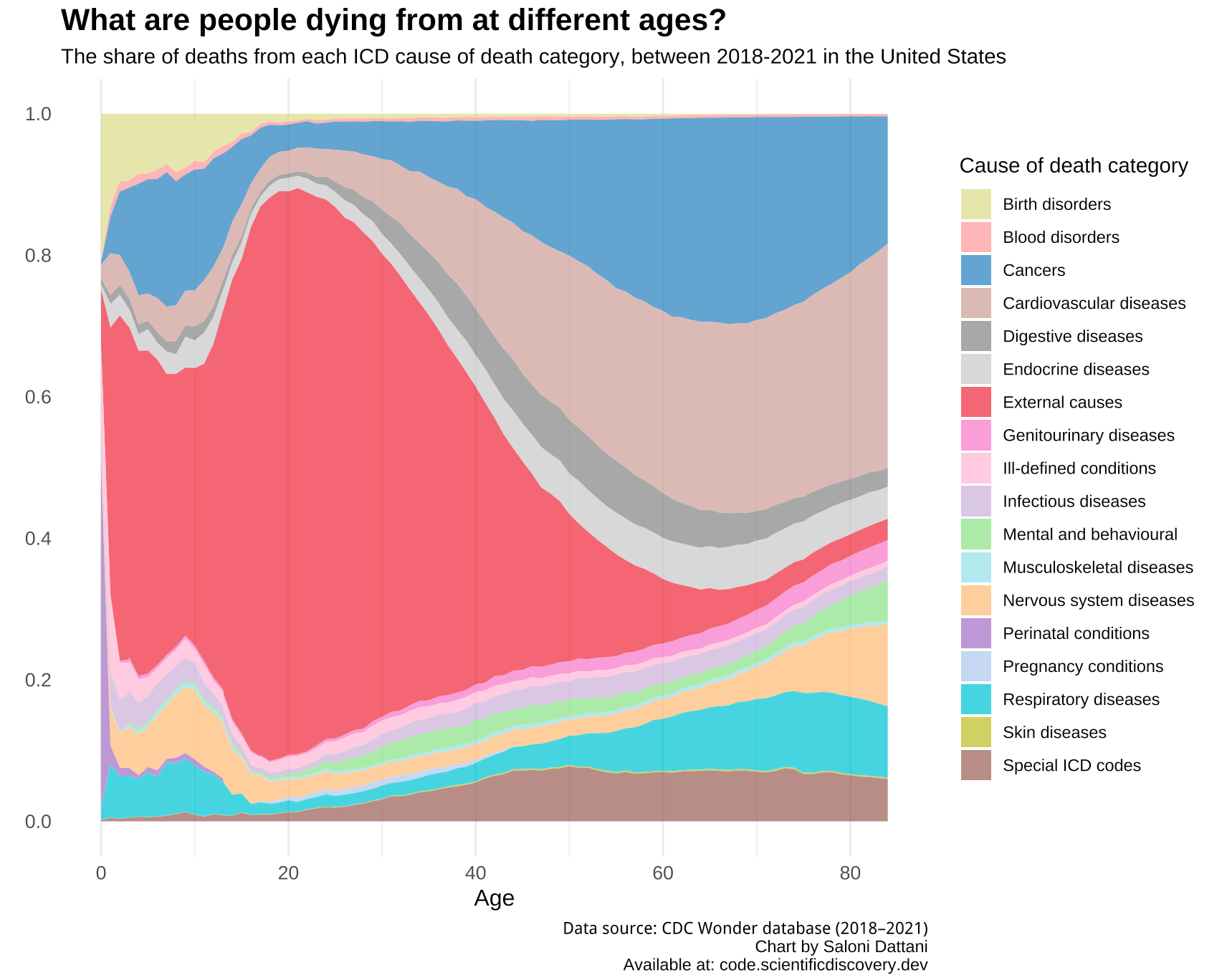
| Motor Vehicle | 15–44 years | Highways, Urban Intersections | Distraction, Speeding, Impairment |
| Falls | 65+ years | Private Homes, Care Facilities | Poor Lighting, Mobility Issues, Ice |
| Poisoning | 25–64 years | Private Residences | Substance Misuse, Lack of Labeling |
| Drowning | 1–14 years | Pools, Lakes, Bathtubs | Lack of Supervision, Open Water |
| Fire/Smoke | All ages | Residential Buildings | Faulty Wiring, Unattended Cooking |
| Choking | 0–4 & 75+ years | Dining Areas, Bedrooms | Small Objects, Difficulty Swallowing |
Accidental Death and Dismemberment (AD&D) Insurance
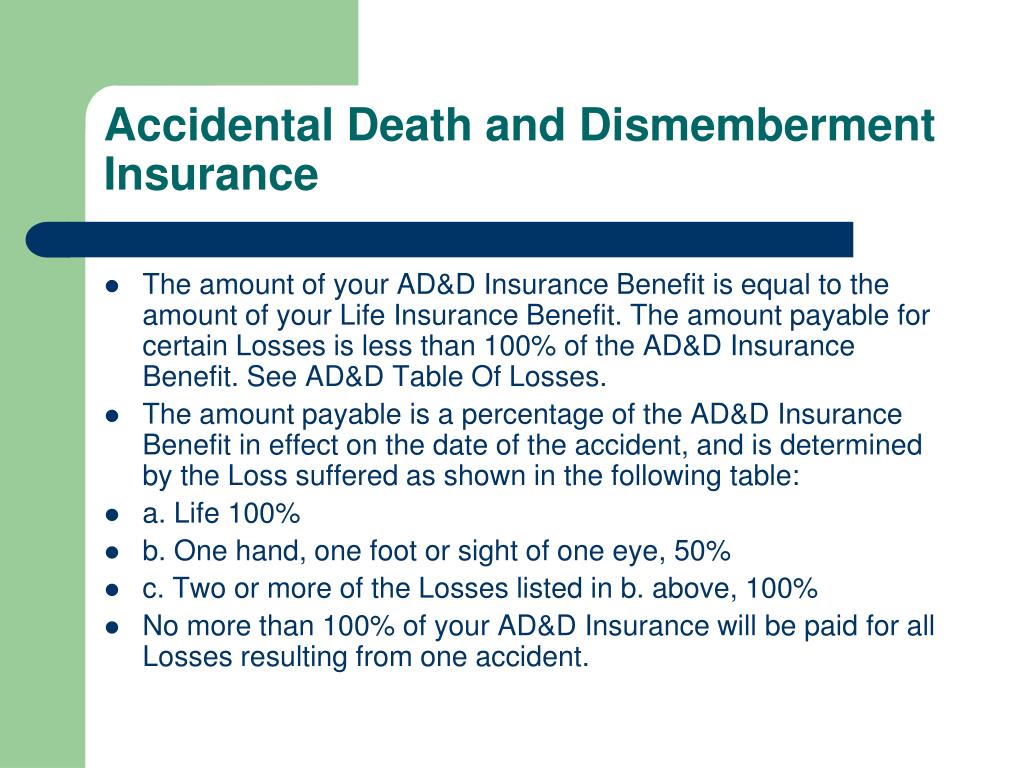
Accidental Death and Dismemberment (AD&D) is a specialized insurance policy or rider that pays out a benefit if the insured party dies or loses a limb, sight, or hearing due to an accident. It is important to distinguish AD&D from standard term or whole life insurance.
How AD&D Functions
AD&D is often referred to as "double indemnity" when it is a rider on a life insurance policy. This means that if the death is ruled accidental, the beneficiary receives twice the face value of the policy. Because it only covers a specific subset of deaths (accidents), the premiums are generally much lower than comprehensive life insurance.
Common Exclusions
Not every death that seems like an accident is covered under AD&D. Standard exclusions typically include:
- Deaths during high-risk activities: Skydiving, car racing, or bungee jumping may be excluded unless a specific rider is purchased.
- Intoxication: If the deceased was over the legal limit for alcohol or under the influence of non-prescribed drugs at the time of the accident, the claim is often denied.
- Surgical Complications: Death occurring during medical procedures is usually classified as medical malpractice or a known risk rather than an "accident" for insurance purposes.
- War and Terrorism: Most policies exclude deaths resulting from acts of war or civil unrest.
Effective Prevention and Safety Measures
Preventing accidental death requires a multi-layered approach involving individual responsibility, technological intervention, and public policy.
Home Safety and Modification
For the elderly, preventing falls is paramount. This includes installing grab bars in bathrooms, ensuring high-contrast lighting on stairs, and removing trip hazards like area rugs. For families with children, safety measures include pool fencing, "baby-proofing" cabinets containing toxins, and using anchors for heavy furniture to prevent tip-overs.
Workplace Safety Standards
Occupational safety has evolved significantly. In 2026, many industries utilize wearable sensors that alert workers to proximity hazards or physiological signs of heat exhaustion. Adhering to OSHA (Occupational Safety and Health Administration) standards, wearing proper Personal Protective Equipment (PPE), and participating in regular safety drills are essential for reducing industrial accidental deaths.
Public Health and Education
Public awareness campaigns regarding the dangers of distracted driving and the importance of smoke detectors save lives. Furthermore, the widespread availability of overdose-reversal agents (like Naloxone) in public spaces has become a critical tool in preventing accidental poisoning deaths from becoming fatalities.
Legal Implications and Wrongful Death Claims
When an accidental death occurs due to the negligence or misconduct of another party, it may result in a wrongful death lawsuit. This is a civil action brought by the survivors of the deceased.
To succeed in a wrongful death claim, the plaintiff must typically prove:
- Duty of Care: The defendant had a legal obligation to act with reasonable care toward the deceased (e.g., a driver must follow traffic laws).
- Breach of Duty: The defendant failed to meet that obligation (e.g., speeding or running a red light).
- Causation: The defendant's breach of duty directly caused the accident.
- Damages: The death resulted in quantifiable losses, such as funeral expenses, loss of income, and loss of companionship.
Legal definitions of "accidental" can be debated in these cases. For instance, if a manufacturer knew a product was defective but did not issue a recall, the resulting death might be "accidental" from the victim's perspective but "negligent" from a legal perspective, allowing for punitive damages.
FAQ: Common Questions About Accidental Death
Is an overdose considered an accidental death?
Yes, in most medical and legal contexts, an overdose is classified as an accidental death if there is no evidence of suicidal intent. Medical examiners distinguish between "unintentional poisoning" and "self-inflicted poisoning." However, some insurance policies may have specific clauses regarding substance use that could impact a payout.
How is accidental death different from natural death?
A natural death is caused by an internal disease process or the aging of the body (e.g., cancer, heart disease, or old age). An accidental death is caused by an external force or event that was not intended or expected. If an illness causes an accident (like a stroke causing a car crash), the classification depends on whether the illness or the trauma was the immediate cause of death.
Does life insurance cover accidental death?
Standard life insurance policies cover almost all causes of death, including accidents, illnesses, and even suicide (after a specific contestability period, usually two years). AD&D insurance, however, only covers accidents. If you have both, an accidental death would trigger payouts from both policies.
Can a "slip and fall" be a wrongful death?
Yes. If a person dies from a fall caused by a hazardous condition that a property owner should have repaired or warned about (like a wet floor without a sign or a broken handrail), it can be grounds for a wrongful death lawsuit based on premises liability.
What is the most common accidental death in 2026?
As of 2026, unintentional poisoning (primarily drug overdoses) and motor vehicle accidents remain the leading causes of accidental death globally. Among the elderly specifically, falls remain the most common cause of fatal accidental injury.
Implementing a Personal Safety Audit
To minimize the risk of accidental death within your own environment, the most effective next step is to conduct a comprehensive safety audit. Start by checking the expiration dates on all smoke and carbon monoxide detectors, ensuring they are placed on every level of the home. Review your insurance coverage to understand the specific definitions and exclusions in your AD&D or life insurance policies. Finally, evaluate daily habits—such as phone use while driving or the storage of household chemicals—to identify and mitigate behavioral risks. Taking these proactive steps significantly reduces the likelihood of an unforeseen tragedy.