Accidental death is a death caused specifically by unexpected, external, and violent means, distinct from natural causes, illness, or self-inflicted harm. In legal and insurance contexts, it is a classification used to trigger specific benefits, such as Accidental Death and Dismemberment (AD&D) payouts, or to establish liability in wrongful death litigation.
Defining Accidental Death: Medical vs. Legal Perspectives
To understand accidental death in 2026, one must first distinguish between the medical "cause of death" and the "manner of death." While the cause of death refers to the specific biological failure (such as cardiac arrest or asphyxiation), the manner of death is a clinical and legal categorization. In the United States and many other jurisdictions, medical examiners and coroners recognize five standard manners of death: natural, accident, suicide, homicide, and undetermined.
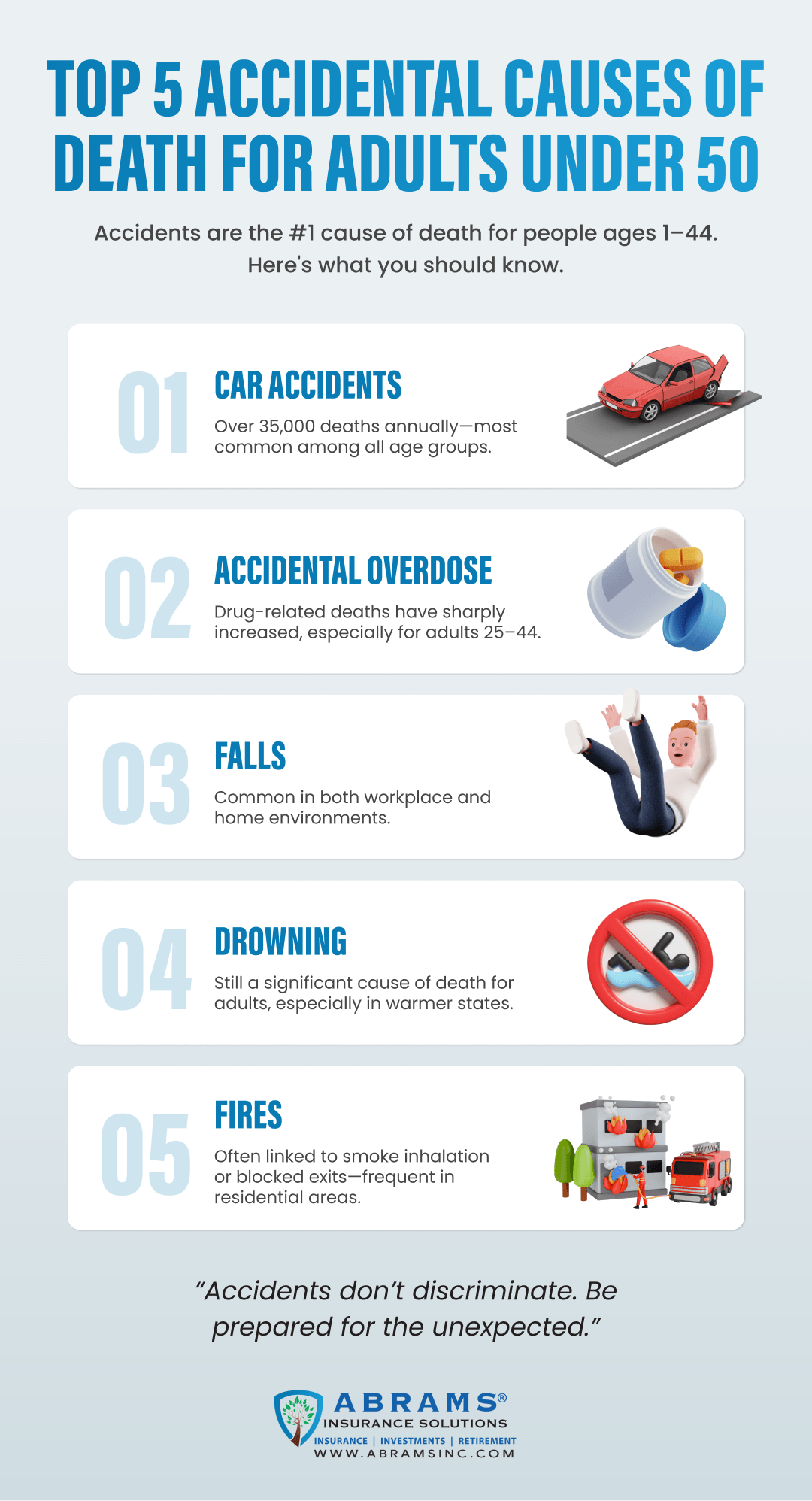
An accidental death occurs when there is no evidence of intent to cause harm by the deceased or another person. Common examples include motor vehicle collisions, falls, drowning, or accidental poisoning. However, the certification of a death as "accidental" by a medical examiner does not automatically guarantee an insurance payout. Insurance companies operate under private contracts that may have narrower definitions of "accident" than those used by public health officials.
For instance, if a person with an underlying heart condition dies in a minor car accident, the medical examiner might list the death as accidental because the trauma triggered the heart failure. However, an insurance provider might argue that the death was caused by a "natural" pre-existing condition, leading to a complex legal dispute over the "proximate cause" of death.
Accidental Death and Dismemberment (AD&D) Insurance
Accidental Death and Dismemberment (AD&D) insurance is a specialized form of coverage that pays out a death benefit to beneficiaries if the policyholder dies due to a covered accident. It is often sold as a "rider" to a standard life insurance policy or as a standalone benefit offered through employers.
The primary appeal of AD&D insurance is its affordability relative to traditional term life insurance. Because it only covers a narrow range of death causes, the premiums are significantly lower. In 2026, many consumers use AD&D as a secondary layer of protection to provide "double indemnity"—essentially doubling the total payout if a tragic accident occurs.
The "Accidental Means" vs. "Accidental Result" Distinction
A critical technicality in insurance law is the distinction between "accidental means" and "accidental results." This nuance determines whether a claim is accepted or denied:
- Accidental Results: The policy covers any death that is an unexpected result of an action. For example, if a person intentionally jumps off a small ledge but lands poorly and dies, the result was accidental, even if the action (the jump) was intentional.
- Accidental Means: This is a stricter standard. It requires that both the action leading to the death and the result were accidental. Under this definition, if the person intentionally jumped, the insurer might deny the claim because the "means" (the jump) was a deliberate act, even if the death was not intended.
Most modern policies have transitioned to the "accidental results" standard, but it is essential for policyholders to verify the specific language in their contracts, as older "accidental means" policies are still in force.
Common Exclusions in Accidental Death Policies
Insurance companies strictly define what does and does not constitute an "accident" to manage risk. Even if a death is certified as accidental by a coroner, the following exclusions often apply:
1. Substance Use and Intoxication
If the deceased was under the influence of alcohol or non-prescribed controlled substances at the time of the accident, most AD&D policies will deny the claim. This is a frequent point of contention in 2026, particularly regarding accidental drug overdoses. While a medical examiner may classify an overdose as an "accidental poisoning," many insurers exclude deaths related to the "voluntary ingestion" of toxic substances.
2. Medical Misadventure and Disease
Death occurring during a surgical procedure or as a complication of medical treatment is generally excluded from accidental death coverage. These are typically classified as medical malpractice issues rather than "accidental" in the context of AD&D. Similarly, if a person dies from an infection following a minor cut, the insurer may argue the death resulted from a disease process rather than the initial accidental injury.
3. High-Risk Activities and Hobbies
Standard AD&D policies often exclude deaths resulting from "extreme sports" or high-risk activities unless a specific rider is purchased. Common exclusions include:
- Skydiving or BASE jumping.
- Auto racing or professional stunt work.
- Piloting a private aircraft (non-commercial flight).
- Scuba diving below certain depths.
4. Illegal Acts
If the insured person dies while committing a felony or participating in a riot, the "illegal act" exclusion will almost certainly trigger. This applies even if the death itself was physically accidental, such as a person dying in a car crash while fleeing the scene of a crime.
Comparing AD&D Insurance with Traditional Life Insurance
Choosing between or combining these coverages requires an understanding of their scopes. AD&D is not a replacement for life insurance; it is a supplement.
| Feature | AD&D Insurance | Traditional Life Insurance (Term/Whole) |
|---|---|---|
| Primary Goal | Protection against sudden, accidental loss. | Broad financial protection for beneficiaries. |
| Death by Illness | Not covered (e.g., cancer, heart disease). | Fully covered. |
| Death by Natural Causes | Not covered (e.g., old age). | Fully covered. |
| Suicide Coverage | Never covered. | Covered after a waiting period (usually 2 years). |
| Premium Cost | Very low/inexpensive. | Moderate to high (based on age/health). |
| Dismemberment Benefit | Pays for loss of limbs, sight, or hearing. | Usually no benefit for non-fatal injuries. |
| Medical Exam | Not typically required. | Usually required for full underwriting. |
The Claims Process: Requirements and Documentation
Filing a claim for an accidental death benefit is more rigorous than filing for standard life insurance. Because the cause of death is the deciding factor, the burden of proof lies with the beneficiary to demonstrate that the death fits the policy's specific definition of an accident.
Required Documentation
- Certified Death Certificate: This must state the manner of death as "Accident."
- Autopsy and Toxicology Reports: Insurers will review these to ensure no drugs, alcohol, or underlying diseases contributed to the death.
- Police and First Responder Reports: These provide a narrative of the event and help confirm that no illegal acts or excluded activities were involved.
- Proof of Loss Form: A specific document provided by the insurer where the beneficiary formally requests the payout.
The Investigation Period
Unlike standard life insurance claims, which might be paid within 30 days, accidental death claims often undergo an "investigative review." The insurer may hire independent investigators to interview witnesses or consult medical experts. In 2026, many insurance companies use automated forensic data analysis to cross-reference medical records with the accident report. If the insurer finds any evidence of a pre-existing condition that contributed to the death, they may offer a partial settlement or deny the claim entirely.
Practical Guidance for Beneficiaries and Policyholders
Managing the aftermath of an accidental death is emotionally and administratively taxing. To ensure a smoother process, individuals should take the following actions:
For Policyholders:
- Audit Your Exclusions: Read your policy's "Exclusions" section carefully. If you participate in hobbies like mountain climbing or private aviation, ensure your policy doesn't explicitly bar those activities.
- Disclose Health Changes: While AD&D doesn't usually require a medical exam, disclosing significant health changes can prevent an insurer from claiming you "concealed" a condition that might have contributed to a later accident.
- Centralize Documents: Keep your policy number, insurer contact information, and a copy of the contract in a place where your beneficiaries can easily find it.
For Beneficiaries:
- Do Not Rush the Death Certificate: If the coroner is undecided on the manner of death, wait for the final report. An "Undetermined" status on a death certificate is a common reason for claim denials.
- Consult a Professional: If a claim is denied based on an exclusion (like a pre-existing condition), consult with a legal professional specializing in ERISA (for employer-sponsored plans) or insurance contract law.
- Request a Detailed Denial Letter: If the insurer refuses to pay, they are legally required to provide a specific reason. This letter is the roadmap for your appeal.
Frequently Asked Questions
Does accidental death insurance cover death during a surgical procedure?
No, in the vast majority of cases, death during surgery is excluded from AD&D coverage. Insurers classify surgical complications as medical risks rather than "accidents" caused by external, violent means. However, if the surgery was required as a direct and immediate result of an accident (e.g., emergency surgery after a car crash), the death may still be covered under the original accident claim.
Is an accidental drug overdose covered?
This is one of the most litigated areas of accidental death insurance. While medical examiners often list overdoses as "accidental," many insurance policies specifically exclude deaths caused by the voluntary ingestion of drugs or poison. In 2026, some policies have been updated to include specific "Opioid Riders," but without such specific language, a claim for an overdose is frequently denied.
What happens if the cause of death is "Undetermined"?
If the medical examiner cannot definitively rule the death an accident and marks it as "Undetermined," the insurance company will likely deny the claim. The beneficiary has the burden of proof to show the death was accidental. In such cases, additional forensic evidence or eyewitness testimony would be required to challenge the insurer's decision.
Can I claim both standard life insurance and AD&D benefits?
Yes. If you have both a term life insurance policy and an AD&D policy (or rider), and the death is ruled accidental, the beneficiaries can collect on both. This is why AD&D is often referred to as "double indemnity," as it provides a second payout on top of the primary life insurance benefit.
How long do I have to file an accidental death claim?
Most policies have a "notice of claim" provision requiring beneficiaries to notify the insurer within 20 to 30 days of the death. However, the formal "proof of loss" (including the death certificate and reports) can usually be submitted within 90 days. State laws and the specific language of the National Association of Insurance Commissioners (NAIC) guidelines may extend these deadlines in certain circumstances.
Next Steps: Ensuring Adequate Protection
If you are currently relying solely on AD&D insurance for your family's financial security, the most important next step is to evaluate your need for a comprehensive life insurance policy. Accidental death coverage is a valuable and inexpensive safety net, but it leaves significant gaps in coverage—specifically for deaths related to heart disease, cancer, and stroke, which remain the leading causes of death globally. For those who already have coverage, a biannual review of beneficiary designations and a thorough reading of policy exclusions will ensure that the protection you expect is the protection your family will actually receive.