Yellowstone National Park remains one of the most dynamic environments in the United States, where geothermal activity and wildlife interactions require constant vigilance. As of 2026, the National Park Service (NPS) continues to enforce strict safety protocols following recent incidents involving hydrothermal features and wildlife encounters. Visitors are advised to strictly adhere to boardwalks and maintain significant distances from all animals to ensure a safe experience.
Understanding the Landscape: Risks and Hazards
Yellowstone is an active volcanic and geothermal ecosystem, which inherently presents hazards that are fundamentally different from those found in traditional municipal or forested parks. The primary risks involve thermal features, such as geysers, hot springs, and mud pots, as well as unpredictable wildlife behavior. Understanding these risks is the first step in personal safety.
The park’s thermal basins contain water that can reach temperatures capable of causing severe, life-altering burns. In recent years, incidents have occurred when visitors departed from established boardwalks, inadvertently stepping into crustal areas that appear solid but are actually thin, unstable, and overlaying boiling water. These crusts are highly deceptive, and the environmental conditions change rapidly due to underground pressure shifts and seasonal water table fluctuations.
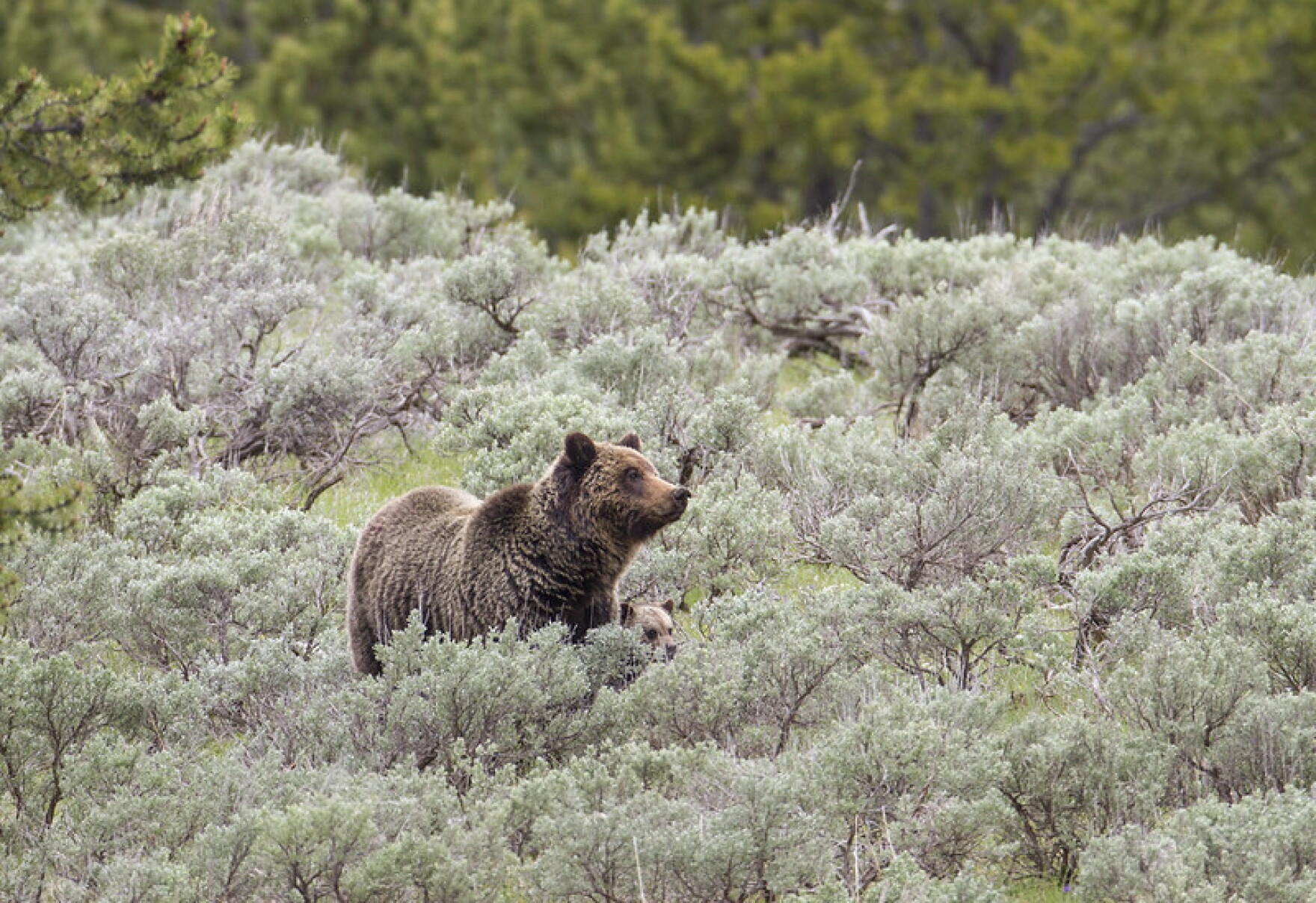
Wildlife, including grizzly bears, black bears, wolves, and bison, are protected, wild animals that do not possess a conditioned fear of humans. The most common accidents involve visitors attempting to get too close for photography or observation. Bison, despite their docile appearance, are notoriously fast and aggressive when they feel threatened, causing more human injuries than any other large mammal in the park.
Current Safety Protocols and Regulatory Updates
For the 2026 visitor season, the National Park Service has reiterated its "Stay on the Boardwalks" mandate. These boardwalks are engineered not only to protect the fragile geothermal formations—which are easily damaged by human foot traffic—but also to provide a clear, safe path above dangerous thermal ground.
Regulations regarding wildlife photography and observation have also been tightened. The NPS now requires visitors to maintain a minimum distance of 100 yards from bears and wolves, and at least 25 yards from all other wildlife, including bison, elk, and deer. Enforcement includes increased patrols by park rangers and the use of remote monitoring technology. Violations of these distance requirements or departure from marked trails can result in significant federal fines, mandatory court appearances, or expulsion from the park.
Essential Safety Checklist
Preparation before entering the park is the most effective tool for accident prevention. Adopting a proactive mindset significantly reduces the likelihood of an emergency:
- Pre-arrival education: Review the official Yellowstone National Park website for current road closures, construction alerts, and updated safety bulletins.
- Gear requirements: Carry bear spray if hiking, and ensure it is readily accessible—not buried inside a backpack. Know how to operate it before leaving your vehicle.
- Visual cues: If an animal notices you and changes its behavior, you are likely too close. Back away slowly and do not run, as running can trigger a predatory chase response.
- Thermal awareness: Never touch the water in thermal features; it is often acidic and always hot enough to cause extreme thermal injury.
- Supervision: Children and individuals with mobility or cognitive impairments must remain under direct physical supervision at all times near thermal basins.
Comparing Potential Hazards in Yellowstone
The following table outlines the primary hazards visitors face and the standard mitigation strategies recommended by park safety officials.
| Hazard Type | Primary Risk | Mitigation Strategy |
|---|---|---|
| Hydrothermal | Severe burns or death from acidic/boiling water | Stay on marked boardwalks at all times |
| Bison/Large Ungulates | Blunt force trauma or goring | Maintain at least 25 yards distance |
| Predators (Bears/Wolves) | Mauled by wildlife | Keep bear spray accessible; never feed animals |
| Trail Conditions | Exposure or falls on uneven terrain | Wear sturdy footwear; carry weather-appropriate gear |
| High Altitude | Acute Mountain Sickness (AMS) | Stay hydrated; allow time for acclimatization |
Managing Environmental and Health Risks
While physical trauma is often the focus of safety alerts, environmental health risks are equally significant. Yellowstone sits at an average elevation of 8,000 feet. Visitors traveling from lower elevations may experience Acute Mountain Sickness (AMS), characterized by headaches, nausea, and fatigue. To mitigate this, hydration is critical. Alcohol and heavy exertion should be limited during the first 24 to 48 hours of your visit as your body adjusts to the reduced oxygen levels.
Furthermore, weather in the park is volatile. Even in summer, snowstorms can occur, and daily temperature fluctuations can exceed 40 degrees Fahrenheit. Dressing in layers is essential for maintaining core body temperature and preventing hypothermia, which can impair judgment and lead to accidents during long hikes. Always check the weather forecast for your specific elevation and location within the park before embarking on a trek.
Frequently Asked Questions
What should I do if I see a bear in Yellowstone?
If you encounter a bear, stop moving and assess the situation. If the bear has not seen you, slowly move away in the opposite direction without making noise. If the bear sees you, talk to it calmly while backing away slowly. Do not run or climb a tree. If the bear is stationary, move away sideways. Keep your bear spray in your hand, with the safety removed, and be prepared to deploy it if the bear approaches aggressively.
Are there specific trails that are more dangerous than others?
All trails carry inherent risks, but those leading into backcountry areas or near active thermal fields present higher risks. Backcountry trails require advanced navigation skills, physical fitness, and strict bear-aware food storage practices. Always check the current trail status reports provided by the park for temporary closures due to bear activity or hazardous terrain conditions.
Can I feed the animals if they seem hungry or thin?
Feeding, touching, or approaching wildlife is strictly prohibited and carries severe legal penalties. Feeding animals creates "habituated" creatures that lose their natural fear of humans, which almost always results in the animal having to be euthanized for the safety of the public. Keep the wildlife wild by never offering food or attempting to attract them.
What is the protocol if someone is injured in a thermal area?
If an injury occurs near a thermal feature, do not attempt to enter the area to rescue the person, as you will likely become a second victim. Immediately call 911 if a signal is available or notify the nearest park ranger. Provide the exact location, the nature of the injury, and the number of victims to emergency dispatchers to ensure the appropriate medical response team is dispatched.
How often are safety updates issued by the Park Service?
The National Park Service provides updates on a rolling basis. During the peak summer season, updates regarding road construction, bear activity, or trail maintenance are posted daily. Visitors are encouraged to download the official NPS app for Yellowstone and enable push notifications to receive real-time alerts regarding safety or park operational changes.
Recommended Next Steps for Visitors
Before your trip, dedicate time to reading the "Safety" section of the Yellowstone National Park official website. Download all necessary maps for offline use, as cellular service is notoriously unreliable throughout the park. Ensure your vehicle is serviced and your emergency kit is fully stocked, including basic first aid supplies, a physical map, and sufficient water. By preparing for the realities of this wild landscape, you contribute to your own safety and the preservation of the park’s fragile ecosystem. If you are participating in a guided tour, confirm that your operator is a licensed concessionaire, as these providers are required to adhere to rigorous safety standards set by the federal government.