Checking your accident status refers to the process of monitoring the real-time progress of an insurance claim or an official law enforcement investigation following a vehicular collision. By accessing dedicated insurance portals or state-managed databases, you can verify liability determinations, repair authorizations, payout schedules, and the availability of official police reports.
Understanding Accident Status: What Does It Actually Mean?
When you or a legal representative refers to "accident status," you are typically looking for the current standing of one of two distinct processes: the insurance claim or the official police report. In 2026, these processes are more integrated than ever, yet they remain governed by different entities and timelines.
The insurance accident status tracks the financial and restorative side of the event. It begins the moment a "first notice of loss" (FNOL) is filed and continues through the investigation, damage assessment, and final settlement. For most policyholders, this is the most critical status to monitor, as it dictates when a vehicle will be repaired or when a settlement check for medical expenses or total loss will be issued.
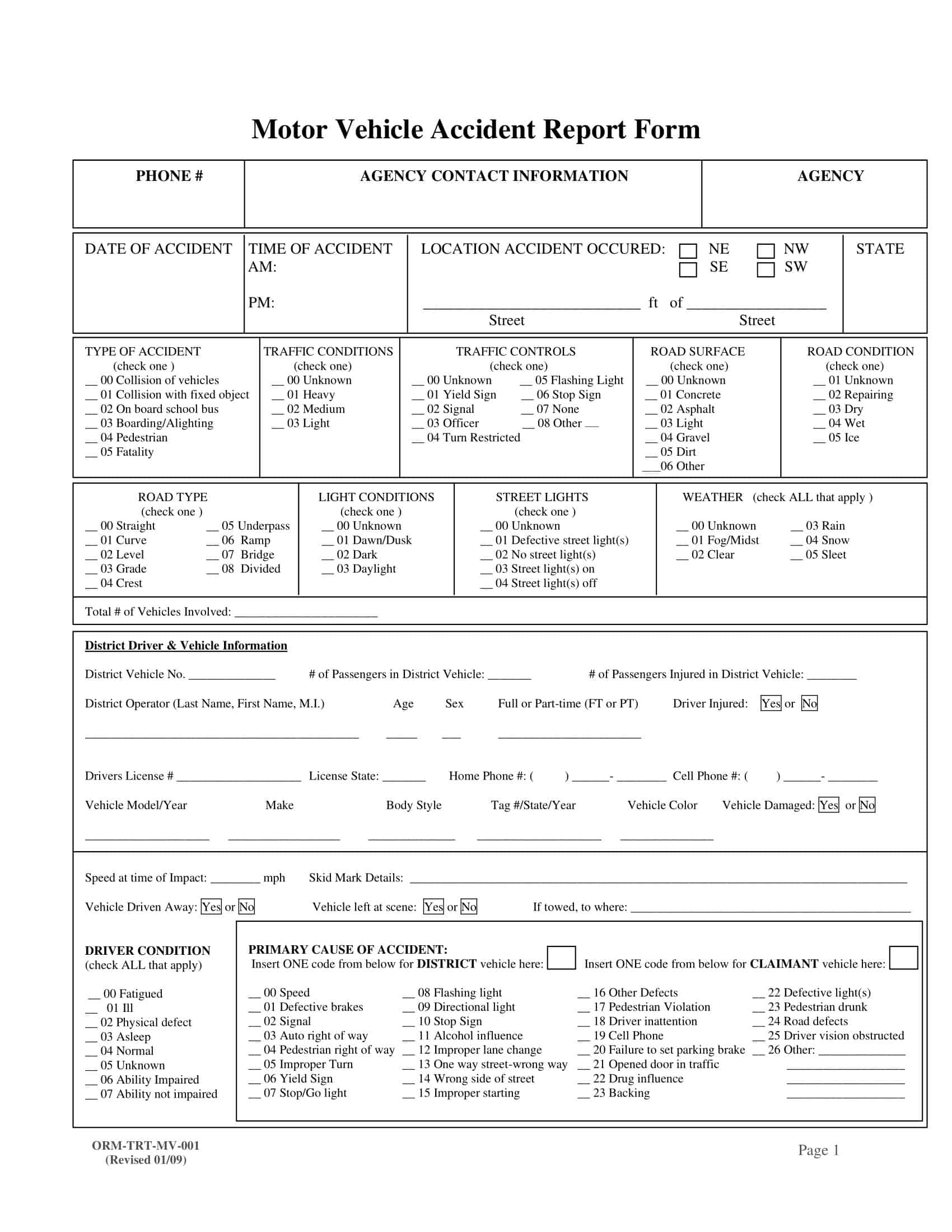
The police or investigative accident status pertains to the administrative and legal documentation of the incident. Law enforcement agencies must process field notes, interview witnesses, and finalize the official accident report. This status determines when a "finalized" report is available for purchase or download, which is a prerequisite for many insurance companies to finalize their own liability assessments. Understanding which status you are seeking is the first step in navigating the aftermath of an accident effectively.
How to Check Your Insurance Claim Accident Status
In 2026, the majority of national and regional insurance carriers have moved toward "digital-first" claim management. Checking your status is no longer dependent on a phone call to a busy adjuster; instead, it is handled through centralized digital ecosystems.
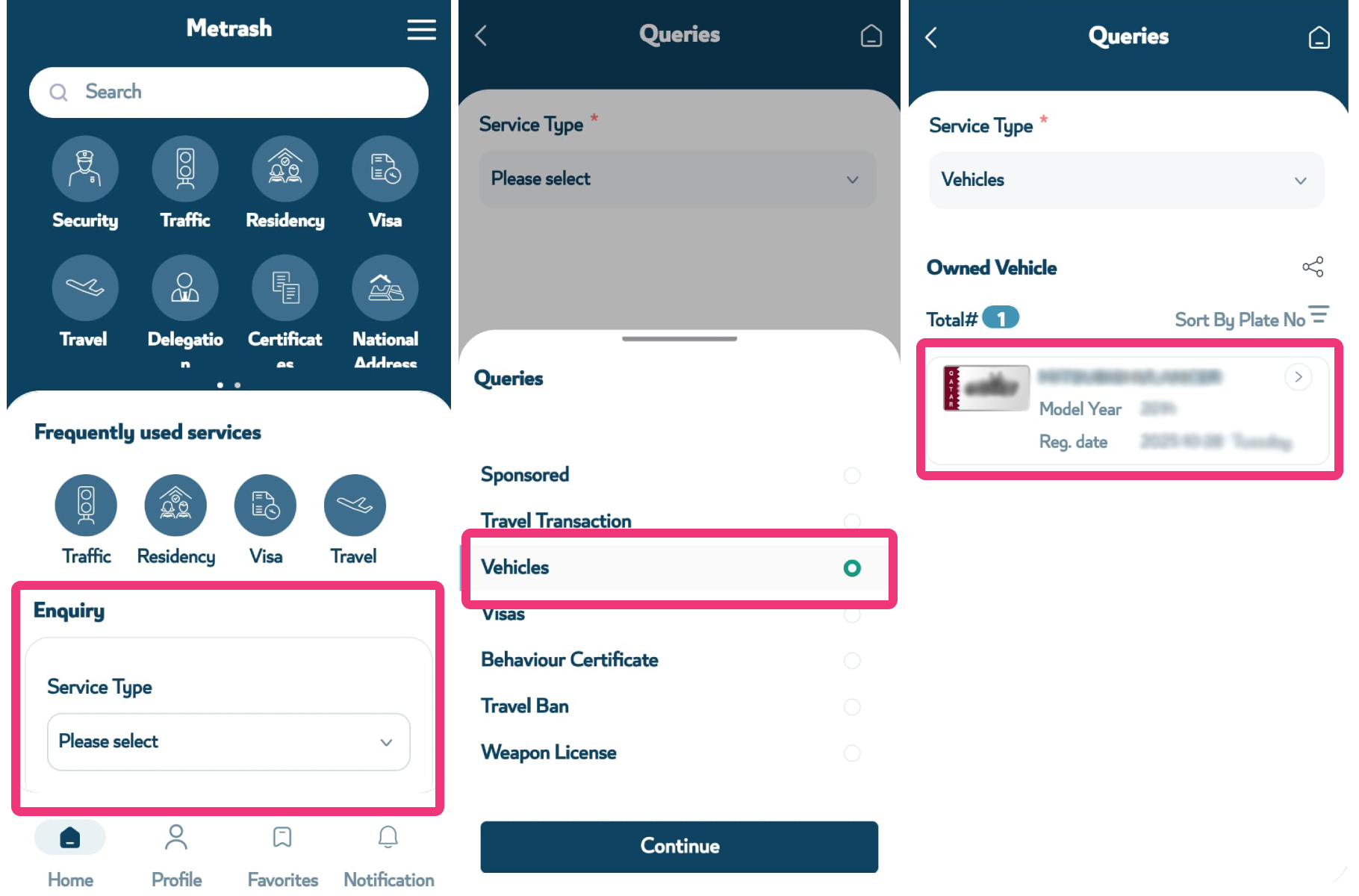
Utilizing Mobile Applications and Portals
Most carriers, including major entities like State Farm, GEICO, and Progressive, provide real-time dashboards. To check your status, you generally need three pieces of information:
- Claim Number: The unique identifier assigned at the time of filing.
- Policy Number: Your primary insurance identification.
- Date of Incident: The specific day the accident occurred.
Once logged in, the status is usually displayed as a progress bar or a series of milestones. These milestones often include "Adjuster Assigned," "Damage Estimate Pending," "Liability Under Review," and "Payment Issued." If your status is listed as "Pending Information," it often means the insurance company is waiting for a statement from the other driver or the release of the official police report.
The Role of Telematics and AI in Status Updates
By 2026, many insurance companies use AI-assisted claims processing. If your vehicle is equipped with modern telematics, your accident status might update automatically based on sensor data transmitted at the time of impact. This can speed up the "Initial Assessment" phase of your status, as the AI can pre-verify the severity of the impact and the likely areas of mechanical damage before a human adjuster even visits the salvage yard or repair shop.
Checking the Status of an Official Police Accident Report
While the insurance company handles the money, the state handles the record. The status of a police report is vital because it serves as the "source of truth" for what occurred at the scene.
State and Municipal Databases
Most states now utilize centralized systems for accident report distribution. For example, many jurisdictions use third-party platforms like LexisNexis BuyCrash or state-specific DMV portals to manage these records. To check if a report is ready, you will typically search by the "Incident Number" or "Case Number" provided by the officer at the scene.
The status of these reports generally follows a three-stage lifecycle:
- Draft/Pending: The officer has submitted the initial details, but a supervisor has not yet reviewed or signed off on the report.
- Under Review: The report is being checked for accuracy or held pending the results of a blood-alcohol test or a specialized reconstruction unit's findings.
- Finalized/Available: The report is ready for public or party-involved access. In 2026, the average turnaround time for a standard non-injury accident report is approximately 5 to 7 business days, though complex investigations can take months.
Common Accident Status Terms and Their Meanings
Navigating the jargon used by adjusters and clerks is essential for understanding where your case stands. Below is a breakdown of the most frequent statuses encountered in 2026.
| Status Term | Meaning and Context | Typical Next Step |
|---|---|---|
| FNOL Recorded | First Notice of Loss; the claim has been created but not yet assigned. | Assignment of a dedicated claims adjuster. |
| Liability Pending | The insurer is still deciding who is at fault for the accident. | Providing witness statements or the police report. |
| Total Loss Evaluation | The cost of repairs likely exceeds the vehicle's actual cash value. | Transferring the title and receiving a settlement check. |
| Subrogation | Your insurer is seeking reimbursement from the at-fault party's insurer. | No action needed; this is a behind-the-scenes legal phase. |
| Supplement Pending | A repair shop found more damage after starting the work. | Adjuster approval for the additional repair costs. |
| Closed | The claim is finalized, all payments are made, and no further action is expected. | Archiving your records for tax or legal purposes. |
Factors That Influence Your Accident Status Progression
If you notice that your accident status has not changed for several weeks, it is rarely a result of simple clerical error. Several complex variables can stall the progression of both insurance and police statuses.
Liability Disputes
If both drivers claim the other ran a red light, the insurance status will remain "Liability Under Review" until more evidence surfaces. In 2026, this often involves the insurer requesting dashcam footage or nearby "smart city" traffic camera data. Until liability is determined, the "Payment" status will remain locked for the party seeking damages.
Medical Documentation
In accidents involving personal injury, the status often remains open for an extended period. This is because a claim cannot be "Settled" until the full extent of the injuries—and the cost of future treatment—is known. If you are still undergoing physical therapy, your status will likely reflect "Active Medical Treatment," and a final settlement offer will be withheld to ensure all bills are covered.
Parts Availability and Labor Shortages
Even if the "Liability" and "Estimate" phases are complete, the "Repair Status" may stall. In the 2026 automotive market, specialized components for electric vehicles (EVs) or advanced driver-assistance systems (ADAS) can face backlogs. Your status might show "In Repair," but the estimated completion date may shift frequently depending on the global supply chain for specific sensors and microchips.
Troubleshooting Delays in Your Accident Status
When an accident status becomes stagnant, proactive intervention is often required. You should not assume that "no news is good news" in the context of insurance claims.
- Verify Information Accuracy: Occasionally, a status is "stuck" simply because of a typo in a VIN or a misspelled last name in a police database. Cross-reference your claim documents with your actual vehicle registration.
- Request a "Status Letter": If an insurance company is taking longer than the state-mandated "Reasonable Time" (which varies by jurisdiction but is often 30-45 days), you can formally request a status letter explaining the delay. This often prompts the adjuster to move the file to the top of their queue.
- Contact the Supervisor: If your assigned adjuster is unresponsive, moving up the chain of command is a standard procedure. Most insurance portals allow you to see the "Team Lead" or supervisor associated with your claim.
- Check with the DMV: If the police report status is the bottleneck, contact the records division of the specific precinct that responded to the call. Sometimes reports are filed under a "Common Name" or "Street Name" that differs from what you are searching in the digital portal.
FAQs About Accident Status
How long does it take for an accident status to move from "Pending" to "Approved"?
For most straightforward property damage claims in 2026, the transition takes between 3 and 10 business days. If there are disputes regarding fault or if the damage is high-value, this period can extend to 30 days or more as the insurer conducts a more thorough investigation.
Why does my accident status say "Subrogation" after I already got paid?
Subrogation is a process where your insurance company recovers the money they paid you from the at-fault driver's insurance. If your status says "Subrogation," it means your personal involvement is likely over, but the insurance companies are still balancing their books. This is a positive sign, as a successful subrogation often results in your deductible being refunded to you.
Can I change my accident status if the police report is wrong?
You cannot directly change the status, but you can request an "Amended Report." You must provide the reporting officer with new evidence, such as dashcam footage or a new witness statement. If the officer agrees, the report status will move back to "Pending" while the amendment is processed.
Does a "Closed" status mean I can't reopen the claim?
Not necessarily. Most insurance policies and state laws allow a claim to be reopened if "latent" damage is discovered (damage that wasn't visible during the initial inspection) or if medical symptoms worsen. However, once a "Release of Liability" is signed as part of a settlement, it becomes much more difficult to change the status back to "Open."
Will checking my accident status online affect my premium?
No. Checking the status is a purely administrative action. Your premium is affected by the underlying facts of the accident—such as fault and the payout amount—not by how frequently you monitor the progress of the claim through the portal.
Proactive Steps for Managing Your Accident Status
To ensure the smoothest possible progression of your accident status, you should act as your own project manager. In 2026, the volume of digital data can sometimes lead to "information silos" where the repair shop, the insurer, and the police are not sharing updates efficiently.
Your best next action is to maintain a digital folder containing every document related to the event. This should include the exchange of information at the scene, the officer’s business card with the incident number, and dated photos of the damage. Check your insurance portal every 48 hours during the first two weeks. If the status does not move from "Investigation" to "Adjustment" within seven days, call your adjuster to ask specifically what documentation is missing. Being an informed and persistent claimant is the most effective way to move an accident status toward a final, favorable resolution.