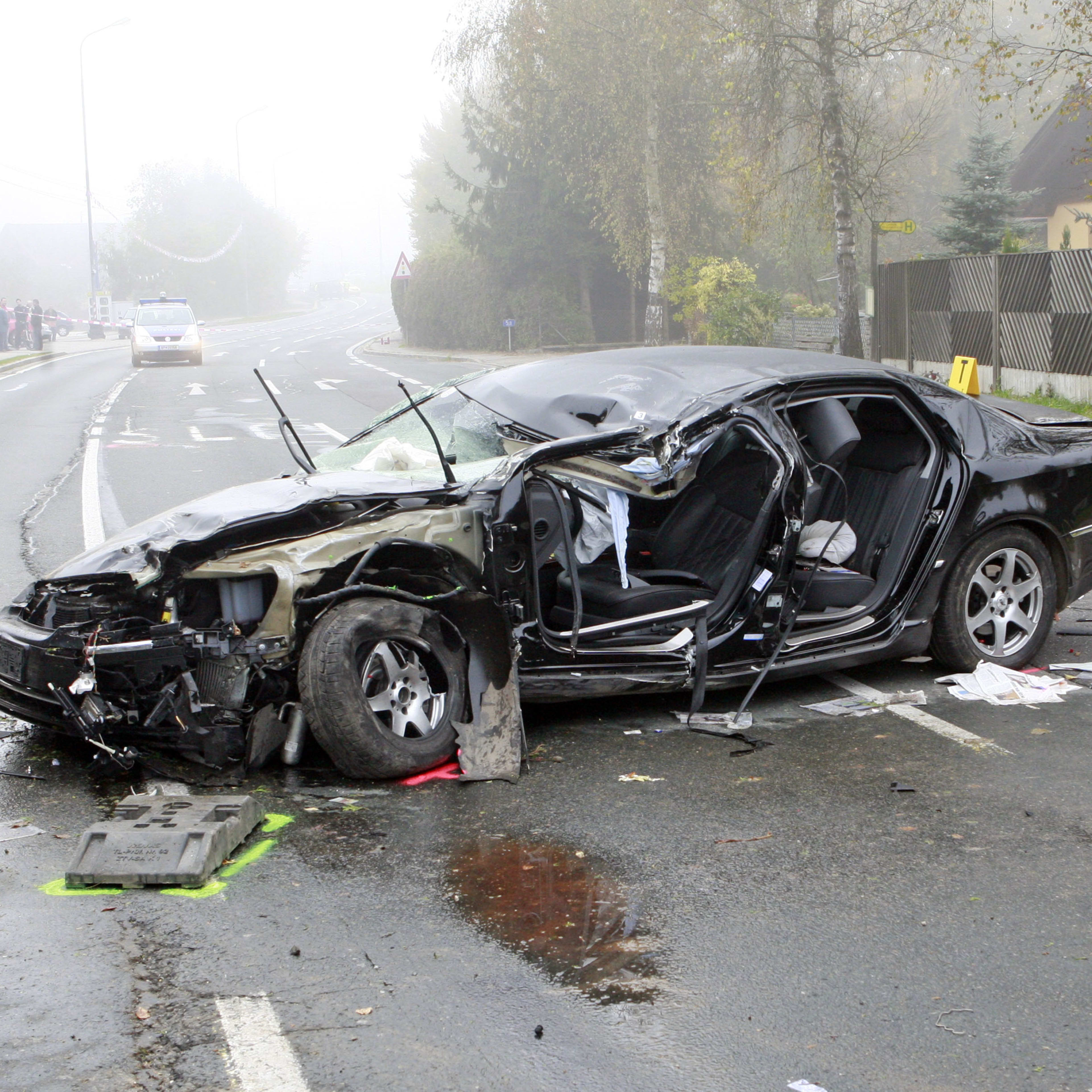
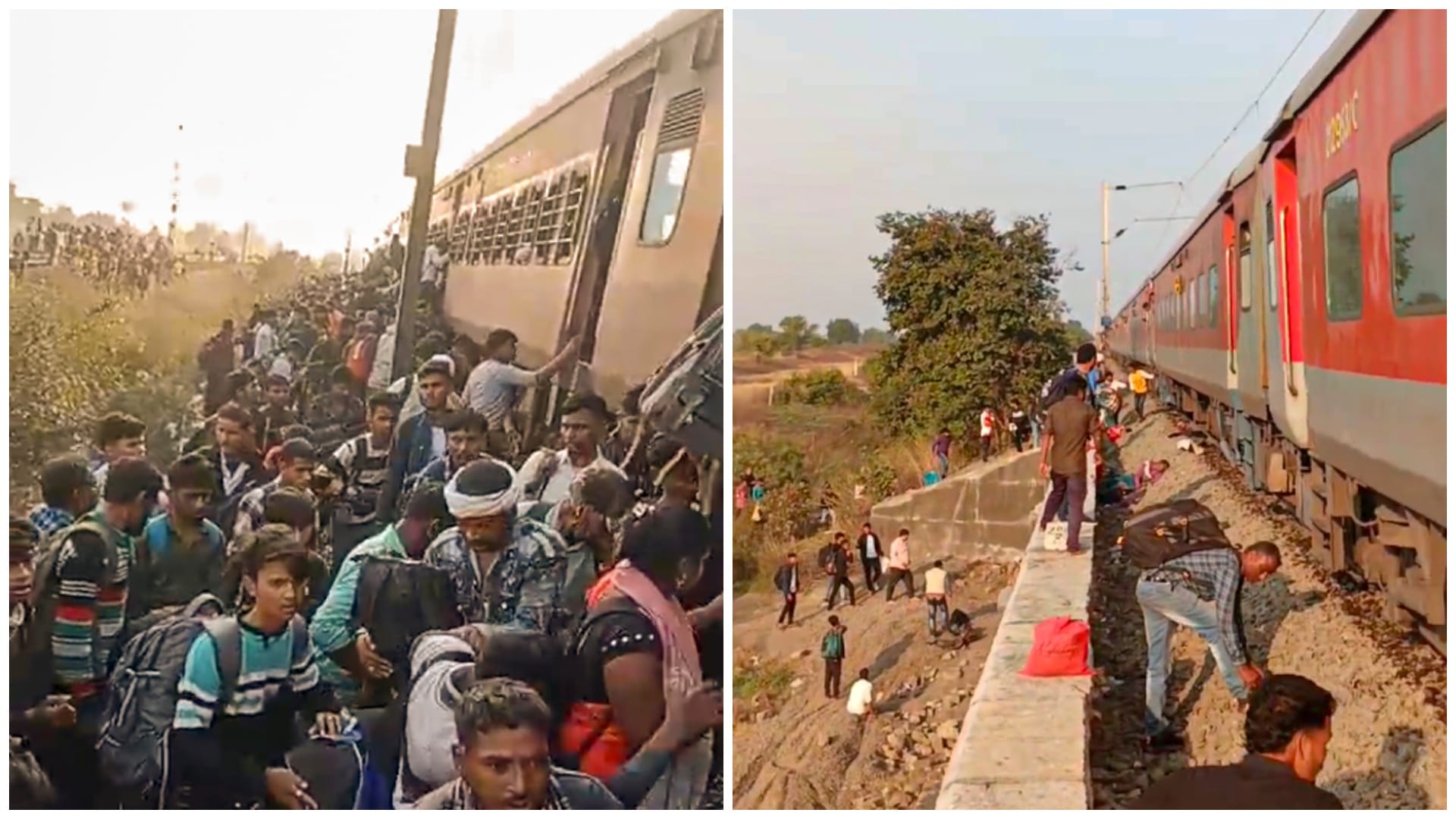
An accident rumor is unverified information regarding a mishap—ranging from celebrity car crashes to industrial disasters—that spreads rapidly through social media and digital networks before official confirmation. In 2026, these rumors are often fueled by sophisticated AI-generated content, making rigorous verification from official sources and reputable news outlets essential to prevent panic and protect the privacy of those involved.
The Anatomy of an Accident Rumor in the Digital Age
The lifecycle of an accident rumor has compressed significantly over the last decade. What used to take hours to circulate via word-of-mouth now spreads globally in seconds through engagement-based algorithms. At its core, an accident rumor thrives on the "information vacuum"—the period between a real or perceived event and the release of an official statement. During this interval, the public's natural anxiety and curiosity create a fertile ground for speculation.
In 2026, the velocity of these rumors is largely driven by "clout-chasing" and the monetization of digital attention. Individuals and "news-style" social media accounts often race to be the first to report a tragedy, prioritizing speed over accuracy. This creates a feedback loop where one unverified post is cited by another, eventually reaching a critical mass where the rumor is perceived as a "breaking news" fact. The psychological pull of being "in the know" encourages users to share these posts without performing basic due diligence, effectively becoming nodes in a misinformation network.
Furthermore, the linguistic structure of an accident rumor often includes high-arousal language. Phrases such as "Reports coming in," "Unconfirmed but terrifying," or "Prayers for [Name]" act as emotional triggers. These triggers bypass the analytical part of the brain, leading to impulsive sharing. Understanding that these rumors are often structured to exploit human empathy is the first step in developing digital resilience against them.
The Role of AI and Deepfakes in 2026 Misinformation
By 2026, the challenge of identifying an accident rumor has been complicated by the ubiquity of generative artificial intelligence. We have moved past simple text-based rumors into the era of "synthetic evidence." Rumors today are frequently accompanied by AI-generated images or short video clips that appear to show emergency vehicles, crash sites, or even "eyewitness" testimonials that never actually occurred.
These deepfakes are designed to provide the visual "proof" that audiences instinctively trust. For example, a rumor about a high-profile corporate CEO being involved in a plane crash might be supported by a doctored image of a tailpipe with a specific company logo. For the average user scrolling through a mobile feed, these details are difficult to debunk at a glance. The sophistication of these tools means that even the "uncanny valley" indicators—such as weird lighting or blurred edges—are becoming less noticeable.
The danger of AI-integrated rumors extends beyond individual reputations. In the corporate world, a well-timed accident rumor can trigger automated trading bots, leading to massive stock price volatility before a company can issue a denial. This "weaponized" misinformation is a primary concern for risk management teams, who now employ their own AI monitoring systems to detect and neutralize rumors within minutes of their emergence.
The Social and Psychological Impact on Affected Parties
The most devastating consequence of an accident rumor is the human cost, particularly for the family and friends of the person at the center of the speculation. In several high-profile instances in 2025 and 2026, family members have learned about a supposed "death" or "critical injury" of a loved one through a viral social media post rather than an official notification from law enforcement or medical professionals. This trauma is irreparable and represents a significant ethical failure in digital communication.
For celebrities and public figures, accident rumors often lead to "death hoaxes." These are not merely harmless pranks; they require the mobilization of public relations teams, legal counsel, and sometimes local authorities to manage the fallout. The stress of having to prove one’s own survival to the public is a bizarre and taxing reality of modern fame.
On a broader scale, frequent accident rumors lead to "outcry fatigue." When the public is repeatedly subjected to false alarms regarding disasters or tragedies, their sensitivity to genuine emergencies diminishes. This skepticism can be dangerous during actual crises—such as a chemical leak or a multi-car pileup—where immediate public cooperation and trust in official instructions are required for safety.
Verification Protocols: Distinguishing Fact from Fiction
To navigate the landscape of 2026 media, it is vital to have a structured approach to verification. Relying on "blue checks" or high follower counts is no longer sufficient, as these metrics are easily manipulated or purchased. Instead, verification should rely on a multi-factor authentication of information.
The following table provides a framework for evaluating the credibility of a report regarding an accident:
| Source/Indicator | Characteristics of a Rumor | Characteristics of a Verified Report |
|---|---|---|
| Official Authorities | Absence of statements from Police, Fire, or EMS. | Direct quotes or press releases from local authorities. |
| Visual Evidence | Low-resolution, generic, or AI-generated artifacts. | High-resolution footage from known news outlets; consistent weather/lighting. |
| Attribution | Uses phrases like "Sources say" or "People are talking." | Identifies specific officials, spokespeople, or agencies by name. |
| Corroboration | Only found on one social platform or niche "leak" site. | Reported simultaneously by multiple independent, reputable news bureaus. |
| Time-stamps | Discrepancies between the alleged event time and lighting/conditions. | Clear, chronological progression of updates from the scene. |
When a major accident occurs, the primary sources of truth are typically the National Highway Traffic Safety Administration (NHTSA) for road incidents or the Federal Aviation Administration (FAA) for air-related events. If these organizations, along with established global news agencies like Associated Press or Reuters, are silent, the information should be treated as a rumor.
Legal Consequences of Spreading Accident Rumors
In 2026, the legal landscape surrounding misinformation has tightened. While the First Amendment (in the United States) protects a broad range of speech, it does not provide a "get out of jail free" card for the intentional spread of harmful falsehoods. There are several legal avenues through which those who initiate or maliciously amplify accident rumors can be held accountable.
- Defamation and Libel: If a rumor falsely claims an individual was intoxicated during an accident or caused an accident through negligence, that individual may have grounds for a defamation lawsuit. If the person is a private citizen, the burden of proof is lower than for a public figure, but the damages can be substantial.
- Intentional Infliction of Emotional Distress (IIED): If it can be proven that a rumor was spread with the specific intent of causing severe emotional trauma to a family, courts are increasingly siding with the victims. The "reckless disregard for the truth" is a key component here.
- Securities Fraud: As mentioned previously, if a rumor is spread to manipulate a stock price, organizations like the Securities and Exchange Commission (SEC) can investigate the actors for market manipulation.
- Public Safety Statutes: In some jurisdictions, knowingly reporting a false emergency or "swatting" a location with an accident rumor can lead to criminal charges, including fines and imprisonment, especially if emergency resources were diverted from real needs.
Platforms themselves are also facing increased regulatory pressure. New "Duty of Care" laws in various regions now require social media companies to take "reasonable steps" to flag or remove viral content that is demonstrably false and carries a high risk of public harm.
Managing a Crisis: When the Rumor is About You or Your Organization
For corporations and public figures, the response to an accident rumor must be swift but measured. A panicked or overly emotional response can sometimes validate the rumor in the eyes of the public. The professional standard in 2026 involves a three-step crisis communication protocol:
First, Monitor and Assess. Do not respond to every lone tweet. Use social listening tools to determine if the rumor is gaining "velocity"—meaning it is jumping from platform to platform or being picked up by larger influencers.
Second, Issue a "Hold Statement." If the rumor is gaining traction, issue a brief, factual statement. For example: "We are aware of the reports circulating regarding [Subject]. These reports are currently unverified. We will provide an official update as soon as we have confirmed information." This signals to the public that you are aware of the situation without confirming any false details.
Third, Direct Correction. Once the facts are established, provide a clear, definitive correction. Use visual evidence if possible (e.g., a photo or video of the "victim" in a different location) to counteract any AI-generated misinformation. Ensure that this correction is distributed through the same channels where the rumor was most active.
Frequently Asked Questions
Why do accident rumors go viral so much faster than other news?
Accident rumors tap into fundamental human emotions: fear, shock, and empathy. From an algorithmic perspective, "high-arousal" content generates more clicks, comments, and shares, which tells the social media platform to show the post to more people. This creates a "viral loop" where the emotional weight of the tragedy drives its reach, regardless of its accuracy.
Can I be sued for sharing an accident rumor on social media?
While it is rare for an individual user to be sued for a single "retweet" or "share," it is legally possible if the share is accompanied by additional false claims or if the user is a prominent influencer who should have known better. In 2026, many people are more concerned with "social credit" and platform bans, as most Terms of Service now strictly forbid the sharing of harmful misinformation.
How can I tell if an image of a crash is AI-generated?
Look for "logical inconsistencies." AI often struggles with complex physics. Look at the way glass shatters, the reflections on the metal, or the text on emergency vehicles. In 2026, many browsers have integrated "deepfake detectors" or "reverse image search" tools that can flag if an image was created by a known generative model.
What should I do if I see a rumor about a friend or family member?
Do not comment on the post, as engagement helps it spread. Instead, attempt to contact the person directly via a private channel (phone call or encrypted message). If you cannot reach them, contact their immediate family or employer privately. Reporting the post to the platform for "harassment" or "misinformation" is the most effective way to limit its spread.
Are there "death hoaxes" that are actually PR stunts?
While unethical, some low-level influencers have been known to stage or hint at accidents to gain followers. However, for major celebrities and corporations, the risk of a PR stunt involving an accident rumor far outweighs any benefit, as it destroys public trust and can lead to permanent "blacklisting" by reputable media outlets.
Practicing Digital Hygiene and Responsible Sharing
The most effective tool against the spread of accident rumors is a disciplined public. As we move further into 2026, "digital literacy" is no longer an optional skill; it is a necessity for a functioning society. Users must adopt a "pause before you post" mentality. If a piece of news seems designed to shock you, that is exactly when you should be most skeptical.
Before sharing news of an accident, ask three questions: Is the source an official agency? Has this been reported by at least two independent, reputable news organizations? And finally, if this were about me, would I want it shared before my family knew the truth? By adhering to these standards, we can reduce the power of misinformation and protect the dignity of those affected by real-world tragedies.