Accident recovery is a multifaceted process involving immediate medical intervention, legal documentation, and insurance navigation to restore one’s health and financial stability. By systematically addressing injury rehabilitation, property damage claims, and liability disputes, individuals can mitigate long-term losses and secure the compensation required for a full return to pre-accident conditions.
The Immediate Response Phase: Securing the Scene and Evidence
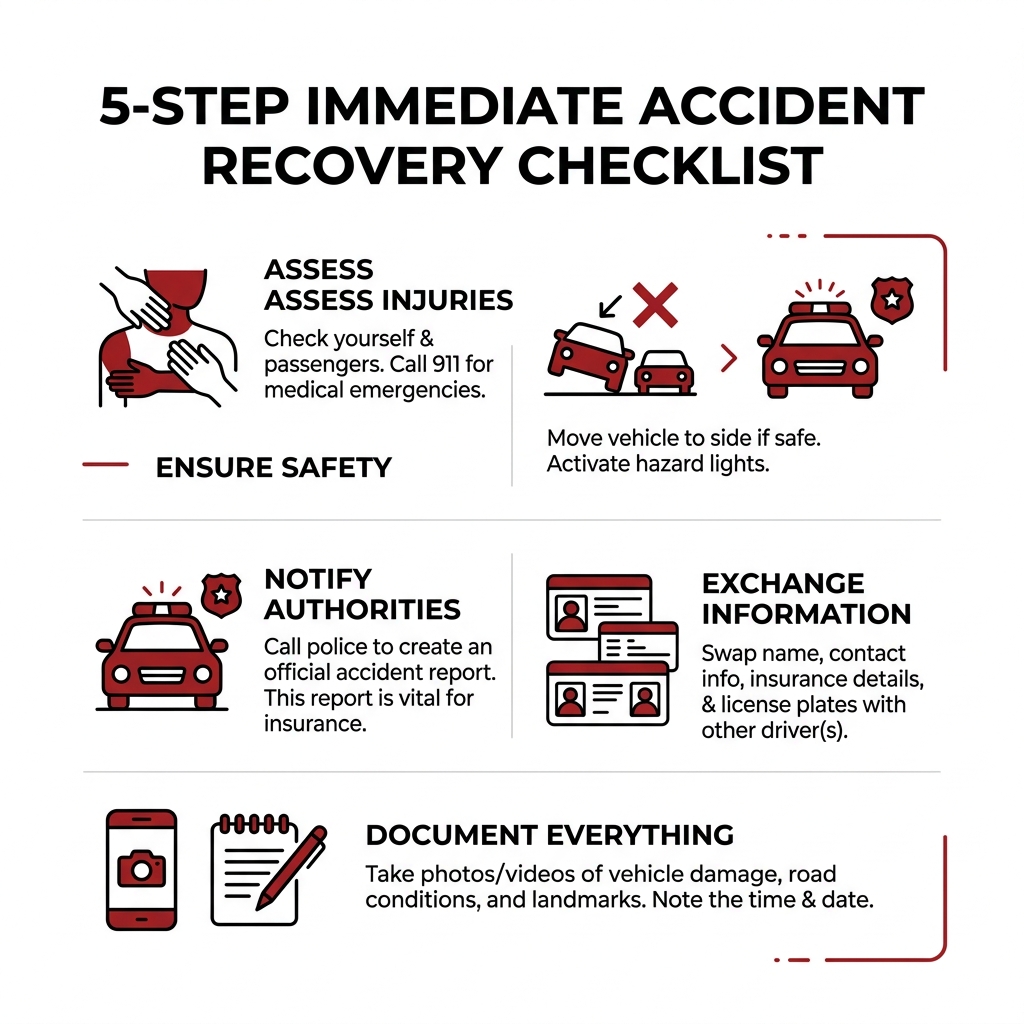
The trajectory of an accident recovery is often determined in the first sixty minutes following the event. In 2026, the integration of advanced vehicle telematics and smart city infrastructure has changed how evidence is collected, but the fundamental responsibilities of the involved parties remain constant. Safety is the primary objective; if possible, vehicles should be moved out of the flow of traffic to a "safe harbor" to prevent secondary collisions, which accounts for a significant percentage of highway fatalities.
Once safety is established, documentation becomes the priority. While law enforcement agencies in most jurisdictions now utilize drone-assisted mapping for major scenes, individuals should still take manual photographs of vehicle positions, license plates, and road conditions. It is essential to exchange identification and insurance information without admitting fault. In the context of 2026 legal standards, spontaneous statements made at the scene are often recorded by nearby doorbell cameras or dashcams and can be used to establish liability during the discovery phase of a personal injury lawsuit.
Furthermore, contacting the local authorities is a mandatory step for any accident involving injuries or significant property damage. A formal police report serves as the foundational document for both insurance adjusters and legal counsel. This report provides an objective third-party account of the incident, including weather conditions, traffic signal status, and initial observations of impairment or negligence. Without this document, the recovery process often devolves into a "he-said, she-said" dispute that can delay compensation for months.
Navigating the Medical Recovery Process
Physical recovery is frequently the most taxing and time-consuming aspect of an accident. Many common injuries, such as whiplash or traumatic brain injuries (TBIs), do not manifest symptoms immediately. Adrenaline can mask pain for hours or even days. Therefore, seeking a medical evaluation within 24 to 48 hours is not only vital for health but also for the integrity of a legal claim. In 2026, medical providers often use predictive diagnostic tools to identify soft-tissue damage that might otherwise go undetected until chronic pain sets in.
The concept of Maximum Medical Improvement (MMI) is central to medical recovery. MMI is the point at which a patient’s condition has stabilized, and no further significant improvement is expected, even with additional treatment. Reaching MMI is a critical milestone because it allows medical professionals to assess the degree of permanent impairment, if any. This assessment is used to calculate "future medical expenses" and "loss of earning capacity," which are major components of a comprehensive settlement.
Rehabilitation often extends beyond surgery or initial treatment. Physical therapy, occupational therapy, and psychological counseling for Post-Traumatic Stress Disorder (PTSD) are standard components of modern accident recovery plans. Patients are encouraged to keep a "recovery journal," documenting daily pain levels, mobility limitations, and the impact of the injury on their quality of life. This qualitative data provides essential context for the quantitative medical records when negotiating with insurance carriers who may attempt to downplay the severity of non-visible injuries.
Financial Recovery and Insurance Claim Management
The financial burden of an accident includes immediate out-of-pocket costs, such as deductibles and co-pays, as well as the larger "economic damages" like lost wages. Understanding the specific insurance laws of your jurisdiction is paramount. As of 2026, most regions operate under either a "no-fault" system or a "tort-based" (at-fault) system. In no-fault states, your own insurance provider pays for medical bills through Personal Injury Protection (PIP) regardless of who caused the accident. In tort states, the at-fault driver’s insurance is responsible for covering the damages.
Filing a claim requires precision. Insurance adjusters are trained to minimize payouts to protect the company’s bottom line. When communicating with adjusters, it is important to provide factual answers without speculating on fault or the long-term prognosis of injuries. Providing a recorded statement without legal advice is generally discouraged, as minor inconsistencies can be used to deny or devalue the claim later.
In addition to medical bills, financial recovery encompasses Property Damage (PD). For vehicle owners, this involves either the cost of repairs or the "Actual Cash Value" (ACV) if the vehicle is declared a total loss. In 2026, with the high cost of sensors and batteries in electric vehicles (EVs), many modern cars reach the total loss threshold—typically 70% to 80% of the vehicle's value—with seemingly minor structural damage. Owners should also investigate "Diminished Value" claims, which seek compensation for the fact that a vehicle with an accident history is worth less on the resale market than an identical vehicle with a clean record.
Legal Advocacy and Determining Liability
When an accident results in significant injury or disputed fault, legal representation becomes necessary. The legal recovery process focuses on proving negligence, which requires establishing four elements: duty, breach, causation, and damages. Most personal injury attorneys operate on a contingency fee basis, meaning they only receive payment if they successfully recover funds for the client. This allows injured parties to access high-quality legal counsel without upfront costs.
Determining liability has become increasingly complex in 2026 due to semi-autonomous driving features. Legal recovery may now involve investigating the vehicle manufacturer if a system failure contributed to the crash. Attorneys use "Black Box" data—technically known as the Event Data Recorder (EDR)—to analyze speed, braking, and steering inputs in the seconds leading up to impact. This data-driven approach reduces reliance on witness testimony, which can be fallible.
The statute of limitations is another critical legal factor. This is the deadline by which a lawsuit must be filed. While these vary by state, many jurisdictions require action within two to three years of the accident date. Missing this deadline generally results in the permanent loss of the right to seek compensation. A legal professional ensures that all procedural deadlines are met and that the evidence is preserved in a manner that adheres to the rules of civil procedure.
Damage Categories in Accident Recovery
To understand what constitutes a full recovery, one must distinguish between different types of compensable damages. The following table outlines the standard categories used in 2026 to evaluate claims.
| Damage Category | Description | Common Examples | Proof Required |
|---|---|---|---|
| Economic Damages | Quantifiable financial losses resulting from the accident. | Hospital bills, lost wages, vehicle repairs, medical equipment. | Invoices, pay stubs, receipts, expert witness testimony. |
| Non-Economic Damages | Intangible losses related to the victim's physical and emotional state. | Pain and suffering, loss of consortium, emotional distress. | Medical records, recovery journals, psychological evaluations. |
| Punitive Damages | Penalties intended to punish the defendant for gross negligence or malice. | Drunk driving, street racing, intentional harm. | Evidence of "willful or wanton" disregard for safety. |
| Diminished Value | The loss in a vehicle's market value after it has been repaired. | Resale value drop due to an accident record on Carfax. | Appraisals, market data, expert vehicle valuation. |
Vehicle Recovery and Property Restoration
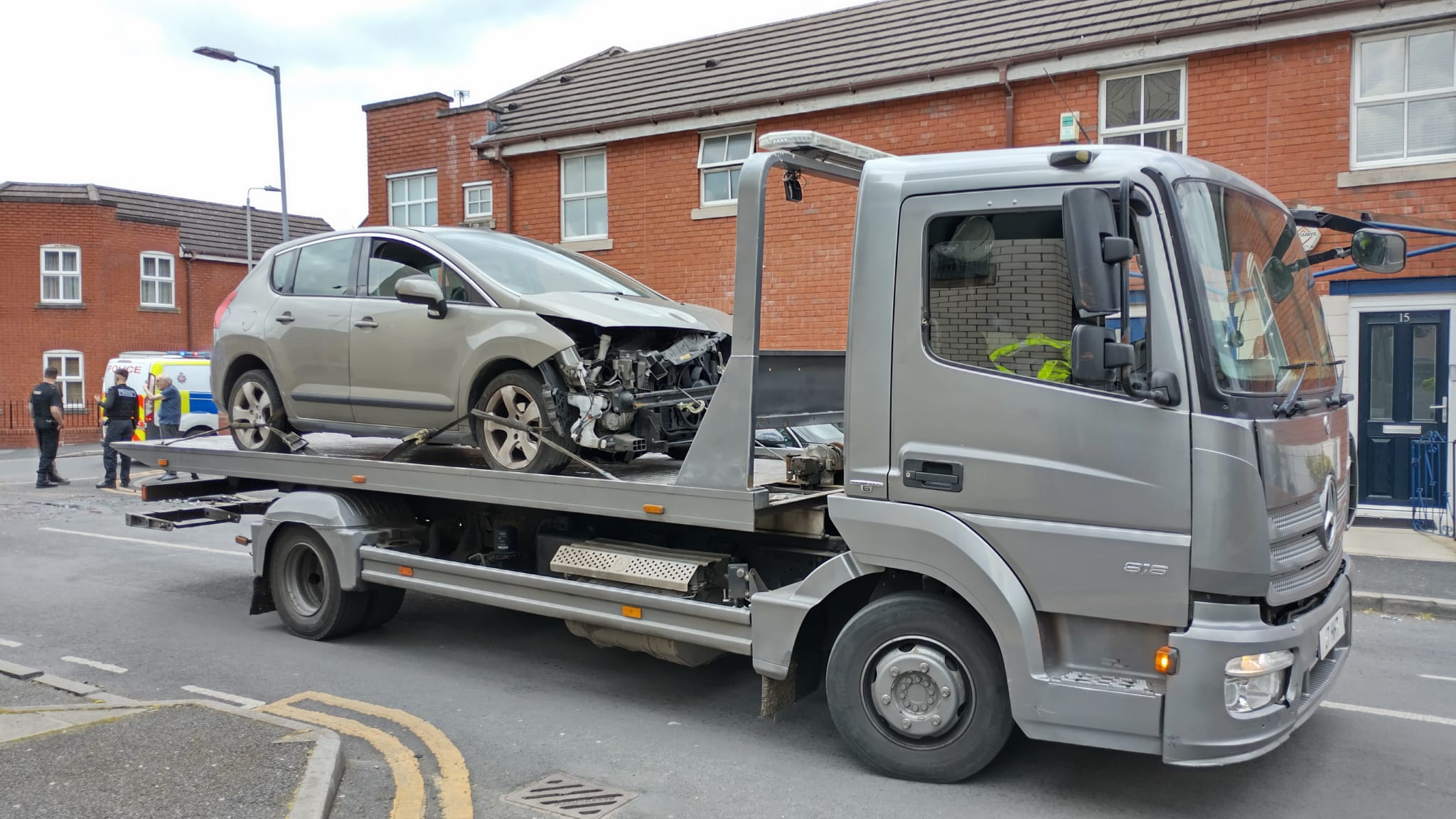
Restoring or replacing a vehicle is often the first tangible step toward normalcy. After the initial tow, the vehicle is typically taken to a storage lot or a repair facility. In 2026, many insurance companies mandate the use of "Certified Repair Networks" to ensure that the complex Advanced Driver Assistance Systems (ADAS) are recalibrated correctly. Improper calibration of cameras and lidar sensors can lead to future accidents, creating a secondary liability risk.
If a vehicle is "totaled," the insurance company takes possession of the salvage and provides the owner with a check for the fair market value. It is a common mistake for owners to accept the first valuation provided by the insurer. Independent research into the local market for similar makes and models can often yield a higher payout. Owners should also ensure that "gap insurance" is applied if the insurance payout is less than the remaining balance on a car loan.
For those whose vehicles are being repaired, "Loss of Use" compensation is an often-overlooked aspect of recovery. This covers the cost of a rental vehicle or alternative transportation during the weeks or months the vehicle is in the shop. Given the global supply chain stability of 2026, parts availability has improved, but specialized components for high-end EVs can still lead to extended repair durations, making loss-of-use claims essential for maintaining one's daily routine.
Frequently Asked Questions
How long does the accident recovery process typically take?
The timeline for recovery varies significantly based on the complexity of the case. A simple property-damage-only claim may resolve in 30 days. However, a personal injury case involving significant medical treatment usually takes 12 to 24 months. It is generally unwise to settle a claim before reaching Maximum Medical Improvement (MMI), as doing so prevents you from seeking additional funds if your condition worsens.
What if I am partially at fault for the accident?
Most jurisdictions follow either "Comparative Negligence" or "Contributory Negligence" rules. In a comparative negligence system, you can still recover damages, but your compensation is reduced by your percentage of fault. For example, if you are 20% at fault and your damages are $100,000, you would receive $80,000. Some states have a "51% bar," meaning you cannot recover anything if you are more than half at fault.
Should I accept the insurance company’s initial settlement offer?
Initial offers are frequently "low-ball" settlements intended to close the file quickly and for the lowest possible amount. These offers often fail to account for future medical needs, permanent impairment, or non-economic damages like pain and suffering. It is advisable to have any settlement offer reviewed by a legal professional to ensure it covers the full scope of your losses.
Can I recover damages if the other driver was uninsured?
If you have "Uninsured/Underinsured Motorist" (UM/UIM) coverage on your own policy, your insurance company effectively steps into the shoes of the at-fault driver. You can file a claim against your own policy to cover your medical bills and lost wages. This coverage is highly recommended in 2026, as a notable percentage of drivers remain underinsured relative to rising medical costs.
How are "pain and suffering" damages calculated?
Insurance companies often use two primary methods: the "Multiplier Method" and the "Per Diem" method. The multiplier method takes your total economic damages (medical bills, etc.) and multiplies them by a number (usually between 1.5 and 5) based on the severity of the injury. The per diem method assigns a specific dollar amount for every day you lived in pain from the date of the accident until you reached MMI.
Implementing a Structured Recovery Plan
To achieve the best possible outcome, individuals should adopt a structured approach to their recovery. The first priority must always be health; adhering strictly to a doctor’s prescribed treatment plan is the only way to ensure physical restoration and create the medical record necessary for a claim. Simultaneously, organize all correspondence, receipts, and documents in a centralized digital or physical folder.
Consulting with a qualified professional—whether a medical specialist for your injuries or an attorney for your legal rights—is the most effective way to navigate the complexities of the system. By taking proactive, informed steps and refusing to rush into premature settlements, you can protect your long-term interests and ensure that your accident recovery is as complete and stress-free as possible.