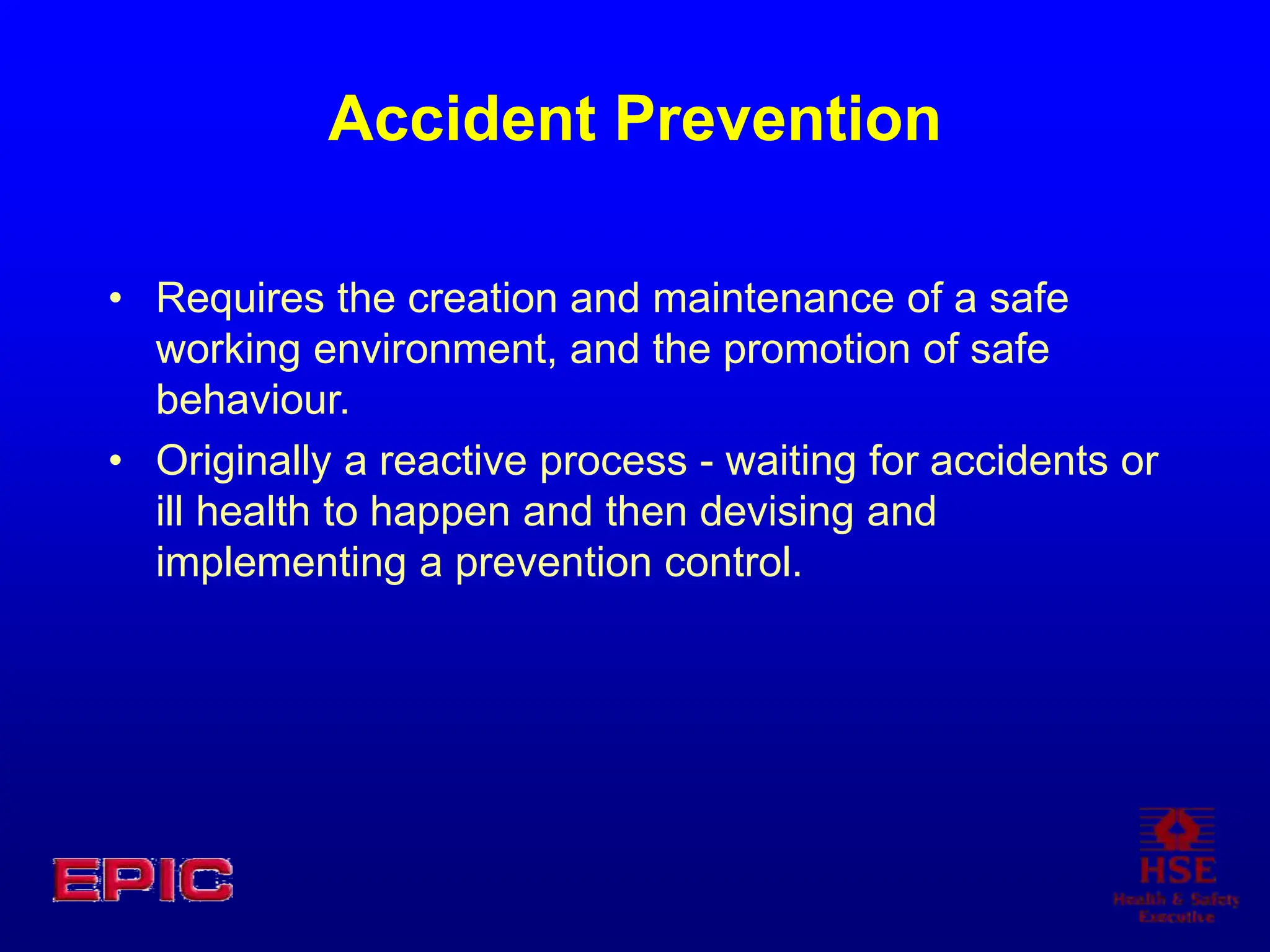
Accident prevention is a systematic approach to identifying, evaluating, and mitigating hazards to prevent injury, illness, or property damage. By integrating the Hierarchy of Controls with modern predictive technologies and a robust safety culture, individuals and organizations can transition from reactive incident management to proactive risk elimination, ensuring long-term operational resilience and personal well-being.
The Evolution of Accident Prevention Theory
Understanding why accidents happen is the first step toward preventing them. In 2026, the field of safety science has moved beyond simple linear models—like Heinrich’s 1931 Domino Theory—to more complex, systemic interpretations. While early models focused heavily on "unsafe acts" by individuals, modern safety professionals prioritize the "Swiss Cheese Model" of system failure. This theory suggests that multiple layers of protection (slices of cheese) exist within a system, but when the holes in these layers align due to latent conditions and active failures, an accident occurs.
In the current landscape, the "Safety II" philosophy has gained significant traction. Unlike traditional safety (Safety I), which focuses exclusively on what goes wrong, Safety II examines why things go right most of the time. By studying successful daily operations, safety managers can identify the adaptations and flexibilities that workers use to navigate hazards. This dual approach—preventing failure while reinforcing successful practice—forms the backbone of contemporary accident prevention.
Furthermore, behavioral safety has matured into "Human and Organizational Performance" (HOP). This framework acknowledges that human error is inevitable and that systems must be designed to be "error-tolerant." Instead of blaming an individual for a slip or lapse, accident prevention in 2026 focuses on building redundant systems that prevent an error from escalating into a catastrophic event.
Workplace Safety and the Hierarchy of Controls
The gold standard for accident prevention in industrial and corporate environments remains the Hierarchy of Controls. This framework prioritizes interventions based on their inherent reliability and effectiveness. Relying on human behavior is statistically less effective than physical changes to the environment.
1. Elimination and Substitution
The most effective way to prevent an accident is to remove the hazard entirely. If a process requires working at height, can the task be redesigned to be performed at ground level? If elimination is impossible, substitution involves replacing a high-risk material or process with one that is less hazardous. For instance, in 2026, many manufacturing facilities have substituted traditional solvent-based cleaning agents with biodegradable, non-toxic alternatives to eliminate chemical exposure risks.
2. Engineering Controls
Engineering controls involve isolating people from the hazard. These are physical changes to the workplace that do not rely on worker behavior. Examples include machine guarding, sound-dampening enclosures, and high-efficiency particulate air (HEPA) filtration systems. In modern logistics, automated guided vehicles (AGVs) equipped with proximity sensors represent a significant engineering control, as they physically prevent collisions without human intervention.
3. Administrative Controls and PPE
Administrative controls change the way people work through training, procedures, and scheduling. While necessary, they are less effective because they require consistent human compliance. Personal Protective Equipment (PPE) is considered the last line of defense. In 2026, PPE has become "smart," with wearable sensors that monitor heat stress or toxic gas levels, providing an extra layer of data-driven protection. However, PPE should only be used when higher-level controls are exhausted or during maintenance activities.
Implementing a Data-Driven Safety Management System (SMS)
A Safety Management System (SMS) provides a structured framework for managing safety risks. Most organizations now align their SMS with ISO 45001, the international standard for occupational health and safety. A successful SMS is not a static document but a continuous cycle of "Plan-Do-Check-Act."
- Hazard Identification: This involves proactive "Gemba walks" (workplace observations), job hazard analyses (JHA), and the use of digital reporting tools where employees can log near-misses instantly via mobile apps.
- Risk Assessment: Once a hazard is identified, it must be evaluated based on the likelihood of occurrence and the severity of potential consequences. This allows organizations to prioritize resources toward "High-Potential" (HiPo) events—those incidents that could have resulted in a fatality or permanent disability even if no injury occurred.
- Incident Investigation: When an accident does occur, the focus must be on finding the root cause rather than assigning blame. Root cause analysis (RCA) techniques, such as the "Five Whys" or Fishbone Diagrams, help identify systemic weaknesses in training, equipment maintenance, or management oversight.
The shift toward predictive analytics in 2026 has revolutionized the "Check" phase of the SMS. By analyzing years of incident data, machine learning algorithms can now identify "danger zones" or times of day when accidents are statistically more likely to occur, allowing for targeted safety interventions before an incident happens.
Road Safety and Defensive Driving in the Modern Era
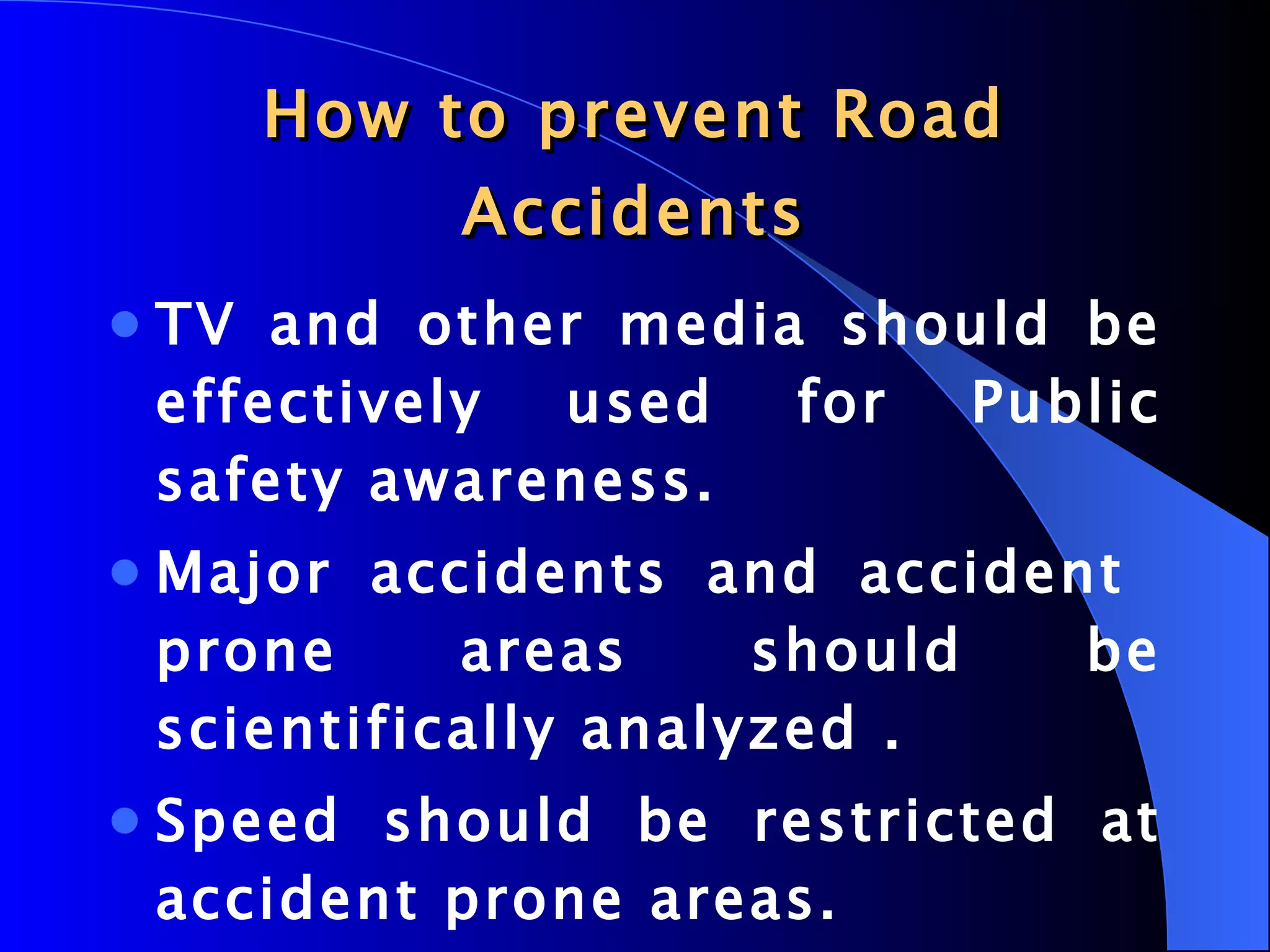
Accident prevention on the road remains a critical public health priority. While vehicle technology has advanced, human behavior remains the primary factor in over 90% of traffic collisions. Defensive driving—the practice of anticipating hazards and making informed decisions to mitigate risk—is the primary tool for prevention.
The integration of Advanced Driver Assistance Systems (ADAS) has reached a peak in 2026. Features such as automatic emergency braking (AEB), lane-keep assist, and blind-spot monitoring serve as vital engineering controls for the road. However, safety experts warn against "automation bias," where drivers become overly reliant on these systems and lose situational awareness.
To effectively prevent road accidents, the "Safe System" approach—promoted by the World Health Organization (WHO)—is essential. This approach recognizes that the human body has a limited tolerance for impact and that humans will inevitably make mistakes. Therefore, the road system must be designed with forgiving infrastructure, such as roundabouts (which reduce high-speed T-bone collisions) and energy-absorbing barriers.
| Control Level | Road Safety Example | Effectiveness | Implementation Difficulty |
|---|---|---|---|
| Elimination | Remote work / Reducing trips | Highest | Moderate (Policy-dependent) |
| Substitution | Rail transport instead of road | High | High (Infrastructure-heavy) |
| Engineering | Autonomous braking / Guardrails | Moderate-High | Moderate (Vehicle/Road cost) |
| Administrative | Speed limits / Training | Moderate-Low | Low (Enforcement-heavy) |
| PPE | Seatbelts / Helmets | Lowest (Mitigation) | Low (Individual-dependent) |
Preventing Accidents in the Home and Community
The home is often perceived as a safe haven, yet it is the site of a high volume of unintentional injuries, particularly among children and the elderly. Falls, poisonings, and fires are the leading causes of domestic accidents.
Falls Prevention: For aging populations, falls are a leading cause of loss of independence. Prevention strategies include environmental modifications such as removing trip hazards (rugs, clutter), improving lighting in hallways, and installing grab bars in bathrooms. In 2026, many homes utilize ambient sensing technology that can detect a fall and alert emergency services, but the primary goal remains preventing the fall through strength-and-balance exercises and proper footwear.
Fire and Chemical Safety: Modern home safety relies heavily on "smart" detection systems. Interconnected smoke and carbon monoxide detectors provide early warnings that are critical for evacuation. Additionally, the practice of "Safe Storage" for household chemicals and medications is a vital administrative control to prevent accidental poisonings.
Water Safety: Drowning remains a significant risk for toddlers. Prevention involves a "layers of protection" strategy: four-sided pool fencing with self-closing gates, constant adult supervision, and early water competency training. Relying on a single method—like "watching the child"—is a systemic failure point; multiple barriers must exist.
The Role of AI and Wearable Tech in 2026
As of 2026, Artificial Intelligence (AI) has shifted the focus of accident prevention from descriptive (what happened) to prescriptive (how to prevent it right now). In industrial settings, AI-powered computer vision monitors "red zones" around heavy machinery. If a worker enters a dangerous area without the correct PPE or while the machine is active, the system can automatically trigger an emergency stop (E-stop).
Wearable technology has also evolved beyond simple step counters. Workers in high-heat environments now wear patches that monitor core body temperature and hydration levels, sending alerts to supervisors before heat exhaustion sets in. Similarly, haptic feedback vests can warn warehouse workers if they are using improper lifting techniques, preventing long-term musculoskeletal disorders (MSDs) through real-time behavioral correction.
However, the "Human Element" remains the most critical component. Technology is a tool, not a replacement for a genuine commitment to safety. For these tools to be effective, there must be trust between the workforce and management regarding how data is used—focusing on protection rather than policing.
Frequently Asked Questions
What is the difference between an accident and an incident?
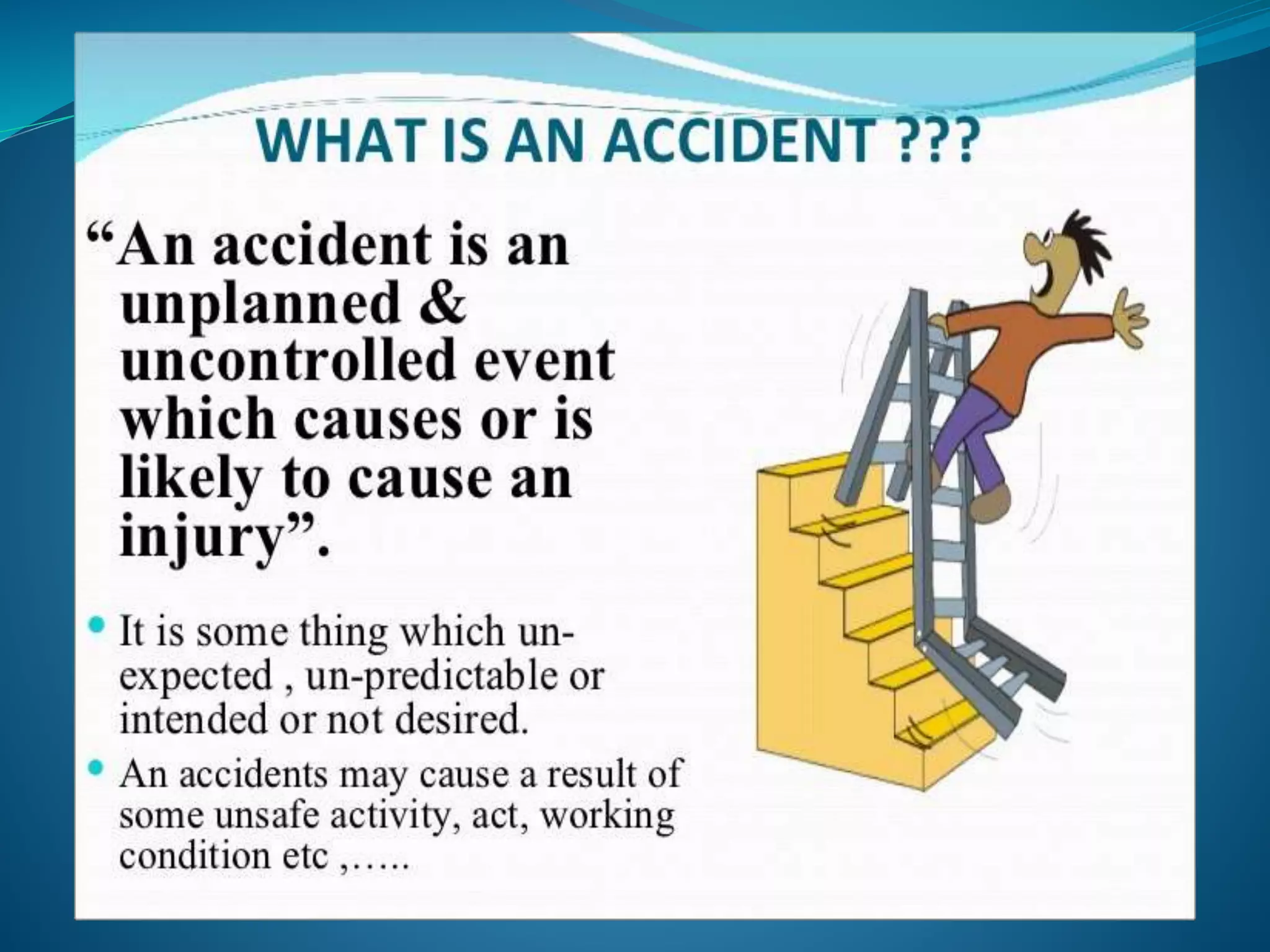
While the terms are often used interchangeably, an "incident" is the broader category, referring to any unplanned event that disrupted work or caused damage. An "accident" specifically implies that an injury or significant damage occurred. In 2026, many safety professionals prefer the term "incident" to emphasize that these events are not "accidental" or unavoidable, but are predictable outcomes of system failures.
Is it possible to achieve "Zero Accidents"?
The "Vision Zero" philosophy argues that no death or serious injury is acceptable. While achieving zero minor incidents in a complex system may be statistically improbable, the goal provides a moral framework for continuous improvement. Critics suggest focusing on "Zero Significant Injuries and Fatalities" (SIF) to ensure resources are targeted at the most life-altering risks rather than minor scrapes.
How does safety culture impact accident prevention?
Safety culture is the shared values and beliefs regarding safety within a group. A "Just Culture" is particularly effective; it encourages employees to report hazards and near-misses without fear of retribution. When workers trust that reporting a mistake will lead to system improvement rather than punishment, the organization gains the data necessary to prevent future accidents.
Why is a near-miss just as important as an actual accident?
A near-miss is a "free lesson." It provides all the data of an accident—what went wrong, which barriers failed—without the cost of an injury. Analyzing near-misses allows an organization to fix the "holes in the Swiss cheese" before an actual accident occurs. Ignoring near-misses is a leading indicator of a future major catastrophe.
How can small businesses implement accident prevention on a budget?
Small businesses should focus on the "low-hanging fruit" of administrative controls and basic engineering. This includes regular housekeeping to prevent slips and trips, ensuring all equipment is maintained according to manufacturer specifications, and providing clear, hands-on training for high-risk tasks. Utilizing free resources from organizations like OSHA or the National Safety Council (NSC) can provide templates and guidance without high consultancy fees.
Practical Next Action: The 360-Degree Hazard Audit
To move from theory to action, conduct a "360-Degree Hazard Audit" of your immediate environment—whether that is a job site, office, or home. Start by documenting every task performed in a typical day and identifying the primary hazards associated with each. Apply the Hierarchy of Controls to each hazard: Can you eliminate it? Can you guard it? Only after those questions are answered should you look at training or PPE. Review your findings with a peer or safety professional to catch blind spots, and set a specific deadline for implementing the most critical controls.