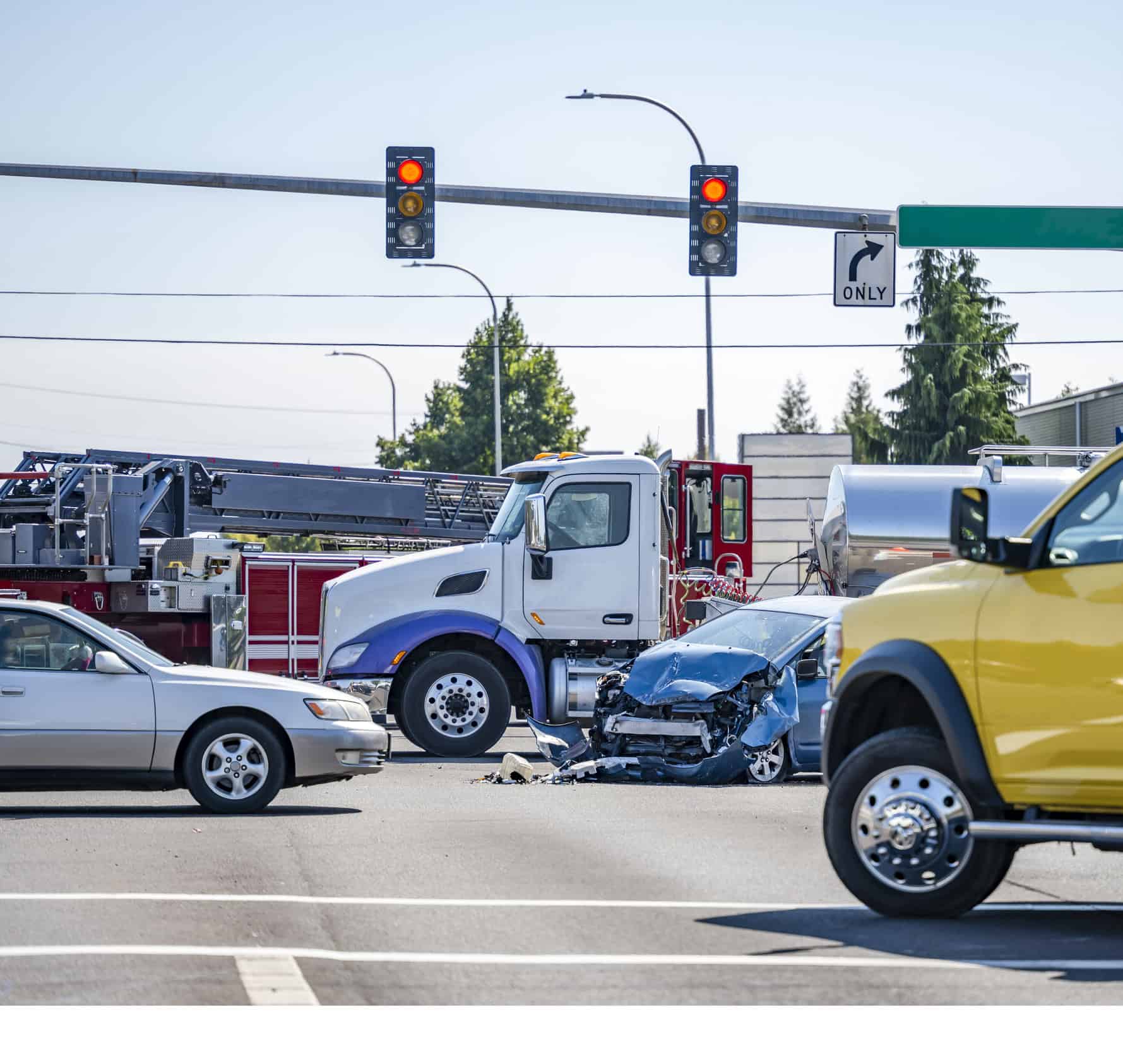
Seeking accident legal assistance involves engaging the judicial and insurance systems to recover losses resulting from negligence. This process requires proving liability, documenting physical and financial damages, and negotiating with insurers or litigating in court to secure a settlement or verdict that covers medical expenses, lost wages, and emotional distress.
Navigating the aftermath of a motor vehicle collision, slip and fall, or workplace mishap requires more than just filing an insurance claim. In 2026, the landscape of accident legal services has become increasingly complex, influenced by evolving state statutes, the integration of AI-driven insurance adjustment tools, and shifting standards for proving liability. Understanding the fundamental components of personal injury law is the first step toward ensuring that victims are not left bearing the financial burden of someone else's mistake.
Understanding Your Legal Rights After an Accident
The foundation of any accident legal matter is the principle of tort law, which seeks to provide relief to injured parties for harms caused by others. When an individual is harmed due to the negligence of another party, they possess the right to seek "compensatory damages." These are intended to make the victim "whole" again, at least in a financial sense.
However, exercising these rights is contingent upon establishing several legal elements. First, the plaintiff must demonstrate that the defendant owed them a duty of care. For example, every driver has a duty to operate their vehicle safely and obey traffic laws. Second, there must be a breach of duty, such as speeding or distracted driving. Third, this breach must be the proximate cause of the injury. Finally, there must be actual damages incurred, such as medical bills or property damage.
In 2026, the interpretation of "duty of care" has expanded in some jurisdictions to include the responsibility of companies regarding semi-autonomous driving features and digital distractions. If you are involved in an accident, your legal standing depends heavily on how clearly these four elements can be documented and presented to an insurance adjuster or a jury.
The Essential Sequence of Post-Accident Documentation
The success of an accident legal claim is often determined in the minutes and days immediately following the event. Documentation serves as the evidentiary bedrock for any future litigation or settlement negotiation. Without a robust paper trail, even the most legitimate claims can be denied by sophisticated insurance algorithms.
- Immediate Scene Preservation: If safety permits, taking high-resolution photographs and videos of the scene is mandatory. In 2026, this includes capturing not just the vehicle damage, but also road conditions, traffic signals, and any relevant signage.
- Official Accident Reports: Always contact law enforcement to generate an official report. Even in "minor" incidents, a police report provides an unbiased third-party account that carries significant weight in legal proceedings.
- Medical Evaluation: Even if injuries seem non-existent, a medical evaluation is a legal necessity. Internal injuries or soft-tissue damage may not manifest immediately. Under the "eggshell skull" doctrine, a defendant is liable for all damages caused, regardless of the victim's prior health, but proving that an injury was caused by the accident requires a contemporaneous medical record.
- Witness Statements: Collect contact information from bystanders. Independent witness testimony is often the deciding factor when liability is disputed between two parties.
Deciphering Liability: How Fault is Determined
Liability is rarely a binary "all or nothing" equation. Most states in the U.S. operate under some form of comparative negligence. This legal doctrine acknowledges that multiple parties may share responsibility for an accident.
Under a pure comparative negligence system, a victim can recover damages even if they were 99% at fault, though their award is reduced by their percentage of blame. Conversely, many states utilize a modified comparative negligence rule (often a 50% or 51% bar). In these jurisdictions, if a claimant is found to be more than 50% or 51% responsible for the accident, they are barred from recovering any compensation whatsoever.
Determining fault involves a deep dive into "black box" data from vehicles, dashcam footage, and increasingly, telematics data provided by smartphones or insurance-linked devices. Accident legal experts often hire "accident reconstructionists" to analyze these data points and provide expert testimony on vehicle speeds, braking patterns, and points of impact.
Calculating Compensatory Damages: Economic vs. Non-Economic Losses
The valuation of an accident claim is divided into two primary categories: economic and non-economic damages. Accurately calculating these is vital, as once a settlement is signed, the claimant usually waives the right to seek further compensation for that specific incident.
| Damage Category | Examples | Documentation Required |
|---|---|---|
| Economic Damages | Medical bills, lost wages, future rehabilitation, property repair. | Invoices, pay stubs, W-2s, medical expert testimony. |
| Non-Economic Damages | Pain and suffering, emotional distress, loss of consortium, scarring. | Personal journals, psychiatric evaluations, "Day in the Life" videos. |
| Punitive Damages | Awarded to punish "gross negligence" or intentional harm. | Evidence of extreme recklessness (e.g., extreme DUI). |
Economic damages are relatively straightforward to calculate based on tangible costs. However, non-economic damages are more subjective. Insurance companies often use a "multiplier" method—multiplying the economic damages by a number between 1.5 and 5—to estimate pain and suffering. Legal counsel is essential here to argue for a higher multiplier based on the long-term lifestyle impact of the injuries.
The Role of Legal Representation and the Contingency Fee Model
One of the most significant barriers to accessing the legal system is the perceived cost. However, most "accident legal" professionals operate on a contingency fee basis. This means the attorney is only paid if they successfully recover money for the client.
The standard contingency fee in 2026 typically ranges from 33.3% to 40% of the final settlement or court award. This model aligns the interests of the lawyer and the client; the more the client recovers, the more the lawyer earns. It also allows victims who may be facing financial ruin due to medical bills to secure high-quality legal representation without paying upfront hourly rates.
Beyond the financial aspect, a lawyer manages the "statute of limitations"—the legal deadline for filing a lawsuit. If this deadline passes, the victim's right to sue is permanently lost. Attorneys also handle all communication with insurance adjusters, who are trained to elicit statements that might inadvertently damage a victim's claim.
Navigating the Statute of Limitations and Filing Deadlines
The statute of limitations varies significantly by jurisdiction and the type of accident. For most personal injury cases, the window to file a lawsuit is between two and four years from the date of the accident. However, some states have much shorter windows, especially for claims against government entities (which may require a "notice of claim" within as little as 90 days).
Failing to understand these deadlines is a common pitfall in accident legal matters. In 2026, courts are increasingly strict regarding these timelines, rarely granting "tolling" (pausing) of the statute unless the victim was a minor or mentally incapacitated at the time of the event. Early consultation with a legal professional ensures that all procedural requirements are met, preserving the victim's right to a day in court.
Frequently Asked Questions About Accident Legal Matters
Should I speak to the other driver's insurance adjuster?
No, you should avoid giving any recorded statements to the other party's insurance company without your attorney present. Adjusters are professionals trained to look for inconsistencies or admissions of fault that can be used to devalue or deny your claim. Simply refer them to your legal counsel or your own insurance representative.
What if the accident was partially my fault?
You may still be eligible for compensation. As long as your percentage of fault does not exceed your state’s specific threshold (usually 50% or 51%), you can recover damages. However, your total compensation will be reduced by your percentage of responsibility. For example, if your damages are $100,000 and you are 20% at fault, you would receive $80,000.
How long does an accident legal case usually take?
The duration of a case varies from a few months to several years. Simple cases where liability is clear may settle quickly. However, cases involving severe injuries, disputed liability, or large corporate defendants often go to litigation, which involves a lengthy discovery process and trial scheduling. Most cases settle before reaching trial, but preparing for trial is often the best way to secure a fair settlement.
What is the "Discovery" phase of a lawsuit?
Discovery is the formal process where both parties exchange information and evidence. This includes "interrogatories" (written questions), "requests for production" (gathering documents like medical records and emails), and "depositions" (sworn out-of-court testimony). Discovery allows both sides to evaluate the strength of the case, which often leads to settlement negotiations.
Can I fire my accident lawyer if I am unhappy?
Yes, clients generally have the right to change legal counsel at any time. However, you should review your initial fee agreement. If you switch lawyers, your previous attorney may be entitled to a "lien" on your eventual settlement to cover the work they have already performed, which would be paid out of the final contingency fee.
Strategy for Securing Your Legal Future
The path to recovery after an accident is both physical and legal. To protect your interests, the most critical next step is to avoid making any formal statements or signing "release of liability" forms provided by insurance companies until you have consulted with a qualified professional.
Prioritize your medical treatment, as "gap in treatment" is a common reason for claim denial. By maintaining a detailed record of your recovery, following your physician’s orders, and securing experienced legal counsel, you position yourself to navigate the complexities of the 2026 legal landscape effectively. Whether through a negotiated settlement or a court verdict, the goal is to ensure that the financial consequences of the accident do not dictate your long-term quality of life.