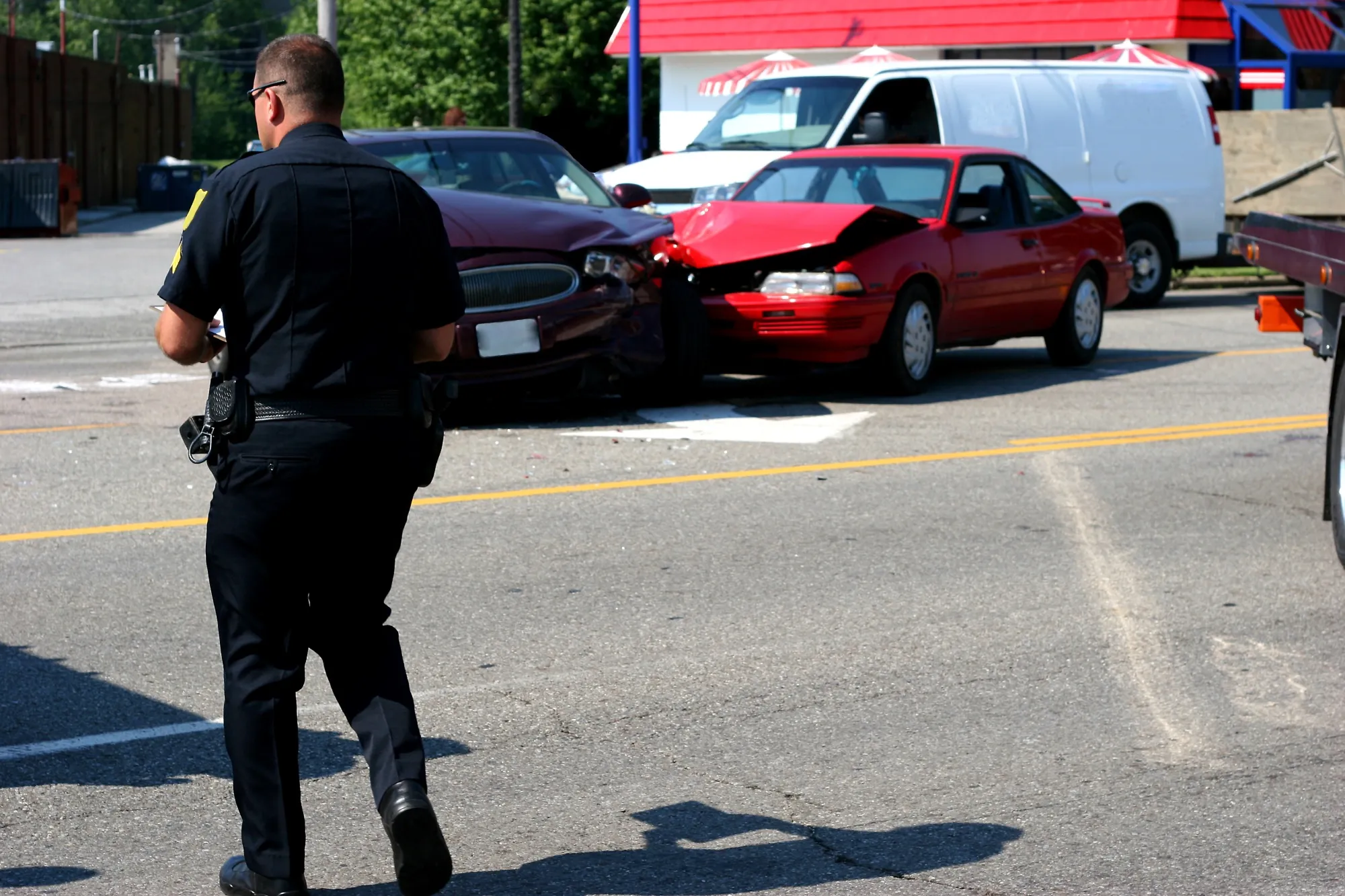
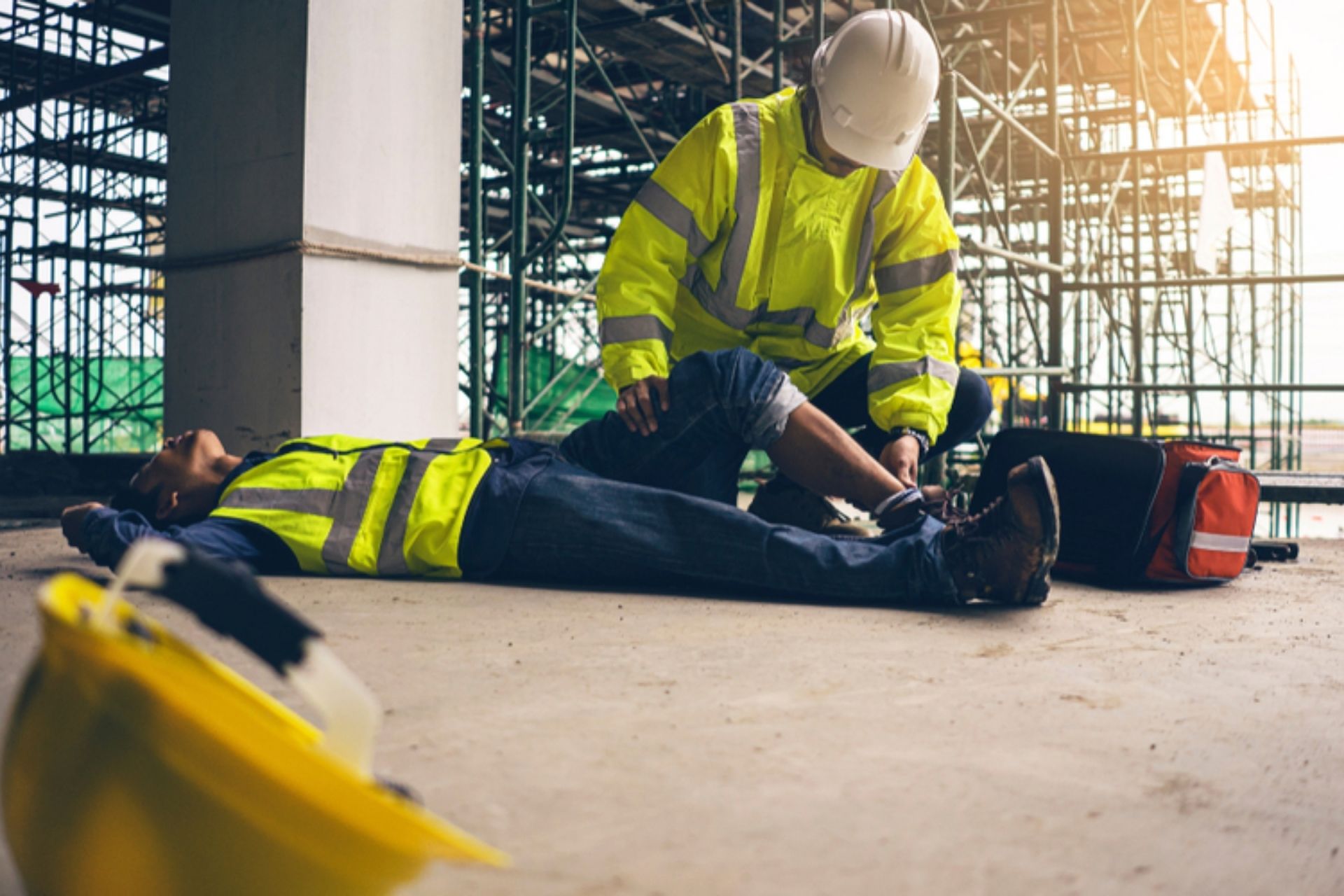
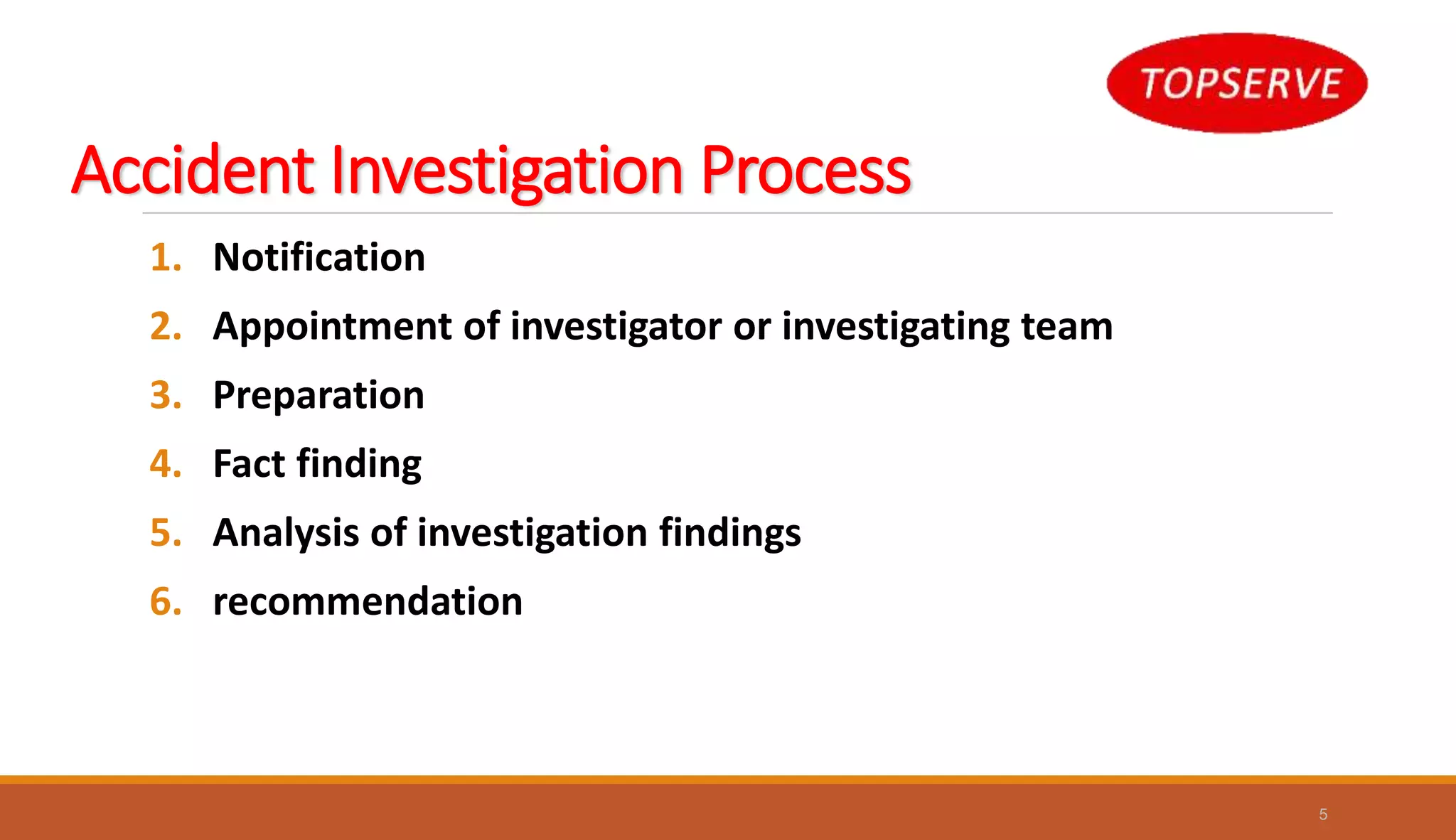
Accident investigations are systematic, multi-layered processes designed to identify the root causes of unplanned events to prevent their recurrence. Rather than merely assigning blame, a professional investigation evaluates physical evidence, human factors, and organizational systems to uncover why safety barriers failed. This process is essential for regulatory compliance, risk mitigation, and continuous improvement in high-risk environments.
The Fundamental Purpose of Accident Investigations
The primary objective of any accident investigation is the prevention of future incidents. While many organizations initially react to accidents by looking for a "guilty party," modern safety science—including the frameworks utilized in 2026—emphasizes a systemic approach. When an investigation focuses solely on individual error, it often misses the underlying procedural or mechanical flaws that allowed that error to occur.
Effective investigations serve three critical functions:
- Fact-Finding: Establishing a reliable chronology of events based on empirical evidence rather than hearsay or assumptions.
- Risk Management: Identifying previously unrecognized hazards or the failure of existing control measures.
- Legal and Regulatory Compliance: Satisfying the requirements of governing bodies such as the Occupational Safety and Health Administration (OSHA) or the National Transportation Safety Board (NTSB).
By treating every "near miss" or minor incident with the same analytical rigor as a major catastrophe, organizations can build a proactive safety culture. This shift from reactive to proactive investigation is a hallmark of high-reliability organizations (HROs) that maintain low accident rates despite operating in complex, hazardous environments.
Legal and Regulatory Frameworks for 2026
Accident investigations are not merely internal corporate exercises; they are strictly governed by national and international laws. In the United States, OSHA remains the primary regulator for workplace safety, requiring employers to report specific incidents within tight timeframes. As of 2026, the digital reporting requirements have become more integrated, requiring organizations to maintain electronic logs that can be audited during post-accident inspections.
Key regulatory bodies and their roles include:
- OSHA (Occupational Safety and Health Administration): Focuses on workplace fatalities and hospitalizations. They enforce the General Duty Clause, which requires employers to provide a workplace free from recognized hazards.
- NTSB (National Transportation Safety Board): An independent agency that investigates every civil aviation accident in the U.S. and significant accidents in other modes of transportation. Their "Party System" allows technical experts from involved companies to assist, though the NTSB maintains control over the findings.
- CSB (Chemical Safety Board): Investigates industrial chemical accidents. Unlike other agencies, the CSB does not issue fines or citations but focuses on safety recommendations for industry and regulatory bodies.
Failure to conduct a thorough investigation or tampering with a scene can lead to significant legal exposure. Under current 2026 standards, "willful violations" carry substantial financial penalties and, in cases of extreme negligence, criminal liability for corporate officers.
The Step-by-Step Investigation Process
A structured approach ensures that no data point is overlooked. A typical high-level investigation follows a four-phase model: immediate response, evidence collection, analysis, and corrective action.
Phase 1: Immediate Response and Scene Preservation
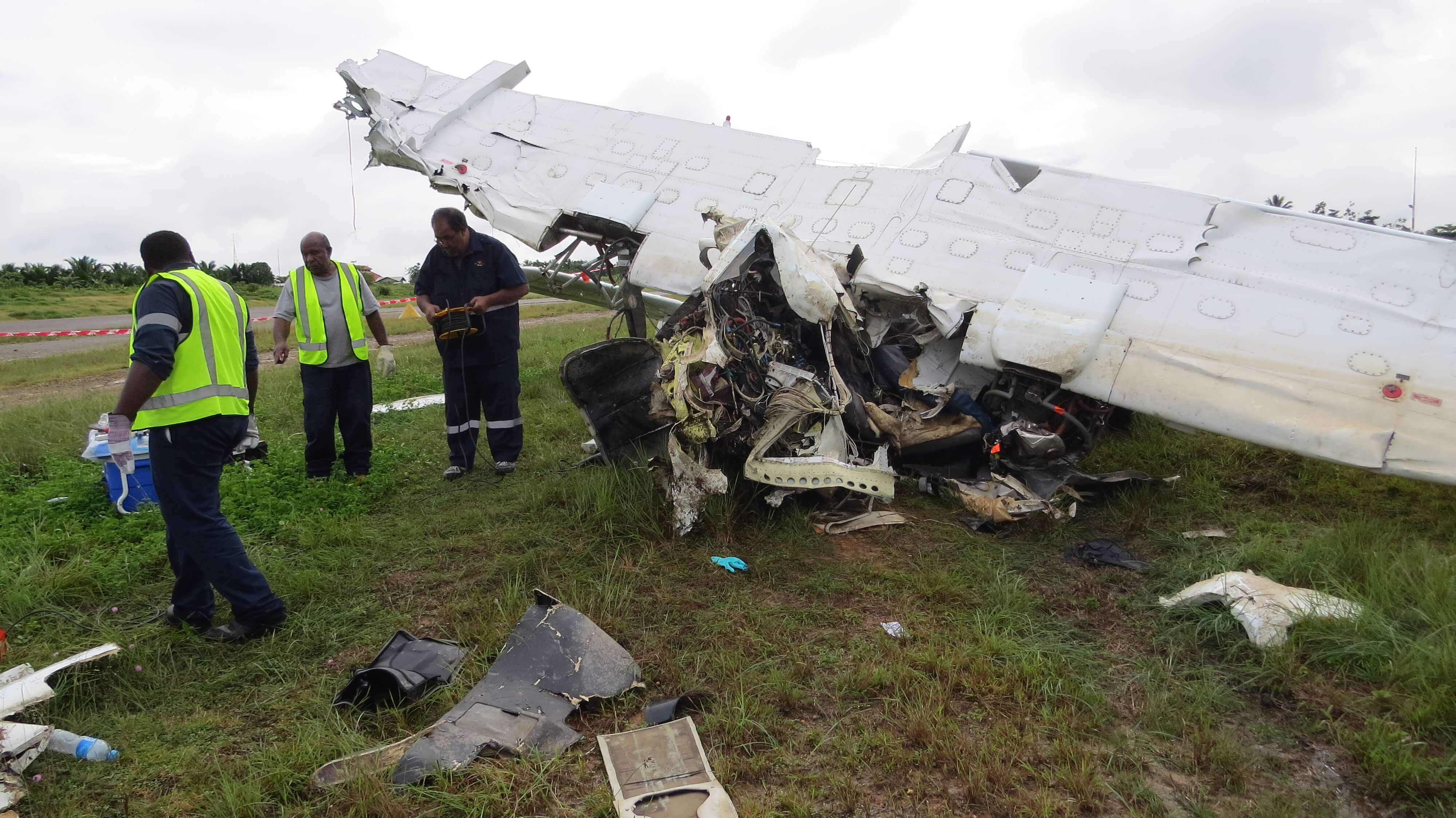
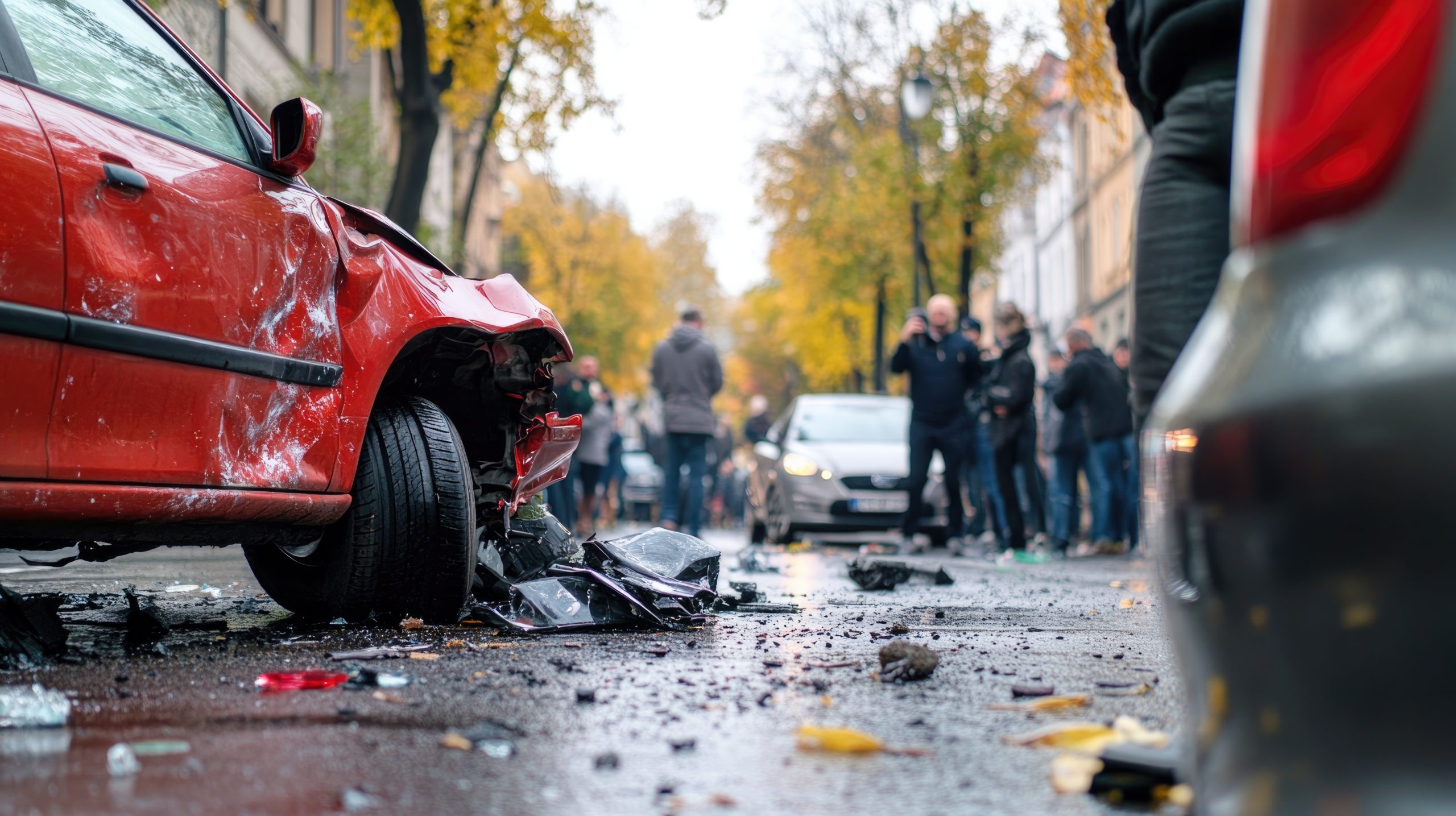
The first hour following an accident is critical. The primary goal is to provide medical aid and secure the scene to prevent secondary accidents. Once the area is safe, the investigator must "freeze" the scene. This involves cordoning off the area and ensuring that equipment, tools, and debris are not moved. In 2026, many investigators use portable LiDAR scanners or high-resolution drones to create a "digital twin" of the scene before anything is disturbed.
Phase 2: Evidence Collection
Evidence is generally categorized into four types: Physical (parts, tools, PPE), Paperwork (training logs, maintenance records, permits), People (witness statements, CCTV footage), and Position (the location of objects relative to one another).
Interviewing witnesses requires a specialized technique known as "cognitive interviewing." This avoids leading questions and encourages the witness to reconstruct the environment in their mind to improve memory recall. It is vital to conduct these interviews as soon as possible, as memory begins to degrade or "socialize"—where witnesses unintentionally align their stories—within hours of the event.
Phase 3: Root Cause Analysis (RCA)
Once the "what" is established, the investigator must determine the "why." Analysis moves from immediate causes (the spark that caused the fire) to root causes (the lack of a preventative maintenance program that allowed a gas leak to persist). Without identifying the root cause, any fix applied will only be temporary.
Phase 4: Reporting and Corrective Actions
The final report must be a factual document that links evidence to conclusions. It should culminate in SMART (Specific, Measurable, Achievable, Relevant, Time-bound) recommendations. In 2026, these reports are often shared across industry safety networks to ensure that a lesson learned at one facility prevents an accident at another.
Root Cause Analysis Methodologies
There are several established methodologies for conducting RCA. The choice of method often depends on the complexity of the accident.
| Methodology | Primary Use Case | Description |
|---|---|---|
| The 5 Whys | Simple to moderate incidents | A linear technique that involves asking "Why?" repeatedly (usually five times) until the systemic failure is identified. |
| Fishbone (Ishikawa) | Complex, multi-factor events | Categorizes causes into branches like Manpower, Methods, Machines, Materials, and Environment to see how they interact. |
| Swiss Cheese Model | Organizational/Systemic failure | Analyzes how multiple layers of defense (barriers) were breached simultaneously, focusing on "latent conditions" versus "active failures." |
| SCAT (Systemic Cause Analysis Technique) | Industrial and high-risk sectors | Uses a pre-defined chart to link descriptions of the accident to direct causes, basic causes, and failures in management control. |
The Swiss Cheese Model, developed by James Reason, remains the gold standard in 2026 for understanding complex catastrophes. It posits that safety systems are like slices of Swiss cheese; while each has holes (weaknesses), an accident only occurs when the holes in all slices align, creating a trajectory for a hazard to reach a victim.
Essential Tools and Technologies for Modern Investigators
The investigator's toolkit has evolved significantly. While the traditional camera and notebook are still essential, 2026 technology has introduced higher levels of precision.
- AI-Driven Analytics: Software can now process thousands of hours of telemetry data from industrial IoT (Internet of Things) sensors to identify anomalies that occurred in the seconds leading up to a mechanical failure.
- 3D Laser Scanning: Devices like FARO scanners allow investigators to capture millions of data points, creating a 3D model of a crash site or collapsed structure that can be analyzed months after the site has been cleared.
- Wearable Tech Data: In some jurisdictions, data from worker wearables (heart rate, fatigue monitors) is used to analyze the human factors involved in an accident, providing objective data on worker stress or exhaustion levels.
- Virtual Reality (VR) Reconstruction: Investigators can "walk through" an accident scene in a VR environment to test different theories of movement or line-of-sight issues that may have contributed to a collision or fall.
Common Challenges and Pitfalls in Investigations
Even the most experienced investigators face hurdles that can bias the outcome of a report. Recognizing these pitfalls is the first step toward avoiding them.
- Confirmation Bias: The tendency for an investigator to look for evidence that supports their initial theory while ignoring contradictory data. To counter this, many organizations use "Red Teaming," where a separate group attempts to poke holes in the lead investigator’s logic.
- Hindsight Bias: The inclination to see an event as having been predictable after it has occurred. This leads to the unfair conclusion that the victim "should have known better," ignoring the complex, real-time pressures the individual was facing.
- The "Blame the Worker" Trap: It is easier and cheaper to blame a worker for not following a rule than it is to redesign a faulty machine or overhaul a production schedule. However, if the system is flawed, the next worker will likely make the same mistake.
- Lack of Psychological Safety: If employees fear that telling the truth will lead to termination or discipline, they will withhold information. Investigations are most successful in environments where "Just Culture" is practiced—distinguishing between honest mistakes and willful negligence.
FAQ
How long does a typical accident investigation take?
The duration depends on complexity. A minor workplace injury might be resolved in 48 to 72 hours. However, major transportation or industrial disasters investigated by agencies like the NTSB or CSB can take 12 to 24 months to reach a final, verified conclusion due to the need for metallurgical testing, flight simulation, or chemical modeling.
Who should be on an accident investigation team?
A balanced team usually includes a safety professional, a supervisor from the affected area, a technical expert (engineer or mechanic), and an employee representative or union steward. This diversity of perspectives ensures that both management pressures and practical "on-the-ground" realities are considered.
What is the difference between a direct cause and a root cause?
A direct cause is the immediate action or event that triggered the accident (e.g., a worker slipped on oil). The root cause is the underlying systemic reason that allowed that condition to exist (e.g., a lack of a preventative maintenance schedule for a leaking machine).
Is an accident investigation report legally privileged?
In many cases, no. While certain internal "attorney-client privilege" protections can sometimes be applied to legal counsel's work, standard safety investigation reports are often discoverable in civil lawsuits. It is critical to stick to factual evidence and avoid speculative language that could be misinterpreted in court.
How often should investigation procedures be reviewed?
Organizations should review their investigation protocols at least annually or after any major incident. This ensures that new technologies are integrated and that the process remains compliant with the latest ISO 45001 occupational health and safety standards.
Next Actions for Safety Professionals
To improve the quality of your organization’s accident investigations, transition from a "who" focus to a "what" and "how" focus. Begin by reviewing your current incident report forms; if they do not have a dedicated section for Root Cause Analysis (RCA), they are likely only capturing surface-level data.
Invest in training for your lead investigators specifically in the areas of Human Factors and Ergonomics (HFE) and interviewing techniques. Additionally, ensure that your 2026 safety budget accounts for scene-documentation technology, such as 360-degree cameras or drone services, which provide an immutable record of the environment. Finally, establish a transparent feedback loop where the results of every investigation are shared with the workforce to demonstrate that their safety is a systemic priority, not just a matter of compliance.