As of mid-2026, Half Moon Cay remains a safe and highly regulated private destination for Holland America and Carnival Cruise Line passengers. While no major mass-casualty accidents have been reported today, travelers should remain aware of standard maritime safety protocols, weather-related tender cancellations, and local first-aid procedures for common excursion-related minor injuries.
Understanding Safety Protocols on Half Moon Cay
Half Moon Cay, also known as Little San Salvador Island, is a premier private island destination in the Bahamas. Because the island is strictly managed by Carnival Corporation, safety protocols are significantly more centralized than on public Bahamian beaches. In 2026, the safety infrastructure has been further modernized to include enhanced weather monitoring systems and upgraded medical response units located near the main Welcome Center.
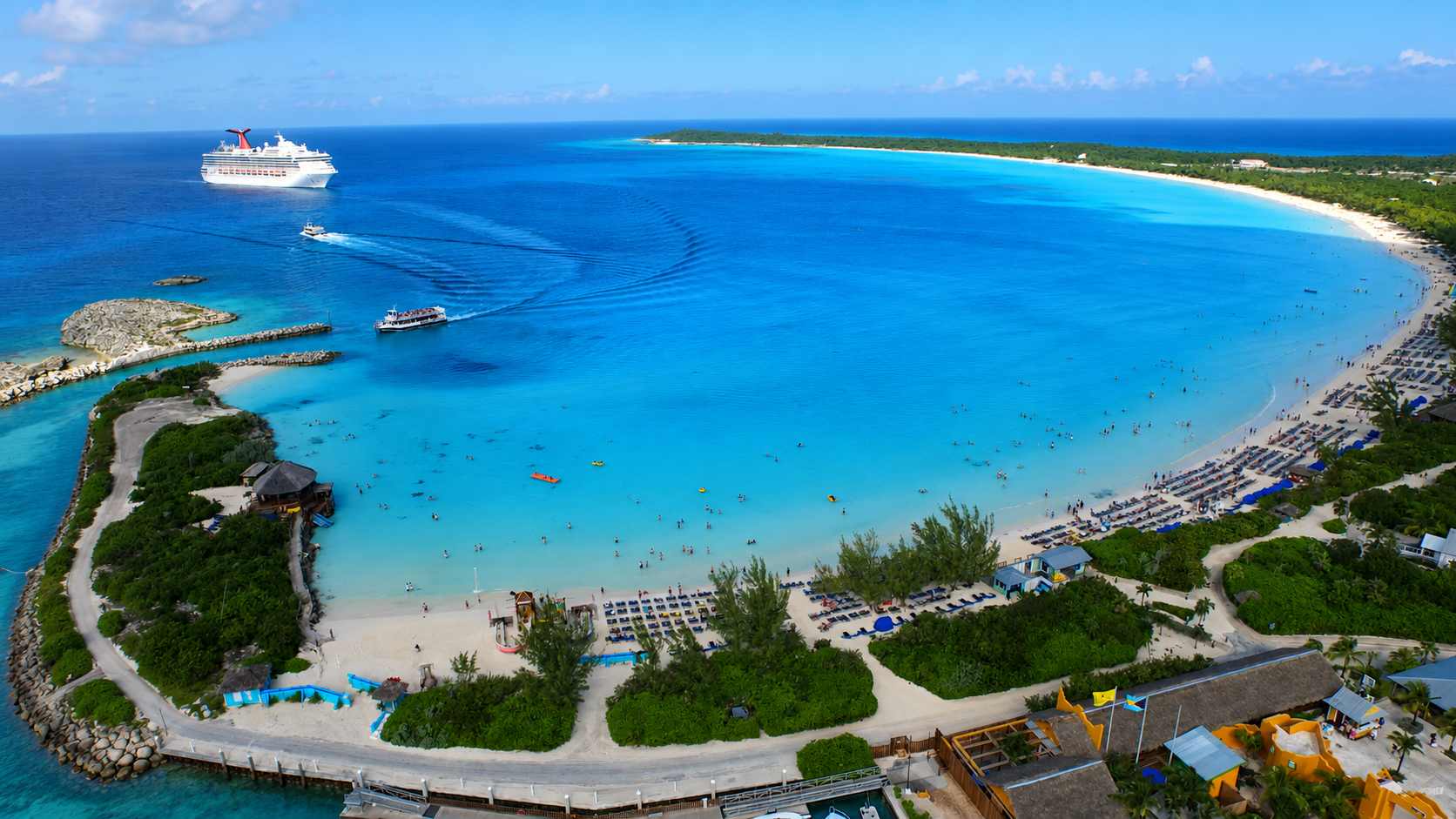
The primary safety concern on the island involves the transition from the cruise ship to the shore. Half Moon Cay is a "tender port," meaning ships anchor offshore and transport guests via smaller boats. These tender operations are the most frequent site of minor incidents, such as trips or falls, particularly when sea swells increase. The cruise lines employ strict "Go/No-Go" parameters based on wave height and wind speed. If an accident or safety risk is identified today, the most likely outcome is a suspension of tender service to ensure guest security.
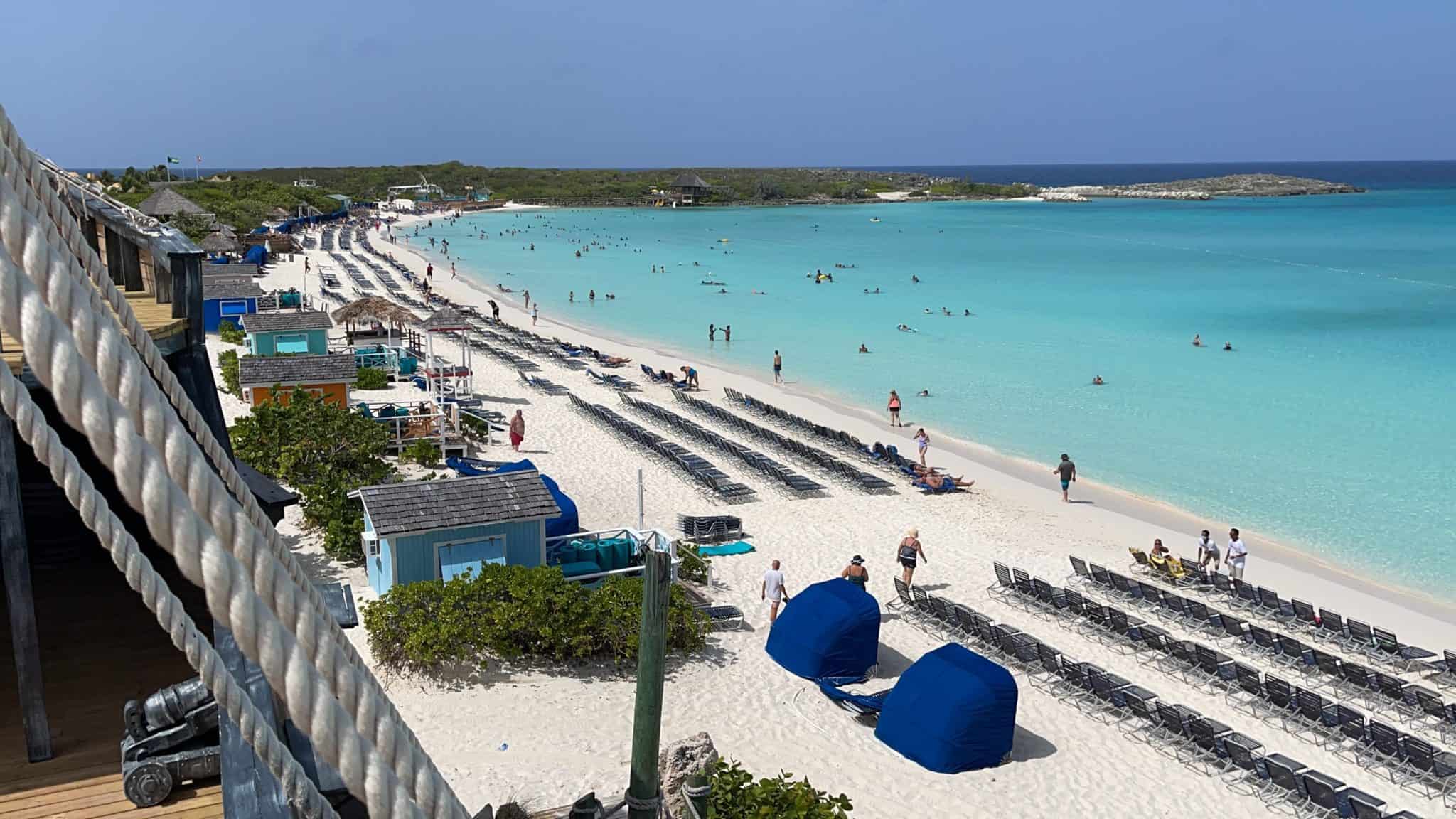
Beyond the shoreline, the island’s interior and beach areas are patrolled by dedicated safety personnel. These teams are trained in Basic Life Support (BLS) and are equipped to handle the most common issues: heat exhaustion, minor lacerations from coral, and stings from marine life. The island's 2026 safety guidelines mandate a specific ratio of lifeguards to swimmers, particularly in the high-density areas near the Pirate Ship Bar and the main snorkeling lagoon.
Recent Incident History and Maritime Response Capabilities
To understand the current safety landscape, it is essential to review the historical context of maritime incidents in the region. Historically, accidents on Half Moon Cay have been isolated and usually linked to shore excursions rather than systemic failures. For instance, horseback riding and personal watercraft (jet ski) tours have occasionally seen minor accidents involving falls or collisions.
In response to past incidents, the 2026 safety audit for Bahamian private islands has led to the implementation of "Pre-Activity Safety Briefings" that are now mandatory for all high-energy excursions. These briefings include a physical assessment of the equipment and a verbal confirmation of the participant's fitness level. If an accident were to occur today, the island's emergency response plan (ERP) triggers an immediate communication link between the island's medic station and the cruise ship's state-of-the-art medical center.
The maritime response also includes coordination with the Royal Bahamas Defence Force (RBDF) for serious emergencies. While the island is private, it falls under Bahamian jurisdiction. Any significant "accident today" would involve a formal report to the Bahamas Maritime Authority and potentially the U.S. Coast Guard, depending on the registry of the vessel involved and the nature of the incident.
Water Safety and Marine Life Management
The crescent-shaped beach of Half Moon Cay is famous for its calm, shallow waters, but water safety remains the top priority for the safety teams. Most water-related incidents reported by travelers involve "sea itch" (larval jellyfish), minor stings from jellyfish, or scrapes against fire coral.
In 2026, the island utilizes a color-coded flag system similar to international beach standards:
- Green Flag: Low hazard; calm conditions.
- Yellow Flag: Medium hazard; moderate surf or currents; exercise caution.
- Red Flag: High hazard; rough conditions; swimming is discouraged or prohibited.
- Purple Flag: Presence of hazardous marine life (jellyfish or stingrays).
Snorkeling safety is managed through designated zones. The "Stingray Adventure" area is a controlled environment where handlers ensure both guest and animal safety. Accidents in these areas are extremely rare due to the controlled nature of the interaction, but guests are always advised to follow the "Stingray Shuffle" to avoid stepping on buried rays. For those snorkeling independently, the primary risk is dehydration and overexertion. Safety staff frequently monitor the lagoon via elevated stands and, in 2026, utilize drone-assisted surveillance to identify swimmers in distress more rapidly than traditional methods allow.
Medical Infrastructure and Emergency Evacuation Procedures
Half Moon Cay is equipped with a modern first-aid station capable of stabilizing patients before they are moved back to the ship. It is important for travelers to realize that while the island feels like a resort, it is a remote location. For severe medical accidents occurring today, such as cardiac events or major trauma, the procedure is an immediate "medevac" (medical evacuation).
The evacuation process typically follows these steps:
- Initial Stabilization: The island's medical team provides immediate care.
- Shipboard Transfer: The patient is prioritized for tender transport back to the cruise ship, which possesses advanced surgical and ICU-level equipment.
- Air Evacuation: If the ship’s medical team determines the patient needs shore-side hospitalization, a helicopter evacuation to Nassau or South Florida is coordinated.
Travelers should ensure they have comprehensive travel insurance that covers "emergency medical evacuation" by air. In 2026, the cost of a private helicopter evac from the Bahamas to the United States can exceed $30,000. Without proper insurance, the financial impact of an accident can be as devastating as the injury itself.
Comparative Safety Overview for Half Moon Cay Excursions
The following table outlines the risk levels and safety requirements for the most popular activities on Half Moon Cay as of 2026.
| Activity | Risk Level | Primary Safety Gear | Supervision Type |
|---|---|---|---|
| Tender Transport | Moderate | Life Jackets (available), Handrails | Crew-assisted boarding |
| Horseback Riding | Moderate | Helmets (Mandatory), Closed-toe shoes | Guided by professional wranglers |
| Snorkeling | Low to Moderate | Snorkel Vest (Mandatory), Fins | Lifeguard-monitored zones |
| Jet Ski / Wave Runner | High | PFD (Life Jacket), Kill-switch lanyard | Guided tour with safety lead |
| Glass Bottom Boat | Low | Life Jackets (stowed) | Captain and deckhands |
| Nature Hiking | Low | Water, Sun protection | Self-guided or guided options |
Navigating the Island: Transportation and Accessibility Safety
Half Moon Cay has made significant strides in accessibility safety by 2026. The island features a tram system that transports guests from the Welcome Center to various points like the Food Pavilion and the beach villas. Accidents involving these trams are rare and usually involve passengers attempting to board or exit while the vehicle is in motion.
For guests with mobility issues, "beach wheelchairs" with oversized tires are available. The safety concern here involves the soft sand, which can be difficult to navigate even with specialized equipment. Caregivers are encouraged to use the paved paths as much as possible to avoid tipping or getting stuck.
Furthermore, the heat in the Bahamas can be an invisible safety hazard. Temperatures in 2026 continue to trend higher, making heatstroke a legitimate concern for those walking the island’s trails. There are numerous "Cooling Stations" and water fountains located throughout the developed areas. Staying hydrated is the most effective way to prevent the "fainting accidents" that safety teams see most frequently during the peak afternoon hours.
How to Verify Real-Time Incident Reports
If you are currently on a cruise or planning to visit and hear rumors of an "accident on Half Moon Cay today," it is vital to use verified channels for information. Social media can often exaggerate minor incidents into major crises.
To get the latest, accurate updates:
- The Navigator App: For Holland America and Carnival guests, the ship’s proprietary app will push notifications regarding port changes, safety alerts, or tender delays.
- Guest Services Desk: This is the primary source of official information regarding any incidents on shore.
- The Captain’s Announcements: For any event affecting the safety of the entire guest population, the Captain will make ship-wide public address announcements.
- Official Maritime Port Authorities: You can check the Bahamas Port Authority for official notices regarding maritime safety in Bahamian waters.
- U.S. Department of State: For broader safety concerns in the Bahamas, refer to the Travel Advisory page.
FAQ: Common Safety Concerns on Half Moon Cay
Are there sharks at Half Moon Cay?
Yes, like all Bahamian waters, sharks are present in the ocean surrounding the island, but incidents are extremely rare. The most common species are Nurse sharks and Lemon sharks, which are generally non-aggressive toward humans. The swimming areas are monitored, and the presence of many people typically keeps larger sharks away from the shore.
What should I do if I am injured on the island?
Immediately report any injury, no matter how small, to the nearest staff member or lifeguard. They will direct you to the First Aid Station near the Welcome Center. For more serious injuries, they will radio for the emergency response team to bring a transport vehicle to your location.
Does travel insurance cover accidents on private islands?
Standard travel insurance typically covers medical expenses and evacuations occurring on private islands, provided the policy includes international medical coverage. Always verify that your policy does not exclude "high-risk" activities like jet skiing or horseback riding if you plan to participate in those excursions.
Can the cruise ship leave if I am in the island medical center?
The cruise ship will not depart if a passenger is undergoing emergency stabilization on the island until a plan for their care or transfer is finalized. The ship’s medical team and the shore-side team remain in constant contact to ensure no guest is left behind without medical supervision.
Is the water safe to drink on Half Moon Cay?
Yes, the water provided at the Food Pavilion and at the various bars and water stations is desalinated and treated to meet international safety standards. It is safe for consumption, and guests are encouraged to drink it frequently to avoid heat exhaustion.
Recommendations for a Safe Visit
To ensure your visit to Half Moon Cay is incident-free, prioritize preventative safety measures. Always wear the provided safety gear during excursions, even if you are an experienced swimmer or rider. The environment on a private island is controlled, but the natural elements—such as sudden weather shifts or uneven terrain—remain unpredictable.
Secondly, monitor your sun exposure and hydration levels. The Bahamian sun is significantly stronger than in many parts of North America or Europe. Use high-SPF, reef-safe sunscreen and alternate every alcoholic beverage with a glass of water. Finally, pay close attention to the tender boarding instructions. Most minor accidents occur during the "gap" between the tender and the ship; always keep your hands free and follow the crew's physical guidance when stepping across. By staying observant and following the established 2026 safety guidelines, you can enjoy the pristine beauty of Half Moon Cay with peace of mind.