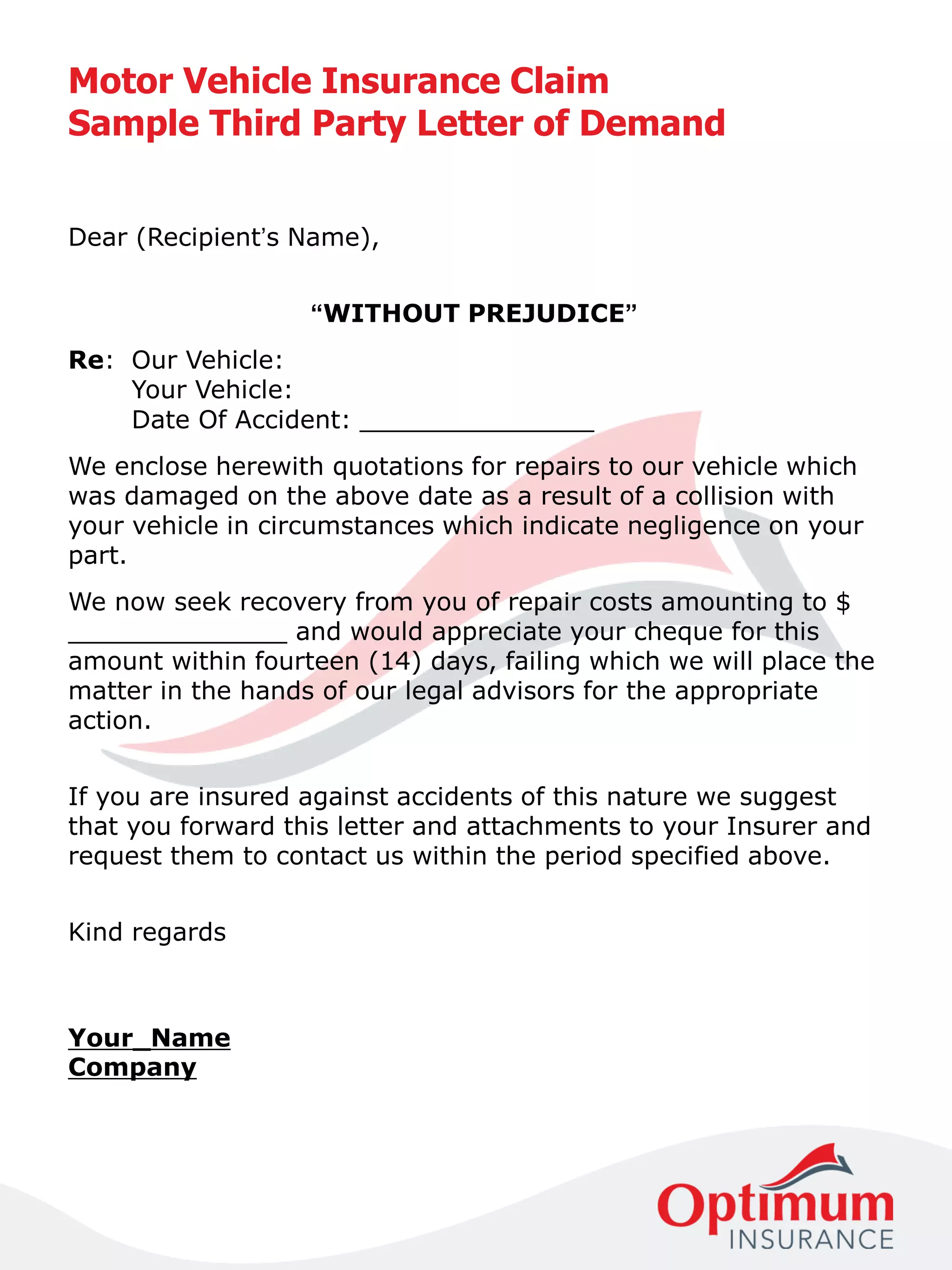
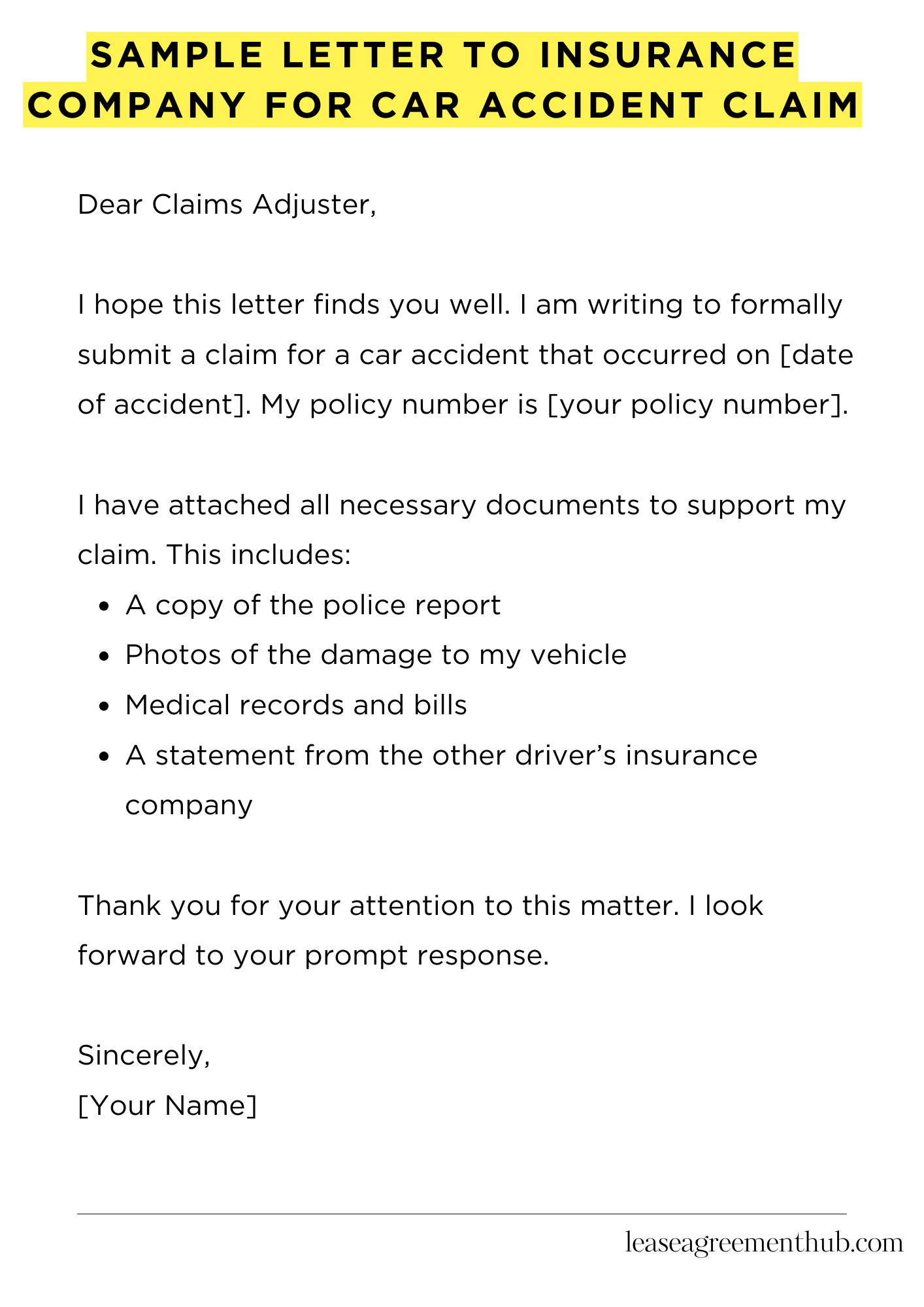
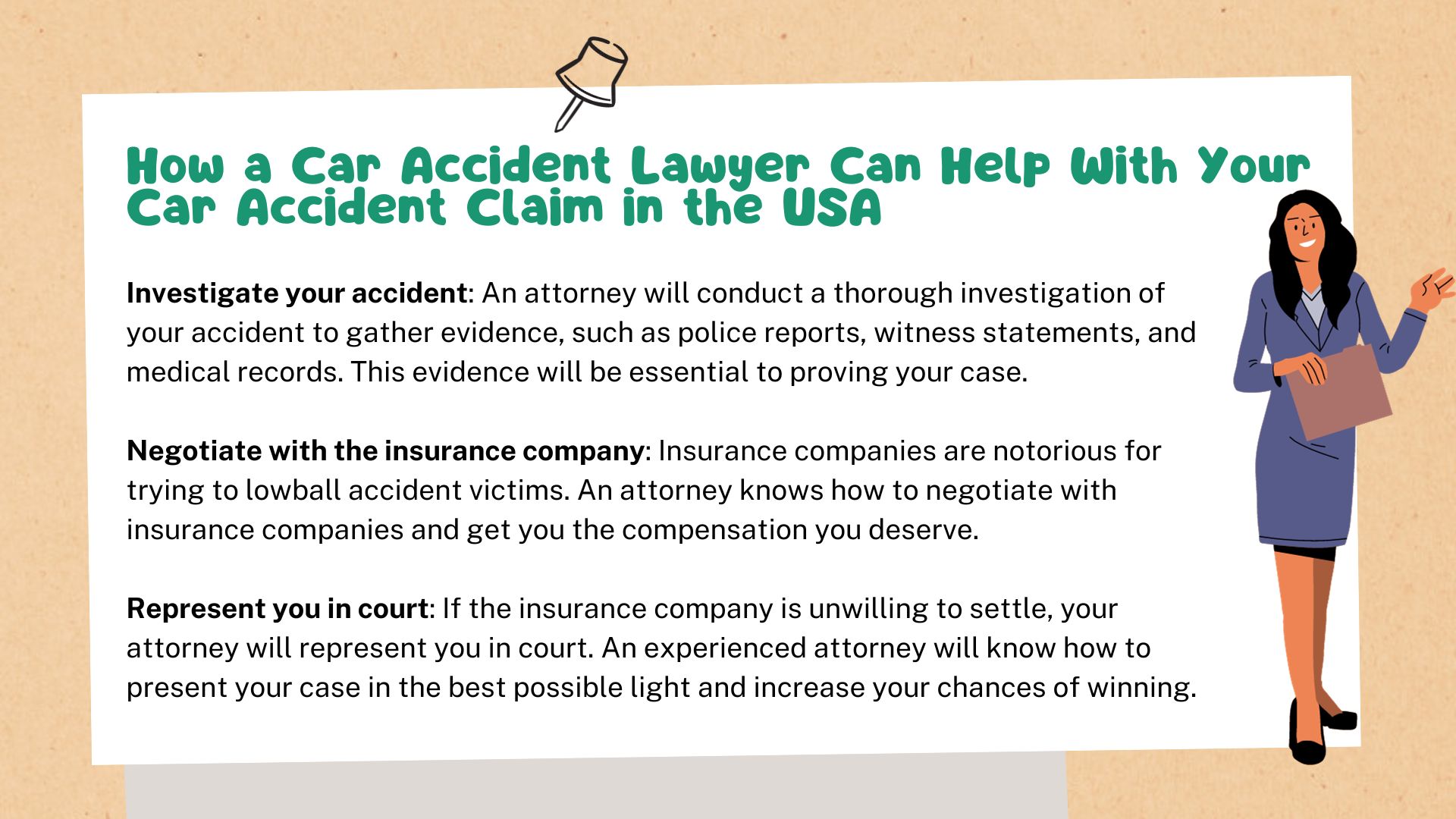
An accident claim is a formal request filed with an insurance provider or a liable party to recover compensation for damages, medical expenses, or losses resulting from an unforeseen incident. Successfully navigating this process requires timely documentation, a clear understanding of your insurance policy’s terms, and adherence to specific reporting protocols to ensure your eligibility for a payout remains intact.
Establishing the Legal and Financial Basis for a Claim
At its core, an accident claim is a contractual mechanism designed to restore a claimant to their financial position prior to the incident. Whether it involves a vehicular collision, a workplace injury, or property damage, the process is governed by the principles of liability and indemnity. Liability determines who is legally responsible for the damages, while indemnity dictates the scope of coverage provided by an insurance policy to cover those costs.
When you initiate a claim, you are essentially asking an insurer to honor the agreement established in your policy document. In 2026, insurance companies rely heavily on digitized evidence and standardized loss-adjustment protocols. Understanding your role in this process is critical; insurers generally operate on a "duty to cooperate," meaning the claimant must provide accurate information, preserve evidence, and avoid admitting fault prematurely.
Prerequisites for Filing a Successful Claim
Before you submit documentation, verify your eligibility and prepare the necessary evidence. The success of a claim often hinges on the quality of the initial report. Regardless of the type of incident, ensure you have the following prerequisites ready:
- Policy Verification: Locate your insurance declarations page. This document specifies your coverage limits, the deductible amount you are responsible for, and any exclusions that might apply to the specific type of accident.
- Documentation of the Scene: If the accident occurred in a public space or on the road, photographic evidence of property damage, skid marks, or hazardous conditions is essential.
- Formal Reports: For motor vehicle accidents, a police report is often required by insurers to validate the timeline and participants. For workplace accidents, an incident log or OSHA-compliant report must be completed.
- Third-Party Information: Collect names, contact details, and insurance policy numbers of any other parties involved. Ensure you have the names of any witnesses who can provide an objective account.
The Procedural Lifecycle of a Claim
The lifecycle of an accident claim moves through distinct phases, each requiring specific actions from the claimant. Missing a deadline during these stages can lead to a denial of coverage.
- Immediate Notification: Report the incident to your insurer as soon as safely possible. Many policies have "prompt notice" clauses. Even if you believe the damages are minor, failing to report an incident can lead to complications if injuries manifest later.
- Assignment of a Claims Adjuster: Once the claim is filed, the insurer will assign an adjuster. This individual acts as the primary point of contact. Their job is to investigate the facts, review police or incident reports, and determine the valuation of the loss.
- Damage Assessment: You may be required to obtain estimates from licensed repair facilities or medical evaluations from authorized practitioners. Never authorize repairs or medical treatments that have not been cleared by your insurer if you expect full reimbursement.
- Negotiation and Settlement: The adjuster will present a settlement offer based on their assessment. This is not always a final offer. If the valuation does not match your documented costs, you may provide counter-evidence, such as independent repair quotes or medical records that highlight long-term recovery needs.
- Finalization: Once both parties agree on the amount, a release form is signed. This document legally closes the claim and prevents you from seeking additional funds for the same incident in the future.
Comparative Overview of Claim Types
Different types of accident claims involve varying requirements and payout structures. The following table summarizes key differences between common claim scenarios.
| Claim Category | Primary Evidence Needed | Typical Compensation Focus |
|---|---|---|
| Auto Liability | Police report, witness statements | Vehicle repairs, medical bills |
| Workers' Compensation | Employer report, medical logs | Lost wages, rehabilitation costs |
| Property/Homeowner | Inventory of items, repair quotes | Structural repair, replacement cost |
| Personal Liability | Incident report, liability proof | Medical expenses of third party |
Navigating Challenges and Common Mistakes
Claimants often face delays due to administrative errors or misunderstandings regarding coverage. One of the most frequent mistakes is providing a recorded statement to an opposing party’s insurer before consulting with your own adjuster or legal representative. Insurance representatives for the other party are trained to find inconsistencies in your account to minimize their firm’s liability.
Another common pitfall is the failure to distinguish between "actual cash value" (ACV) and "replacement cost." In 2026, many standard policies utilize ACV, which deducts depreciation from the value of your damaged items. If your policy is set to ACV, you may receive significantly less than what is required to purchase a brand-new item. Review your policy’s "Loss Settlement" section to understand which valuation method applies to your specific assets.
The Role of Independent Evaluation
If you find that the insurance company’s valuation is substantially lower than your actual losses, you have the right to seek independent assessments. For physical property, this might involve a third-party appraisal. In cases of significant medical claims, you may need a second medical opinion to document the severity of an injury or the necessity of a specific treatment plan.
Be aware that insurance companies often maintain networks of "preferred" repair shops or medical providers. While using these providers can simplify the billing process, you are generally not legally obligated to use them if you prefer a provider with a better track record or closer proximity, though you must communicate this choice early to ensure cost coverage is not compromised.
Next Steps After Filing
Once you have submitted your initial information, your primary responsibility is to remain organized. Keep a dedicated folder—digital or physical—containing every piece of correspondence with your insurer, all repair estimates, medical invoices, and logs of time missed from work.
If the claim process stalls, follow up in writing. Emails or portal messages provide a timestamped trail of your communication efforts. If a resolution cannot be reached through standard negotiation, check your policy for an "Appraisal Clause" or "Arbitration" provision. These sections outline the formal steps to resolve disputes when the insurer and the policyholder cannot agree on the amount of loss. If the situation remains unresolved after exhausting these internal procedures, consider consulting with a legal professional who specializes in insurance law to evaluate if your rights are being upheld under local regulations.