Accessibility travel involves the systematic planning and execution of trips tailored to the needs of individuals with physical, sensory, or cognitive disabilities. By leveraging legal protections such as the ADA and the Air Carrier Access Act, utilizing assistive technology, and verifying infrastructure compatibility, travelers can navigate global destinations with increased independence, safety, and equity.
Understanding the Scope of Inclusive Tourism
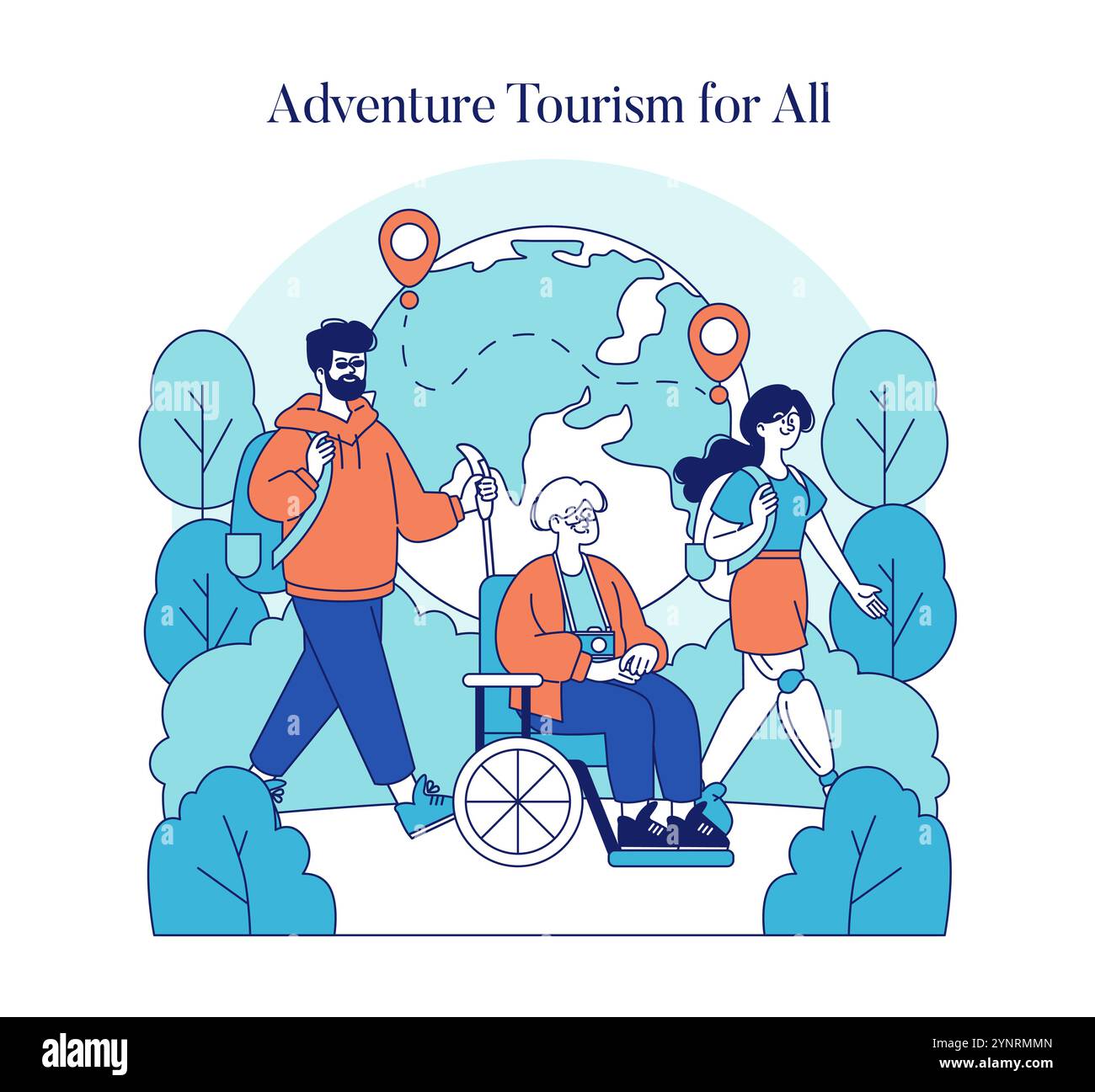
Accessibility travel, often referred to as inclusive tourism, is the ongoing endeavor to ensure that tourist destinations, products, and services are accessible to all people, regardless of their physical limitations, disabilities, or age. As of 2026, the travel industry has moved beyond viewing accessibility as a niche requirement, recognizing it as a fundamental aspect of service quality and market reach. This shift encompasses a wide spectrum of needs, ranging from mobility impairments and sensory sensitivities to neurodivergent requirements and chronic health conditions.
The core of successful accessibility travel lies in the "chain of accessibility." This concept posits that if any single link in the travel experience—transportation, accommodation, local transit, or attractions—is inaccessible, the entire trip may be compromised. Therefore, travelers and providers must focus on a holistic approach that addresses the entirety of the journey. In 2026, the integration of Universal Design principles has become more prevalent, ensuring that environments are inherently usable by the widest possible range of people without the need for specialized adaptation.
For the traveler, this means shifting focus from "Is it possible to go?" to "How can I best prepare for the specific environment?" Preparation involves understanding the nuances of local regulations, such as the Americans with Disabilities Act (ADA) in the United States or the European Accessibility Act in the EU, which dictate the minimum standards of access you can legally expect.
Legal Rights and Global Frameworks for Travelers
Navigating the legal landscape is a prerequisite for any traveler with a disability. Laws vary significantly by jurisdiction, but several international frameworks provide a baseline for what travelers can expect regarding assistance and infrastructure.
The Air Carrier Access Act (ACAA)
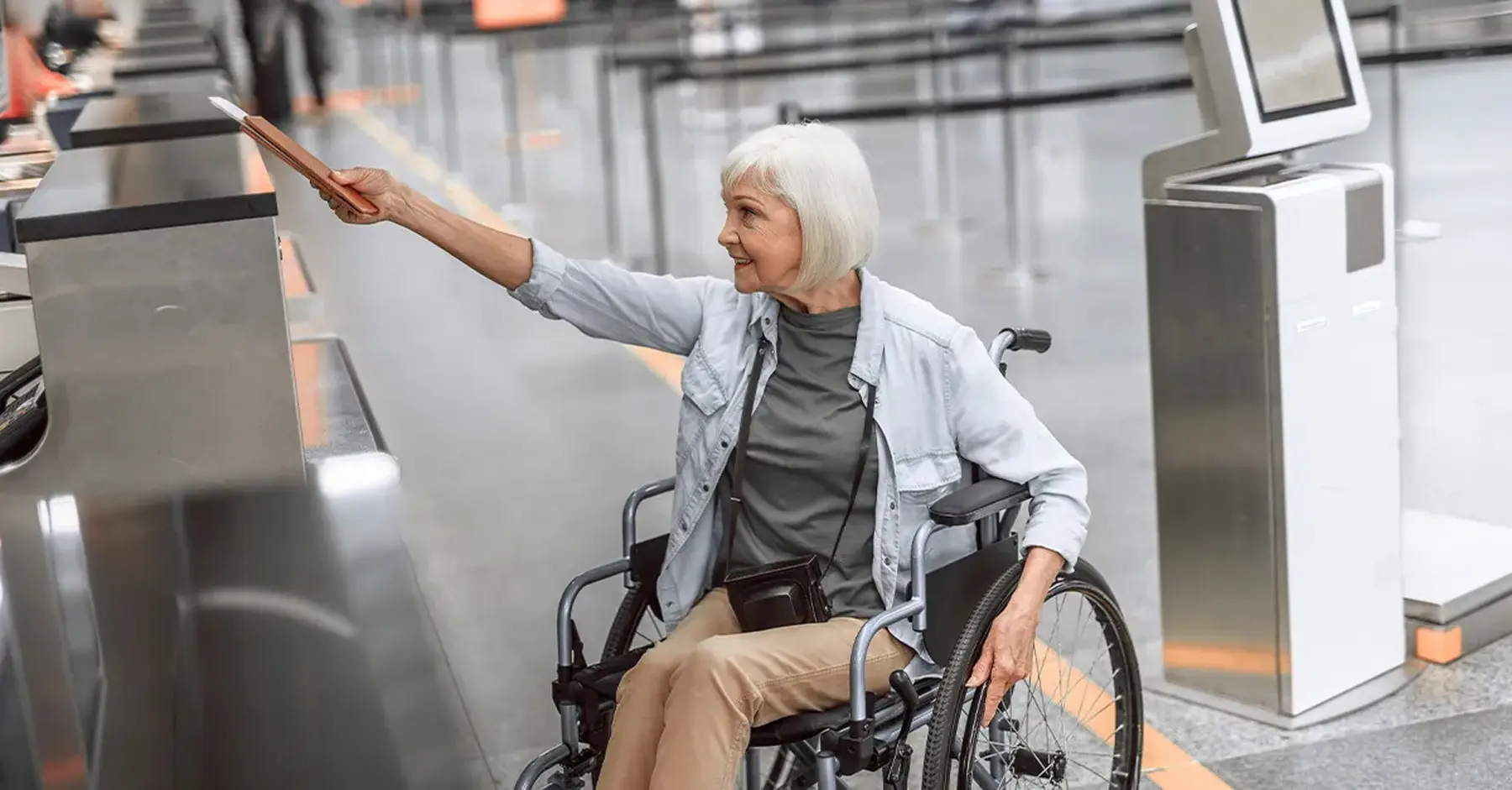
In the United States, the ADA does not govern air travel; instead, the Air Carrier Access Act (ACAA) applies. This law prohibits discrimination by domestic and foreign air carriers against qualified individuals with physical or mental impairments. Under the ACAA, airlines are required to provide assistance with boarding, deplaning, and making connections. They must also allow assistive devices, such as manual and electric wheelchairs, to be transported without charge. In 2026, updated Department of Transportation (DOT) guidelines have strengthened penalties for the mishandling of wheelchairs, emphasizing the traveler’s right to timely repairs or replacement.
European Union Regulations
The EU has some of the most robust passenger rights in the world. Regulation (EC) No 1107/2006 ensures that people with disabilities and reduced mobility are protected against discrimination during air travel and receive necessary assistance at airports. Similar protections exist for rail and maritime travel within the EU. Travelers should be aware that "reduced mobility" is a broad term in Europe, covering not just permanent disabilities but also age-related mobility issues and temporary injuries.
The UN Convention on the Rights of Persons with Disabilities (CRPD)
On a global scale, the UN CRPD has been ratified by the vast majority of countries. Article 30 specifically addresses participation in cultural life, recreation, leisure, and sport, mandating that member states take appropriate measures to ensure that persons with disabilities have access to tourist services. While the CRPD provides a high-level mandate, the actual level of on-the-ground accessibility varies depending on the local implementation and enforcement of these standards.
Pre-Trip Planning and Documentation
Successful accessibility travel is heavily weighted toward the preparation phase. Spontaneity is often difficult for travelers with specific needs, making a structured planning process essential.
Medical Documentation and Clearances
Travelers should carry a "Letter of Medical Necessity" or a summary of their condition from a healthcare provider. This document should detail the specific accommodations required, such as the need for supplemental oxygen, specific medication that may be restricted in some countries, or the use of a service animal. If traveling with an electric wheelchair, carry the technical specifications for the battery (e.g., spillable vs. non-spillable lithium-ion) to satisfy airline safety requirements.
Travel Insurance with Specialized Coverage
Standard travel insurance may not cover the specific risks associated with accessibility travel. It is vital to secure a policy that explicitly covers:
- Pre-existing conditions: Ensure the policy is purchased within the "waiver period" to cover any flare-ups or complications related to a known disability.
- Equipment Damage: High-end power wheelchairs can cost upwards of $30,000. Verify that the insurance provides enough coverage to replace the device if it is totaled during transit.
- Medical Evacuation: Ensure the policy covers repatriation or transport to a facility that can handle specific specialized medical needs.
Equipment Maintenance and Spares
Before departure, have any mobility or assistive devices serviced. For international travel, verify the voltage requirements for chargers. While many modern chargers are dual-voltage (110V-240V), you will still need the correct physical plug adapter. It is also prudent to research local repair shops at your destination in case of a mechanical failure.
Evaluating Accommodations and Transportation
The most common point of failure in accessibility travel is the discrepancy between a "listed" amenity and the "actual" infrastructure.
Verifying Hotel Accessibility
Never rely solely on a website's "accessible" checkbox. Many older buildings may have a ramp at the entrance but lack an elevator to all floors, or an "accessible" bathroom might have a tub with a grab bar rather than a true roll-in shower.
- Specific Questions to Ask: Ask for the width of the doorway (minimum 32 inches is standard for most wheelchairs), the height of the bed (to ensure safe transfers), and whether the "accessible" room is on the ground floor or near an emergency exit.
- Visual Verification: Request photos of the specific room and bathroom assigned to you. In 2026, many hotels provide 3D virtual tours of accessible suites to mitigate uncertainty.
Rail and Cruise Logistics
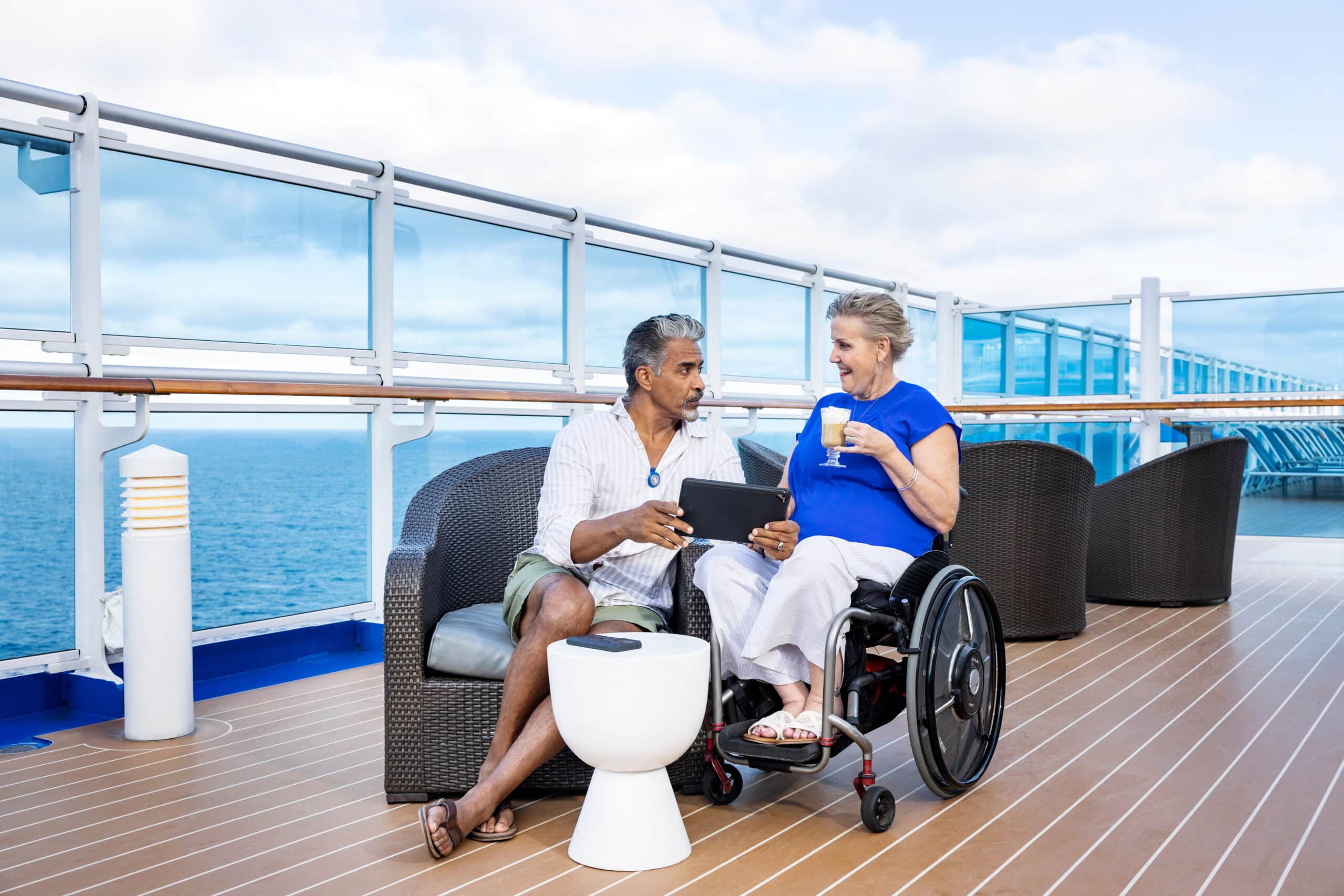
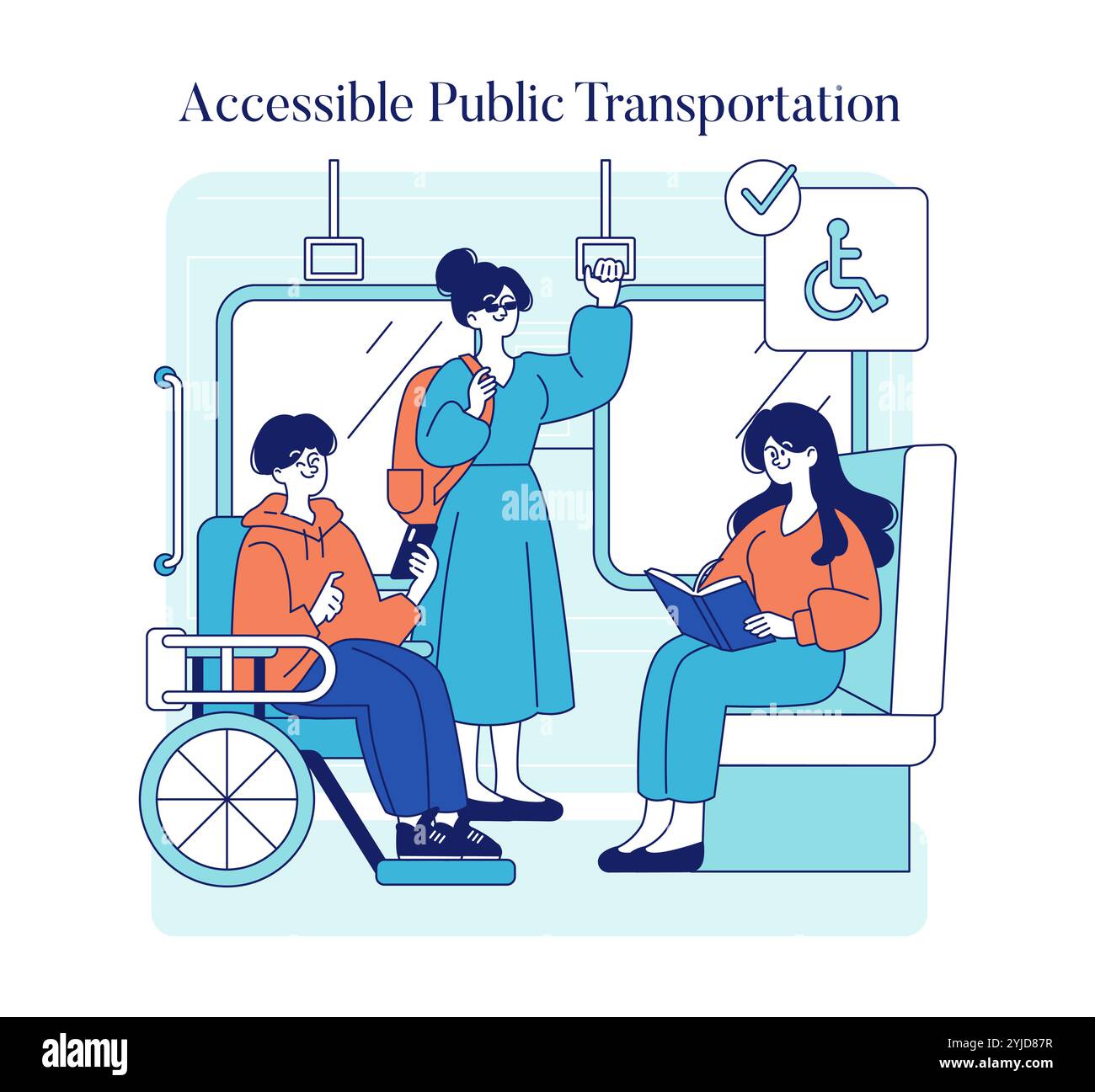
Rail travel in regions like Japan (Shinkansen) and Western Europe is often highly accessible, but advanced booking for wheelchair spaces is frequently required. On the other hand, cruise ships are essentially floating cities with strict ADA-like standards if they sail in U.S. waters. However, "tender ports"—where the ship anchors and passengers are ferried to shore in small boats—can be inaccessible to wheelchair users. Always check the itinerary for tender ports versus docked ports.
Comparative Analysis of Global Accessibility Standards
The following table compares the accessibility infrastructure and regulatory environments of major global regions as of 2026.
| Region | Primary Regulation | Mobility Infrastructure | Digital Accessibility Tools | Common Challenges |
|---|---|---|---|---|
| United States | ADA / ACAA | High (curb cuts, ramps, elevators) | Widely integrated in apps | Aging subway systems (e.g., NYC) |
| European Union | EAA / Reg 1107/2006 | Moderate to High (varies by country) | High (standardized signage) | Historic cobblestones/old buildings |
| Singapore | BCA Accessibility Code | Exceptional (Universal Design) | Advanced AI navigation | High humidity for some conditions |
| Japan | Barrier-Free Act | High (excellent rail/transit) | Tactile paving, audio cues | Small hotel room dimensions |
| Australia | DDA (1992) | High (urban areas) | Robust government maps | Remote/outback accessibility |
Technological Aids for Modern Travelers
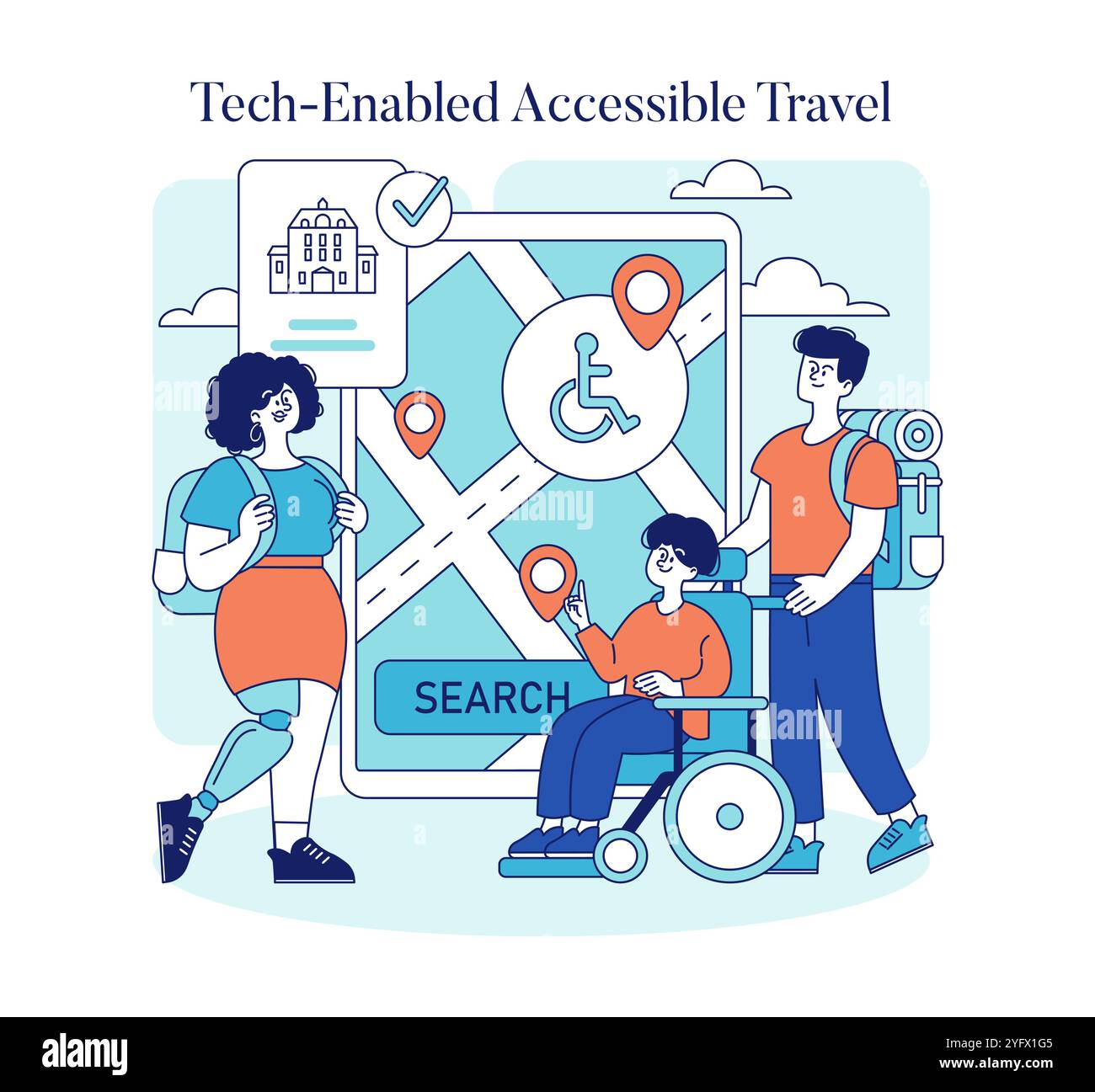
In 2026, technology serves as a significant force multiplier for accessibility. Artificial Intelligence and improved sensor technology have given rise to tools that provide real-time data on the physical environment.
- Crowdsourced Mapping: Apps like Wheelmap and AccessNow allow users to rate the accessibility of restaurants, shops, and parks in real-time. This provides a more accurate picture than official government data, which may be outdated.
- AI-Driven Navigation: Modern GPS systems now include "accessible route" filters that avoid stairs, steep inclines, or unpaved paths. For the visually impaired, apps like Be My Eyes or Aira connect users with sighted volunteers or AI descriptions to navigate complex environments like airports.
- Haptic Feedback Devices: Wearable tech can now provide haptic (vibration) cues to travelers with visual impairments, indicating when to turn or alerting them to obstacles, allowing for a more heads-up and independent walking experience.
FAQs about Accessibility Travel
Can an airline refuse to transport me because of my disability?
No. Under the ACAA and similar international laws, an airline cannot refuse transportation based on a disability unless the person's carriage would violate safety regulations (e.g., the person cannot be safely evacuated) or if the aircraft is physically too small to accommodate the passenger. They cannot require a "medical clearance" for most stable disabilities, though they may require one for passengers needing supplemental oxygen or those whose medical condition might deteriorate during flight.
How do I handle damage to my wheelchair during a flight?
If your wheelchair is damaged, you must file a claim at the airport before leaving the baggage claim area. Under 2026 DOT regulations, airlines are liable for the full cost of repair or the fair market value of the device, without the standard "baggage liability" caps. It is highly recommended to take dated photos of your equipment immediately before handing it over to the gate agent.
Are service animals permitted on international flights?
Generally, yes, but the definition of a "service animal" has tightened. Most jurisdictions now only recognize dogs that are individually trained to do work or perform tasks for the benefit of an individual with a disability. Emotional support animals are rarely recognized as service animals in 2026. Furthermore, you must comply with the destination country's quarantine and vaccination laws, which can be stringent in places like the UK, Hawaii, or Australia.
What should I do if a "guaranteed" accessible room is not available upon arrival?
This is a breach of contract in many jurisdictions. If the hotel cannot provide the specific room you booked, they are typically required to find you an equivalent accessible room at a nearby hotel and cover the transportation costs. Always keep a copy of your confirmation email that specifically lists the accessible room type.
Are there travel agencies that specialize in accessibility?
Yes. Specialized agencies can be invaluable because they have "vetted" destinations and have direct contacts with local providers who understand accessibility. They can arrange for specialized equipment rentals (like hospital beds or hoists) to be delivered to your hotel before you arrive, which is often easier than traveling with your own heavy equipment.
Next Steps for Planning Your Trip
To ensure a smooth experience, begin your planning process at least six months in advance. Start by selecting a destination known for high accessibility standards, such as Singapore or London, before attempting more challenging or "off-the-beaten-path" locations.
Your first action should be to consult with your medical team to ensure you have the necessary clearances and supplies. Simultaneously, contact an accessibility travel specialist or use verified digital tools to cross-reference the infrastructure of your intended destination. By shifting the burden of verification to the pre-travel phase, you can minimize on-site barriers and focus on the purpose of your journey—exploration and enjoyment.