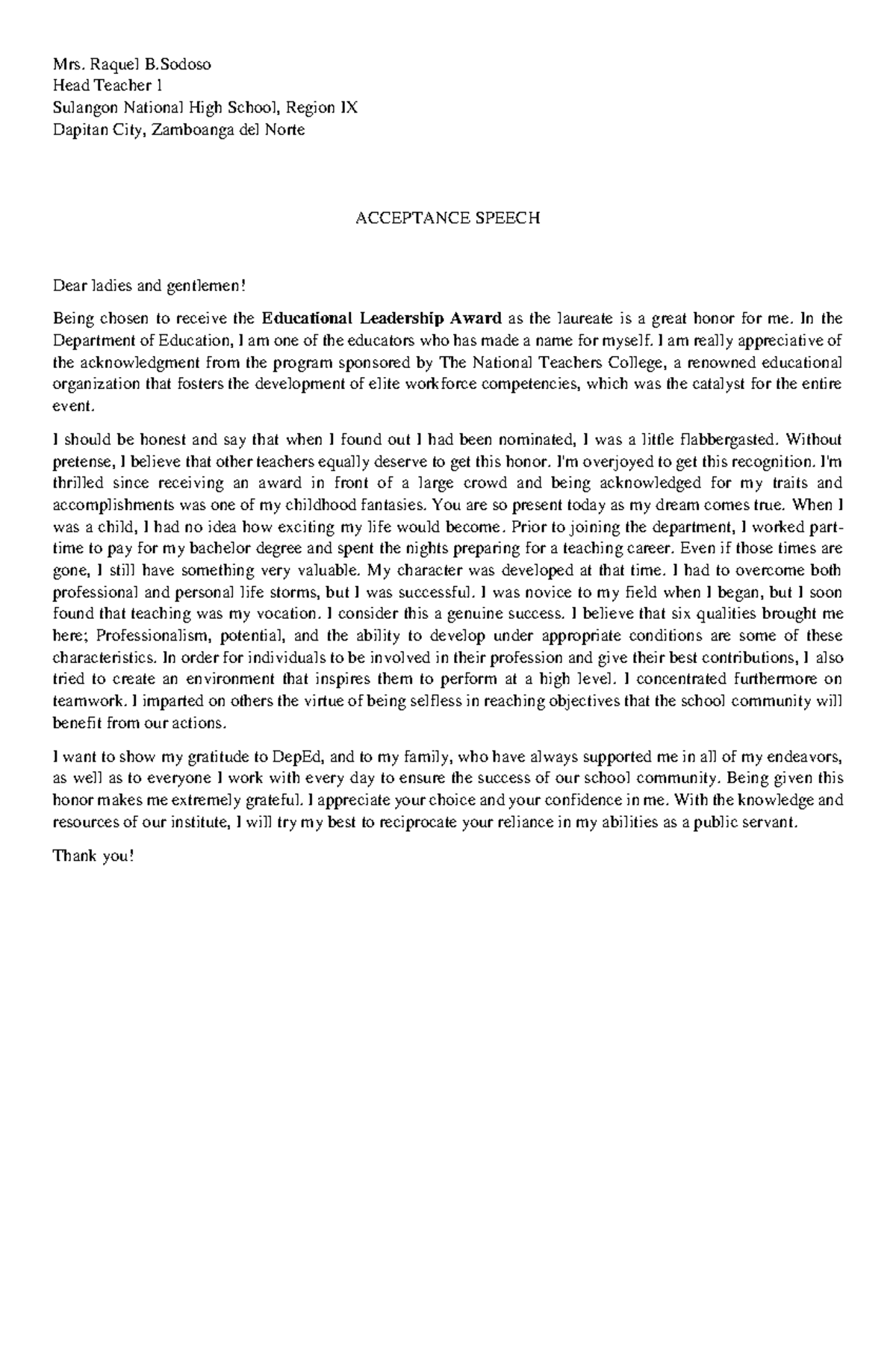
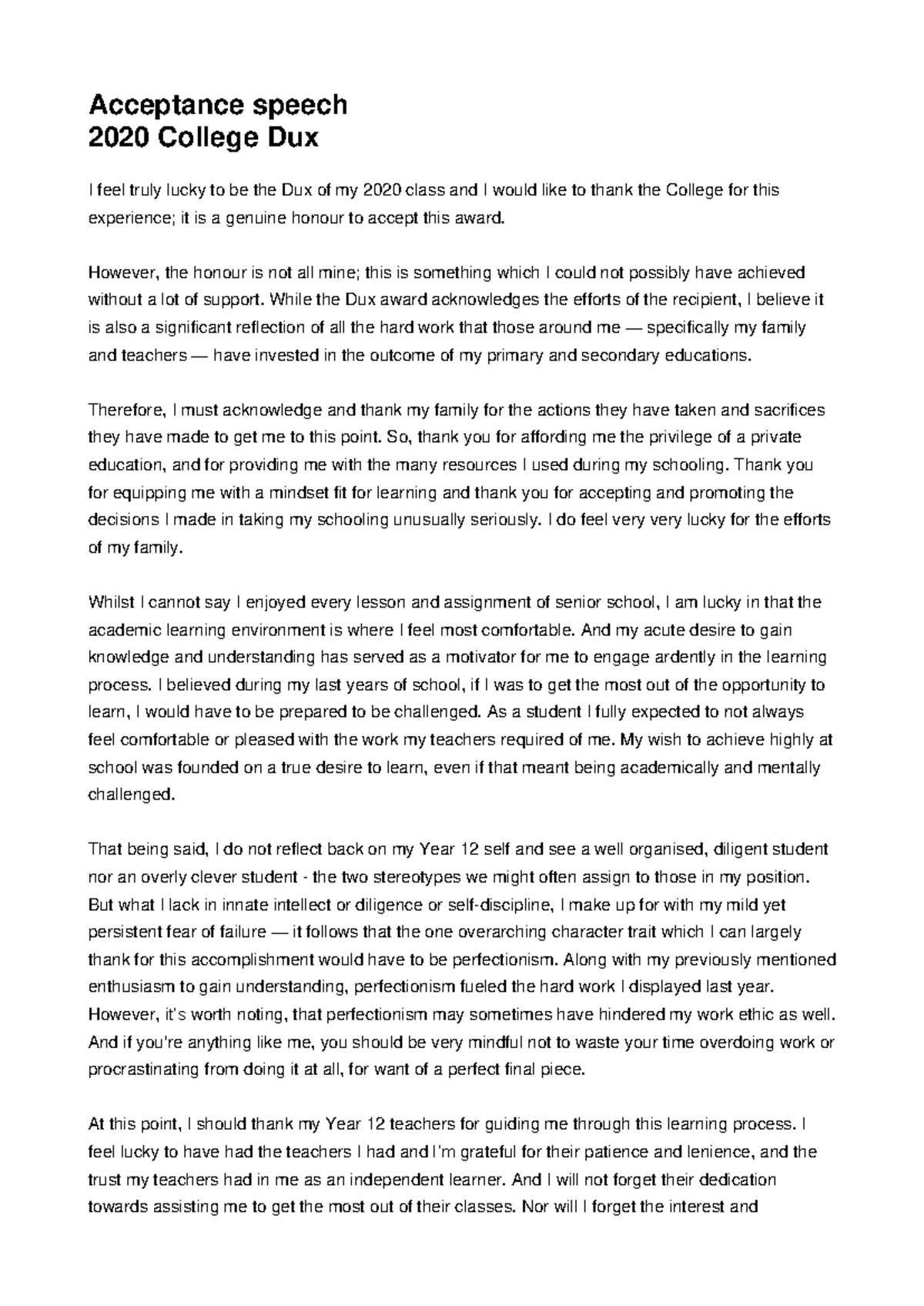
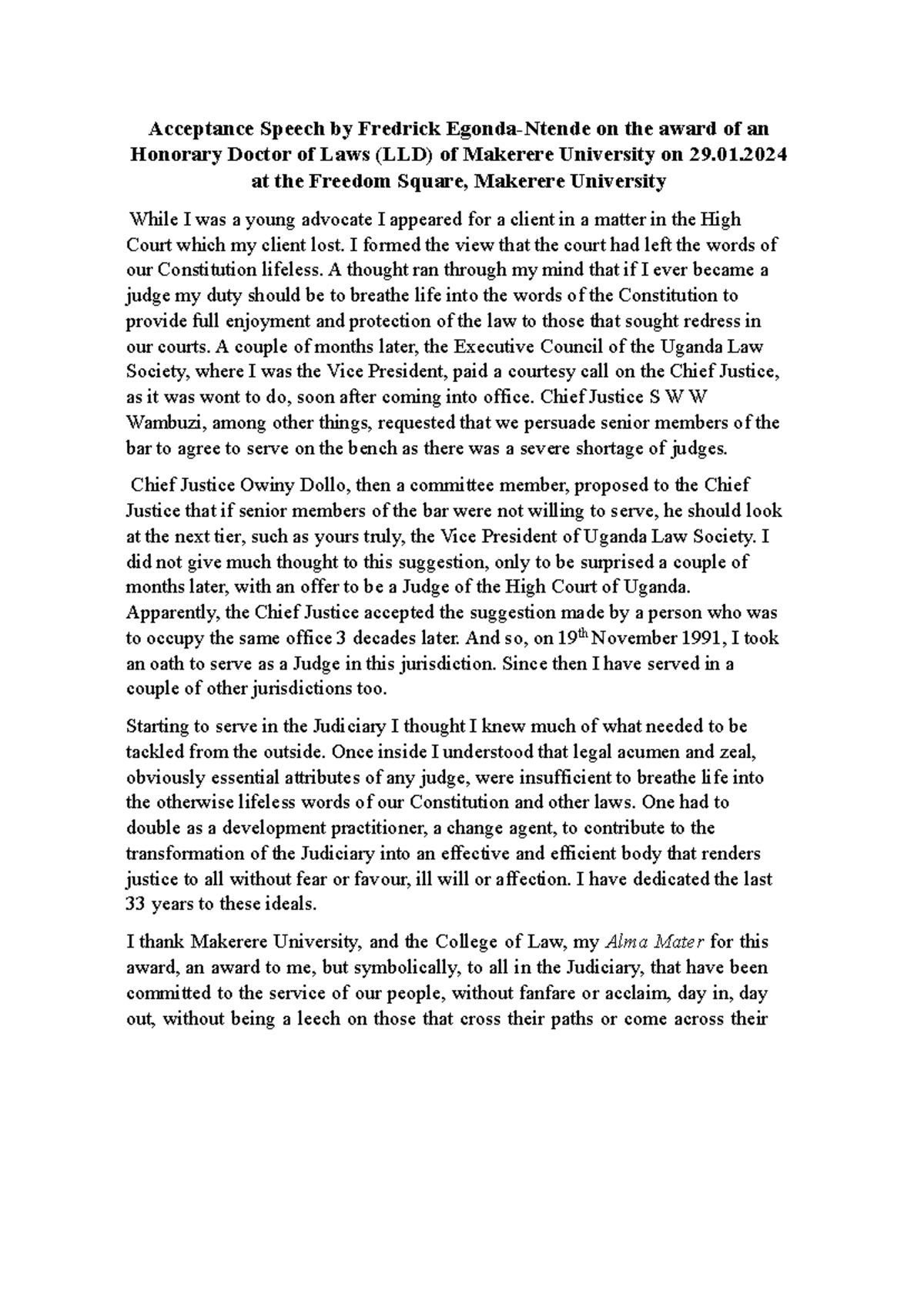
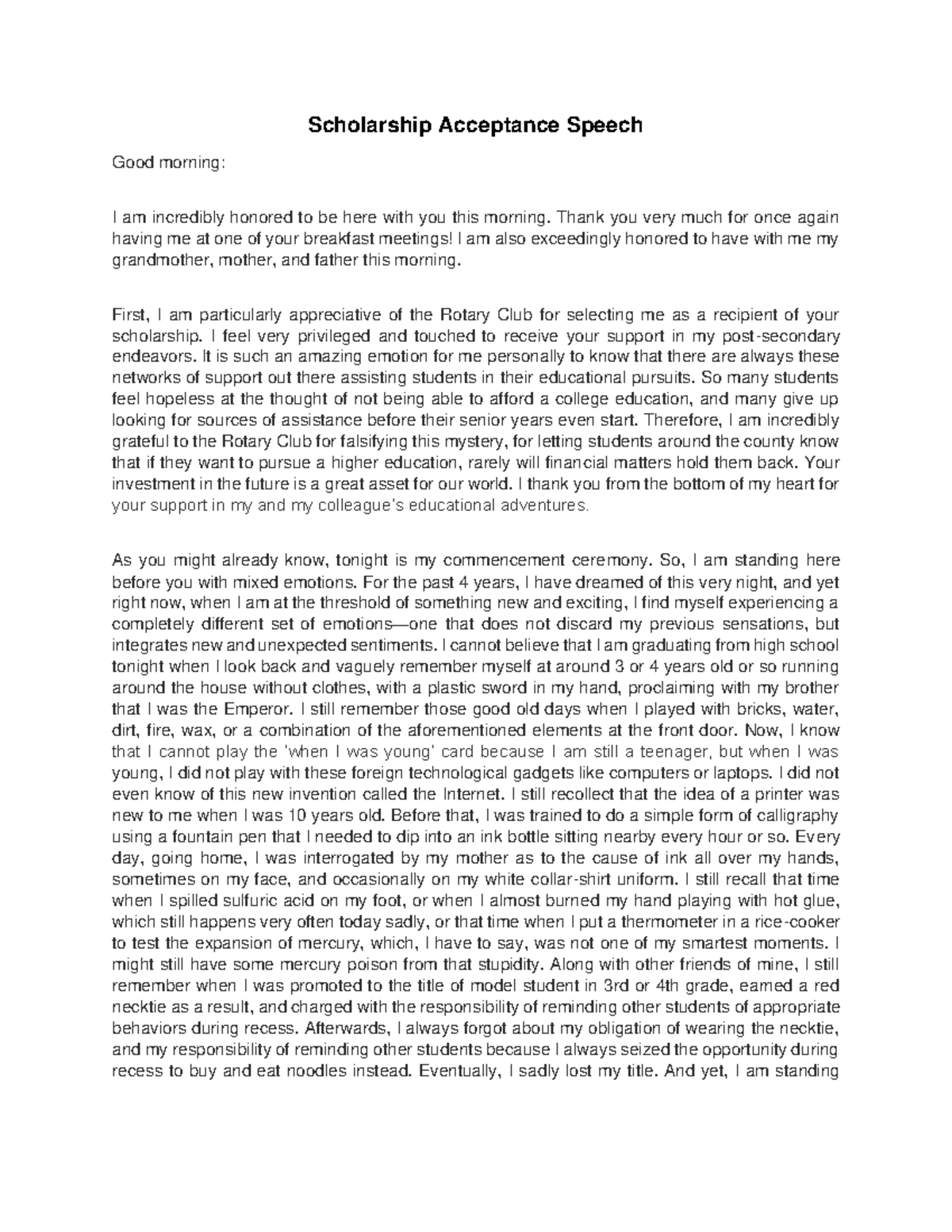
An acceptance speech is a formal address given by an individual or group representative upon receiving an award, honor, or professional recognition. To succeed, the speaker must express genuine gratitude to the conferring organization, acknowledge the colleagues or mentors who supported their journey, and briefly reflect on the significance of the achievement while adhering to strict time constraints.
Recognition is a powerful motivator in any professional or creative field. Whether you are accepting a community service award, a corporate promotion, or a prestigious industry honor, the words you choose define how your peers perceive your character and your work. In 2026, the standard for a "good" speech has shifted toward brevity, authenticity, and a focus on collective effort rather than individual ego. This guide provides a comprehensive framework for crafting a speech that honors the occasion without overstaying your welcome.
Understanding the Strategic Purpose of an Acceptance Speech
The primary function of an acceptance speech is not to list your accomplishments—the award itself has already done that. Instead, the speech serves as a bridge between the recipient and the audience. It is an opportunity to humanize your success and validate the judgment of the committee or organization that chose you.
A well-executed speech accomplishes three specific goals:
- Validation: It confirms that the award was given to someone who respects the institution’s values.
- Gratitude: It publicly acknowledges that no achievement happens in a vacuum.
- Inspiration: It provides a brief narrative that can encourage others in the field to pursue similar excellence.
In 2026, audiences are particularly sensitive to "humblebragging" or overly rehearsed, robotic delivery. Authenticity is the highest currency. When you stand at the podium, you are representing more than just yourself; you are representing your team, your family, and the standard of excellence the award signifies.
Core Elements of a Professional Acceptance Speech
While every speech should be tailored to the specific event, successful acceptance addresses share a common structural DNA. Most speeches follow a four-part arc: the Opening, the Recognition, the Narrative, and the Closing.
The Opening: Immediate Gratitude
Start by thanking the organization or individual presenting the award. This should happen within the first 15 seconds. Avoid the temptation to start with a joke or an unrelated anecdote. State clearly that you are honored and humbled. Use the full, correct name of the award and the conferring body to show respect for the protocol.
The Recognition: Acknowledging Others
This is the "we" section of the speech. Identify the key individuals who made the achievement possible. This includes mentors, coworkers, and family members. Be specific but concise. Instead of saying, "I thank my team," say, "I thank the engineering team for their tireless work on the 2025 pilot project."
The Narrative: The Significance of the Work
Briefly explain what this recognition means to you or the field. Do not recap your entire career. Instead, share one specific challenge you overcame or a single moment of realization that led to this success. This gives the audience a "behind-the-scenes" look at the effort required to reach this stage.
The Closing: Looking Forward
Conclude by reiterating your thanks and offering a brief forward-looking statement. This might involve a commitment to continuing the work or a wish for the future of the industry. The final sentence should be clear and definitive so the audience knows exactly when to applaud.
Comparison of Acceptance Speech Styles by Venue
The tone and length of your speech should be dictated by the venue and the nature of the award. A corporate lunch requires a different approach than a televised gala or a local community meeting.
| Speech Category | Primary Audience | Ideal Duration | Tone/Vibe | Key Priority |
|---|---|---|---|---|
| Professional/Corporate | Colleagues, Executives | 1–2 Minutes | Poised, Collaborative | Team acknowledgment |
| Artistic/Creative | Peers, Fans, Media | 45–90 Seconds | Emotional, Humble | Sincerity and Passion |
| Academic/Scientific | Researchers, Faculty | 2–3 Minutes | Intellectual, Rigorous | Crediting the methodology/team |
| Community/Volunteer | Local Citizens, Donors | 3–5 Minutes | Gracious, Inspiring | Highlighting the cause/mission |
| Internal Promotion | Direct Reports, Managers | 1 Minute | Enthusiastic, Ready | Setting a vision for the new role |
Step-by-Step Guide to Crafting Your Script
Writing an acceptance speech is often more difficult than writing a keynote because of the emotional stakes and time limits. Follow these steps to ensure your script is polished and professional.
Step 1: Research the Context
Before you write a single word, understand the environment. How many other people are receiving awards? Is there a hard "mic-cut" after 60 seconds? Knowing the logistics prevents the embarrassment of being played off-stage by music or an emcee.
Step 2: The "Three-Name" Rule
To keep your speech from becoming a laundry list of names, try to limit specific individual mentions to the three most influential people. Use categories for everyone else (e.g., "to my friends in the marketing department" or "to my family back home"). This keeps the momentum of the speech high and prevents the audience from tuning out.
Step 3: Write for the Ear, Not the Eye
Speeches are meant to be heard. Use shorter sentences and active verbs. Avoid complex jargon that might be hard to pronounce under pressure. Read your draft out loud to find "tongue-twisters" or awkward phrasing. If you find yourself running out of breath mid-sentence, the sentence is too long.
Step 4: Prepare for Emotion
Even if you are not typically an emotional person, the adrenaline of the moment can cause your voice to crack or your pace to quicken. Note on your script where to take a breath. In 2026, it is perfectly acceptable to show emotion, but you must remain coherent enough to finish your message.
Delivery Techniques and On-Stage Presence
The delivery of your speech is just as important as the text. Your body language and vocal tone convey the sincerity of your gratitude.
Maintain Eye Contact: Avoid staring exclusively at your notes. If you are using a mobile device or a traditional paper script, keep it high enough so you don't have to bury your chin in your chest. Aim to look at the presenters, then the audience, then your team.
Manage Your Pace: Adrenaline often causes speakers to talk too fast. Consciously slow down. Pause for two seconds after thanking the organization to let the moment "land." If the audience applauds or laughs, stop speaking entirely until the noise dies down; never try to talk over the crowd.
Handling Digital Aids: In 2026, many speakers use "smart-glance" tablets or teleprompter apps. If using these, ensure your notifications are turned off and your screen brightness is set to a level that won't reflect harshly off your glasses or face. Always have a physical "backup" note card in your pocket in case of a technical failure.
Common Pitfalls to Avoid
Even seasoned professionals can make mistakes when the spotlight is on them. Awareness of these common errors can save your reputation.
- The "Academy Award" List: Listing dozens of people by name. This is the fastest way to lose an audience. Focus on the impact of the help you received, not just the names.
- False Humility: Claims that you "don't deserve this" can actually be insulting to the committee that chose you. Instead of denying your merit, focus on your gratitude for the opportunity.
- Political or Controversial Detours: Unless the award is specifically for activism, avoid using your 90 seconds to pivot to unrelated social or political issues. This often alienates the audience and overshadows the achievement.
- Reading Word-for-Word: While having notes is essential, reading them like a robot prevents a connection with the audience. Memorize your opening and closing lines so you can look the audience in the eye during the most critical moments.
Frequently Asked Questions
What should I do if I forget someone’s name while on stage?
If you realize you’ve forgotten a key name, do not panic or stop the speech to browse your memory. Use a graceful "catch-all" phrase such as, "And to those behind the scenes whose names are too numerous to list but whose impact is felt every day, thank you." You can follow up with a personal note or a digital shout-out after the event to ensure the individual feels recognized.
Is it okay to use humor in an acceptance speech?
Humor is excellent for breaking the tension, but it must be self-deprecating or situational—never at the expense of others or the award itself. A quick joke about your journey to the stage can build rapport, but ensure the humor doesn't overshadow the primary goal of expressing gratitude.
How do I handle a "surprise" award I didn't prepare for?
Always have a "pocket speech" framework ready if you are a nominee. If the win is a total shock, stick to the essentials: Thank the presenter, acknowledge your peers in the room, and express one sincere thought about what the moment means to you. Brevity is your best friend in an impromptu situation.
Should I bring my phone or a piece of paper to the podium?
In 2026, both are acceptable, but paper is often more reliable. A small index card is discreet and won't suffer from a dead battery, screen timeout, or glare. If you use a phone, ensure it is in "Do Not Disturb" mode and that your hands are steady enough to hold it without the screen shaking.
How do I stop myself from crying during the speech?
It is natural to be moved, but if you feel overcome, take a physical step back from the microphone and take a deep breath. Drink a sip of water if available. Focusing on a specific point at the back of the room can help you stabilize your emotions. Remember, the audience is on your side and expects some level of emotion.
Next Steps for Award Nominees
If you have been notified of a nomination or an upcoming honor, your first action should be to confirm the event logistics with the organizer. Ask specifically about the time limit for speeches and whether there will be a teleprompter available. Once you have the technical constraints, draft a speech that is 20% shorter than the time allowed; this "buffer" accounts for the time it takes to walk to the stage and the inevitable pauses for applause.
Practice your delivery at least five times, ideally in front of a mirror or a trusted friend. Recording yourself on your phone and playing it back is the most effective way to identify verbal fillers like "um" or "uh" and to check your pacing. By the time you reach the podium, your goal is to be familiar enough with the material that you can speak from the heart, ensuring your acceptance speech is a highlight of the evening rather than a formality to be endured.