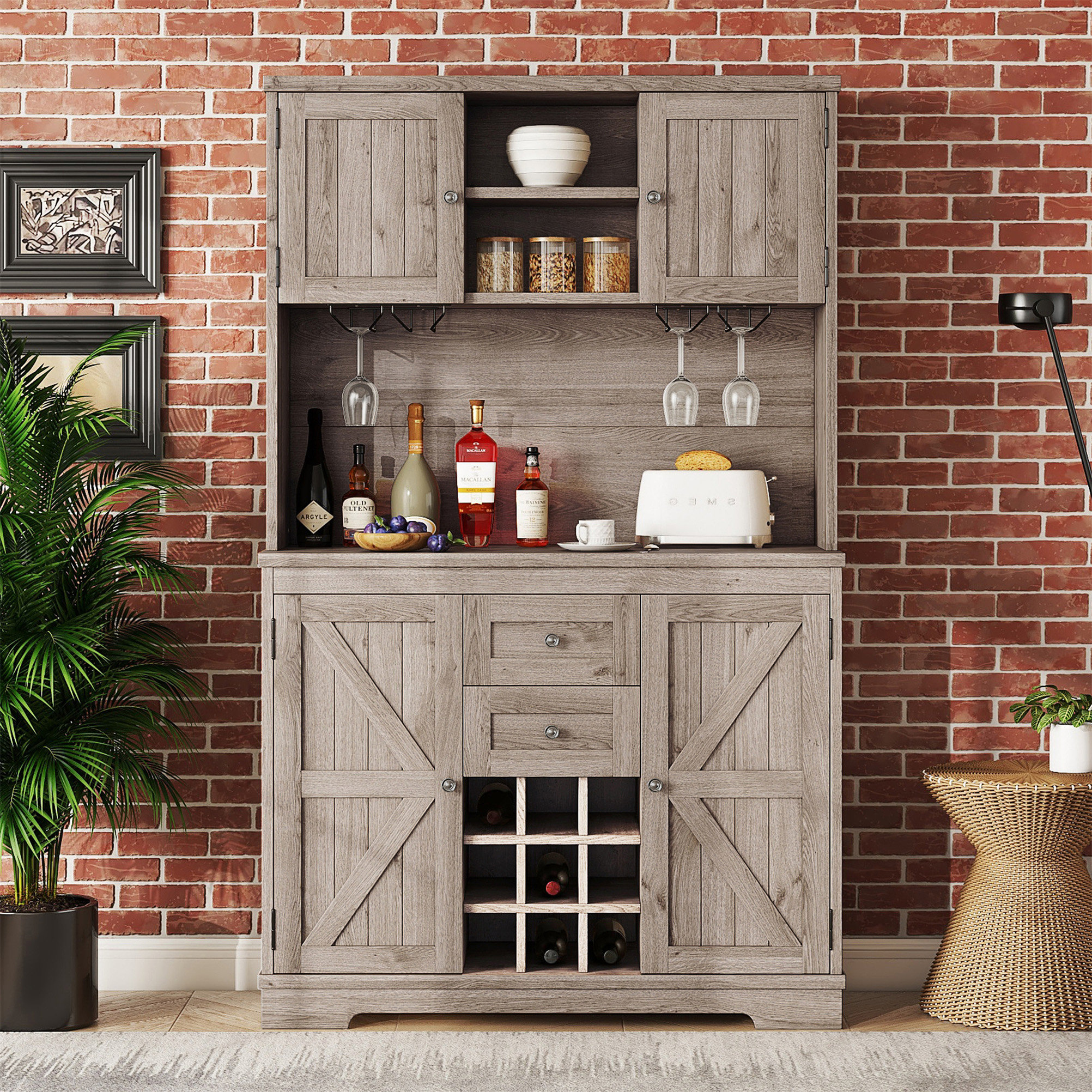
An accent chest is a versatile furniture piece designed to provide both functional storage and a distinct aesthetic focal point within a room. Unlike standard utilitarian cabinetry, these chests emphasize unique finishes, intricate hardware, and bold silhouettes, serving as decorative "anchors" that enhance the interior design of entryways, living rooms, and bedrooms.
Defining the Accent Chest: Form Meets Function
In the 2026 interior design landscape, the accent chest remains a cornerstone of "curated" home styling. While a standard dresser or sideboard is often purchased as part of a matching set, an accent chest is typically a standalone acquisition. Its primary purpose is to break the monotony of a room’s existing furniture by introducing a new texture, color, or historical period.
Technically, an accent chest is defined by its smaller footprint compared to a full-sized wardrobe or credenza. It usually stands between 28 and 36 inches high, making it the perfect height for a surface display or "vignette." The internal configuration typically consists of drawers, cabinets, or a combination of both. However, the external "skin" is what defines the piece—ranging from hand-painted Chinoiserie and bone inlay to industrial corrugated metal or minimalist fluted wood.
Architecturally, these pieces function as "spatial transitions." In an open-concept floor plan, an accent chest can act as a visual marker that separates a dining area from a living area without the bulk of a full room divider. Its ability to hide clutter while presenting a sophisticated exterior makes it one of the most hardworking elements in modern interior architecture.
Materiality and Construction Standards in 2026
When evaluating an accent chest, the quality of construction determines its longevity and "heirloom potential." In 2026, there is a marked shift toward sustainable materials and artisanal manufacturing techniques. High-quality pieces are no longer just about the wood species; they are about the integrity of the assembly.
Wood Species and Engineered Substrates
Solid hardwoods such as white oak, walnut, and teak remain the gold standard for structural integrity. However, many contemporary accent chests utilize high-quality MDF (Medium Density Fiberboard) for the outer panels, especially when a high-gloss lacquer or complex veneer is required. This is because MDF is less prone to warping and expansion in varying humidity levels than solid wood, providing a more stable surface for intricate finishes.
Joinery and Hardware
A hallmark of a premium accent chest is the use of dovetail joinery in the drawers. This interlocking joint provides superior strength compared to staples or glue. Additionally, 2026 trends see a resurgence in "integrated hardware," where the drawer pulls are carved directly into the wood or utilize hidden "push-to-open" mechanisms to maintain a sleek profile. For pieces using traditional hardware, materials like unlacquered brass, forged iron, and semi-precious stone inlays are frequently utilized to elevate the design.
Specialized Finishes
The "accent" in accent chest often comes from the finish. Current popular techniques include:
- Shou Sugi Ban: A Japanese method of charring wood to create a blackened, textured, and rot-resistant surface.
- Lacquered Grasscloth: Applying a thick clear coat over woven raffia or grasscloth to provide organic texture with a modern, durable sheen.
- Cerused Wood: A technique that highlights the natural grain of hardwoods (usually oak) with a contrasting pigment, often white or silver.
Strategic Placement and Room Utility
An accent chest can solve specific spatial problems in almost any room of the house. Understanding where to place one requires an analysis of both traffic flow and storage needs.
The Entryway: The First Impression
The most common location for an accent chest is the foyer or entryway. It serves as a "drop zone" for keys and mail while immediately establishing the home's design language. A chest in this location should be shallow enough to allow for easy passage but substantial enough to hold a lamp and a mirror above it, creating a balanced vertical composition.
The Living Room: Beyond the Side Table
In larger living rooms, an accent chest can replace a traditional end table next to a sofa. Because it offers more storage than a standard table, it is ideal for stowing media accessories, board games, or extra throw blankets. It also provides a sturdier base for larger decorative objects or table lamps that might overwhelm a delicate side table.
The Bedroom: The Oversized Nightstand
A growing trend in 2026 is the use of "Bachelor's Chests" as oversized nightstands. These provide significantly more storage than a tiny bedside table and allow for a more luxurious, layered look. For bedrooms with high ceilings or large headboards, the increased scale of an accent chest helps maintain a proper sense of proportion.
Hallways and Landings
Awkward "dead spaces" at the end of a hallway or on a stair landing are prime candidates for an accent chest. These areas often lack a purpose; adding a chest provides a destination for the eye and a place to store linens or seasonal items that don't have a dedicated home.
Technical Comparison of Accent Chest Types
Choosing the right chest involves weighing the pros and cons of different styles and materials. The following table compares common variations found in the 2026 market.
| Chest Type | Primary Material | Durability | Style Profile | Best For |
|---|---|---|---|---|
| Bombay Chest | Curved Wood/Veneer | High | Traditional / Ornate | Formal Entryways |
| Apothecary Chest | Solid Wood / Metal | Very High | Industrial / Rustic | Small Item Organization |
| Inlay Chest | Bone/Mother of Pearl | Moderate | Global / Artisanal | Bedrooms / Focal Points |
| Mirrored Chest | Glass / MDF Frame | Low to Moderate | Glam / Contemporary | Small/Dark Rooms |
| Fluted/Slatted | Oak or Walnut | High | Mid-Century Modern | Living Room Storage |
Measuring and Scaling for Your Space
One of the most common mistakes in furniture selection is misjudging scale. An accent chest that is too small for a wall will look "lost," while one that is too large will obstruct movement and make a room feel cramped.
The Two-Thirds Rule
As a general design principle, an accent chest should occupy approximately two-thirds of the width of the wall segment it sits against. If you are hanging a mirror or a piece of art above the chest, the artwork should ideally be narrower than the chest itself (usually about 75% of the chest's width) to create a grounded, pyramidal visual structure.
Clearance and Depth
For high-traffic areas like hallways, ensure the chest has a depth of no more than 12 to 15 inches. In a bedroom or living room, a depth of 18 to 22 inches is standard. Always account for the "extension depth" of drawers; ensure that when a drawer is fully opened, there is still at least 18 inches of clearance for a person to stand comfortably.
Safety and Stability
In 2026, safety regulations regarding furniture tipping are more stringent than ever. According to the U.S. Consumer Product Safety Commission (CPSC), any chest or dresser over a certain height must be sold with an anti-tip kit. When installing an accent chest, especially on carpeted surfaces or in homes with children, anchoring the piece to a wall stud is a critical technical requirement.
Maintenance and Longevity of High-End Finishes
To preserve the value and appearance of an accent chest, specific maintenance protocols should be followed based on its finish.
- Lacquered Surfaces: Avoid ammonia-based cleaners. Use a soft microfiber cloth slightly dampened with water and a drop of pH-neutral soap. Micro-scratches can often be buffed out with a specialized furniture wax.
- Unfinished or Waxed Wood: These pieces are sensitive to "ringing" from moisture. Always use coasters. Re-waxing the surface once a year helps maintain the wood's hydration and luster.
- Bone and Shell Inlay: These are organic materials porous to oils and acids. Dust regularly with a dry cloth. If a spill occurs, blot it immediately; do not scrub, as this can dislodge the delicate inlay pieces.
- Metal Hardware: For brass or copper hardware, decide if you prefer the "patina" of age or a polished look. If polishing, remove the hardware from the chest first to avoid getting metal polish on the wood finish.
Frequently Asked Questions
What is the difference between a dresser and an accent chest?
The primary difference lies in intent and scale. A dresser is typically designed for clothing storage in a bedroom and is usually part of a larger, cohesive furniture set. An accent chest is a standalone piece designed to make a stylistic statement and is often smaller, allowing it to fit into various rooms like foyers or dining areas.
How do I choose an accent chest for a small apartment?
Look for a chest with mirrored surfaces or an open-leg base. Mirrors reflect light and create the illusion of more space, while a piece on legs allows the eye to see the floor underneath, preventing the furniture from feeling like a heavy "block" in a small room.
Can an accent chest be used as a TV stand?
Yes, provided the height is appropriate for your viewing angle and the weight capacity of the chest exceeds the weight of the television. Ensure the depth of the chest can accommodate the TV's base and check if the back panel can be modified for cable management without compromising structural integrity.
Are "bachelor's chests" different from accent chests?
A bachelor's chest is a specific subtype of an accent chest. Historically, it was a small, versatile chest intended for a single person's living quarters, serving as both a desk and a dresser. Today, the term refers to any small, three-to-four drawer chest that is slightly larger than a nightstand but smaller than a standard dresser.
Is assembly required for most accent chests?
High-end accent chests usually ship "fully assembled" or "fully welded" to ensure structural rigidity. Budget-friendly options often ship as RTA (Ready-To-Assemble) furniture. For the best longevity, look for "fully assembled" units that use permanent joinery rather than cam-locks and screws.
Selecting Your Accent Chest: Practical Recommendations
When you are ready to make a purchase, prioritize the "long-term fit" over a passing trend. In 2026, the most successful interior designs are those that feel collected over time rather than bought in a single day.
Begin by measuring your intended space and marking the footprint on the floor with painter's tape; this helps you visualize the physical presence of the chest before it arrives. If your room is filled with dark wood, consider an accent chest in a contrasting material—perhaps a painted finish or a metal-clad piece—to provide visual relief. Finally, always verify the drawer glide mechanism; "soft-close" or under-mount glides are preferable for a luxury feel and to prevent the jarring sound of slamming drawers. By focusing on these technical details and stylistic considerations, your accent chest will serve as a functional piece of art for years to come.