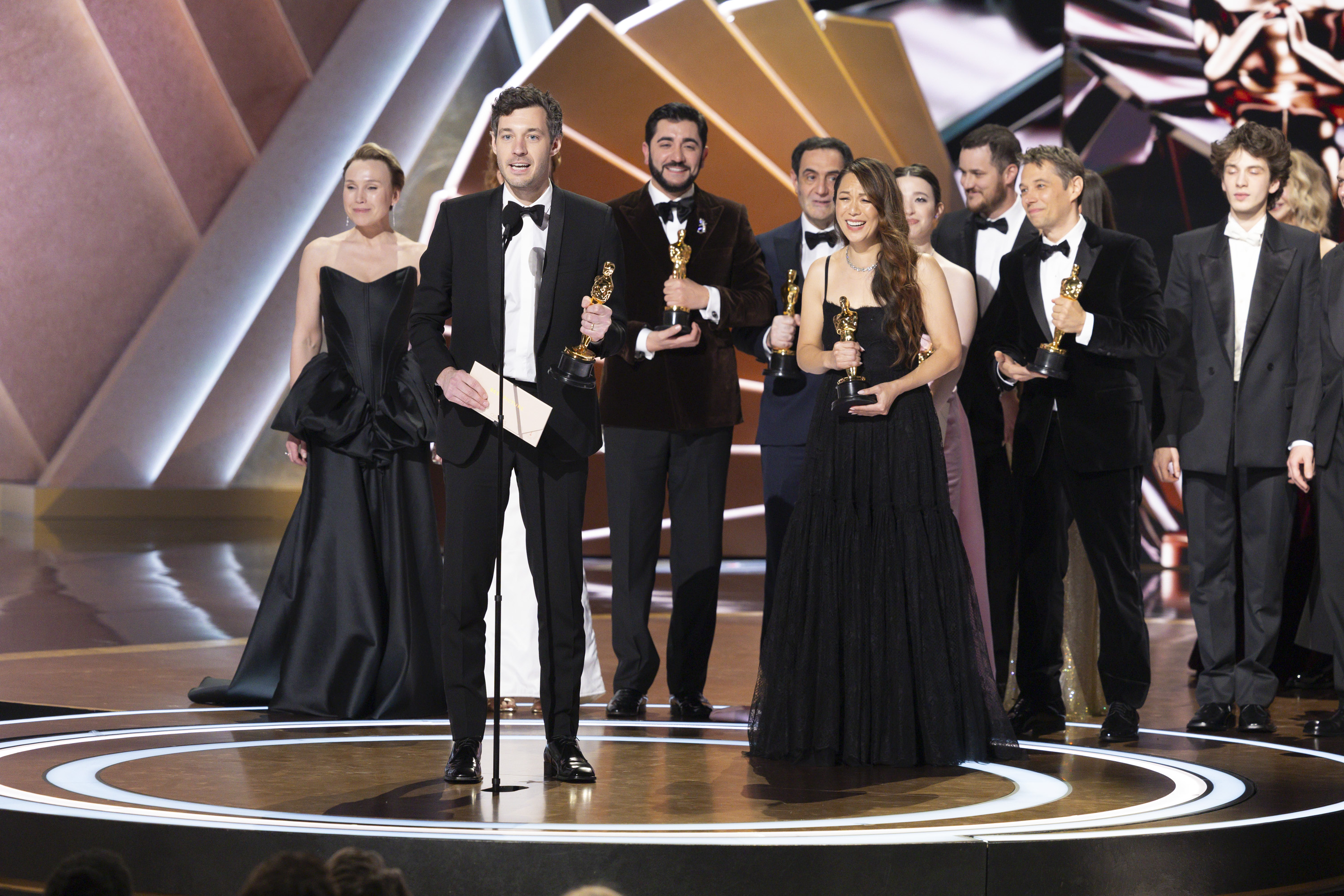
The official archive of the Academy Awards, presented by the Academy of Motion Picture Arts and Sciences (AMPAS), serves as the definitive record of cinematic excellence since 1929. Users seeking a complete list of past winners—accompanied by historical photography and documentation—can verify official results through the Academy’s primary digital databases, which categorize honors by film, artist, and ceremony year.
Understanding the Official Academy Awards Database
For researchers, historians, and film enthusiasts, the most reliable source for a "complete list" of Academy Award winners is the Academy Awards Database, maintained by the Academy of Motion Picture Arts and Sciences. Unlike secondary entertainment news outlets or unofficial fan wikis, this portal is the singular entity that catalogs every nomination and win across all categories, ranging from the major "Big Five" awards—Best Picture, Director, Actor, Actress, and Screenplay—to technical categories such as Sound Editing and Visual Effects.
The database functions as an archival search engine. To retrieve a complete list of winners for a specific year, a user must define the ceremony number (e.g., the 98th Academy Awards, held in 2026) or a specific date range. Because the Academy has historically adjusted, retired, and introduced new award categories, navigating the list requires an understanding of how these classifications have evolved over nearly a century of film history.
How to Access Verified Historical Photographs
While the Academy Awards Database provides the text-based verification of winners, identifying "complete list photos" often requires navigating the Margaret Herrick Library, the physical and digital repository of the Academy. The library holds an extensive collection of production stills, red carpet imagery, and portraiture from the Academy’s archives.
When looking for photographic evidence of a win:
- The Academy’s Digital Collections: The organization publishes high-resolution imagery of ceremonies through its official press portal and public archives. These photos are often rights-managed, meaning that while they are available for educational and research viewing, commercial use requires specific licensing from AMPAS.
- Archive Research: For photos of early winners (from the 1920s to the 1940s), the Academy’s Digital Collections provide a scan-based view of the original statuette presentations. These historical documents are the primary evidence used to verify the visual records of past ceremonies.
- Attribution: If you are sourcing images for publication or research, always check the source metadata. Official Academy photography will typically include the photographer’s name, the event date, and the copyright status.
Historical Evolution of Award Categories
When reviewing a complete list of winners, it is essential to note that the Academy has frequently changed its criteria for eligibility and category naming. This context prevents confusion when navigating lists that span the 1930s to the present.
| Category Era | Notable Changes |
|---|---|
| 1929–1935 | Awards were often presented for work across multiple films rather than a single production. |
| 1936–1960 | Formalized rules for cinematography and editing categories were introduced, splitting black-and-white from color. |
| 1961–2000 | The Academy consolidated technical awards and introduced the "Best Foreign Language Film" (now "Best International Feature Film"). |
| 2001–2026 | Integration of digital media, streaming-exclusive production eligibility, and refined rules for documentary and short film categories. |
Understanding these shifts is vital because a search for "Best Sound" in 1930 may yield different criteria or category titles compared to 2026. The Academy’s database manages these variances through historical tagging, ensuring that searching for a specific film or artist correctly links to their win regardless of whether the category title has been rebranded over the decades.
Verifying Results and Correcting Common Misconceptions
A common error when compiling a list of past winners is conflating "Nominees" with "Winners." The Academy’s database features an "Include Nominees" checkbox. When searching for a complete list, verify that this filter is toggled to only show winners. If you are conducting academic research, rely on the official Academy Records, as they are the only source that tracks disqualifications, posthumous awards, and complex shared-credit situations (such as directors of photography who won as a team).
If you encounter conflicting information regarding a specific year’s winner on third-party sites, always default to the official records of the Academy. Fan-generated content often omits the "Honorary Academy Awards" or "Scientific and Technical Awards," which, while not presented on the main broadcast stage, are official Oscar wins recorded in the permanent ledger.
Frequently Asked Questions (FAQ)
Is there a single, printable PDF of every Academy Award winner?
There is no single official, real-time PDF because the Academy continues to add data as new ceremonies occur. The official database is a dynamic tool. For research purposes, users typically export search results from the database or refer to the "Academy Awards History" section on the official website, which offers chronologically organized summaries by year.
Can I use photos of past winners for free in my project?
No. Most photography from the Academy Awards is protected by copyright. While you can view these images for personal or educational research on the Academy's official portals, using them in commercial content requires a licensing agreement. You must contact the Academy’s licensing department to obtain permission for high-resolution assets.
Why do some years have different numbers of winners for the same category?
In the early history of the Academy Awards, ties were more common, and specific categories were occasionally split into multiple versions (e.g., Best Cinematography being divided by color and black-and-white). The official database lists all recipients of these awards, including those who won as part of a joint production or in a dual-category system.
How are the 2026 ceremony winners added to the record?
Following the conclusion of the ceremony, the Academy’s archive team performs a formal verification process. Results are manually entered into the permanent ledger, and accompanying imagery—including the official portraits of the winners with their statuettes—is uploaded and indexed. This process typically concludes within a few weeks of the ceremony.
Where can I find information on Lifetime Achievement or Honorary Oscars?
The Academy treats Honorary Oscars as full awards. When using the database, you can select "Honorary Award" in the category filter to see a comprehensive list of every person who has received a Governor’s Award or other special recognition throughout the history of the institution.
Taking Next Actions: Conducting Your Search
To begin your search for past winners, navigate to the official Academy Awards Database. If you require specific photographic documentation, utilize the search function on the Academy of Motion Picture Arts and Sciences website to find links to the Margaret Herrick Library’s catalog. For those performing professional research, ensure your citations follow the official naming conventions provided by the Academy’s press department to maintain the integrity of your work.