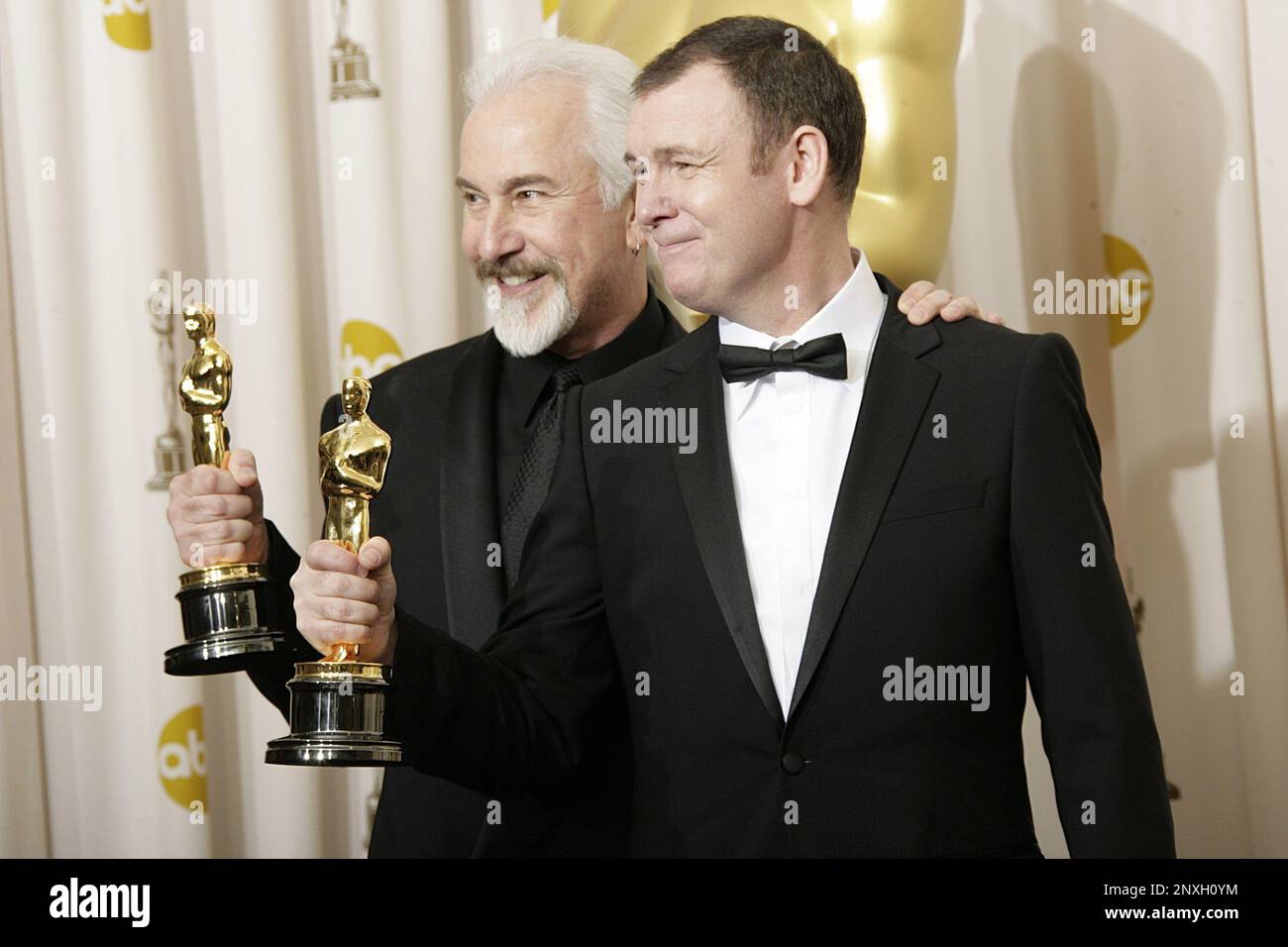
The Academy Award for Best Makeup and Hairstyling is a prestigious honor recognizing the craft of transforming actors through cosmetics, prosthetic appliances, and hair design. Established in 1981, this category celebrates the technical and artistic excellence required to bring complex characters to life, evolving from a three-nominee field to five in recent years.
The Evolution of the Makeup and Hairstyling Category
The history of makeup in film is as old as cinema itself, but for decades, the Academy of Motion Picture Arts and Sciences (AMPAS) did not have a dedicated annual category for the craft. In the early years of the Oscars, makeup artists were occasionally recognized with Special Achievement Awards. For instance, William Tuttle received an honorary Oscar for 7 Faces of Dr. Lao (1964), and John Chambers was honored for his groundbreaking work on Planet of the Apes (1968).
The turning point came in 1980 following the release of David Lynch’s The Elephant Man. The film featured extraordinary prosthetic work by Christopher Tucker, yet there was no category to reward it. The resulting outcry from the industry and the public pressured the Academy to formalize the craft. Consequently, the "Academy Award for Best Makeup" was established in 1981. The first competitive winner was Rick Baker for his legendary work on An American Werewolf in London.
In 2012, the category was renamed "Best Makeup and Hairstyling" to better reflect the collaborative nature of character design. Hairstyling had always been an integral part of the process, but the rebranding ensured that hair designers received equal billing and credit. As of 2026, the category remains one of the most technically scrutinized fields, often serving as a bridge between traditional practical effects and modern digital enhancements.
The Rigorous Selection Process: The "Bake-off"
Unlike many other Oscar categories where the entire branch votes on a long list of films to determine nominees, the Makeup and Hairstyling category utilizes a unique multi-stage vetting process. This process is designed to ensure that only the most technically proficient and impactful work reaches the final ballot.
The Shortlist and the Presentation
The cycle begins with the Makeup Artists and Hairstylists Branch Executive Committee, which narrows down the year's eligible films to a shortlist of ten titles. Once the shortlist is announced, the Academy holds what is colloquially known as the "Bake-off." During this event, members of the branch view seven-minute reels from each of the ten shortlisted films. These reels typically provide a "before and after" look at the actors, detailing the application of prosthetics, the complexity of the hairpieces, and how the makeup held up under various lighting conditions and performances.
Voting for Nominees
Following the Bake-off, members of the branch vote to select the final five nominees. For most of its history, this category only allowed for three nominees, making it one of the most competitive fields in the Oscars. However, in 2019, the Academy expanded the field to five nominees to align with other major categories. This expansion has allowed for a broader range of films—from massive fantasy epics to subtle period pieces—to receive recognition.
Criteria for Winning: Technical Skill vs. Character Impact
When Academy members cast their final ballots, they are looking for more than just "most makeup." The criteria involve a balance of technical execution and how the makeup serves the narrative.
- Transformative Power: The most common winners are films where an actor is rendered unrecognizable. Examples include Brendan Fraser in The Whale (2022) or Tilda Swinton in Suspiria (2018).
- Period Accuracy: Historical dramas like Ma Rainey’s Black Bottom (2020) win based on the meticulous recreation of hairstyles and cosmetic trends of a specific era.
- Prosthetic Innovation: The development of new materials, such as silicone-based prosthetics that move more naturally with human skin, is often rewarded.
- Consistency: In long productions, maintaining the exact same look across months of filming is a massive logistical challenge that voters respect.
Landmark Winners and Record Holders
The history of this category is dominated by a few legendary figures who have set the standard for the industry. Understanding the winners requires looking at the "Masters" who have defined the craft.
Rick Baker: The Gold Standard
Rick Baker is the most successful artist in the history of this category. With seven wins and eleven nominations, his work on films like Harry and the Hendersons, Ed Wood, and Men in Black established the blueprint for what constitutes "Oscar-worthy" makeup. Baker's retirement in 2015 marked the end of an era, but his influence persists in every prosthetic-heavy film produced today.
Greg Cannom and Ve Neill
Greg Cannom (4 wins) is celebrated for his "age-progression" work, most notably in The Curious Case of Benjamin Button. Ve Neill (3 wins) is another titan of the industry, known for her collaborations with Tim Burton on films like Beetlejuice and Ed Wood. Her ability to blend high-fashion makeup with grotesque character elements is a hallmark of her career.
Recent Benchmarks (2020–2025)
In the early 2020s, the Academy showed a preference for "prestige" transformations. The Eyes of Tammy Faye (2021) and The Whale (2022) focused heavily on prosthetic facial changes and body suits. However, the win for Poor Things (2024) signaled a return to surreal, artistic character design that blended Victorian aesthetics with avant-garde medical scarring. As we move through the 2026 awards season, the trend appears to be moving toward "invisible" makeup—work so seamless that the audience forgets the actor is wearing anything at all.
Historical Winners and Key Nominees (2020-2025)
The following table highlights the winners from the first half of the 2020s, illustrating the diversity of styles that capture the Academy's attention.
| Year | Winning Film | Key Makeup Artists/Hairstylists | Primary Focus of Work |
|---|---|---|---|
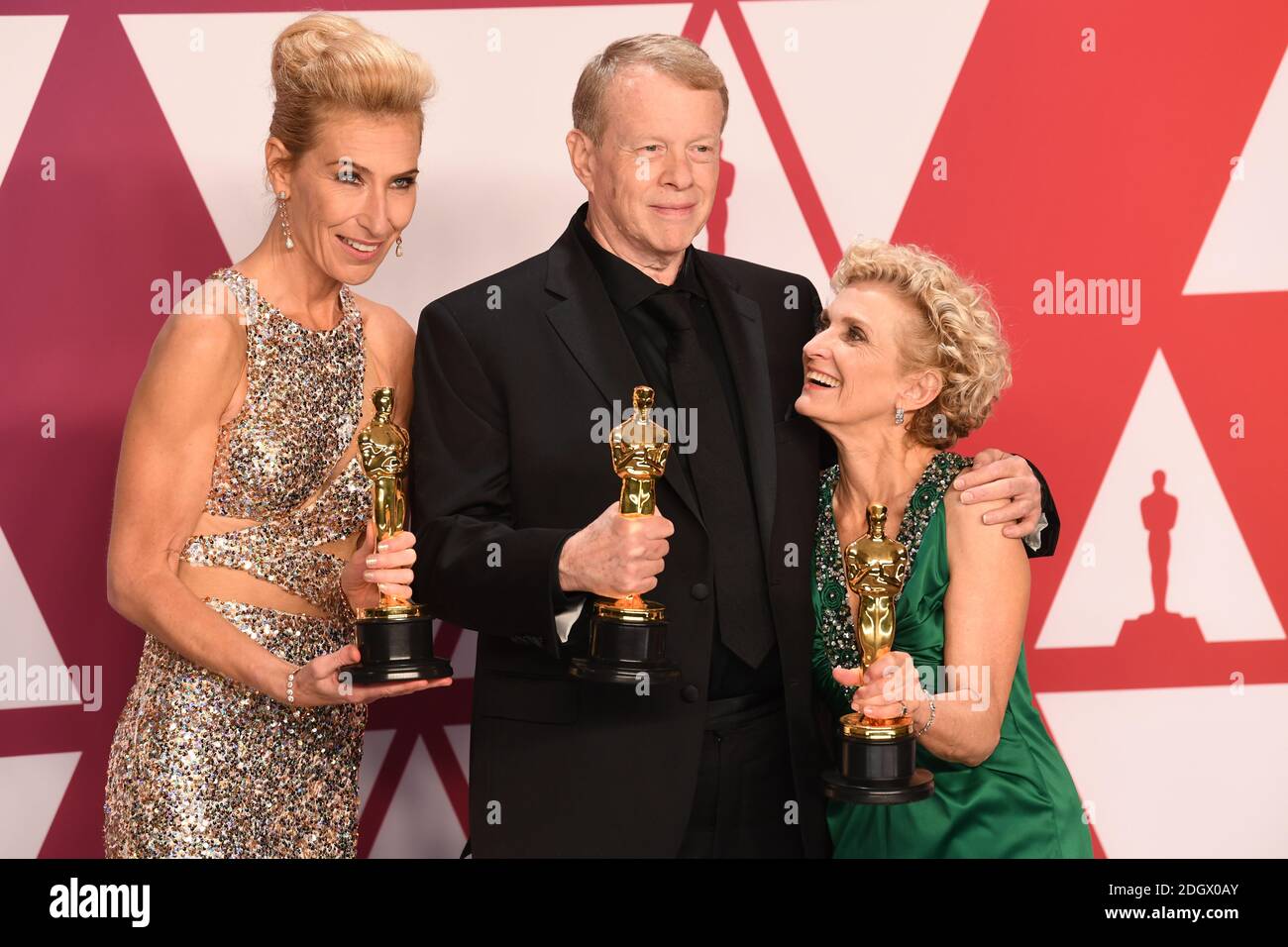
| 2020 | Ma Rainey's Black Bottom | Sergio Lopez-Rivera, Mia Neal, Jamika Wilson | Period-accurate 1920s hair and sweat-soaked skin. |
| 2021 | The Eyes of Tammy Faye | Linda Dowds, Stephanie Ingram, Justin Raleigh | Extensive facial prosthetics and iconic 80s cosmetics. |
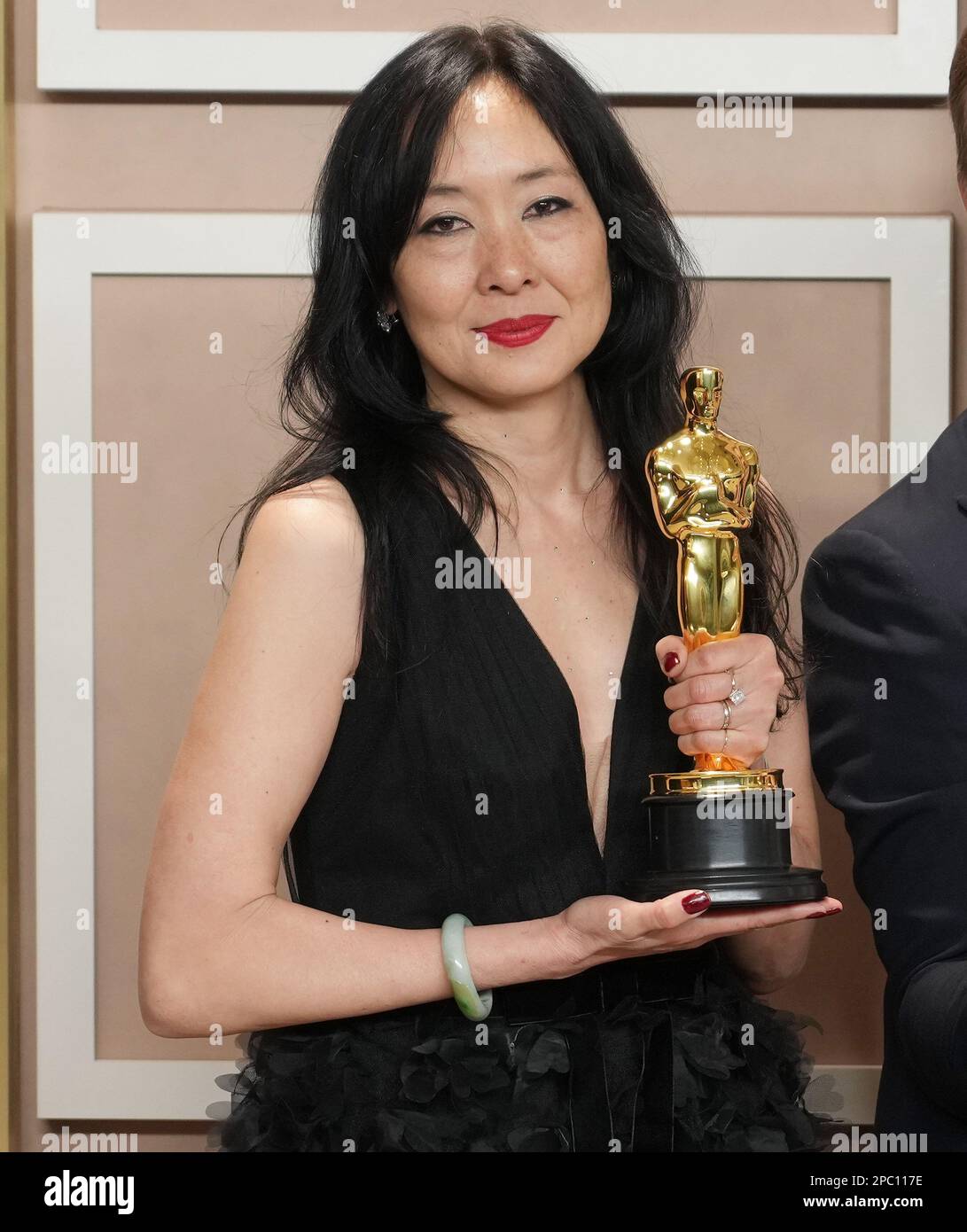
| 2022 | The Whale | Adrien Morot, Judy Chin, Anne Marie Bradley | Groundbreaking obesity suit and facial silicone pieces. |
| 2023 | Poor Things | Nadia Stacey, Mark Coulier, Josh Weston | Surrealistic surgical scars and elaborate period hair. |
| 2024 | Maestro | Kazu Hiro, Kay Georgiou, Lori McCoy-Bell | Age-progression prosthetics for Leonard Bernstein. |
| 2025 | The Substance | (Pending 2026 Review) | Body horror and practical prosthetic transformations. |
Practical Effects vs. Digital Augmentation
One of the most debated topics within the Makeup and Hairstyling branch is the role of CGI (Computer Generated Imagery). In the 2026 landscape, almost every film uses some degree of digital "clean-up" or enhancement.
The Academy has strict rules regarding eligibility for this category: the makeup must be "primary." This means that if a character's look is created mostly through motion capture or digital painting, it is generally ineligible for the Makeup award and is instead funneled toward the Best Visual Effects category. However, a hybrid approach is becoming common. In films like The Batman (2022), the Penguin's makeup was entirely physical, but digital tools were used to remove the seams of the prosthetics. The branch must decide if the physical work is substantial enough to warrant a nomination.
Common Misconceptions About the Category
Many viewers believe that "Best Makeup" simply means the most attractive or the most obvious makeup. However, the branch often rewards "character" over "glamour."
- The "Invisible" Makeup: Some of the most difficult work involves making an actor look like an average person in a harsh environment. This includes creating realistic bruises, dirt, or signs of illness that do not look like stage makeup.
- The Lead Actor Bias: There is a frequent correlation between the Best Makeup winner and the Best Actor/Actress winner. If a transformation helps an actor win an Oscar, the makeup team is almost always nominated as well.
- Hairstyling's Weight: People often overlook the "Hairstyling" half of the title. In period films like Emma or The Favourite, the architectural complexity of the wigs and hairpieces is the primary reason for the nomination.
Frequently Asked Questions
What is the "Bake-off" in the Oscar makeup category?
The Bake-off is a specialized screening event where members of the Makeup Artists and Hairstylists Branch watch seven-minute reels of the shortlisted films. Artists often appear in person to display their prosthetic pieces and answer technical questions about their process. This ensures that the voters are judging the technical merit of the work rather than just the popularity of the movie.
Why did it take until 1981 to have a dedicated makeup category?
Before 1981, the Academy viewed makeup as a secondary craft that didn't require an annual award. It was only after massive public and industry pressure following the exclusion of The Elephant Man that the Board of Governors realized the craft had reached a level of technical complexity that demanded its own competitive category.
Can a film win if it only uses "beauty" makeup and no prosthetics?
Yes, though it is rarer. The Academy tends to favor films with transformative prosthetics, but movies like Mad Max: Fury Road and Ma Rainey’s Black Bottom won based on their stylized use of traditional cosmetics, body paint, and hair design. Technical excellence and narrative relevance are the primary factors.
How many people can be nominated for one film?
Typically, the Academy limits the number of nominees to three individuals per film. However, in exceptional cases where a fourth person’s contribution is deemed indispensable to the overall look of the film, the branch can petition for an additional name to be added to the ballot.
Who has the most Oscars for Best Makeup and Hairstyling?
Rick Baker holds the record with seven wins. His first win was for An American Werewolf in London (1981), and his final win was for The Wolfman (2010). He is widely considered the most influential figure in the history of cinematic makeup.
Researching the Craft Further
For those interested in the technical details of past winners, the Academy’s Official Website provides a searchable database of all nominees and winners since the category's inception. Additionally, the Make-Up Artists & Hair Stylists Guild (IATSE Local 706) offers deep dives into the specific techniques used by the winners, often providing behind-the-scenes insights that are not available in the mainstream media. Studying the "Guild Awards" is often the best way to predict who will eventually take home the Oscar, as the voting bodies overlap significantly.