Academic writing is a disciplined mode of communication characterized by formal tone, precise vocabulary, and evidence-based argumentation. Designed for scholarly discourse, it prioritizes clarity, objectivity, and the systematic evaluation of research to contribute verifiable knowledge to a specific field. Mastery of this craft requires adherence to rigorous structural, stylistic, and ethical standards expected by peer-reviewed publications and higher education institutions.
Core Characteristics of the Academic Register
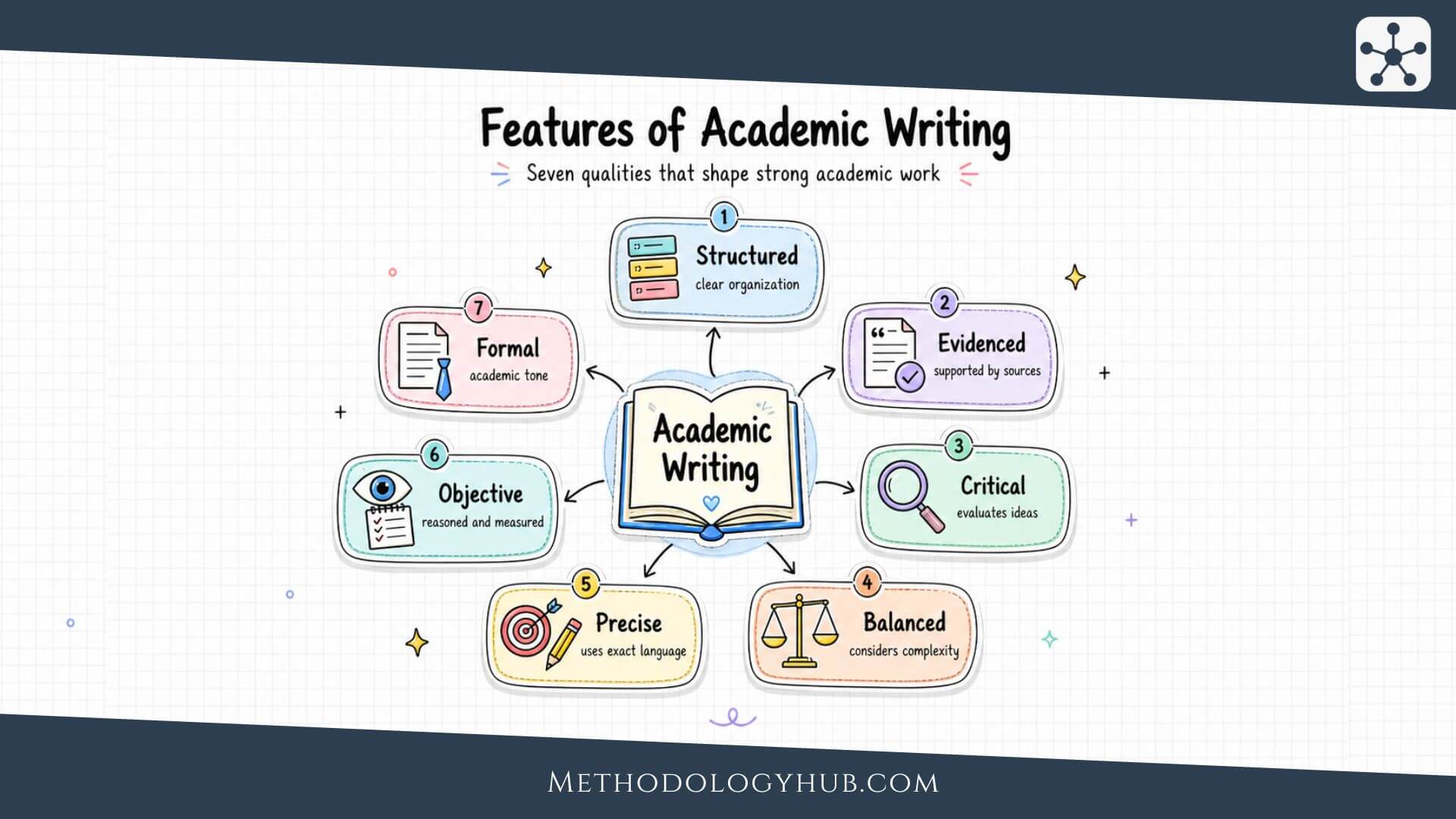
Unlike creative or journalistic writing, academic prose focuses on the objective transmission of information. The primary objective is to advance a thesis through logical progression rather than emotive appeal. Writers in this field utilize a formal register, avoiding colloquialisms, slang, and contractions, which maintains a professional distance and ensures the text remains accessible to an international scholarly audience.
Objectivity is achieved through the use of passive or third-person perspectives, though contemporary stylistic guides—such as the American Psychological Association (APA)—now increasingly permit the judicious use of "I" or "we" when the author’s active role in the research process is essential. Precision is paramount; technical terms must be defined upon first use, and ambiguity must be systematically eliminated to prevent misinterpretation of experimental results or theoretical claims.
Structural Requirements in Research Dissemination
The structure of academic writing is largely dictated by the genre of the document, such as a thesis, dissertation, journal article, or conference paper. While variations exist between disciplines, the standard IMRaD (Introduction, Methods, Results, and Discussion) format remains the cornerstone of empirical research reporting.
The Progression of Argumentation
- Introduction: Establishes the research problem, defines the scope, and provides a clear thesis statement.
- Literature Review: Positions the current work within the broader historical and contemporary research context, identifying gaps the study aims to fill.
- Methodology: Details the research design, data collection, and analytical procedures to ensure reproducibility.
- Results: Presents the findings neutrally, often supported by quantitative data, tables, or figures.
- Discussion and Conclusion: Interprets the results, acknowledges limitations, and suggests implications for future research.
Evidence Verification and Citation Standards
Academic integrity relies heavily on the accurate attribution of sources. Because academic writing builds upon the "shoulders of giants," failing to properly cite intellectual contributions constitutes plagiarism—a serious ethical breach that can result in academic or professional sanctions. Citations serve two purposes: they allow readers to trace the origin of specific claims and they provide evidence that the author has engaged with the existing scholarly conversation.
Different fields employ specific style manuals to standardize the formatting of in-text citations and bibliographies. Adopting the correct style guide is an essential prerequisite for publication.
| Citation Style | Primary Field of Application | Key Focus |
|---|---|---|
| APA | Social Sciences, Psychology, Education | Recency of research; clear dates |
| MLA | Humanities, Literature, Arts | Author identity and page references |
| Chicago (CMOS) | History, Humanities | Detailed footnotes for archival depth |
| IEEE | Engineering, Computer Science | Numerical order of references |
| AMA | Medicine, Health Sciences | Accuracy in clinical data and sources |
Ethical Constraints and Peer Review
The credibility of academic writing is reinforced through the peer-review process. Before a manuscript is accepted for publication in a reputable journal, it undergoes rigorous scrutiny by independent experts in the field. These reviewers evaluate the work based on its methodological rigor, the originality of its contribution, and the accuracy of its interpretations.
Authors must adhere to strict ethical protocols, particularly regarding data integrity and the avoidance of conflicts of interest. Fabricating data, selective reporting, or failing to disclose financial backing are violations that undermine the scientific record. In 2026, the emphasis on open-access repositories and the demand for data transparency mean that researchers are increasingly expected to make their raw datasets and methodology files available for post-publication audit.
Addressing Common Pitfalls in Scholarly Prose
Even experienced researchers encounter hurdles in producing clean, persuasive, and logically sound manuscripts. One of the most common issues is "scope creep," where the author attempts to address too many disparate questions in a single paper, resulting in a fractured argument. To combat this, writers should focus on a narrow research question that can be thoroughly defended within the designated word count.
Another frequent error involves the misuse of jargon. While specialized terminology is necessary for precision, excessive or unnecessary technical complexity can alienate readers from neighboring disciplines. Effective writing bridges this gap by ensuring that complex concepts are explained with enough clarity that they remain understandable to an educated reader outside the immediate sub-specialty.
Frequently Asked Questions
What is the distinction between a literature review and an annotated bibliography?
A literature review is a synthesized narrative that identifies themes, debates, and gaps in the existing body of work to support a research argument. An annotated bibliography is a curated list of sources, each followed by a brief summary and critical assessment, typically used as a preliminary research task rather than a finished argument.
How should an author handle limitations in their research?
Limitations should be acknowledged openly in the "Discussion" section. Identifying constraints—such as sample size, duration, or equipment sensitivity—demonstrates the author’s analytical maturity. This practice protects the study’s credibility by preempting criticism and helps frame directions for future research.
Is the use of AI tools permitted in academic writing?
Policies regarding AI vary by institution and journal. While AI may assist in proofreading, syntax refinement, or organizing notes, it cannot replace the author’s original intellectual work. Most journals in 2026 require full disclosure of any AI-assisted tools used in the drafting process and strictly prohibit AI from generating original arguments, data, or source citations.
How do I ensure my writing remains objective?
Objectivity is maintained by grounding every claim in verifiable data or established theory. Use hedged language—such as "the data suggests" rather than "the data proves"—to represent the uncertainty inherent in research. Avoiding loaded or emotive language ensures the reader focuses on the logical strength of the evidence rather than the author’s opinion.
Developing a Research Workflow
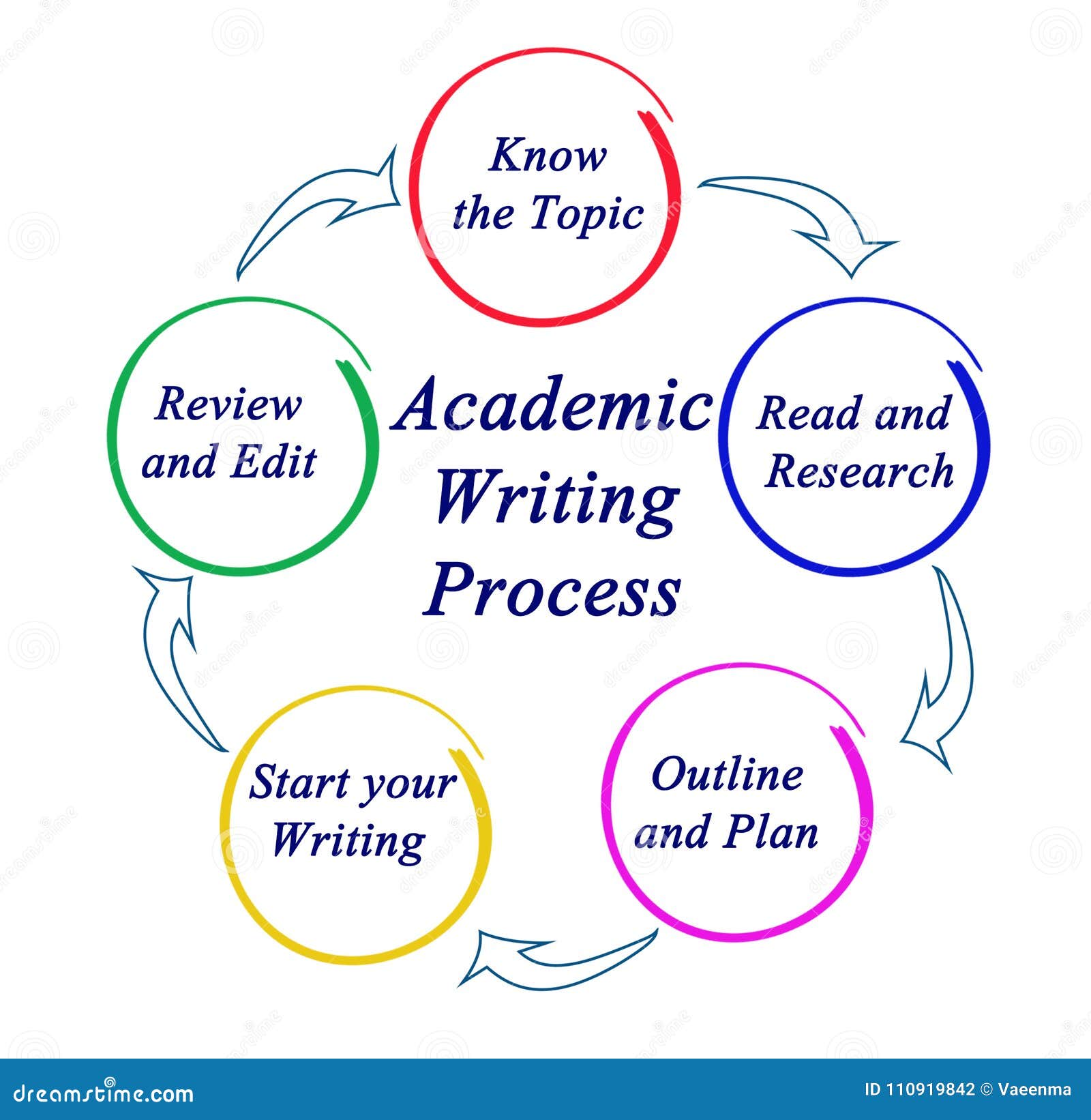
To improve the quality and efficiency of your academic writing, establish a consistent workflow that prioritizes planning over drafting. Start by organizing your data and creating a detailed outline that mirrors the required structure of your target journal. Drafting should be an iterative process; write a first draft that captures the flow of your arguments, followed by multiple rounds of revision to tighten logic, ensure smooth transitions, and eliminate redundant phrasing. Finally, conduct a technical edit to verify that every citation matches the bibliographic entry and that all formatting adheres to the designated style manual. Consistency in this cycle is the most effective way to produce high-impact, publishable work.